
We make wishes when time folds into a perfect pattern – 11:11, 11/11 – when those four pillars, these special numbers, stand in symmetry with each other. To borrow from another, it’s a cosmic wink, a fleeting moment to give voice to the heart’s desire. It’s math, it’s magic, maybe a mirror; the universe is listening (?).
Anytime I write about something else, I’m writing about myself.
– – –
We saw Flock of Dimes 11/11, a midweek show I’d earmarked months ago. Head of Roses is my favorite record of the 2020s and The Life You Save – not quite a month old – is already inching up my list to sit beside it. It’s hard not to find myself in the songs or dip into an almost-parasociality because Jenn is from Baltimore, I grew into my adulthood with Wye Oak, and both of these last two Flock of Dimes records have quite literally matched my own journey through therapy. I don’t actually know what Head of Roses is /about/, but I interpret it as reflecting learning how to live with and sit with feelings instead of intellectualizing them. This, of course, may be a case of art being a mirror: I am hearing what I need to hear. “Price of Blue”, “Awake for the Sunrise”, “Two”, “Hard Ways”, “Lightning” all give color to the space for self-discovery at the same time as being dense, beautiful, and still-accessible music. The guitar solo on “Blue” is probably my single favorite guitar solo of all time.
The Life You Save came out 10/10. My way of listening to new music is to (1) soak in the sonics a week, and then (2) live inside the lyrics the next week. On 10/15, I got a concussion at work doing my job to keep others safe. My wife and I went to the beach for the weekend – her to attend a girls’ retreat, me to wander Ocean City and Assateague alone – and I listened to this record exclusively as I watched three straight sunrises undress the ocean. I was slow, mind swimming, and still, these songs undressed me in turn.
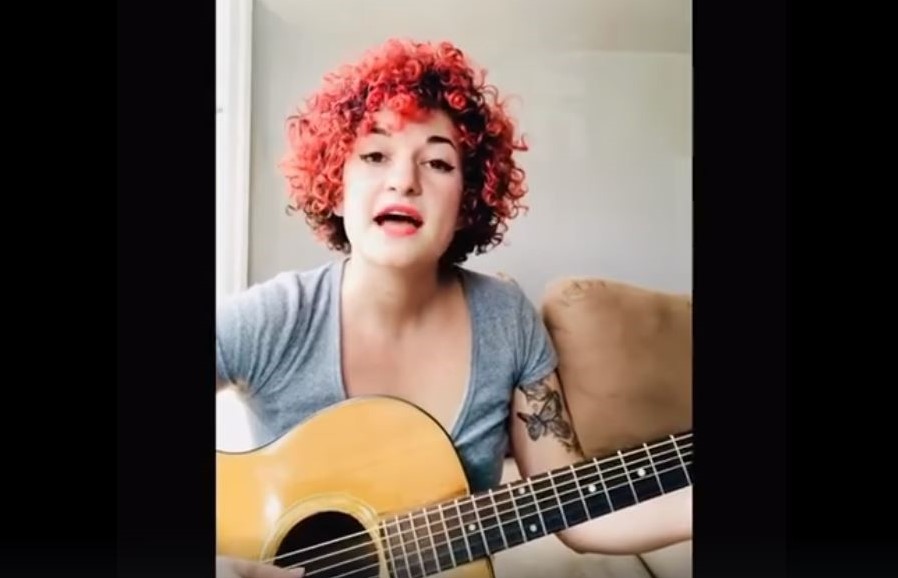
Catch the official video for “Keep Me in the Dark” by Flock of Dimes:
I have been a helper for so long that the habit of saving feels like the grammar in my language of being, learning to shape the sentences of my time with sacrifice before I could conjugate my own grief or mind. I think of that child-therapist in me, ten or eleven, taking inventory of my mother’s torn heart-seams, driven by the light (shadow) of her needs (and then generalizing this to others with time). This worked well with my deafness because it taught me what to notice – and I already trained my eyes on understanding everyone around me – what orders of emotional pain deserve immediate intervention and which silences must be filled so that the day might continue and I can abate the darkness in others. There is no smallness in this training, but the ledger of my life has accumulated interest I’ve only just discovered in the last few years.
The Life You Save is also a ledger, though I think she’s opened it in the here and now and a little less rooted in the past; this is a collection of small, clear, beautiful sentences/poems set against mostly-spare instrumentation, and I think Jenn is giving voice to what it’s like to have navigated the mechanics of being the person who tries to fix things and gradually realizes this is not only impossible, it’s rooted in an unsalvageable hubris. She is helping me (and I hope other listeners) to consider and then reframe my thinking about my “savior” impulse. She gently and unflinchingly takes inventory of what it costs to live by other people’s crises and what it might mean to stop pretending the world’s recoil – the aftermath – is always the result of our failure to soften it. The music, with its pauses, Jenn’s clarion voice, the way she lets unresolved phrases hang, gives a vocabulary to that shame and relief that lives in my chest when I look at my mother in a hospital bed and realize that some things are not mine to make whole.

As a kid and then into adulthood, I was molded into a helper, letting it become a part of my identity; I’ve learned increasingly that I need to be a villain and victim sometimes, but even still, it’s hard to admit I’m not a hero. On the second morning at the beach, I drove to Assateague Island and sat in the bluedark morning to wait for a cotton candy sunrise, the surf crashing and the songs playing straight to my hearing aids; “I Think I’m God” hit me so hard that I started to sob seated on the sand. Jenn sings, “I think I’m God; I know I’m not” over sparse guitars and how could I not fall immediately into reflection? There is goodness in helping, but there’s a broken hubris to claims of heroism, that only I can fix this thing, be the one to sacrifice my self to make others’ lives better. It’s just not true.
The rest of the record reinforces these themes. “Keep Me in the Dark”, “Long After Midnight”, “River In My Arms”, “Afraid” have become favorites, but there’s depth and nuance and meaning in every song. I can’t recommend the record enough.
– – –
Most of my life – at least since I first started to fracture into this version of me – I have always believed that we can only be saved by other people. I want(ed) to be the savior instead of the saved. Of course, here and now, on the edge of turning forty years old, I think this is a half-truth; it is true that we can save and be saved, but this is not and cannot be the purpose or foundation of any healthy relationship. In love of all kinds – family, friends, romantic – there can be no expectation to save or be saved. We can only save each other some of the time as a byproduct.
Finishing my fortieth circuit is less a line and more an opportunity for a grammar check: which clauses of my life do I claim as authorship, and which were typeset by other people (by birth, by need, by narrative, by time, by reaction, by usage). I, who was born early and lived by the grace of machine-run lungs for thirty-two days, know how fragile the story of survival is: the things that happen to us make us, and my ears are the proof of it, the way the damaging sound of not-dying burning the nerves of my ears.
For what it’s worth, how we relate wires, rewires, and deepens our attachment patterns. Who we are comes from who loved us and who we loved. I think the work of a good adulthood is to control the rewiring with intentionality; listen, we can’t make a new machine of our minds, but we can help it run differently. As I age, I believe in the importance of approaching each other with a real and honest caring and curiosity without the expectation of healing or saving each other; therein, we can actually become the cure.
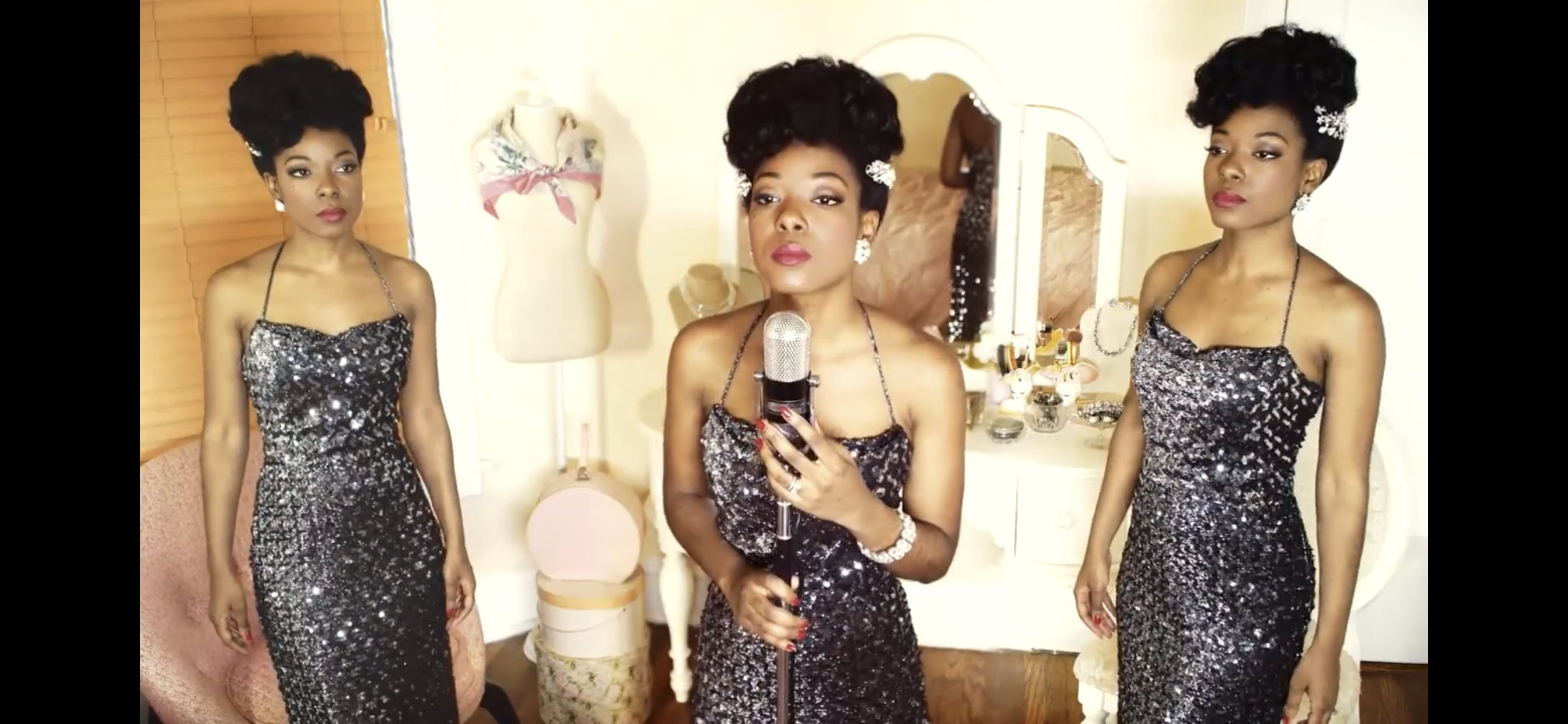
Check out the official lyric video of “Defeat” by Flock of Dimes:
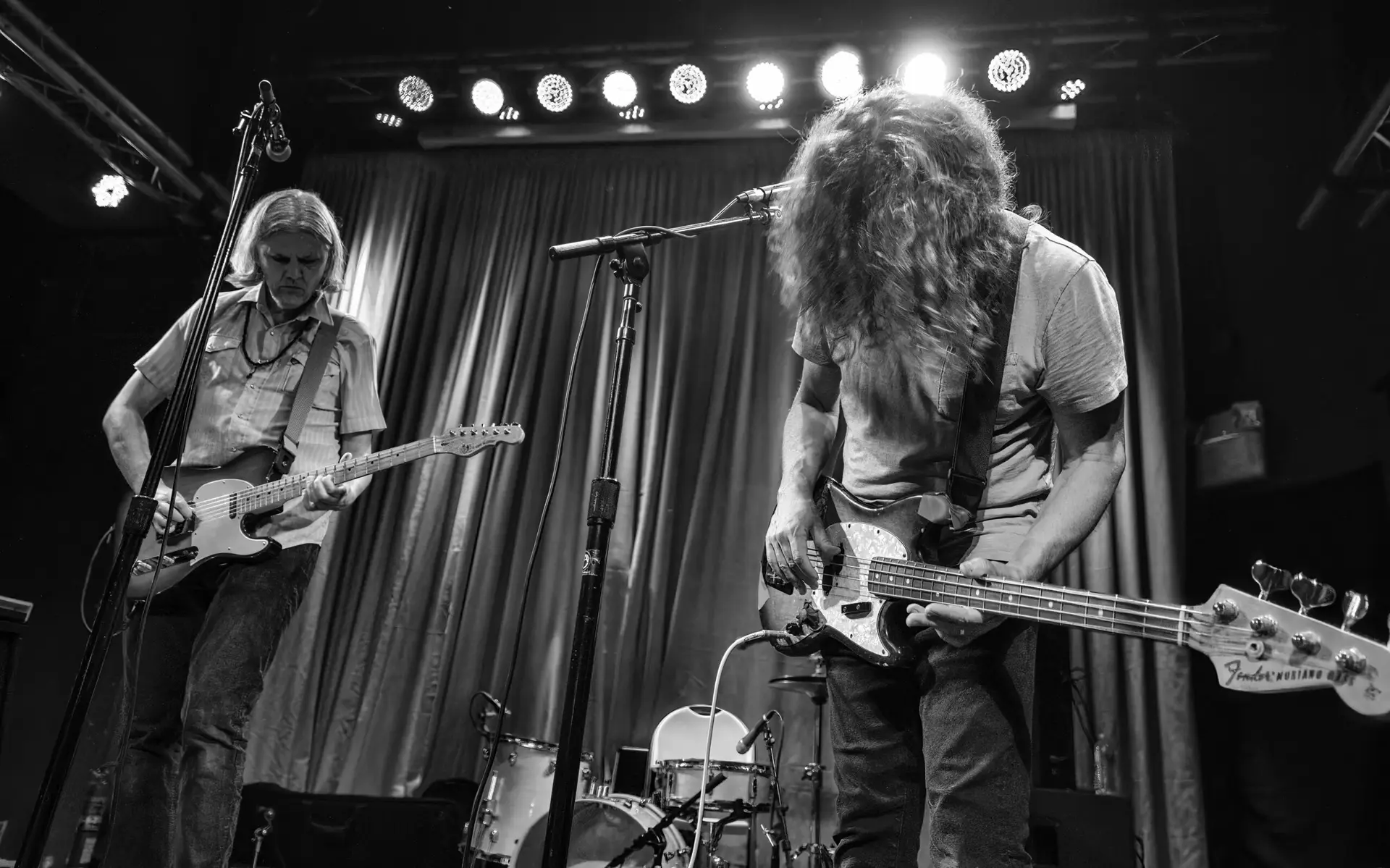
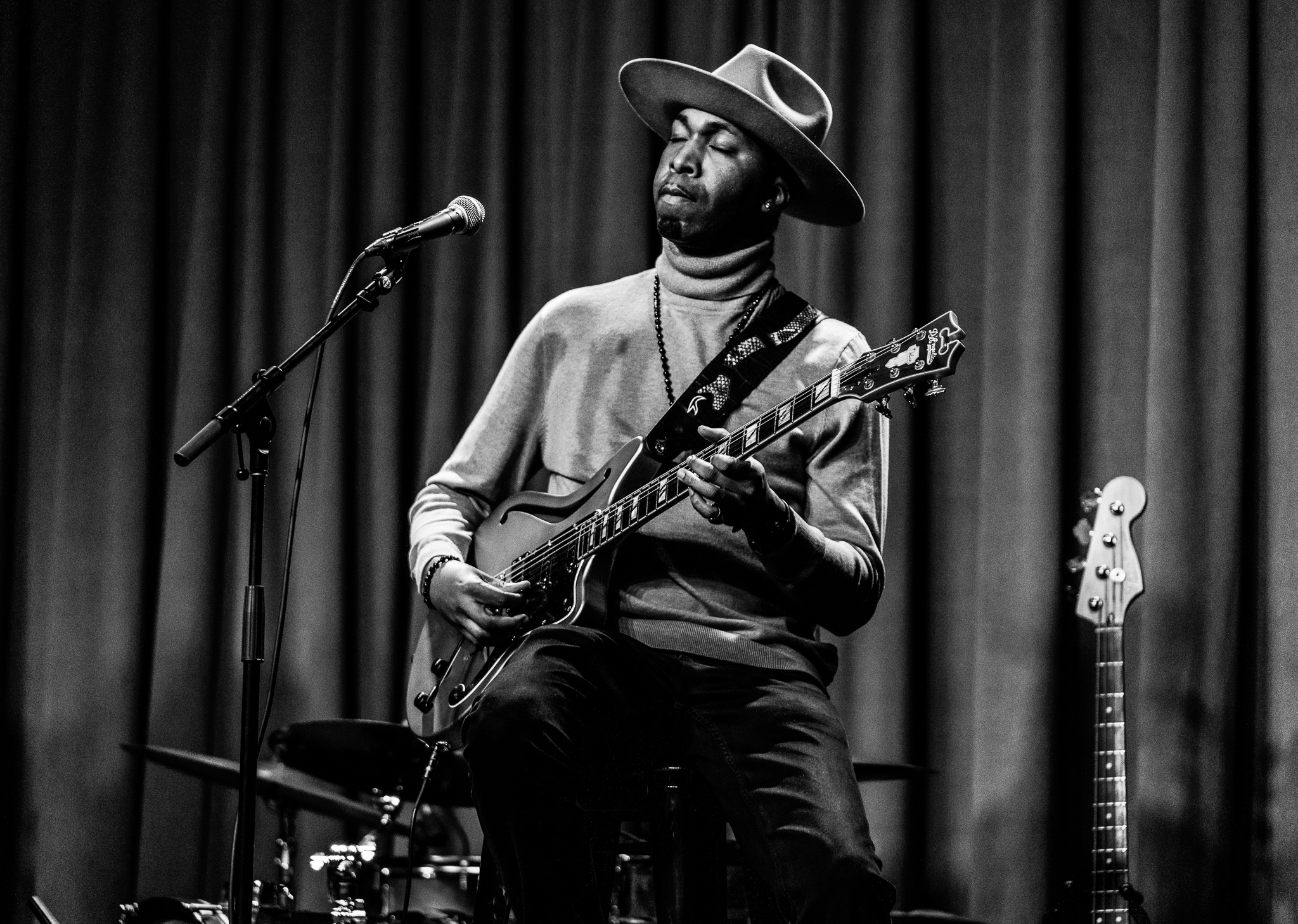
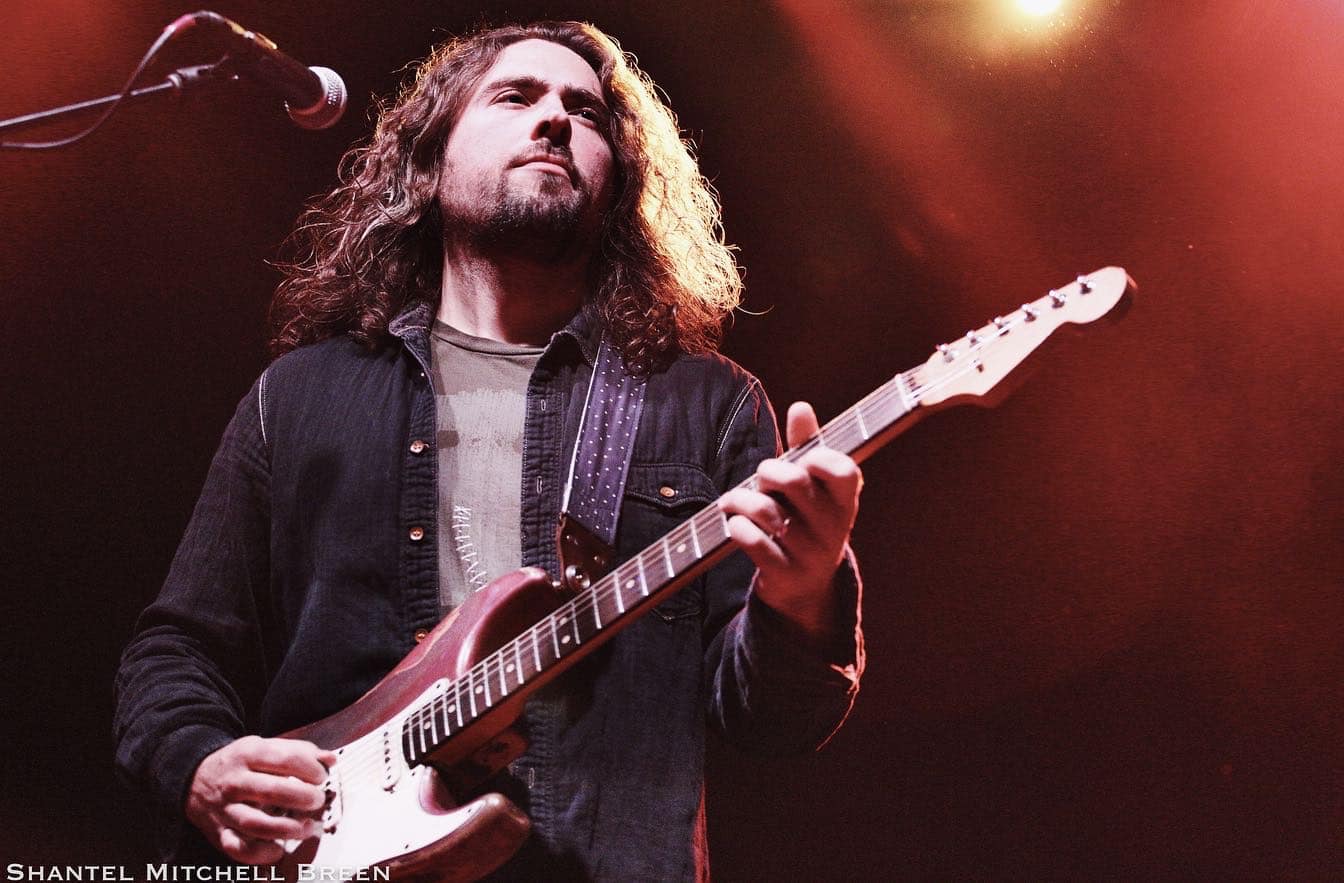
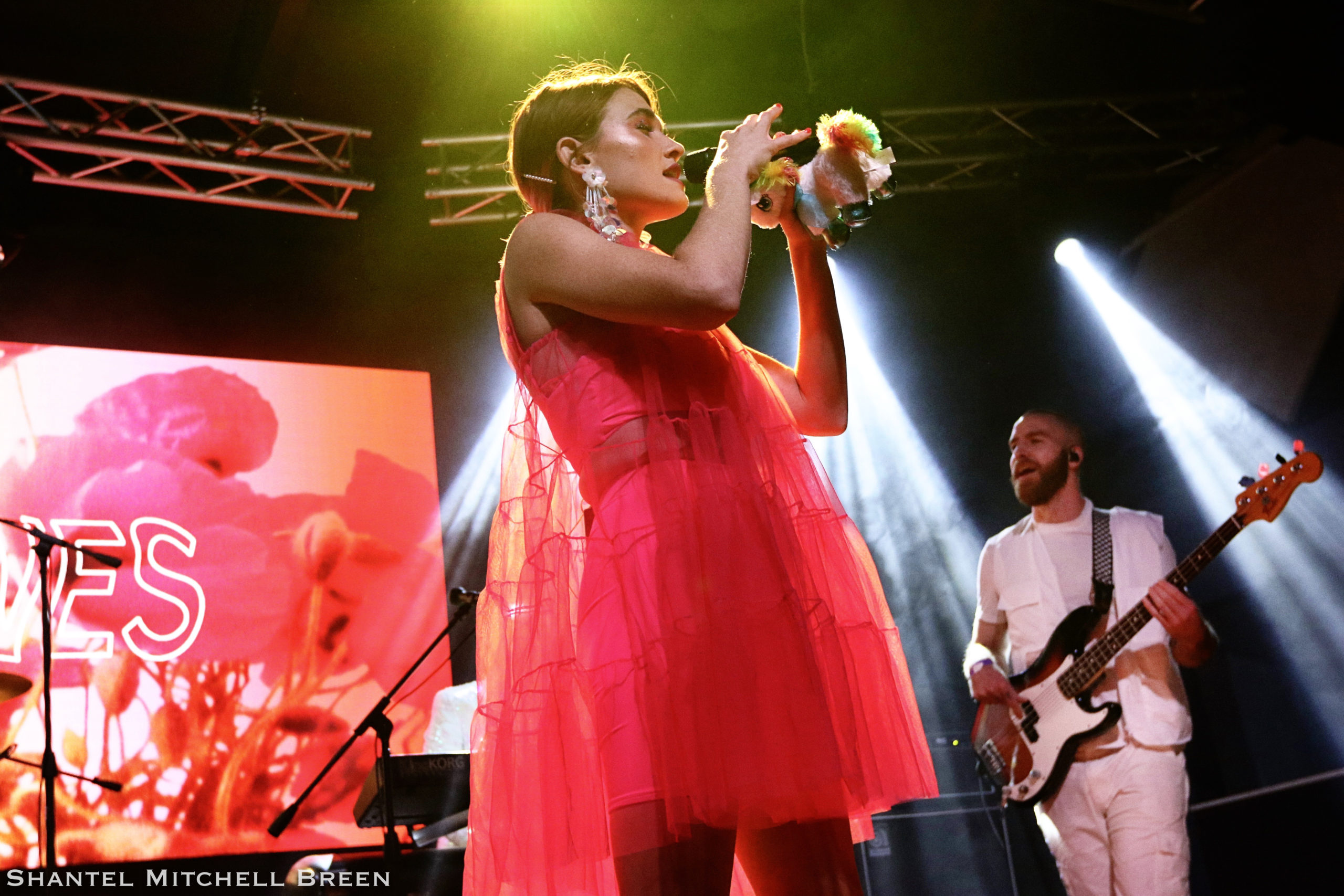
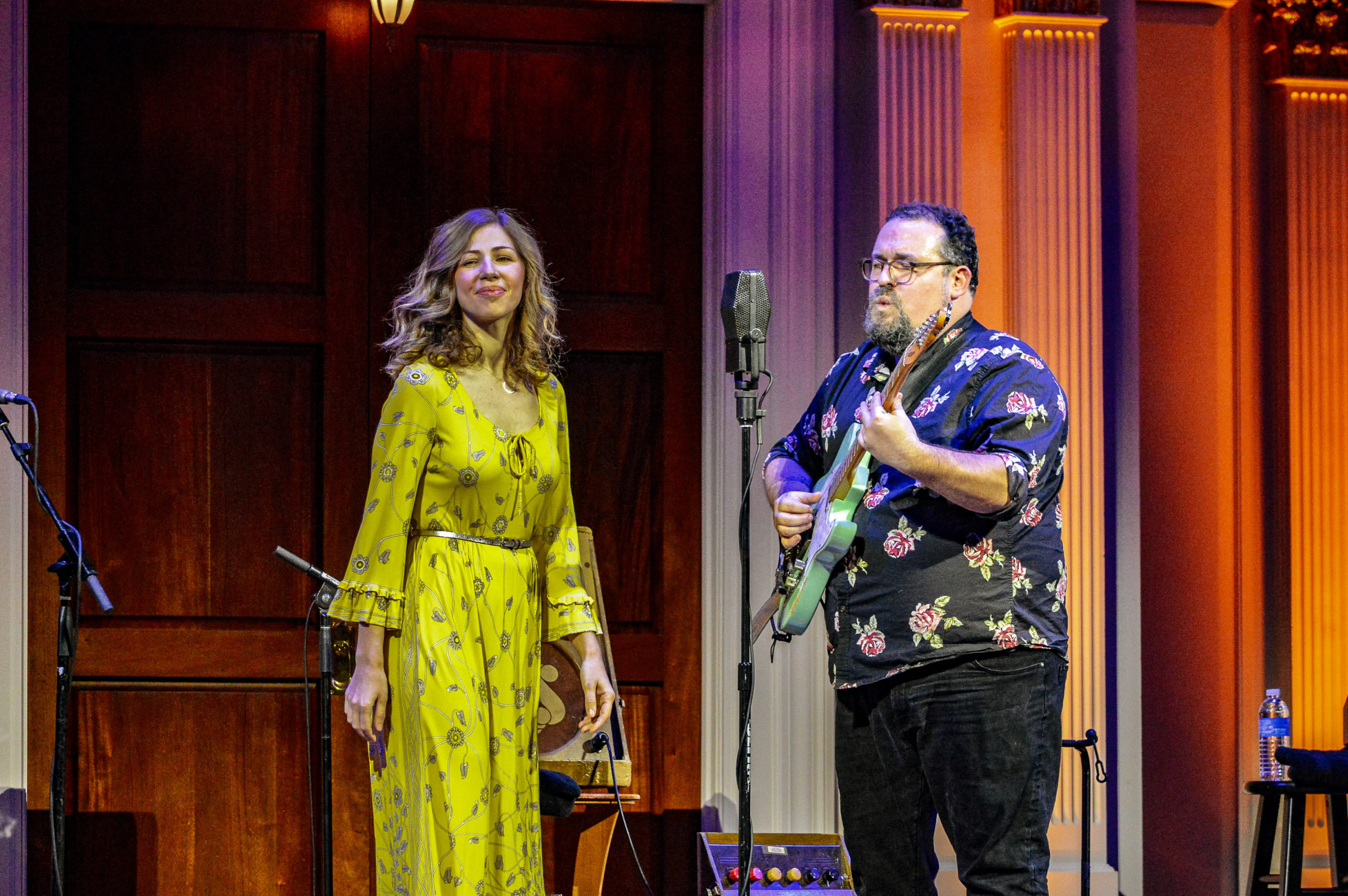
There was a moment on “Not Yet Free” when Jenn sang and Alan Good Parker played the guitar as a vocal duet, or maybe more like a sonic mirror to her voice. The whole band has a clear synergy, but the way those two played together felt telepathic. I wonder how often they tease out songs in tandem outside of shows, how often they listen to each other play and then figure out how to make it work.
– – –
To experience codependency is not a moral indictment.
I think of codependency as a fucked-up architecture of relation, maybe an Escherian or Dalian building of being: the first response we were taught to the point of competence was to make things easier for the people around you, to fix them, to be the one who makes things right (or the inverse). I think I’m more often happier than I’ve ever been today, and a big part of that has been the work I’ve done to recover some balance. I think I’ve begun to recognize the lines between help and overhelp, to see the things that once bound me in the brightnesses and darknesses of others’ lives instead of my own. It is a hard thing to be human in this world, and sometimes it’s been much easier to live for someone else than myself; there is a lot of pain in sitting with your own shortcomings, your own growth, your own skills, your own thoughts, your own life (or maybe just mine, but I assume it’s hard for you, too?). I keep returning to a very specific distinction or imbalance as I write about this, and I still need to think on it (I’d love some of your thoughts):
We must navigate the distinction between the impulse to contain another’s distress and the ( potentially un)necessary cruelty of permitting it to exist without you, or to put it another way, the voice that says, “I will help you” and the voice that must say “I will not fix this for you”. These are not the same voice, but they can be the same person; learning to hold both is the work of an unromantic grace.
Under this framework. I think grace is both practical and particular. It looks like staying with people in the hospital and also like not picking up the phone when those people call. Grace is in the gestures that begin to be a little more honest than performative, driven by the boundaries we draw and the rules we establish because they are fair, not because they placate.
– – –
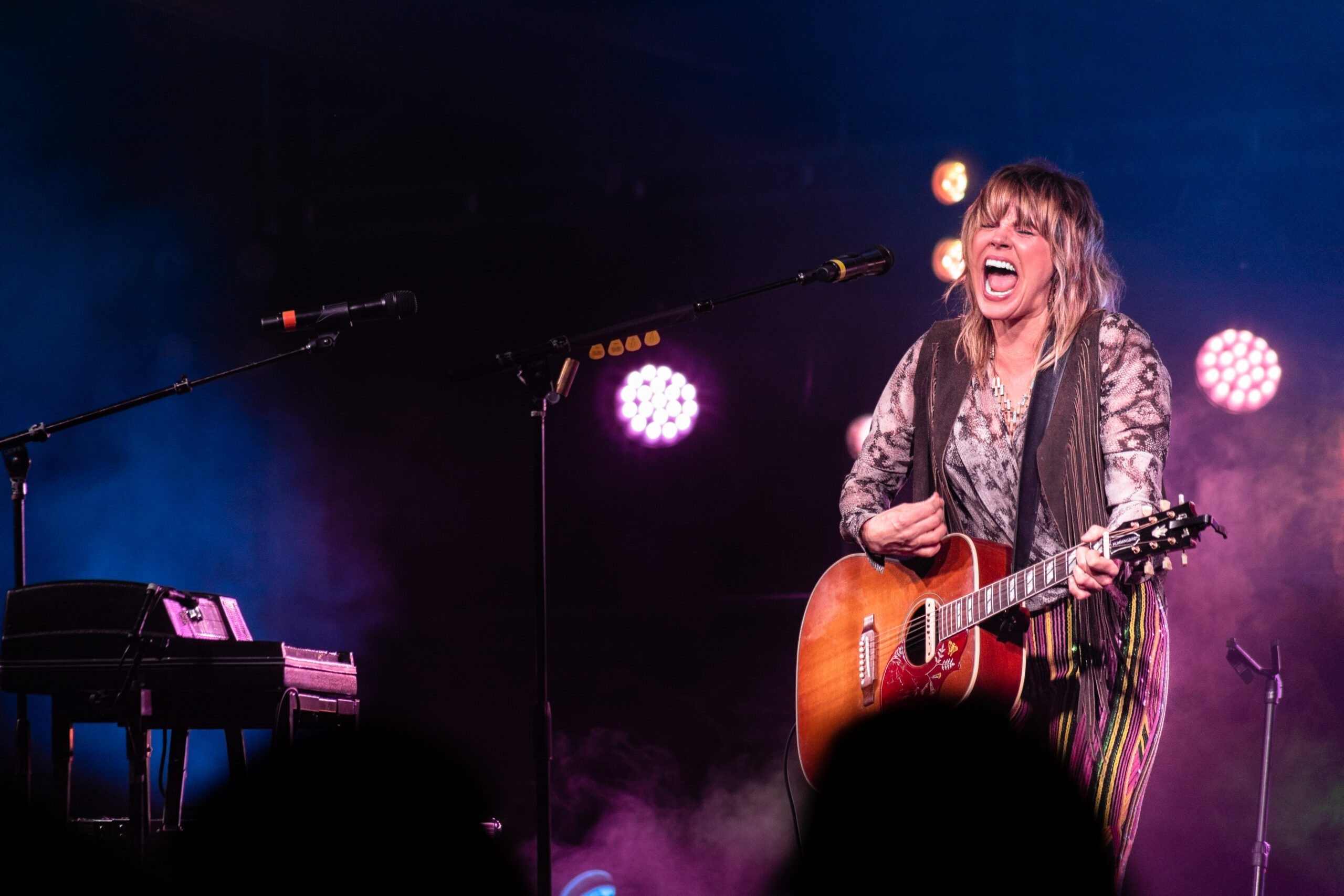
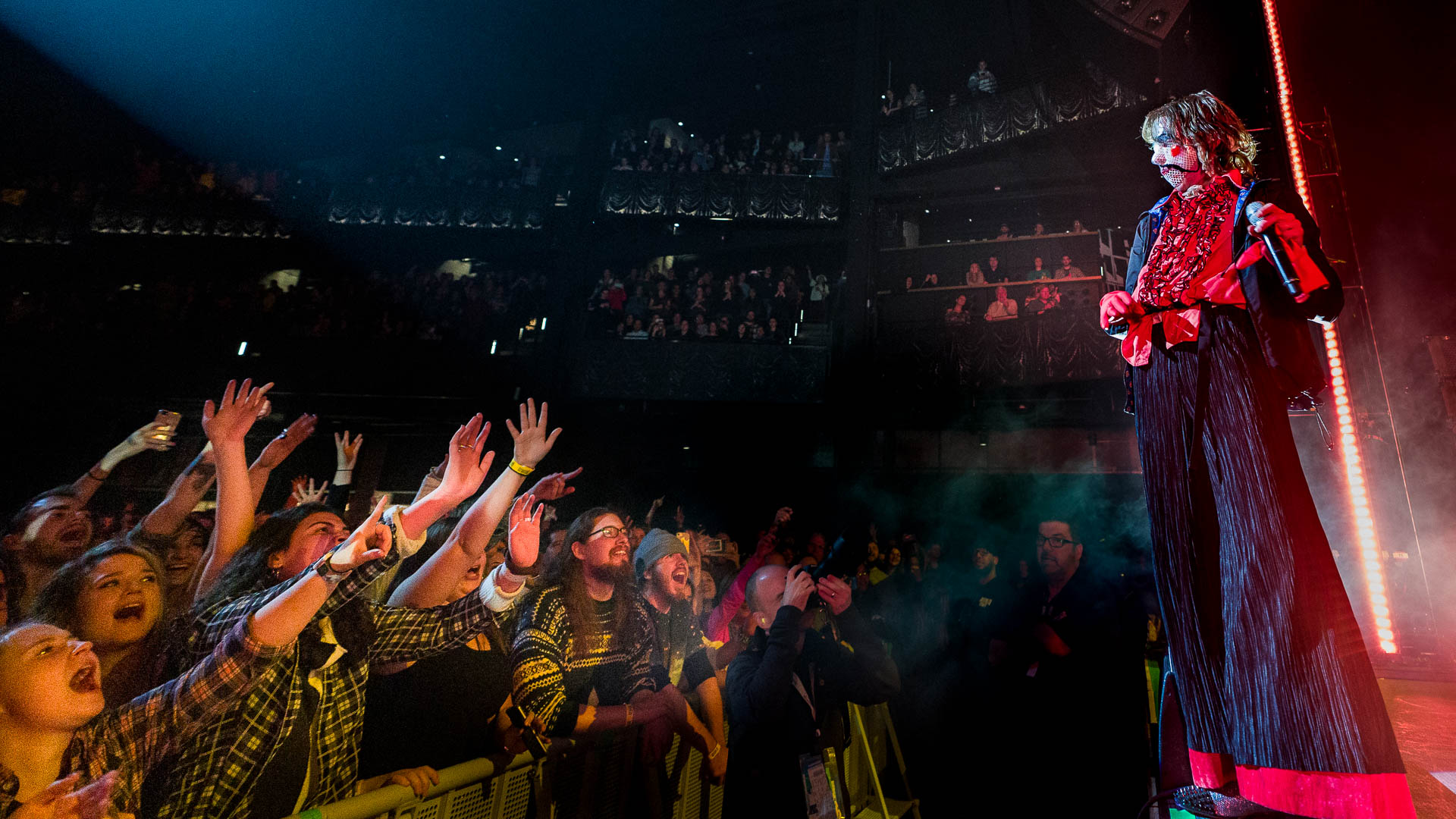
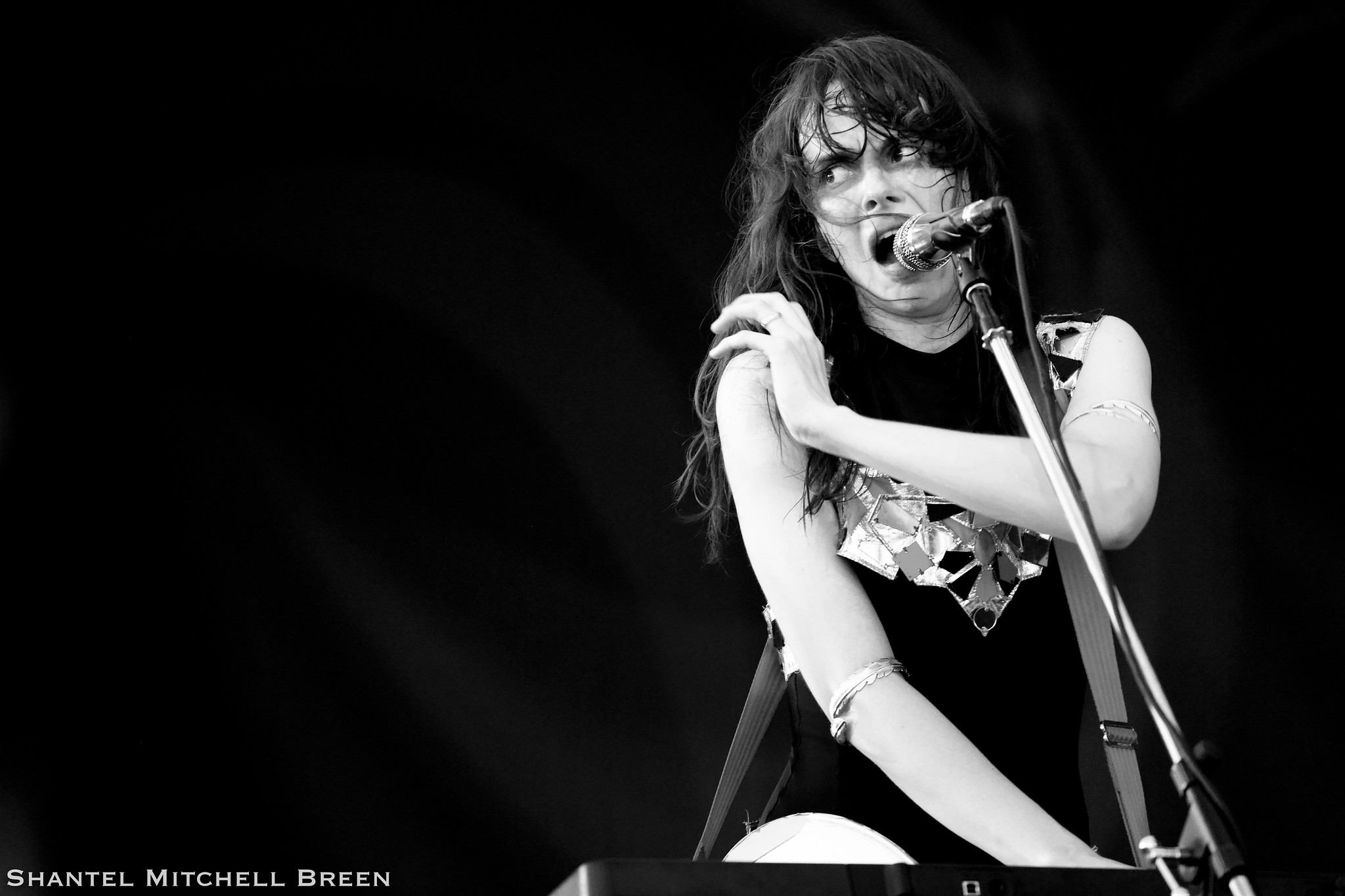
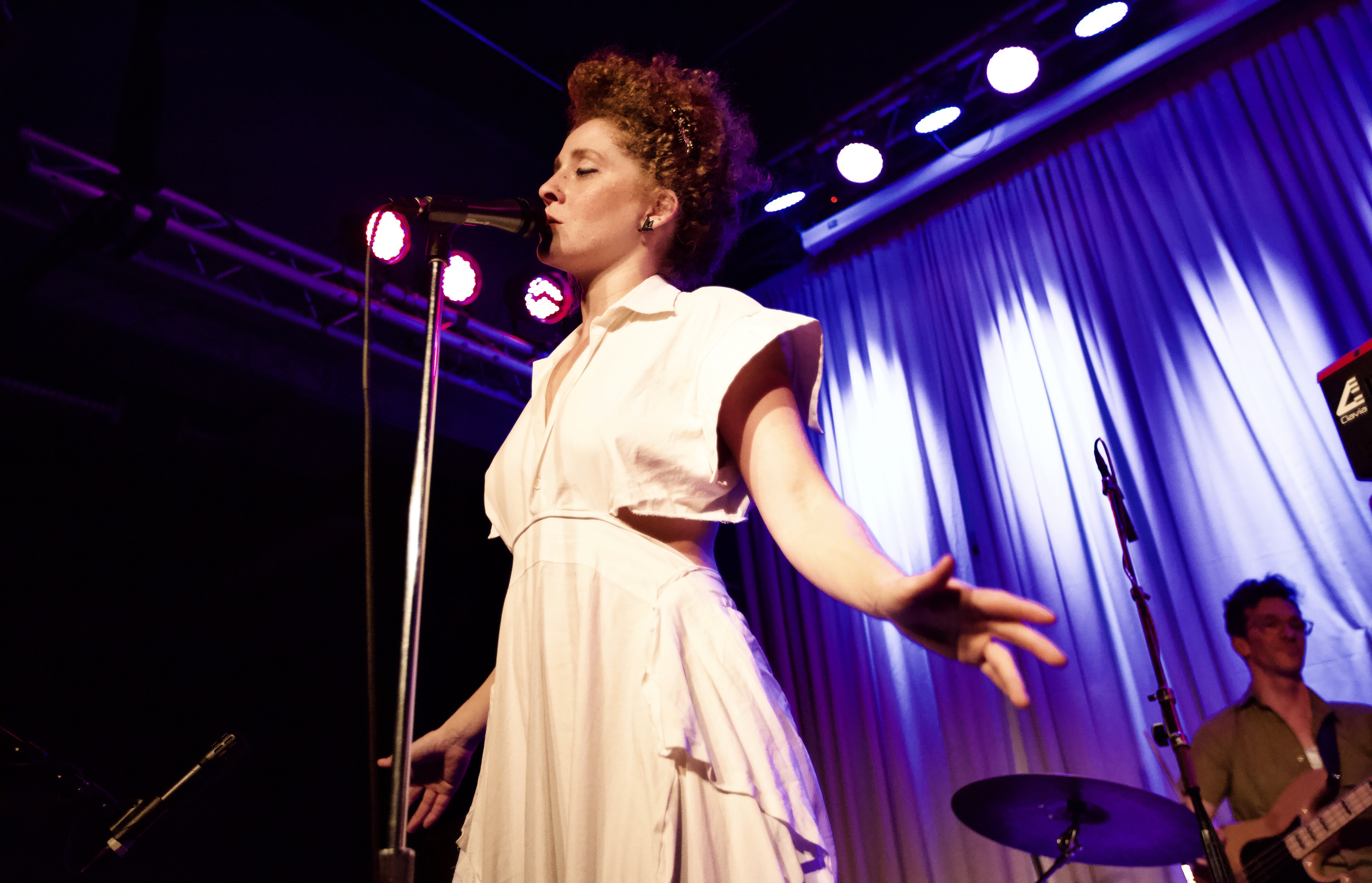
I think I need to get back to the show for a bit. I was in the pit for “Afraid” and “Keep Me in the Dark”, so I sang along to them with a camera in my hand. The former has become (I guess I could call it?) an anthem of some kind of reflective bravery, while the latter has my favorite opening verse of the album. I won’t pretend to know the place Jenn found herself when she wrote these songs, but listening to them makes me more honest with myself.
I made a shelter for your body, but it wasn’t home for you.
If I dance just for the thrill of it / Will the future look kindly on me? / I’ve spent too many years with their voice on my tongue / Staring back at the habit while it’s staring at me
I did not enter this world afraid / and I refuse to leave it that way
I’ve said all of the things that I needed to say / But I’m leaving the meaning behind / So I’m dying trying, but I’m getting it wrong / All the meaning of living and thе purpose of song / But I never wantеd to hurt anyone
By the end of the night, they’d played every song on the album, and I think the songs changed a little for me. Something shifts when a song escapes its recording, when the neat chamber of the studio dissolves into the open air of a stage. The Greeks believed in a kind of soul-breath that animated all things, and I sometimes think performance is where you can feel that breath most clearly, where meaning lives in the exhalations and inhalations shared between artist and audience. We tend to imagine music as a fixed arrangement, as though its meaning is a stable fact, rather than something that meets us at the shifting coordinates of self. But a concert reveals music’s truest nature, in that is a thing relational, alive, and always subject to the unpredictable alchemy between artist, listener, and the night itself. A song heard live is not the same artifact as before because it is suddenly a living thing. The river of melody is never the same river twice even if it’s in the same place.
And so, listening is a perpetual act of reconstruction. Once we’ve experienced a song rising around us, felt its vibrations in the sternum instead of the mind, the circuitry of being rewires, however subtly.
I am not who I was before I walked into the Atlantis on Tuesday night. Isn’t that a terrifying and lovely truth?
Don’t miss Flock of Dimes as they wrap up their tour current tour in December.
The setlist included:
Afraid
Keep Me in the Dark
Defeat
Long After Midnight
Close to Home
The Enemy
Not Yet Free
Pride
Theo
Instead of Calling
River in My Arms
Price of Blue
Awake for the Sunrise
Two
Everything Is Happening Today
Encore:
I Think I’m God
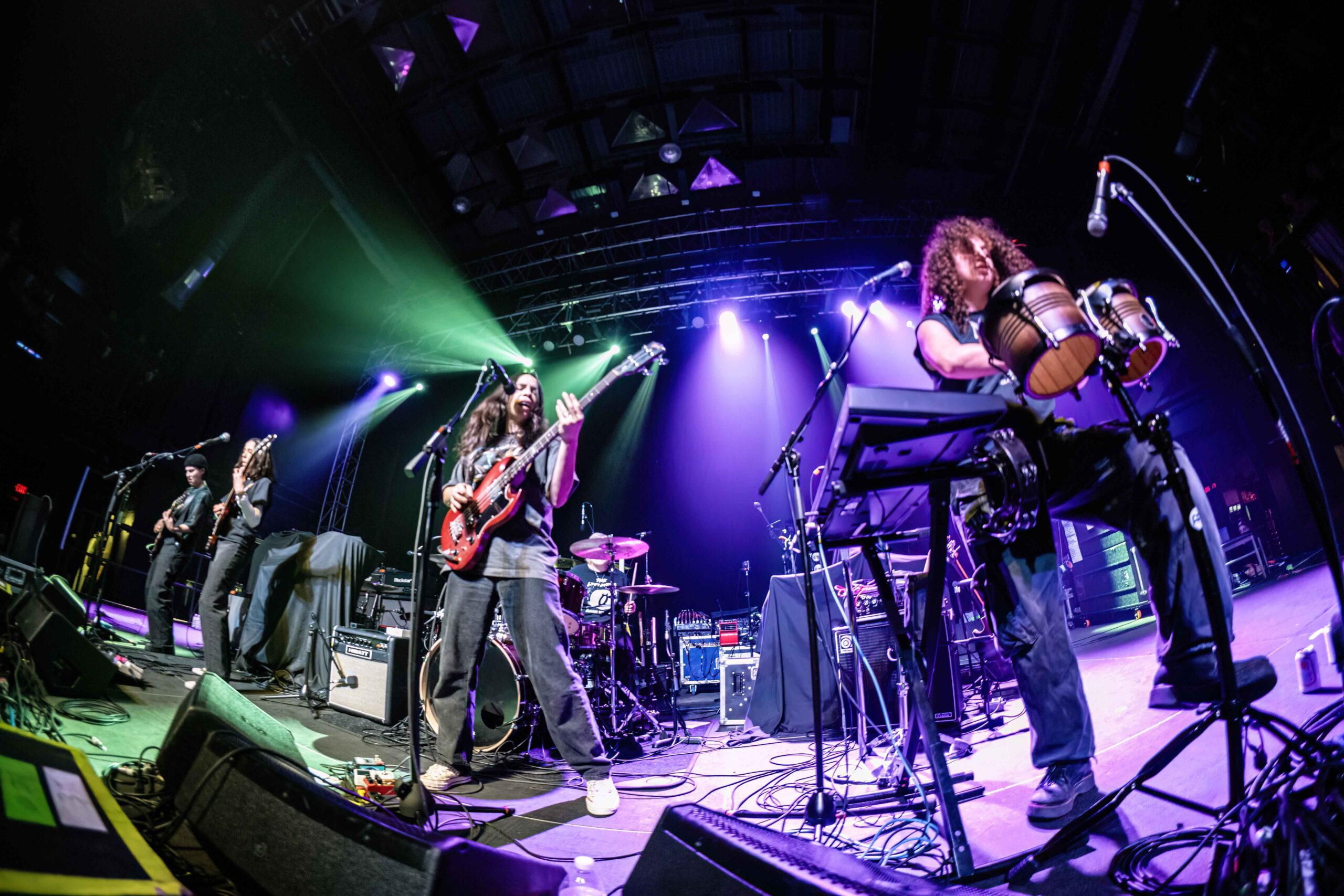
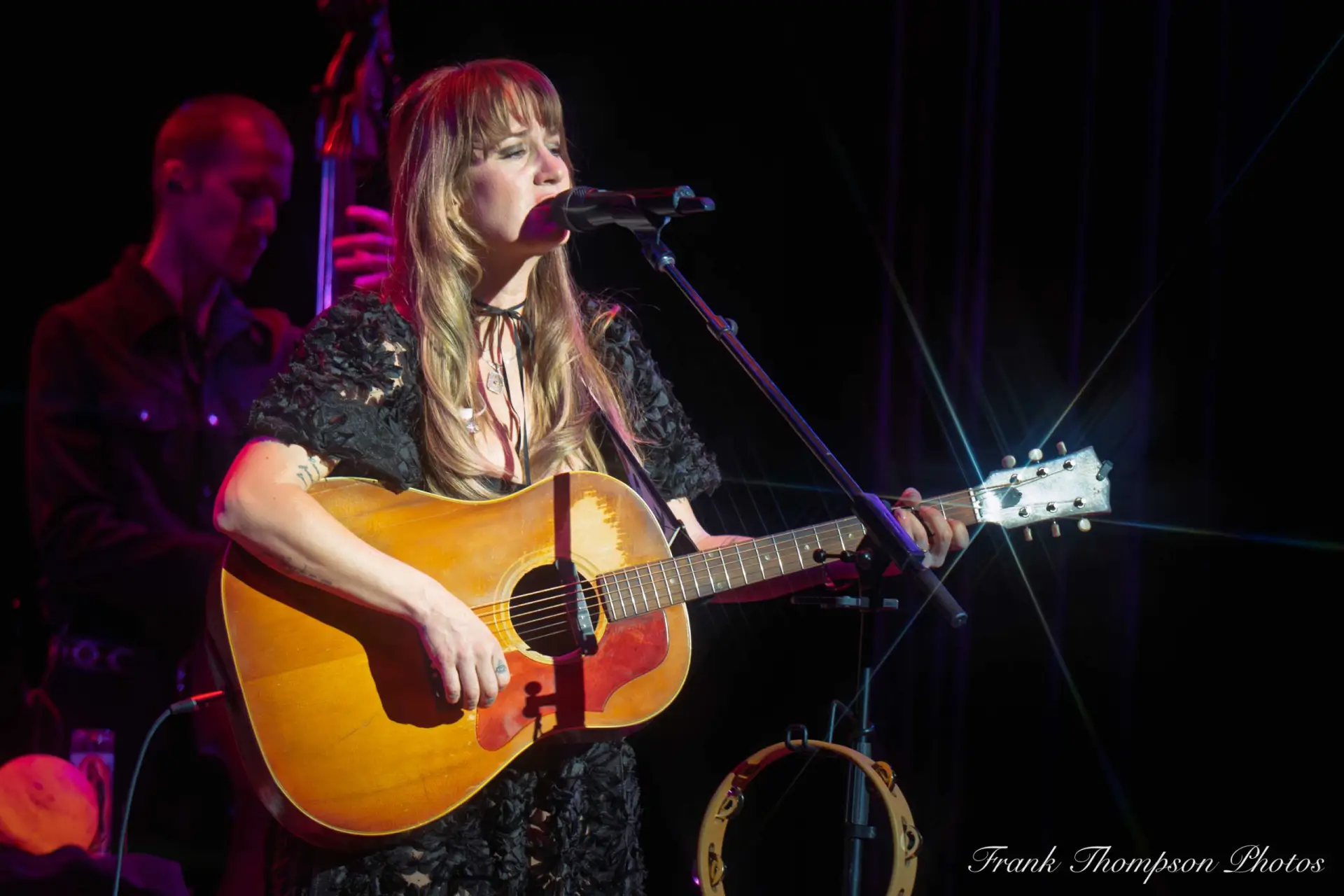
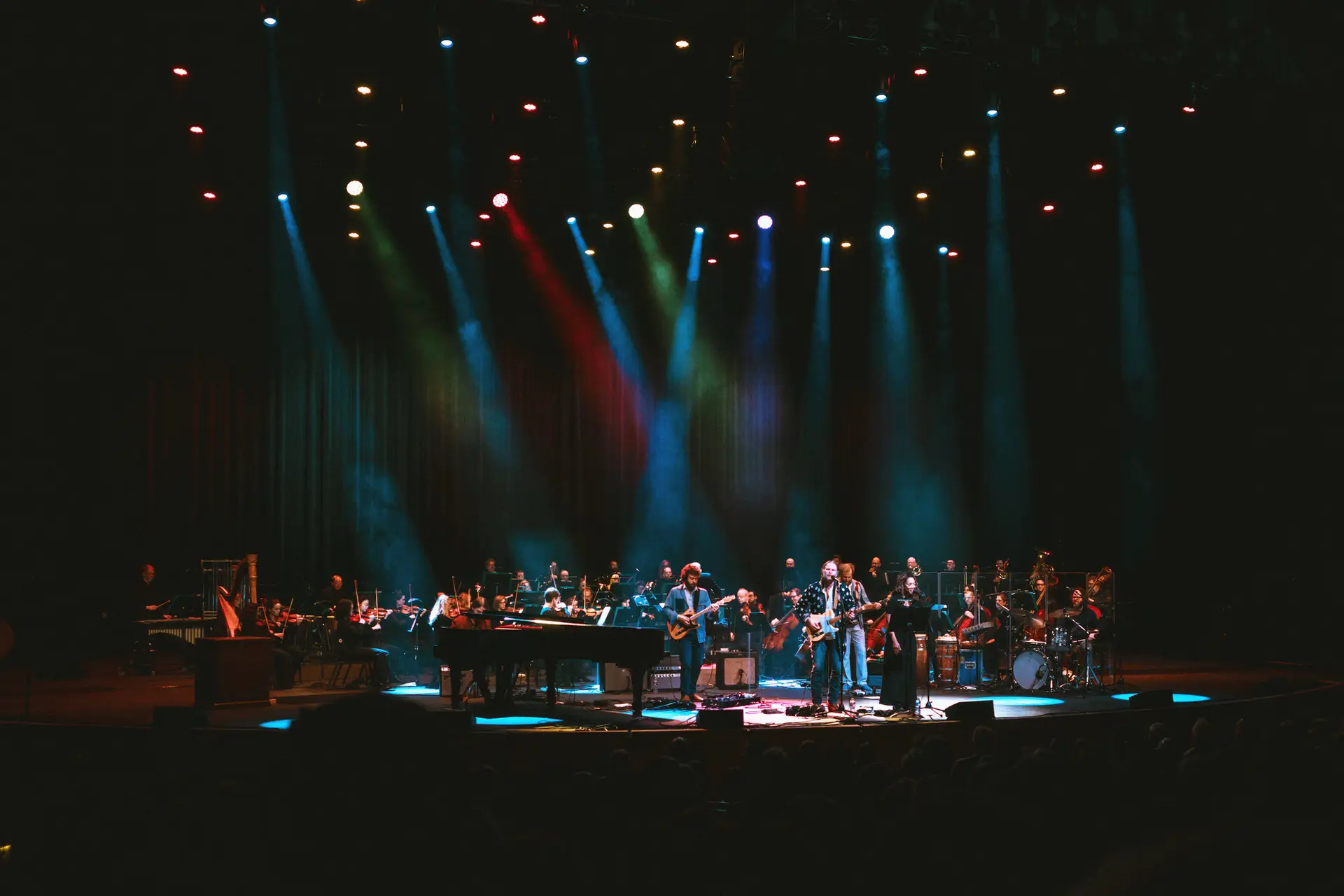
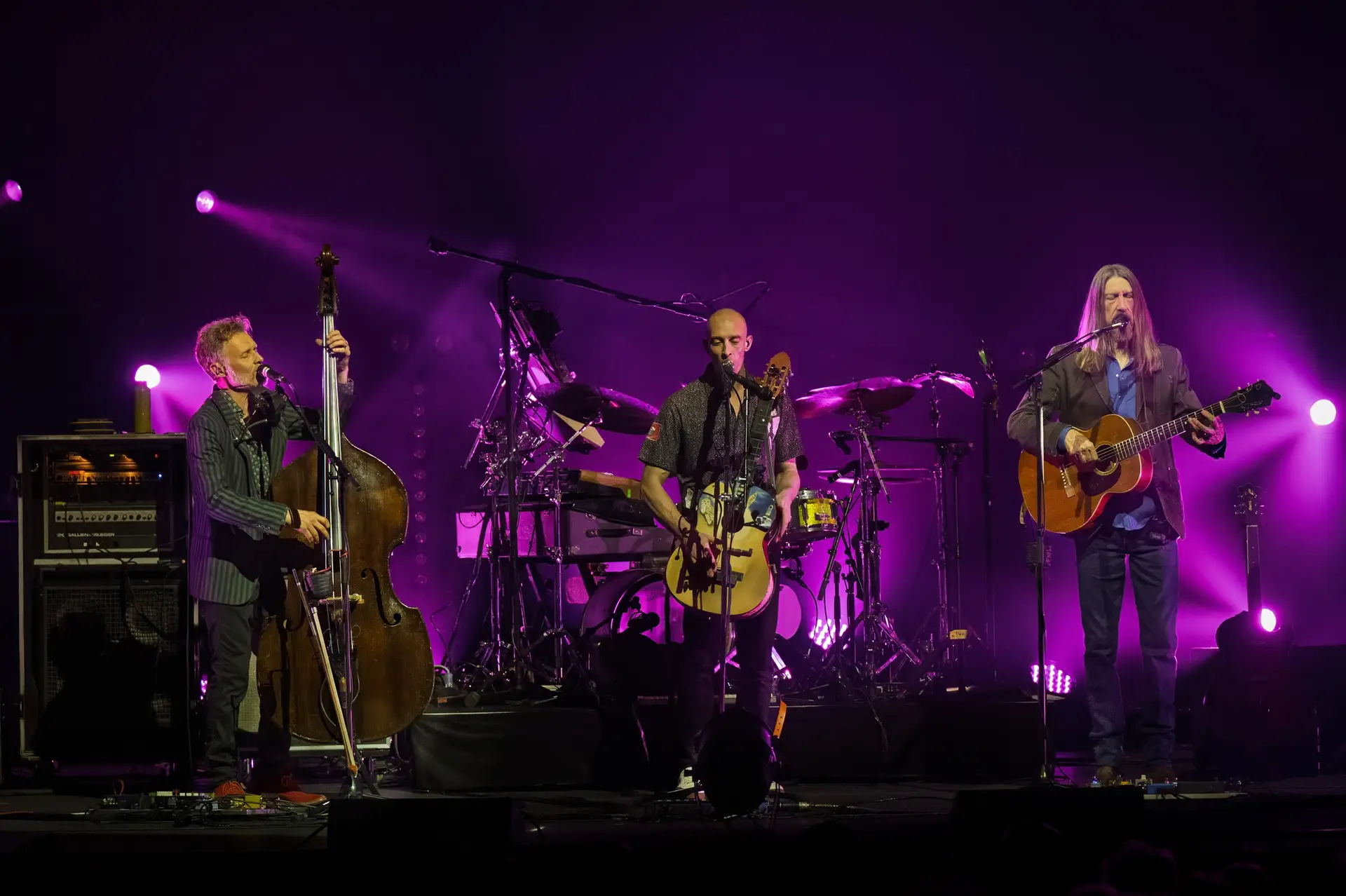
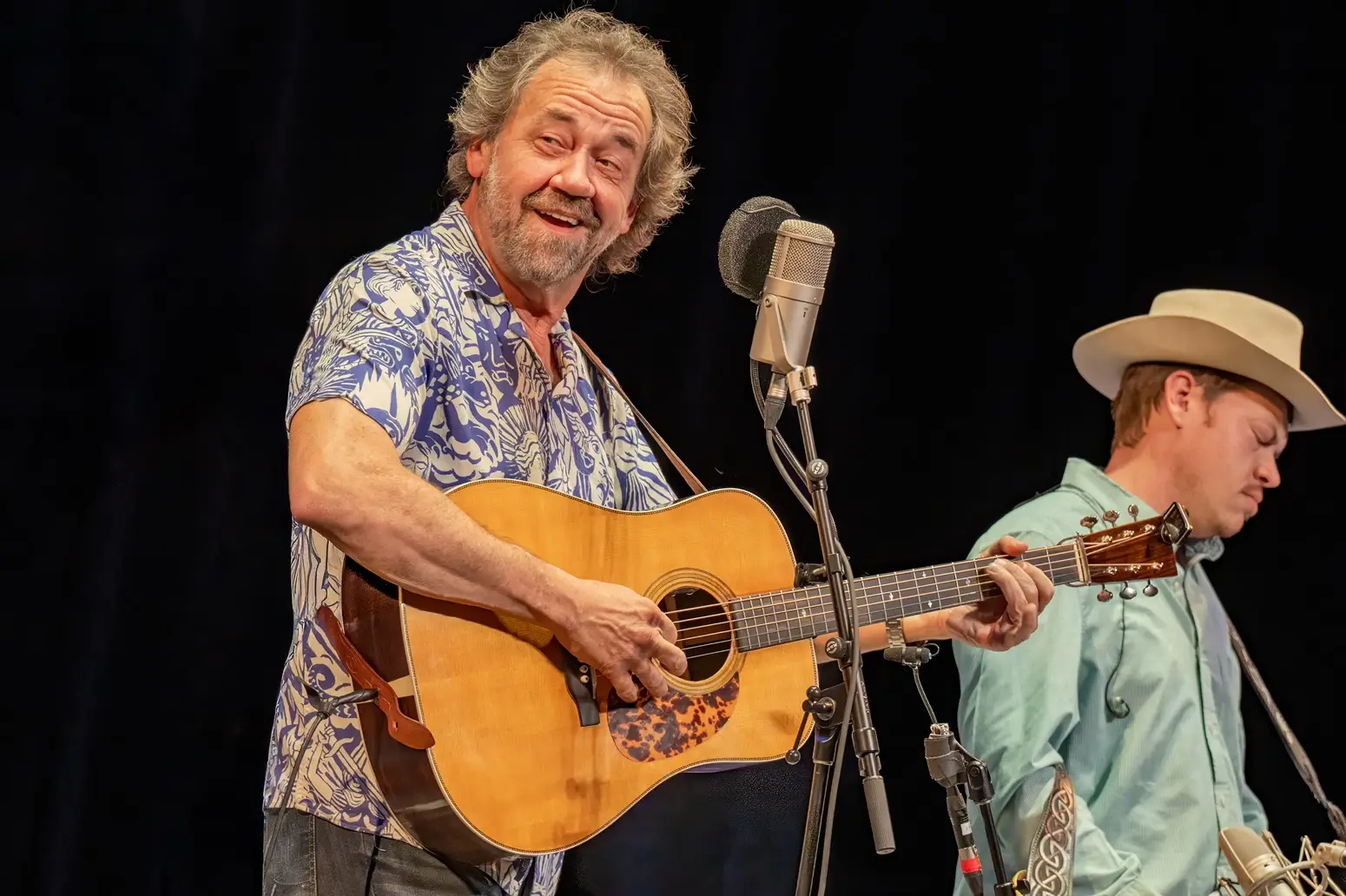
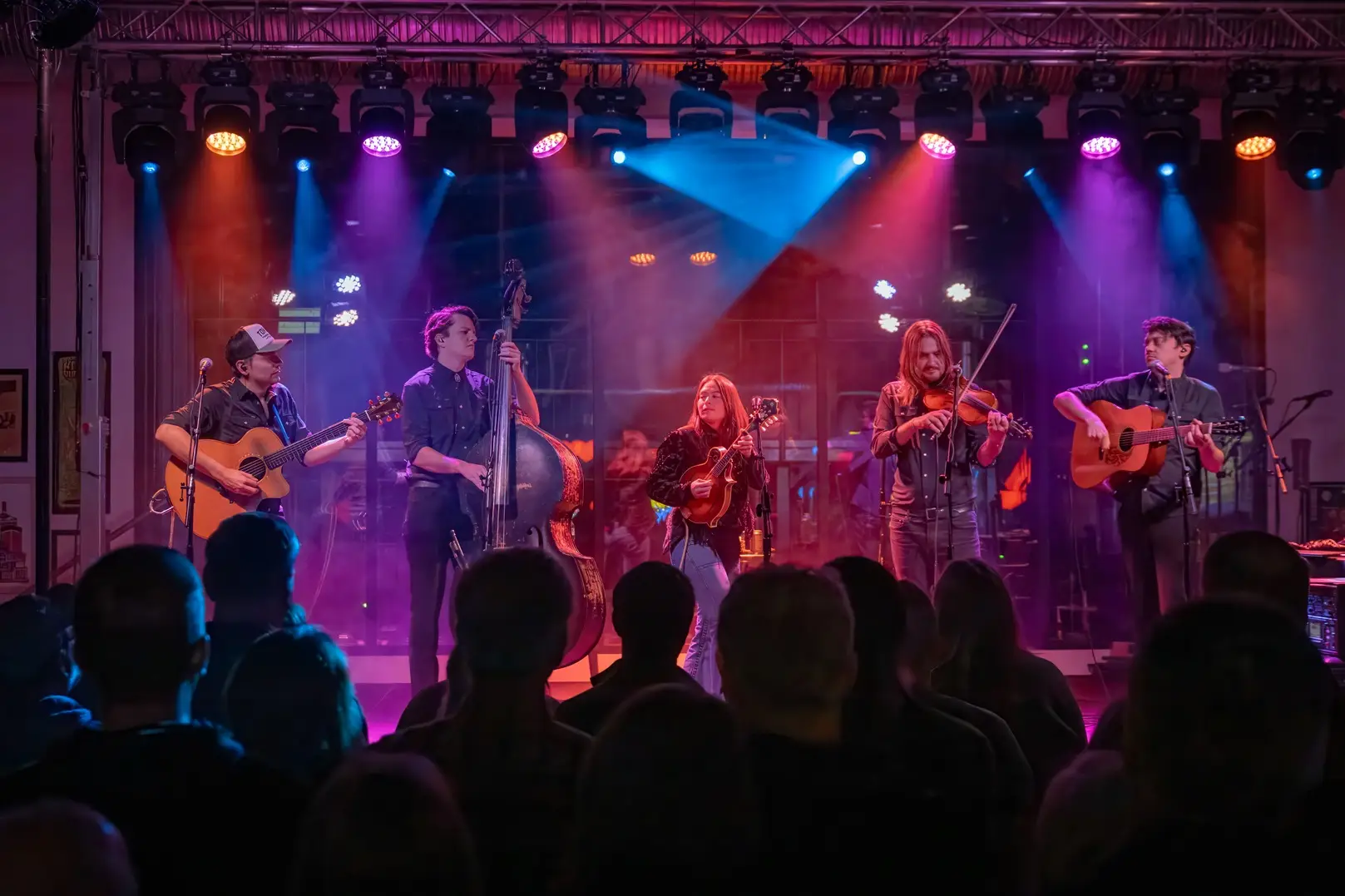
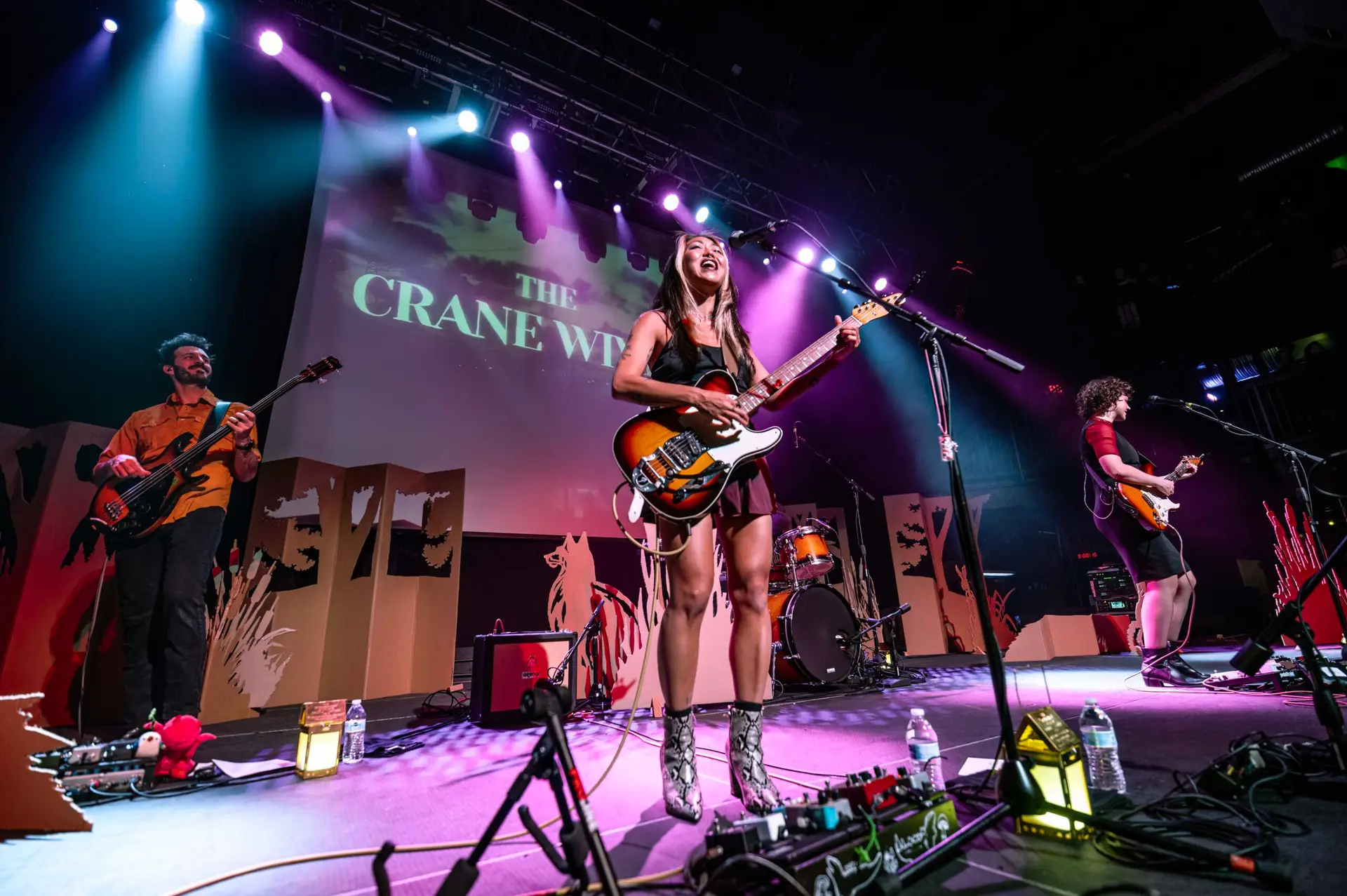
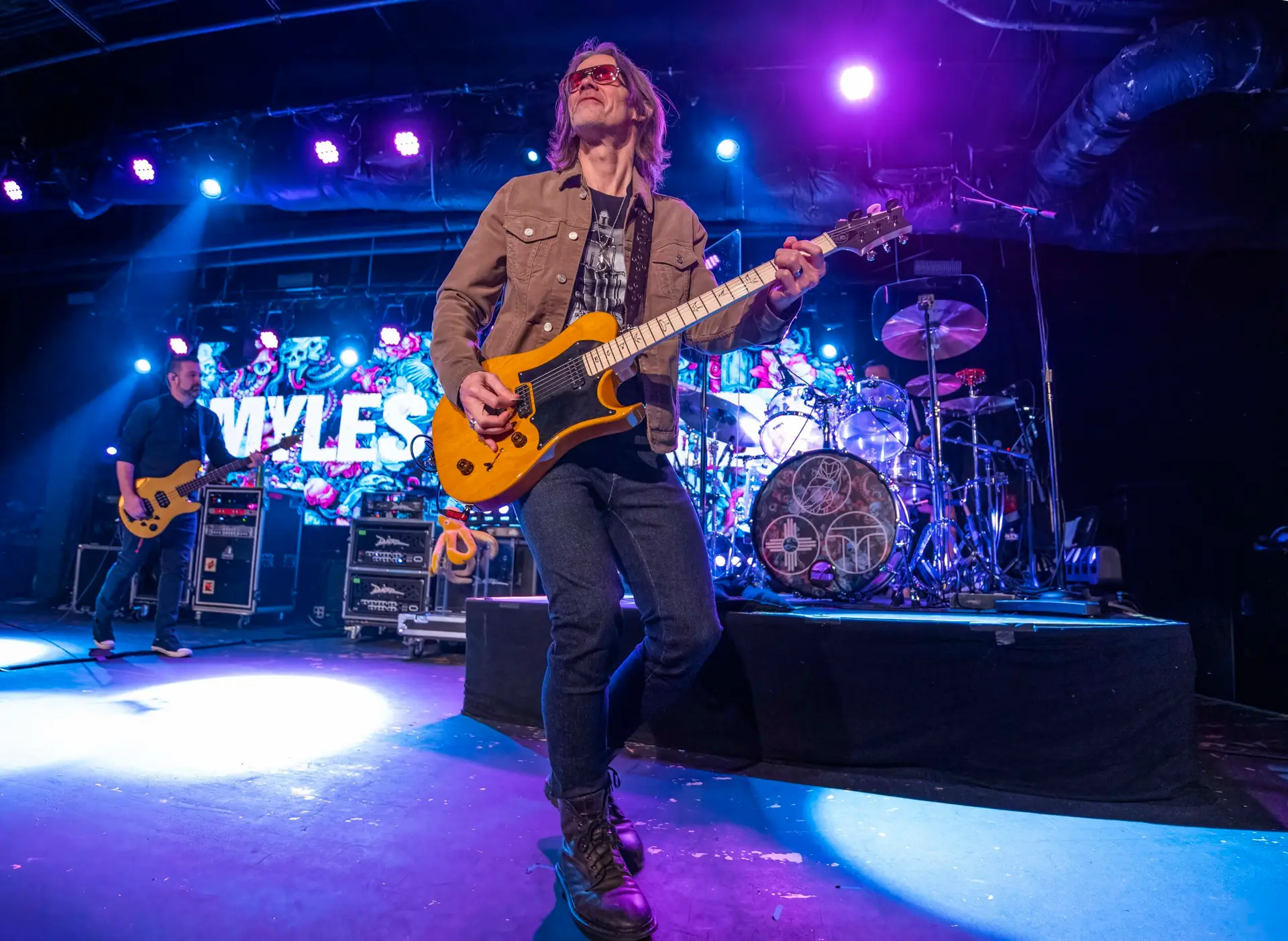
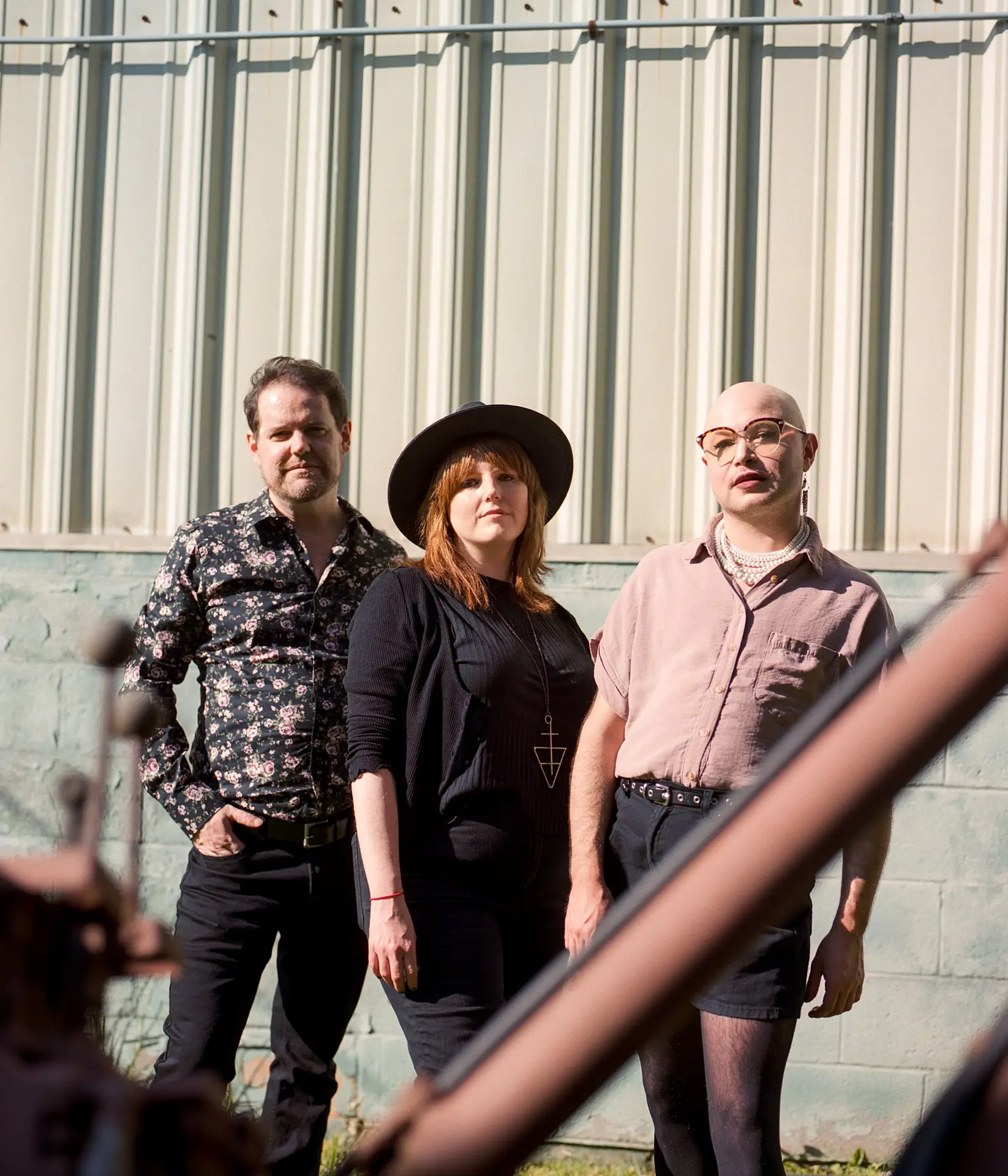
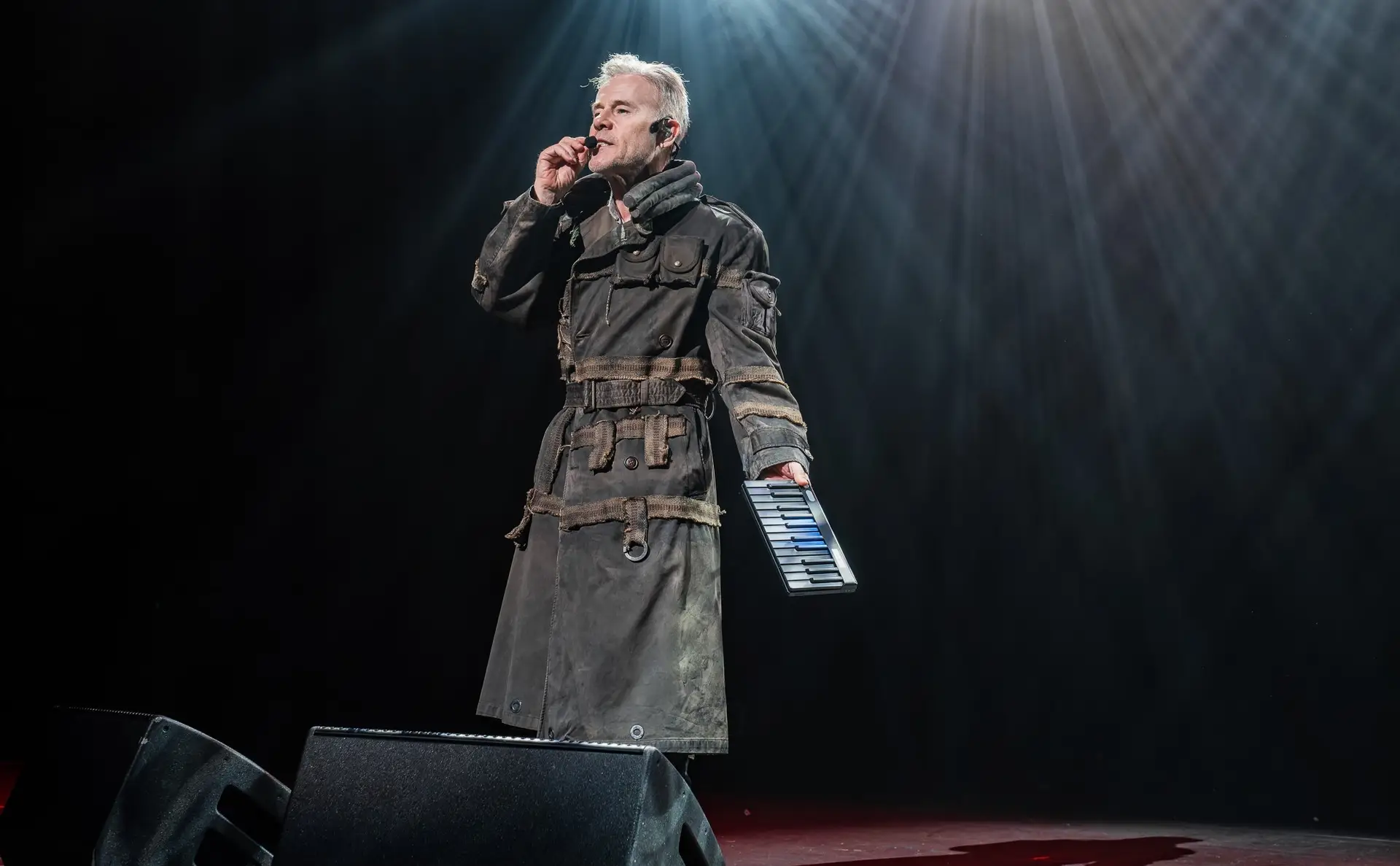
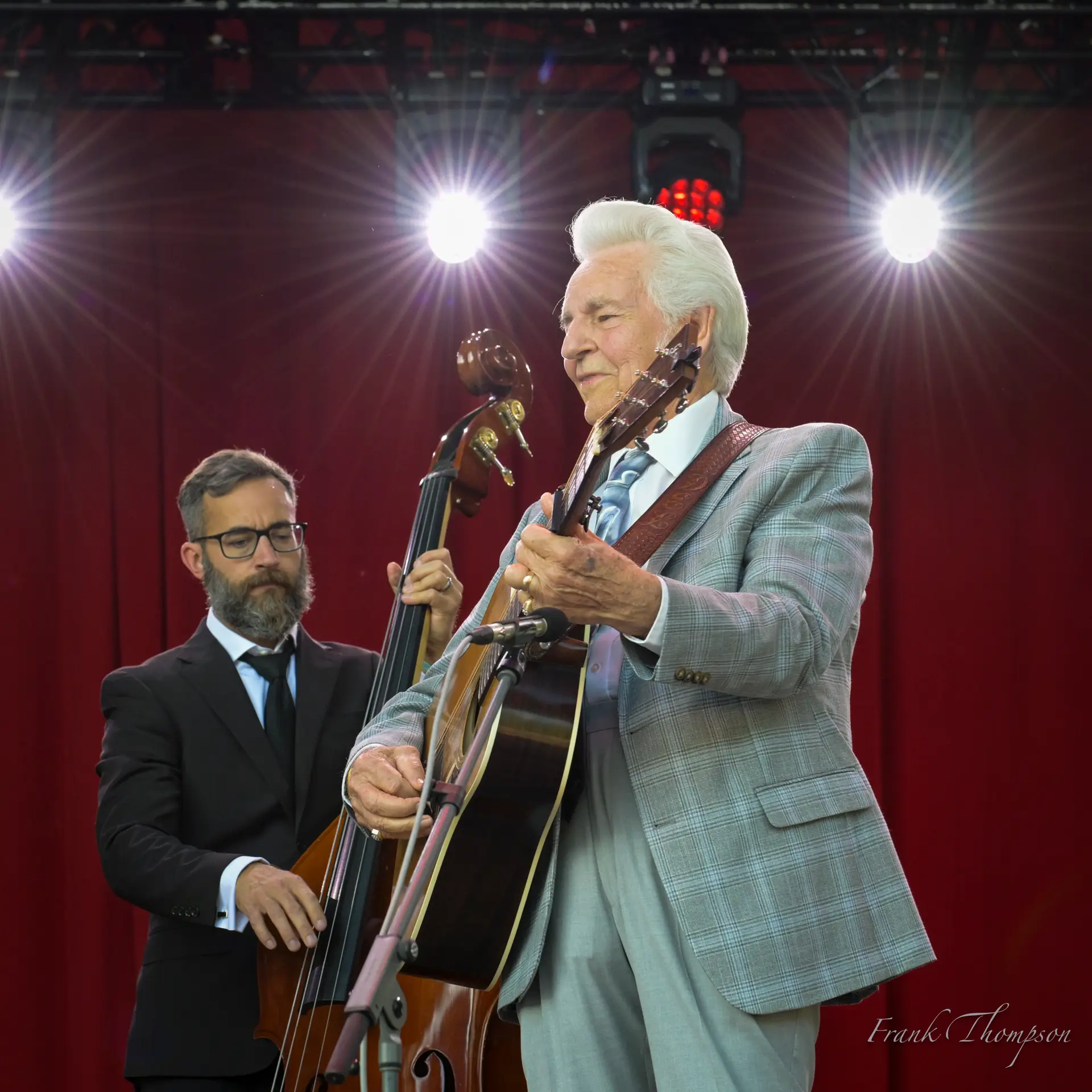
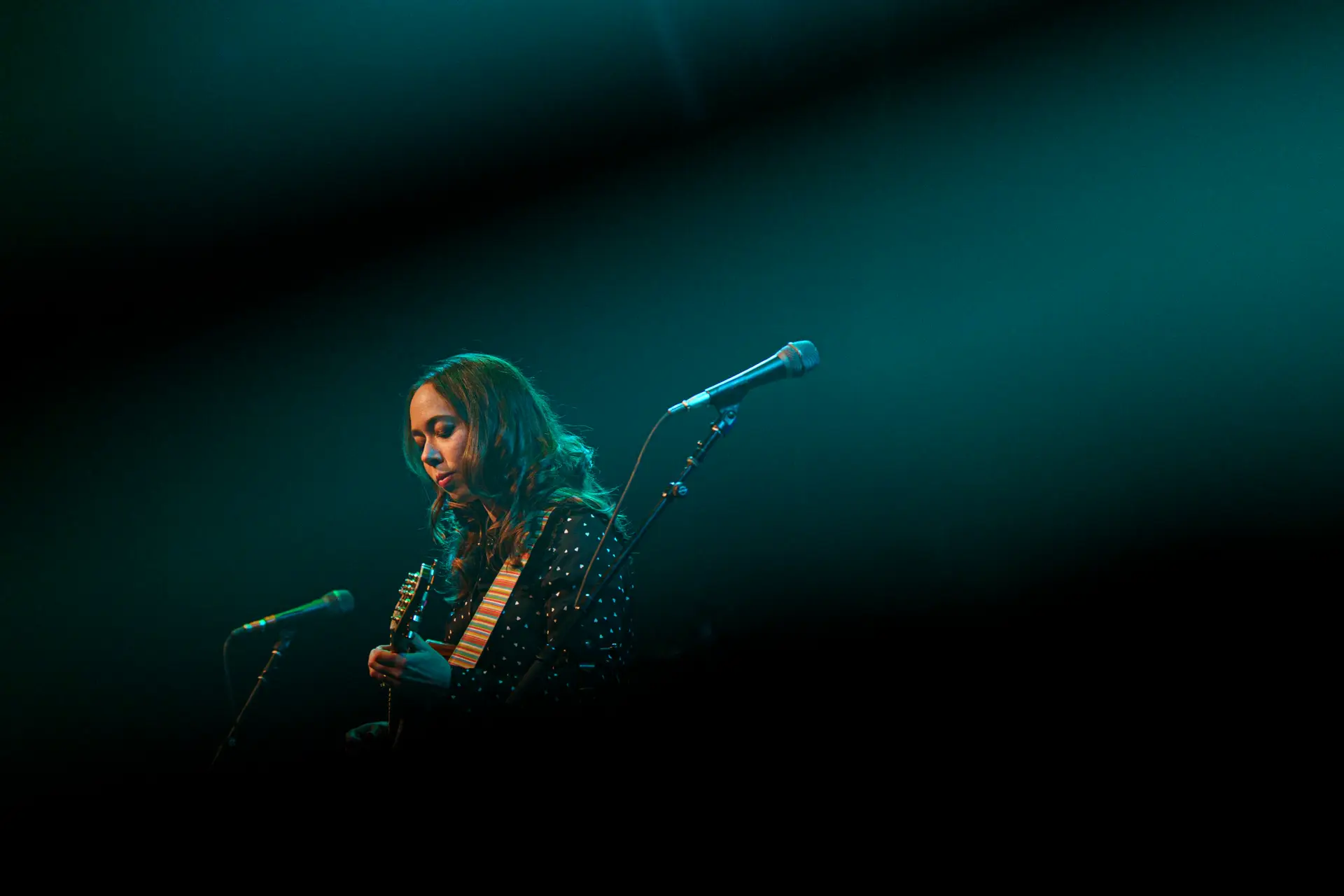
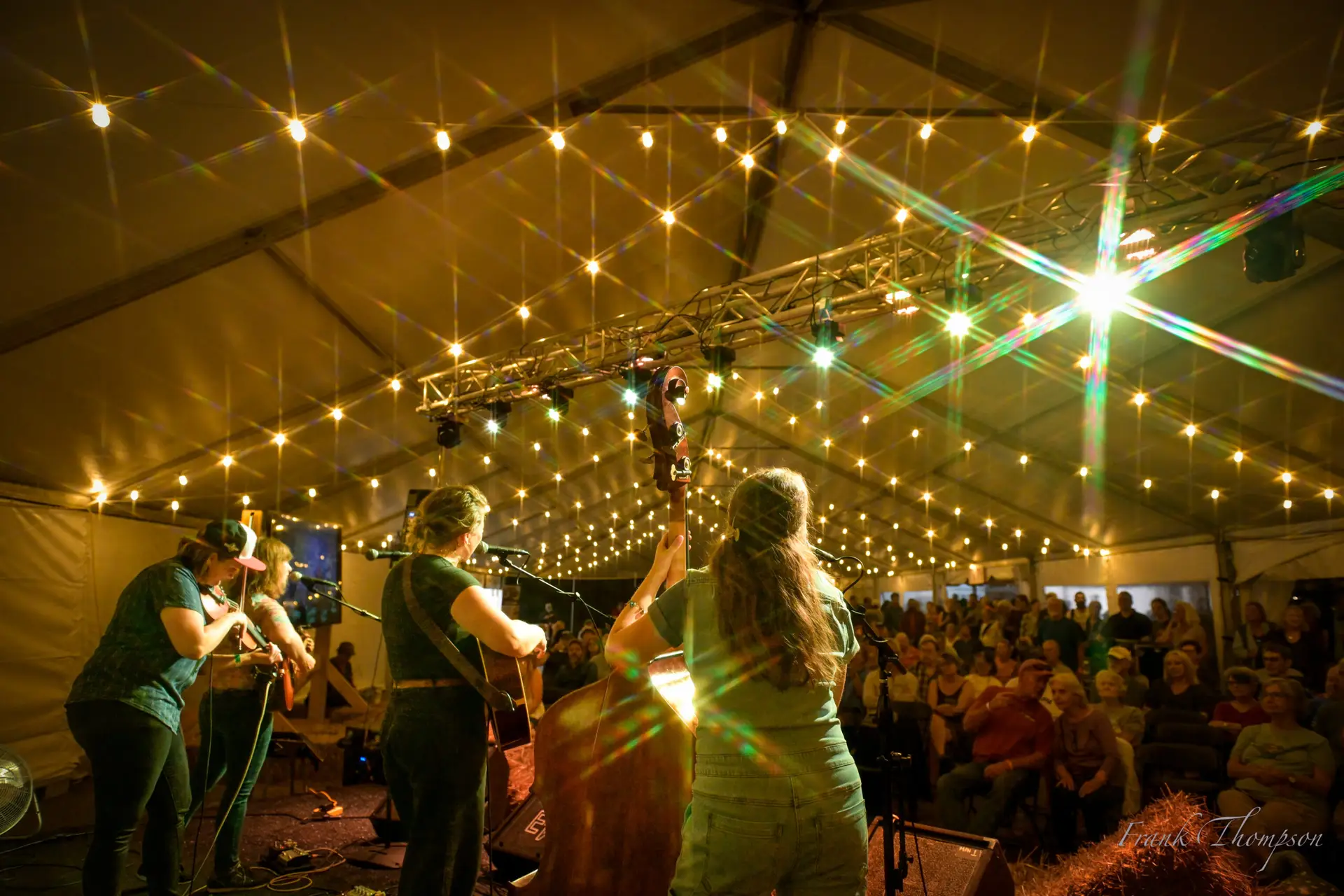
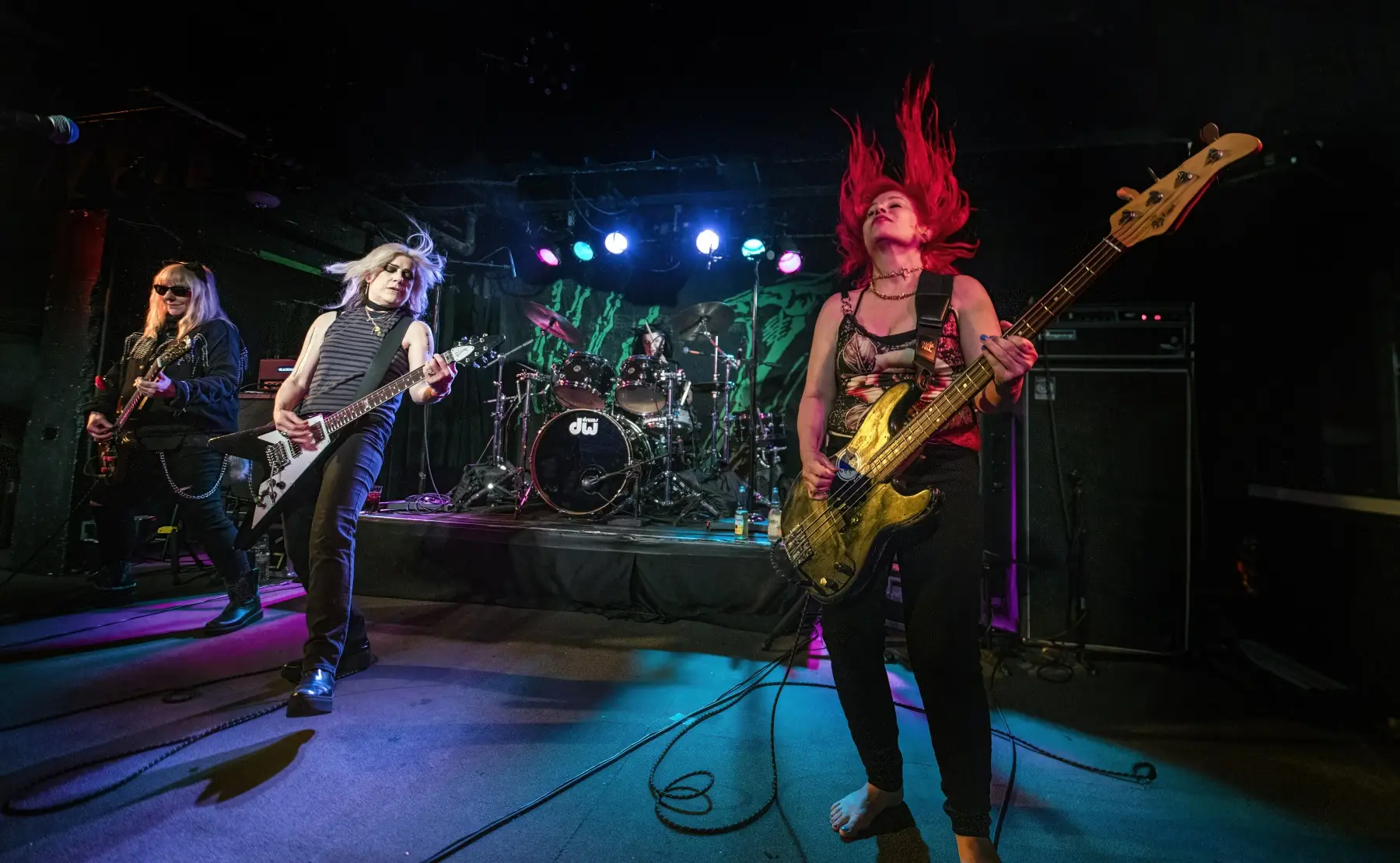
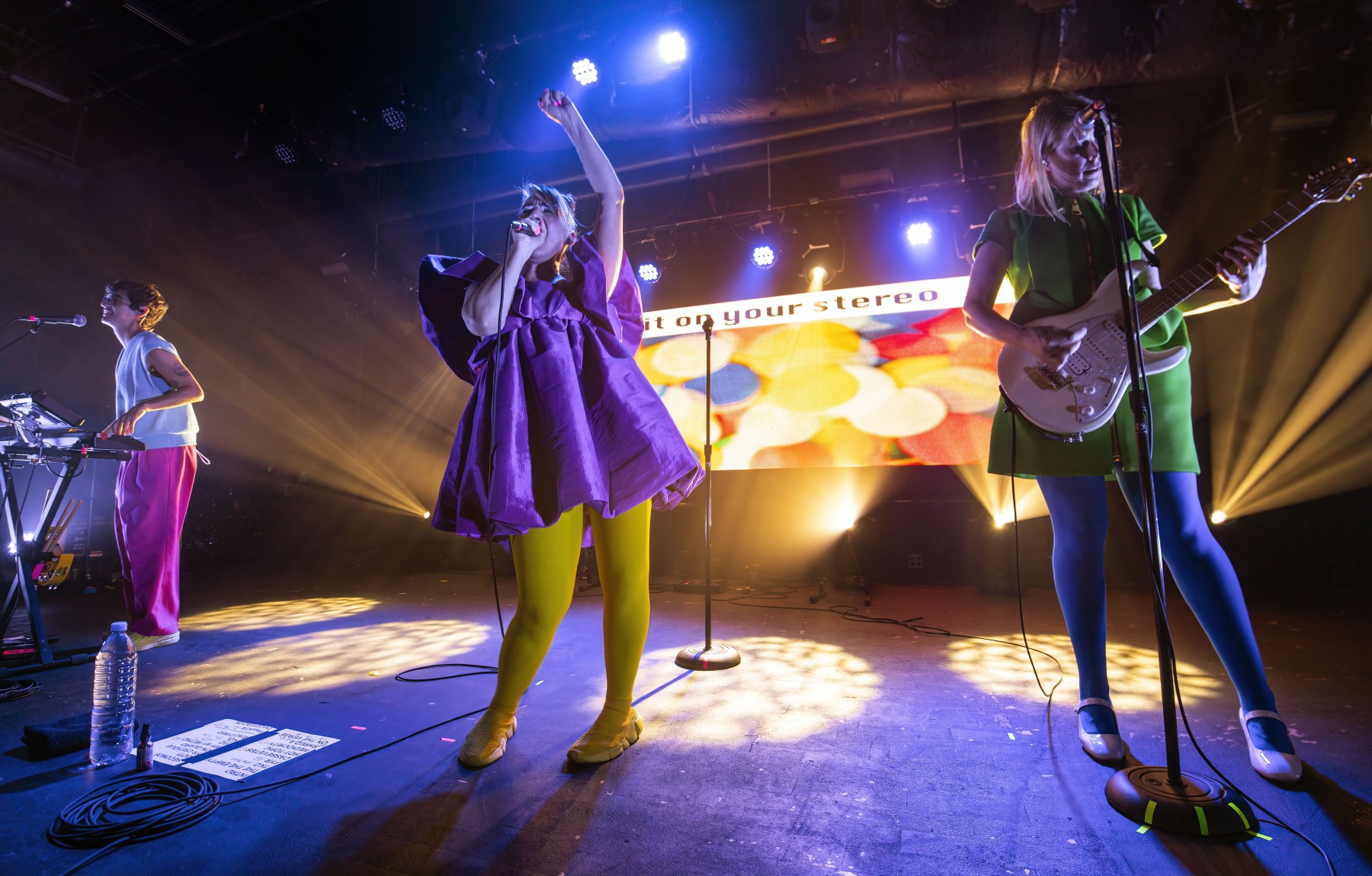
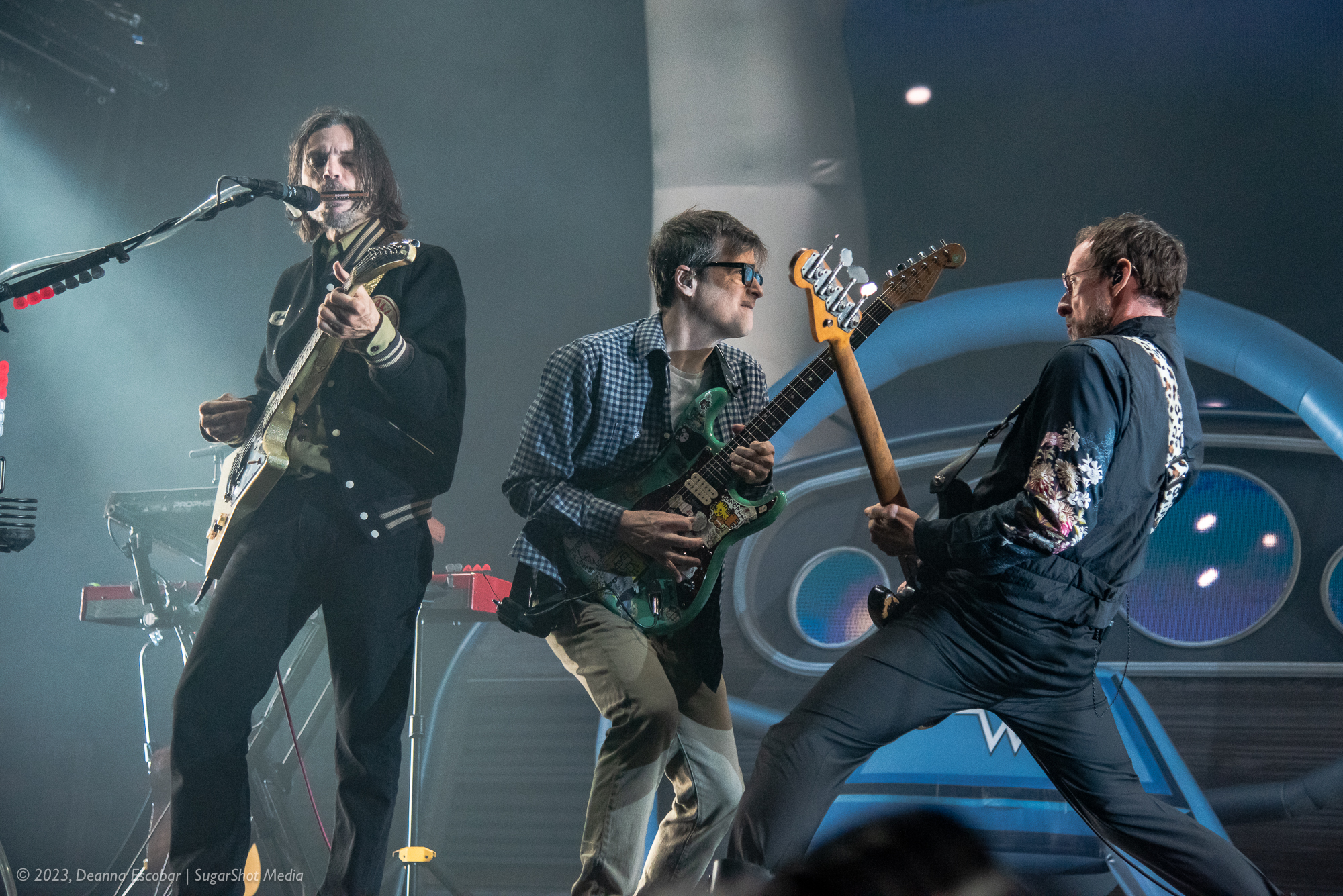
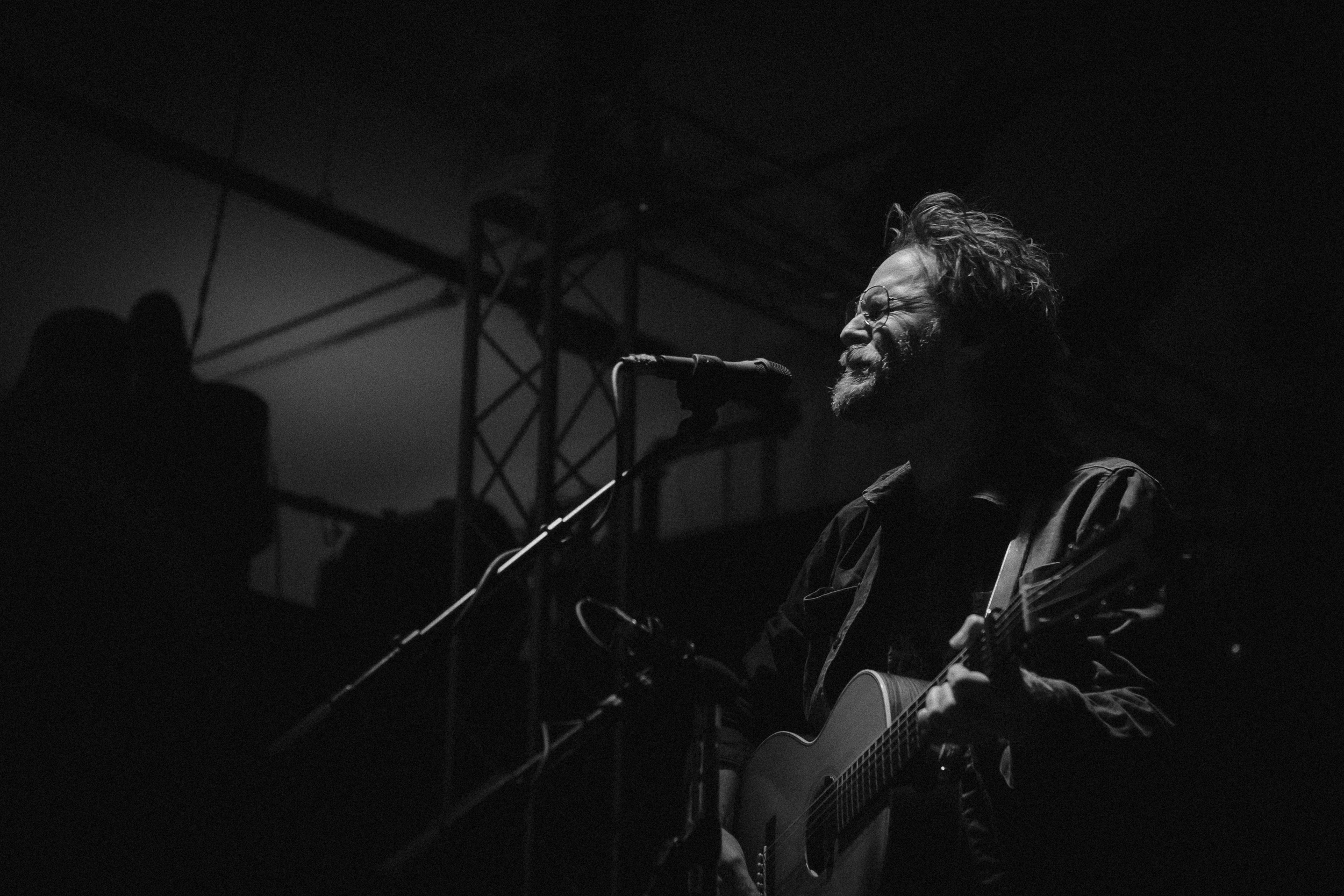
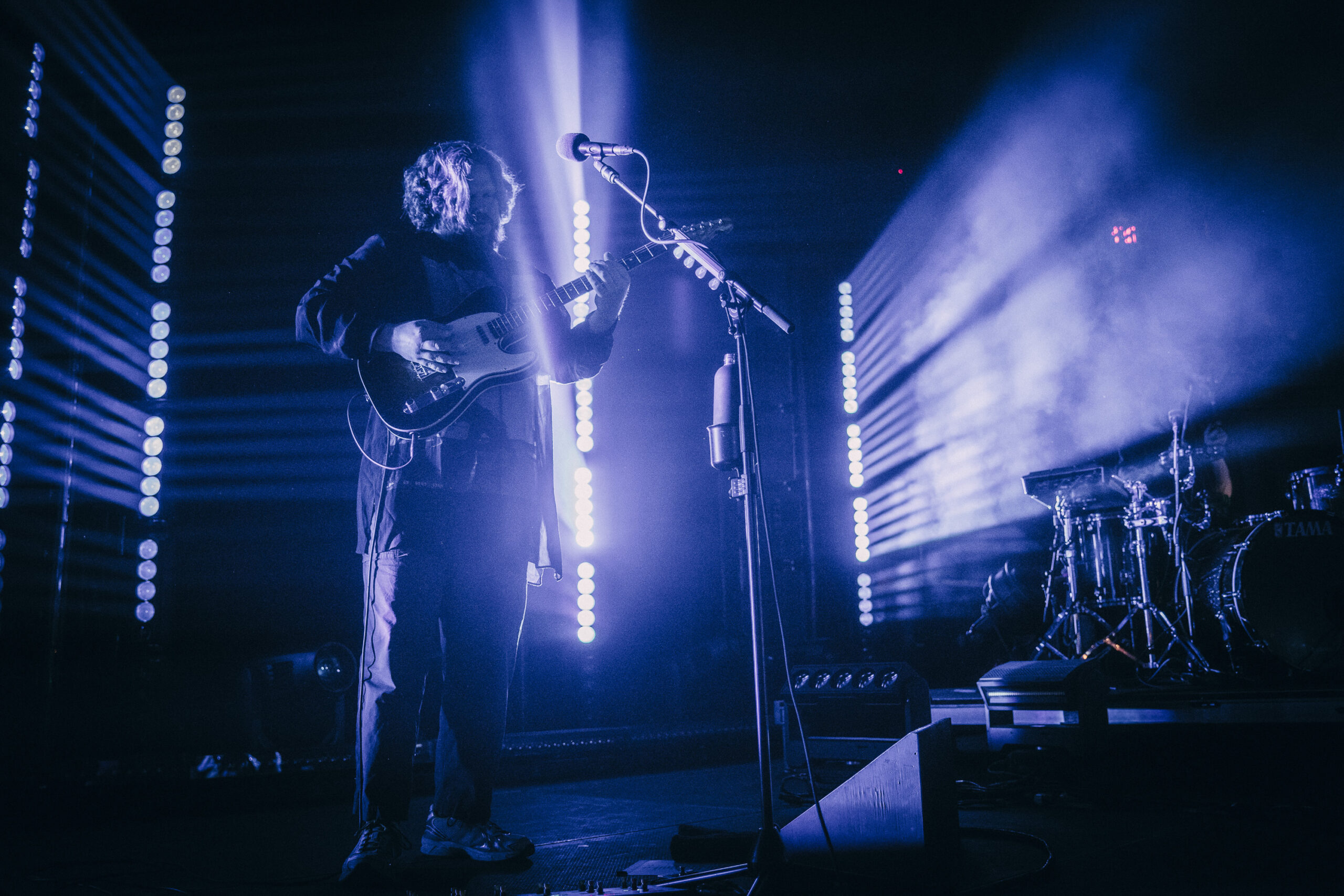
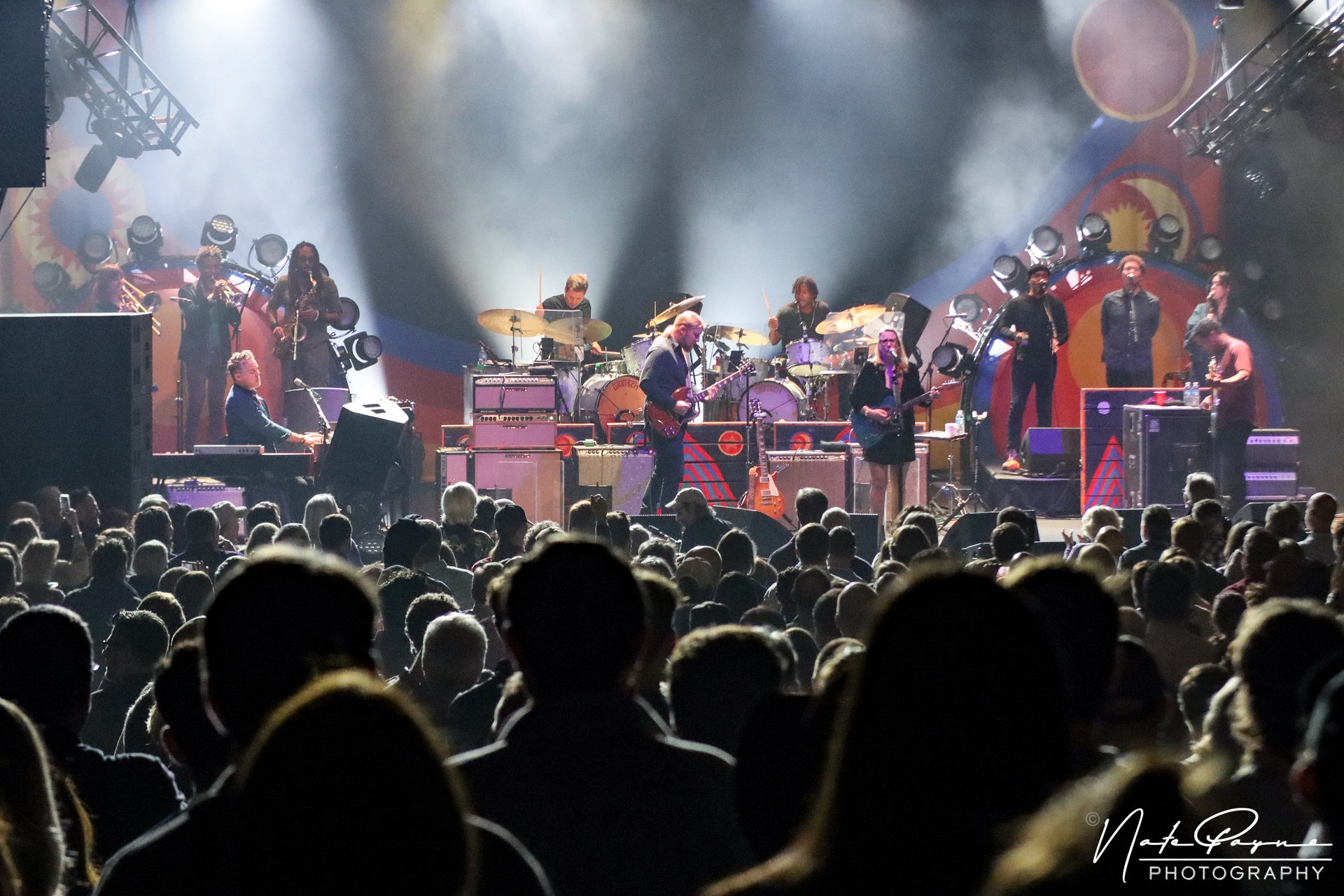
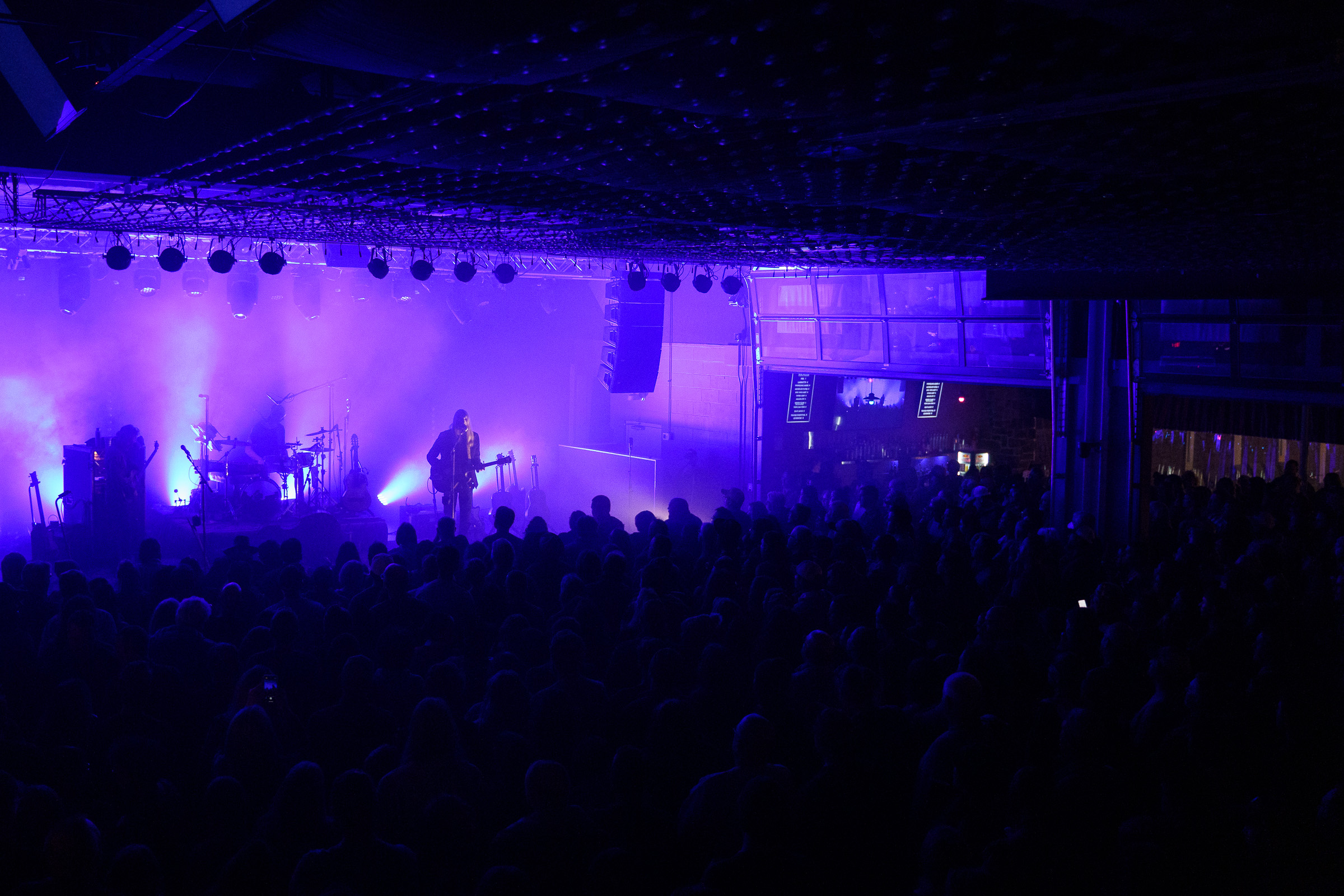
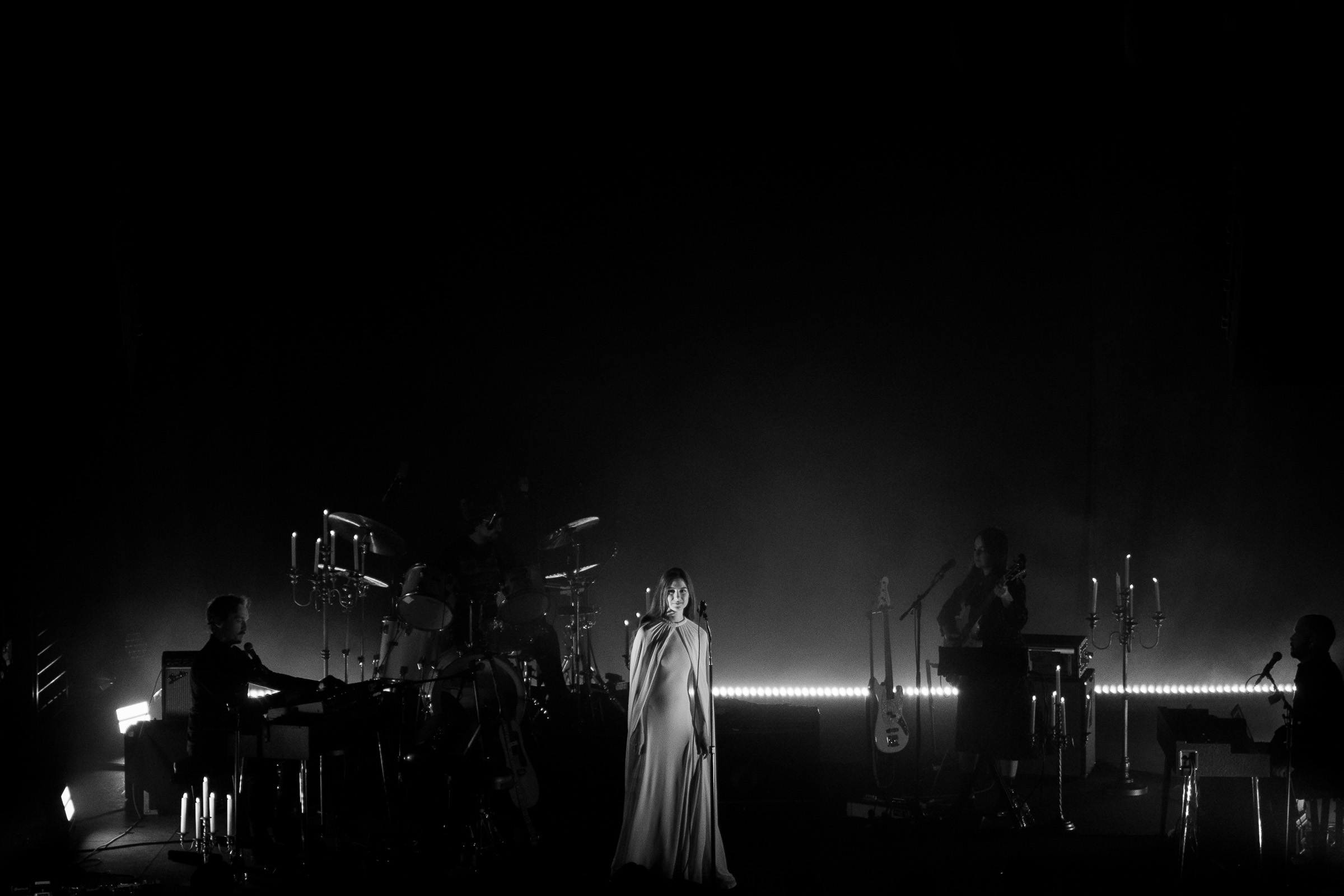
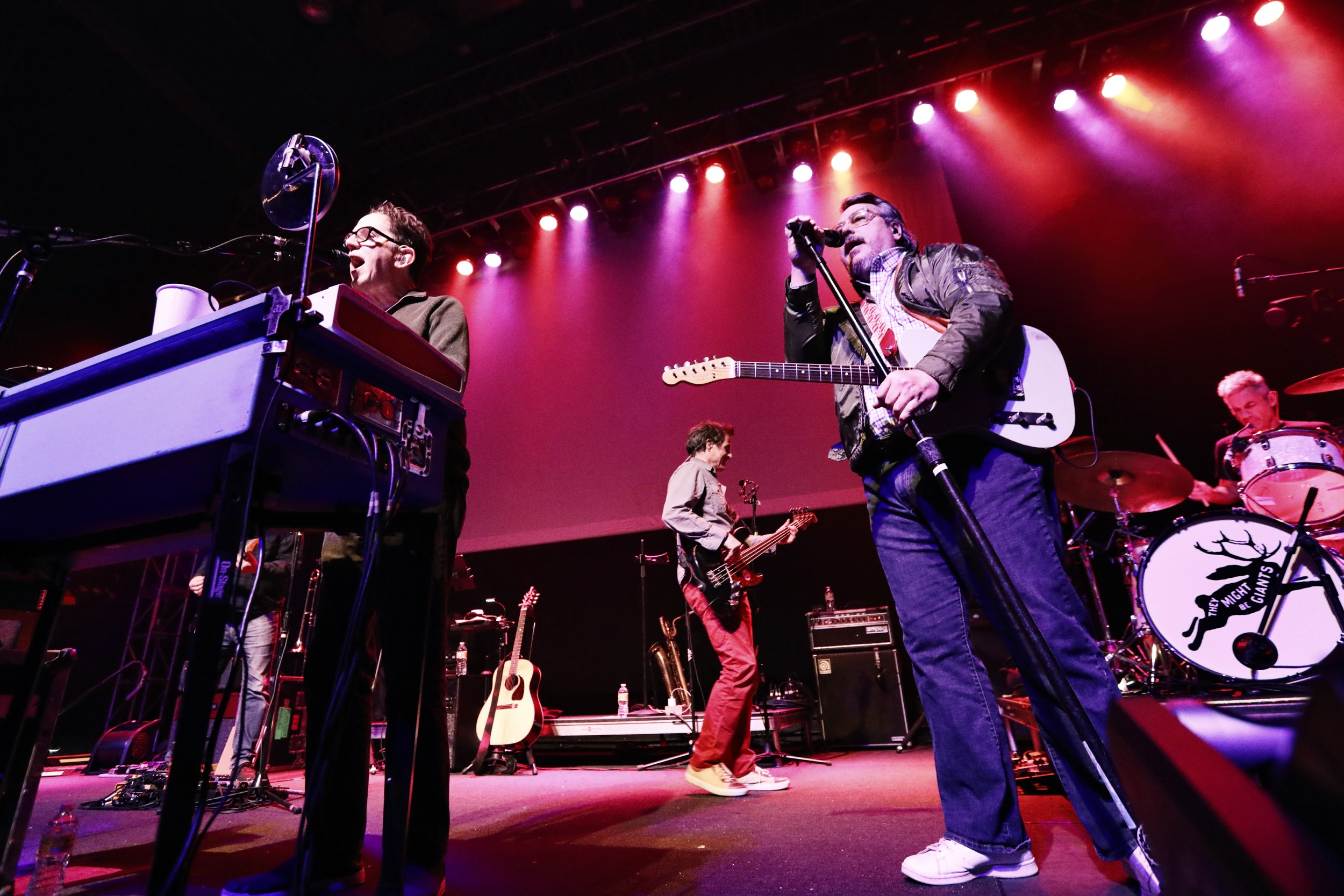
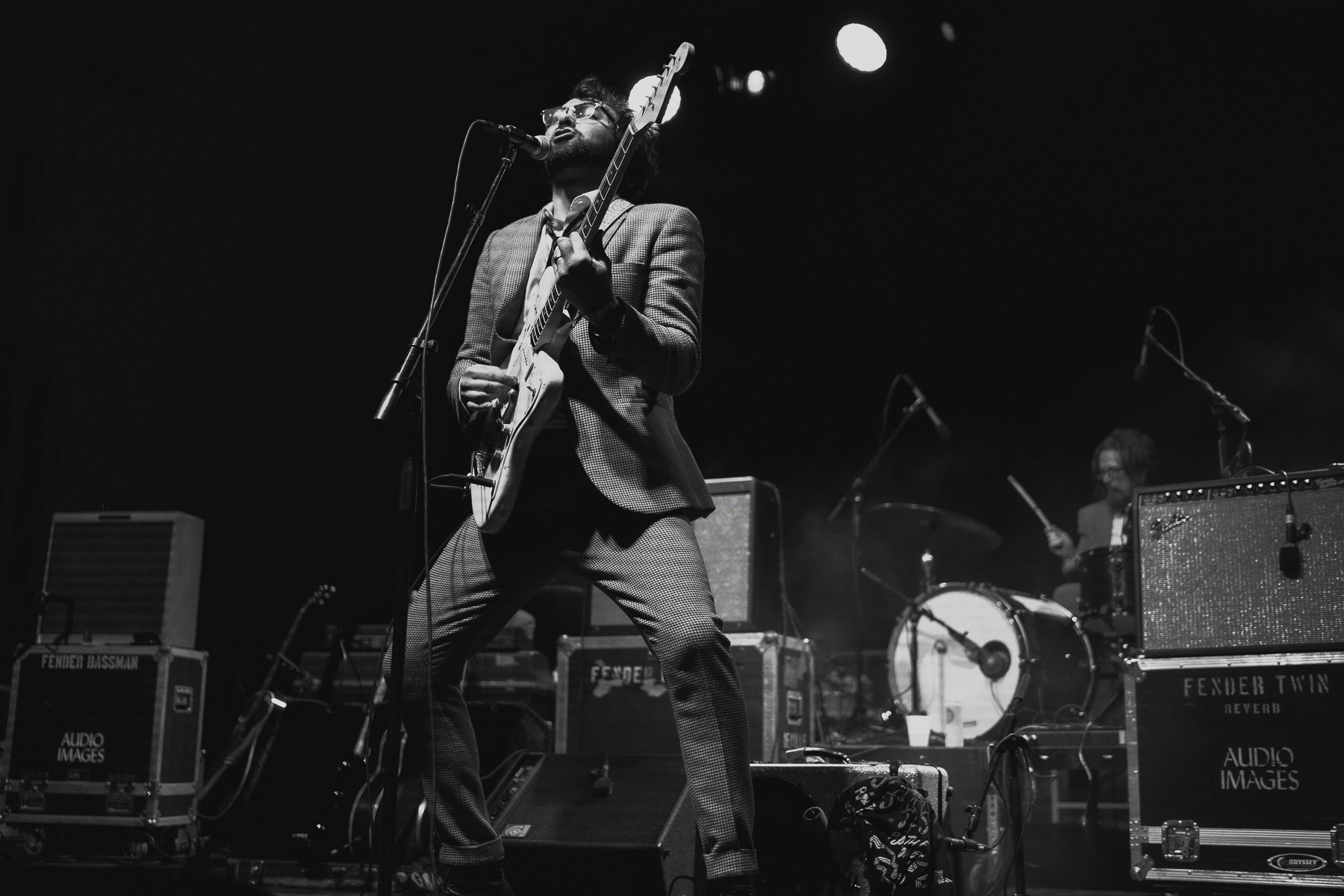
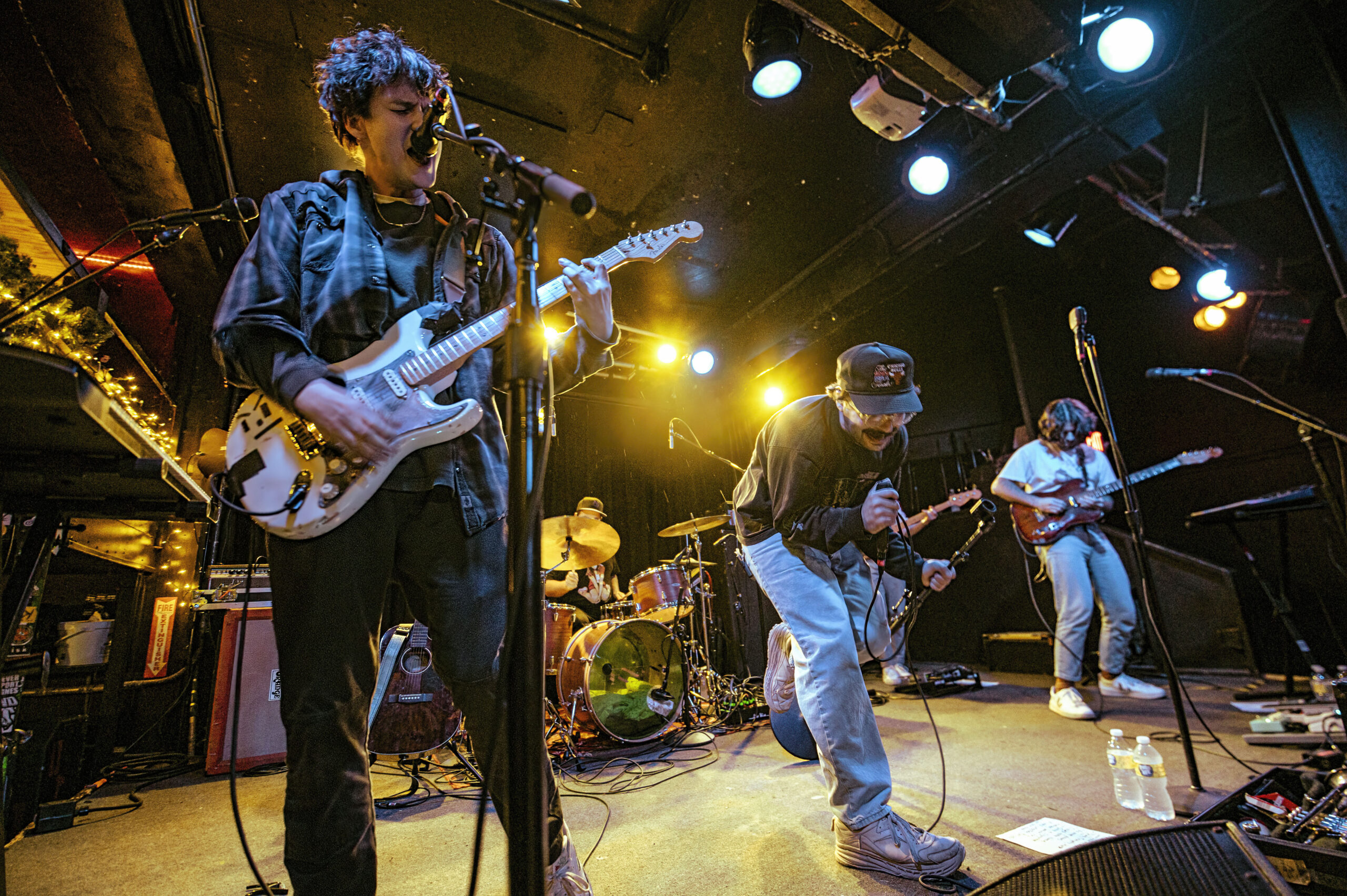
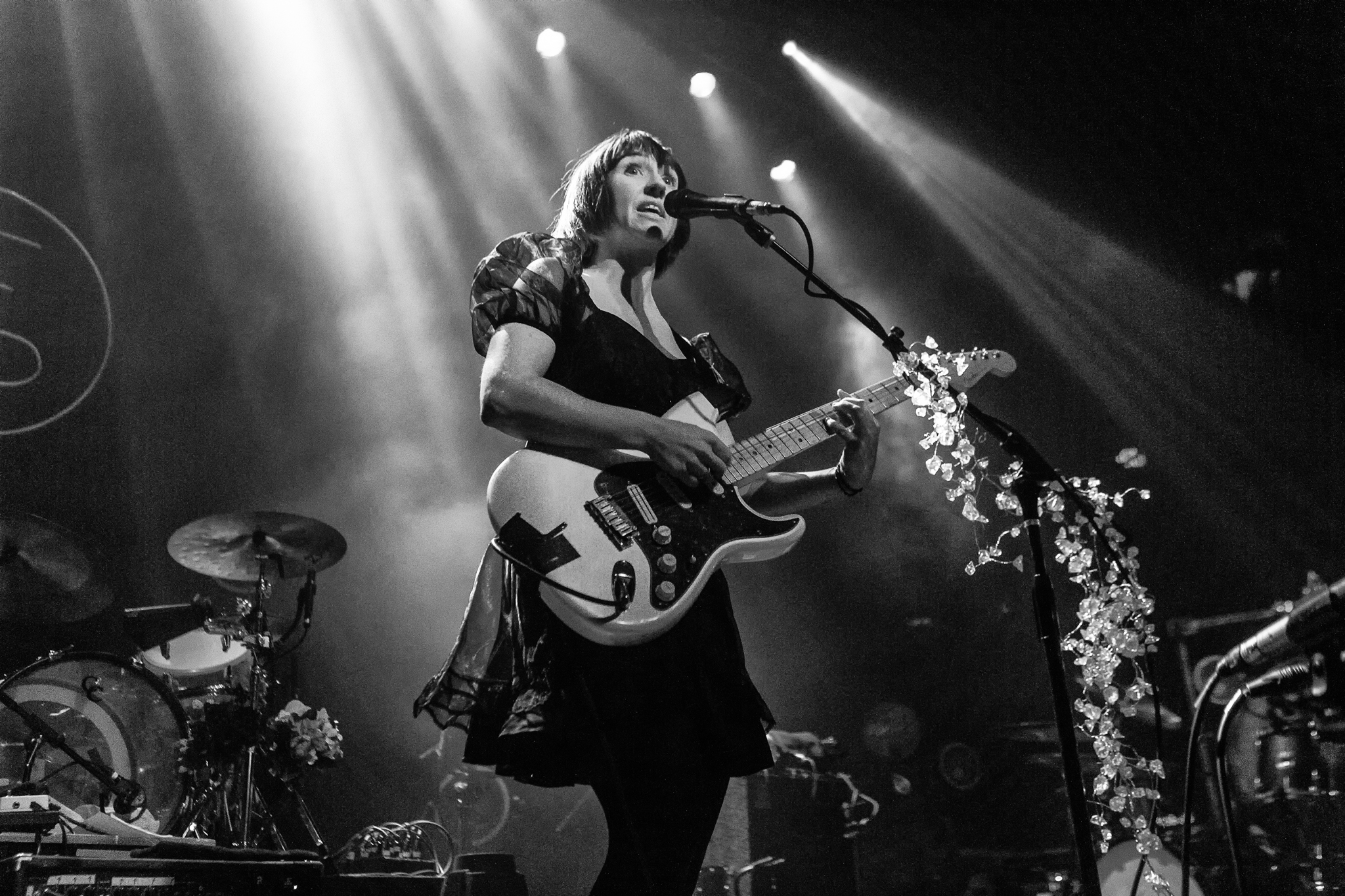
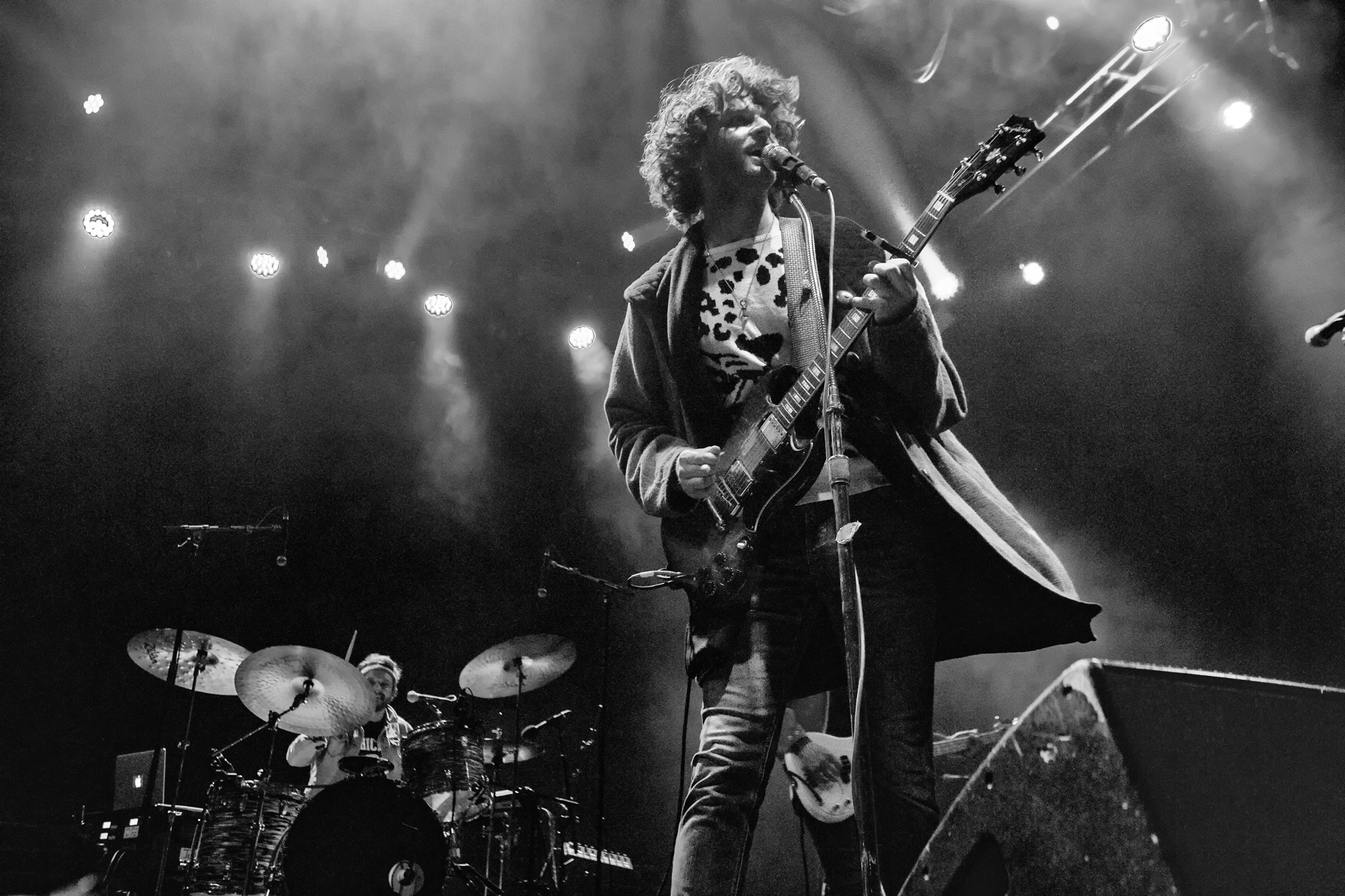
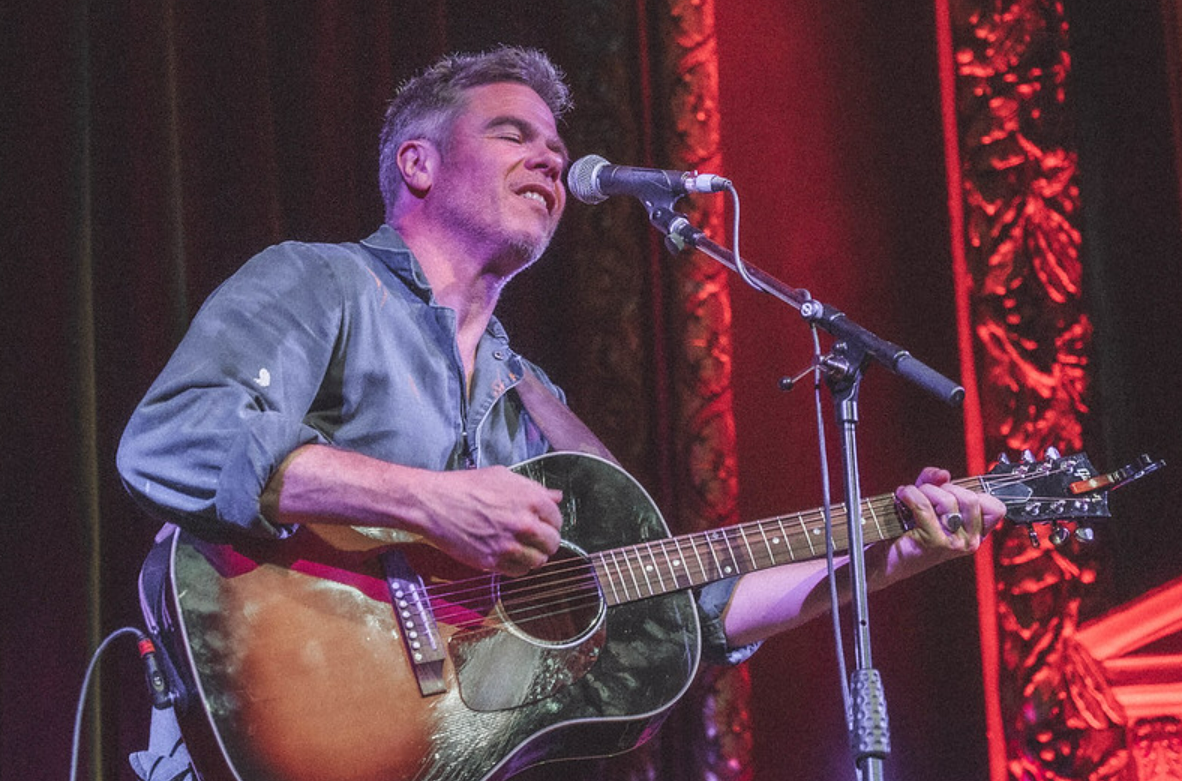
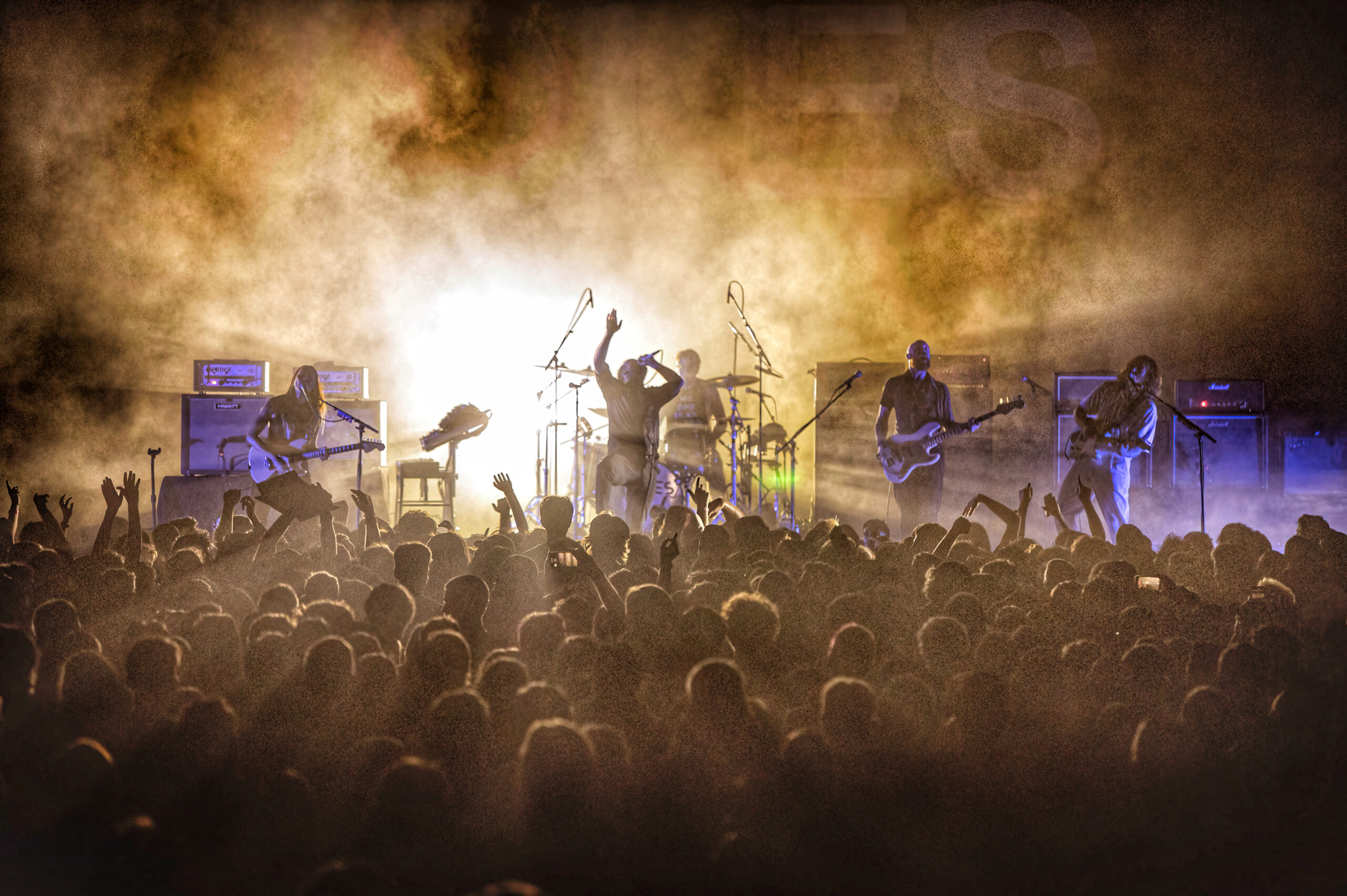
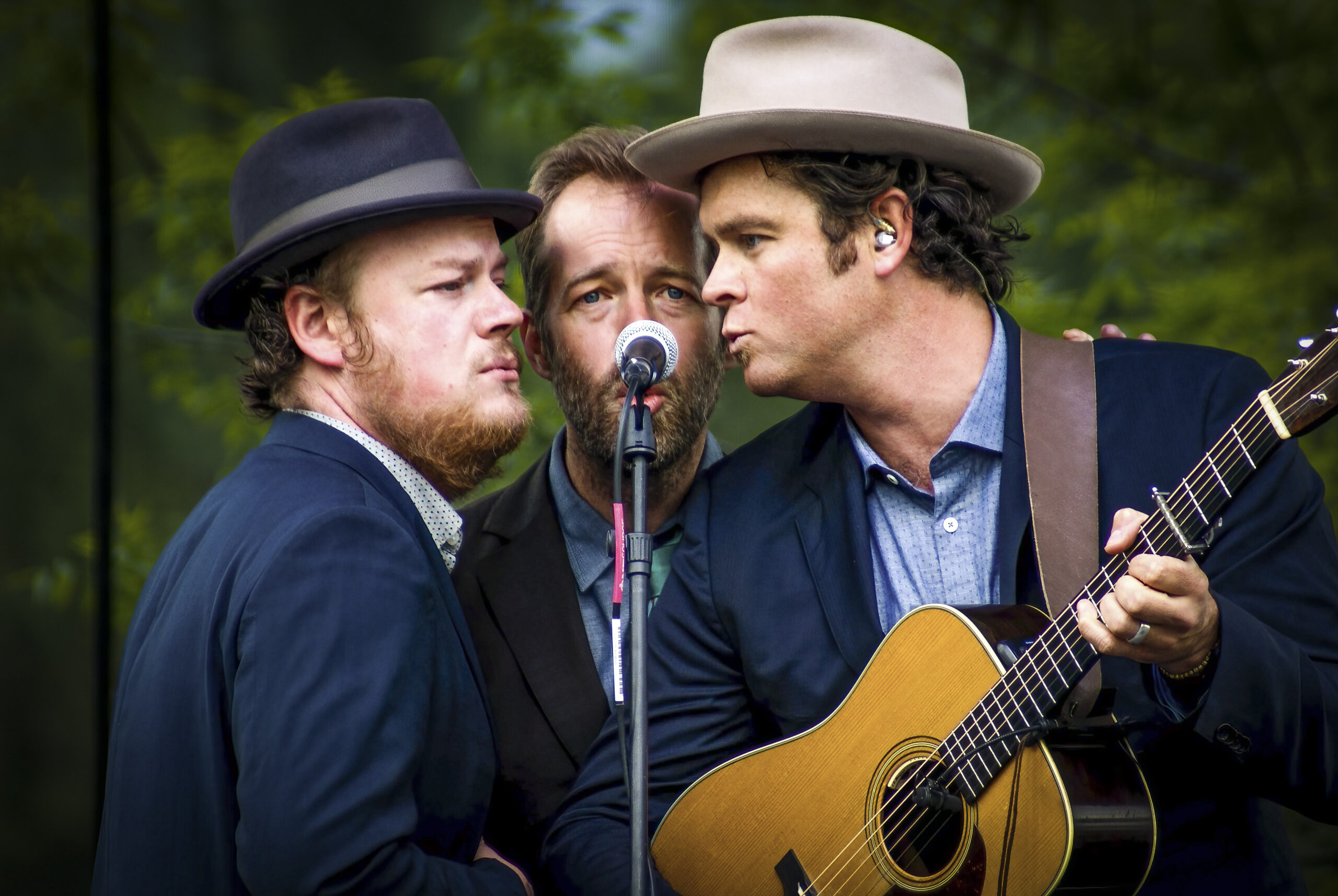
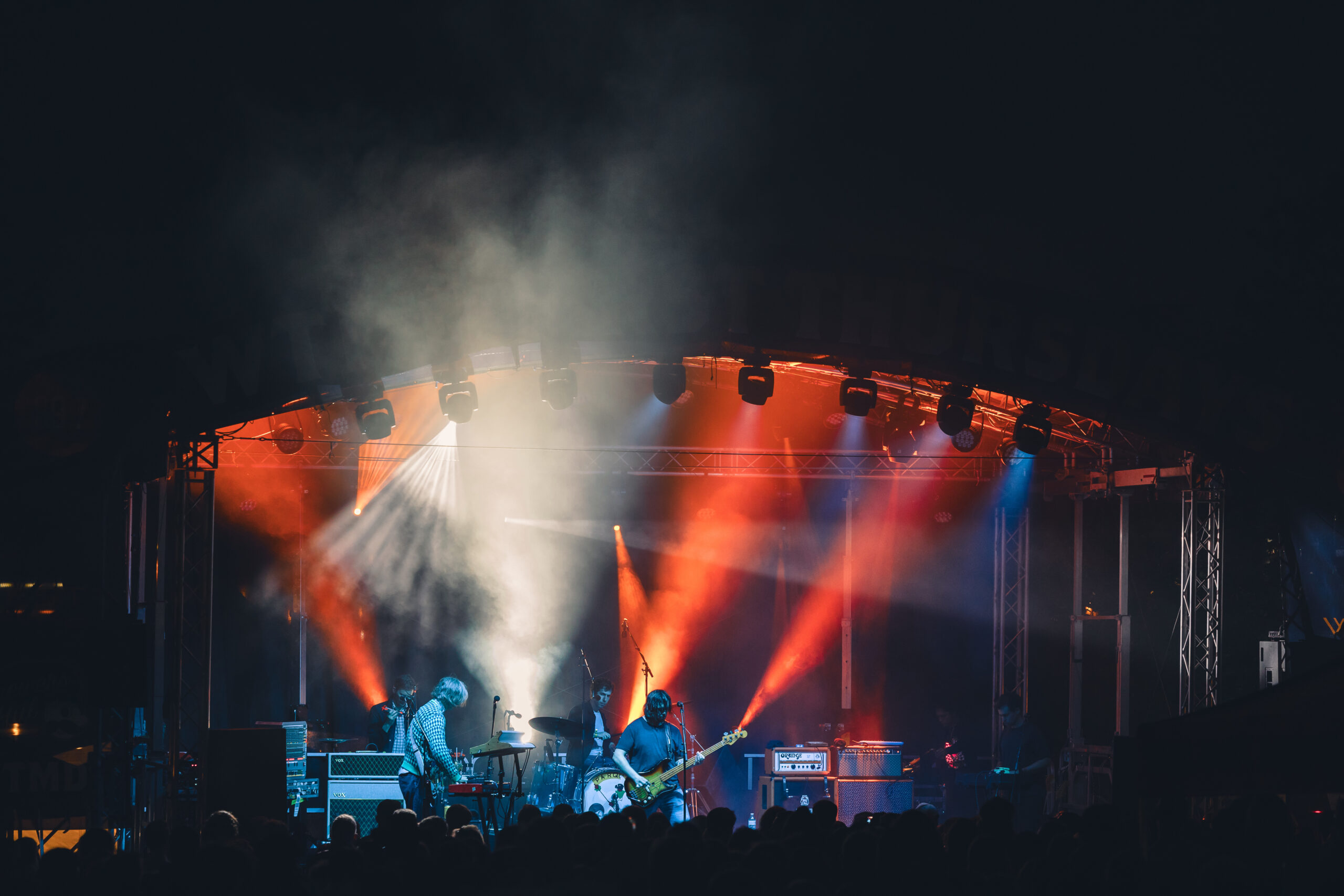
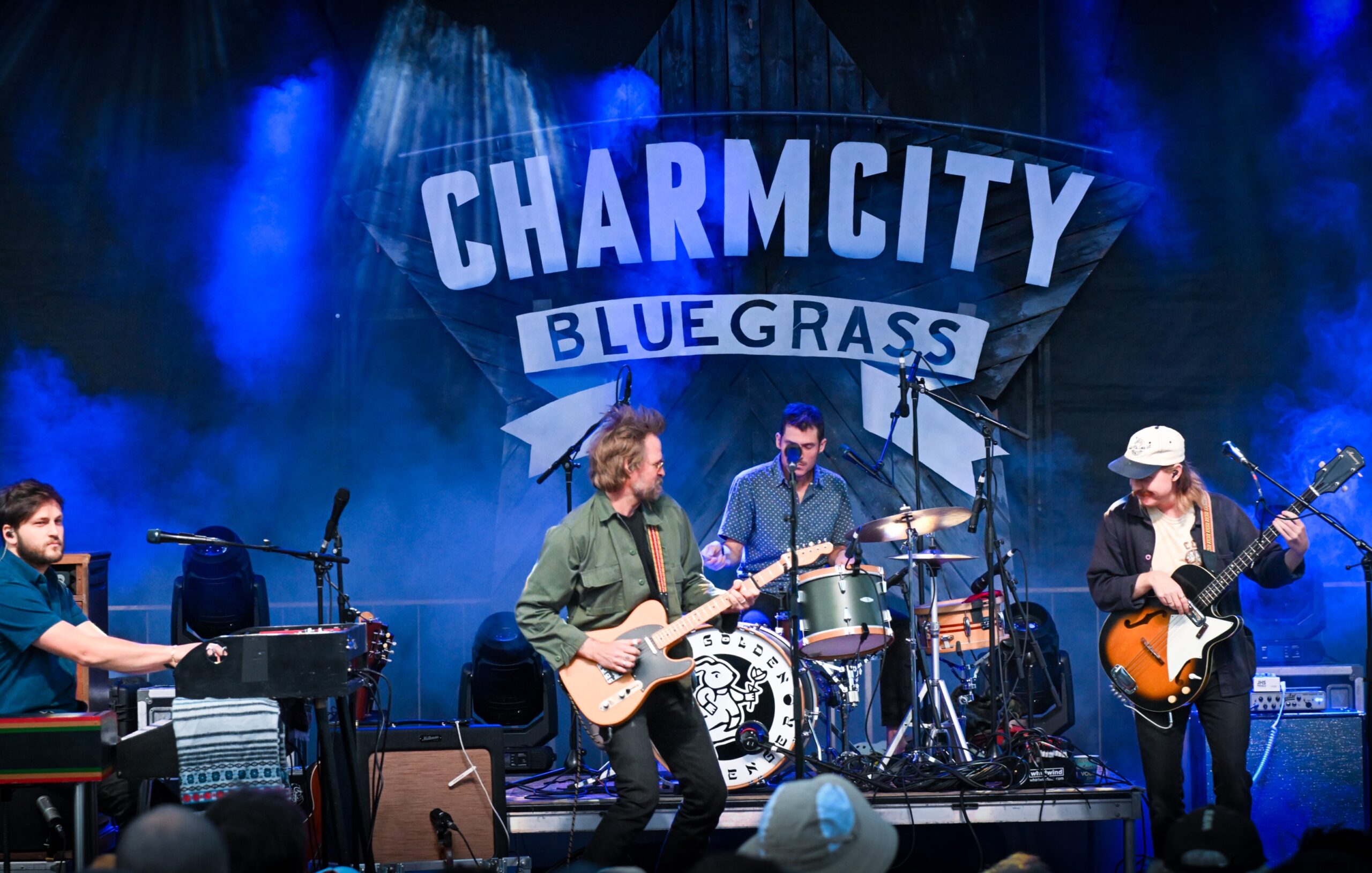
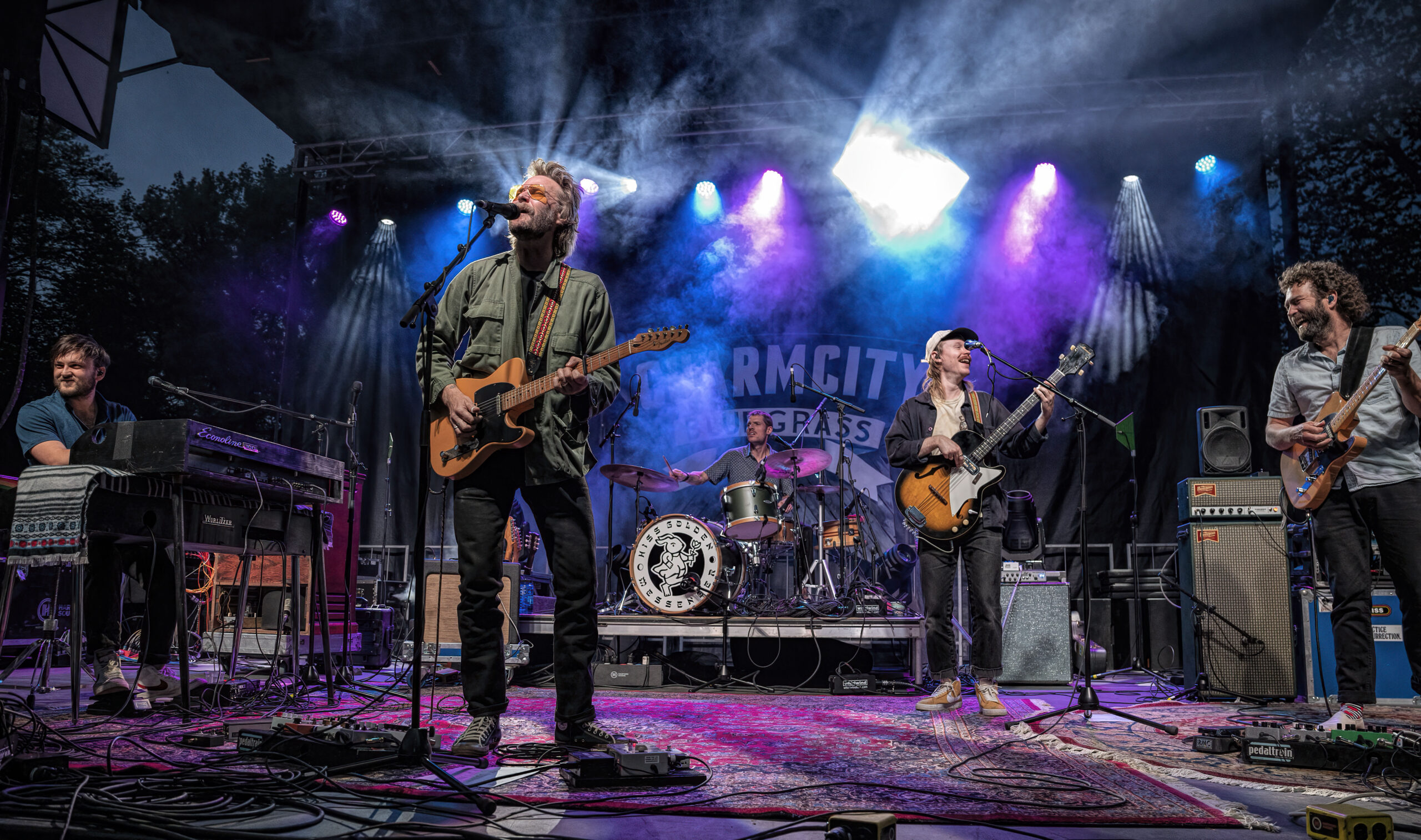
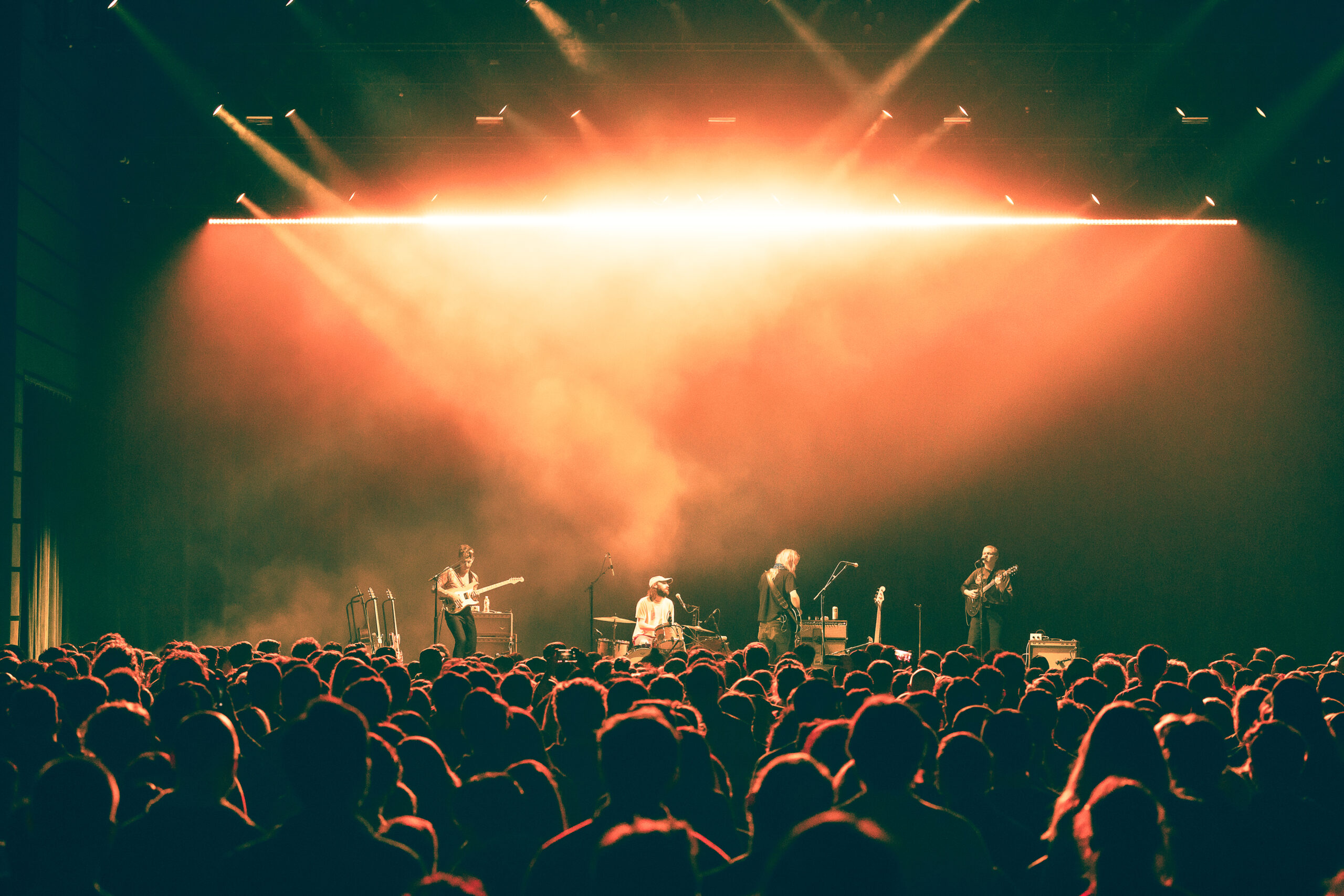
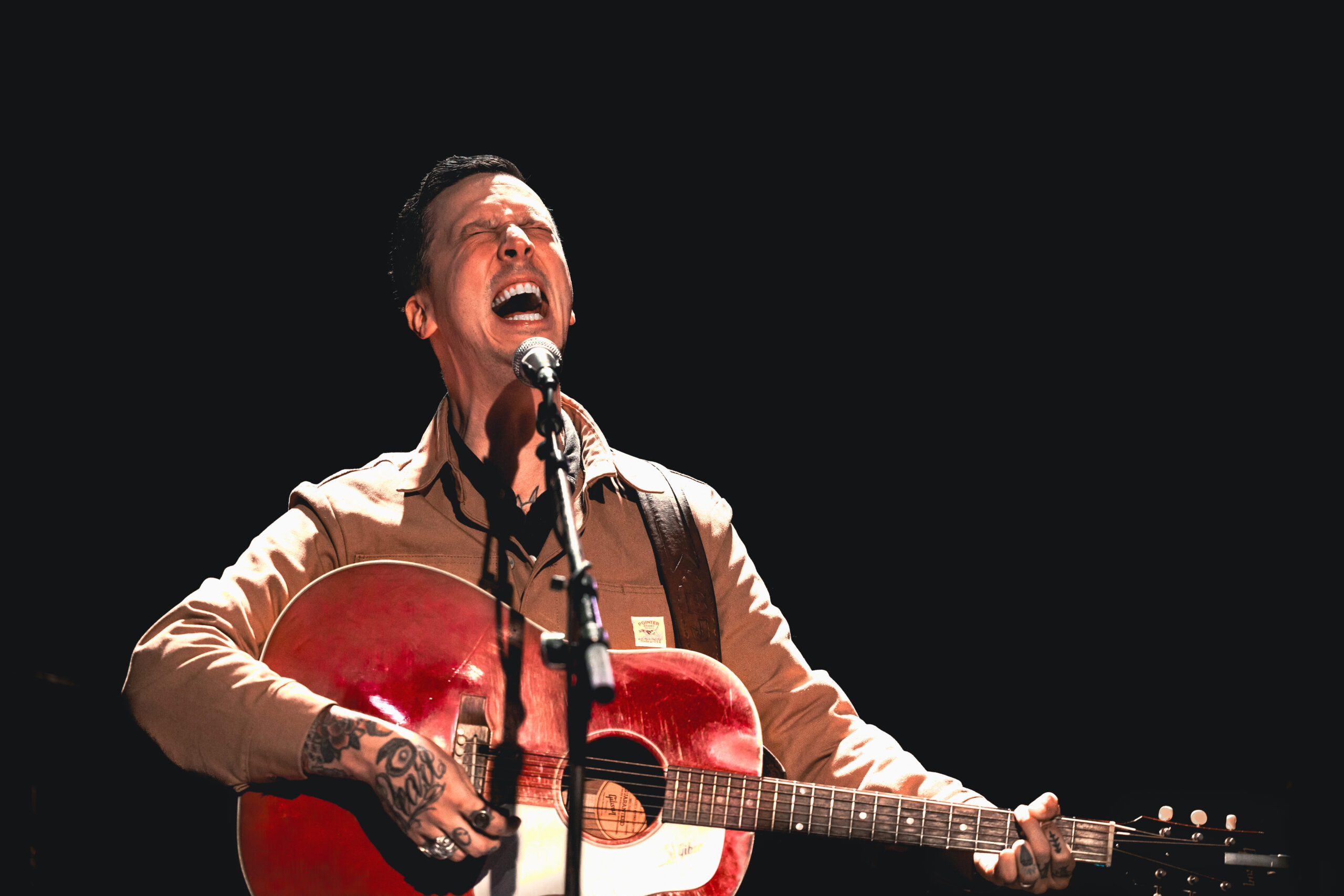
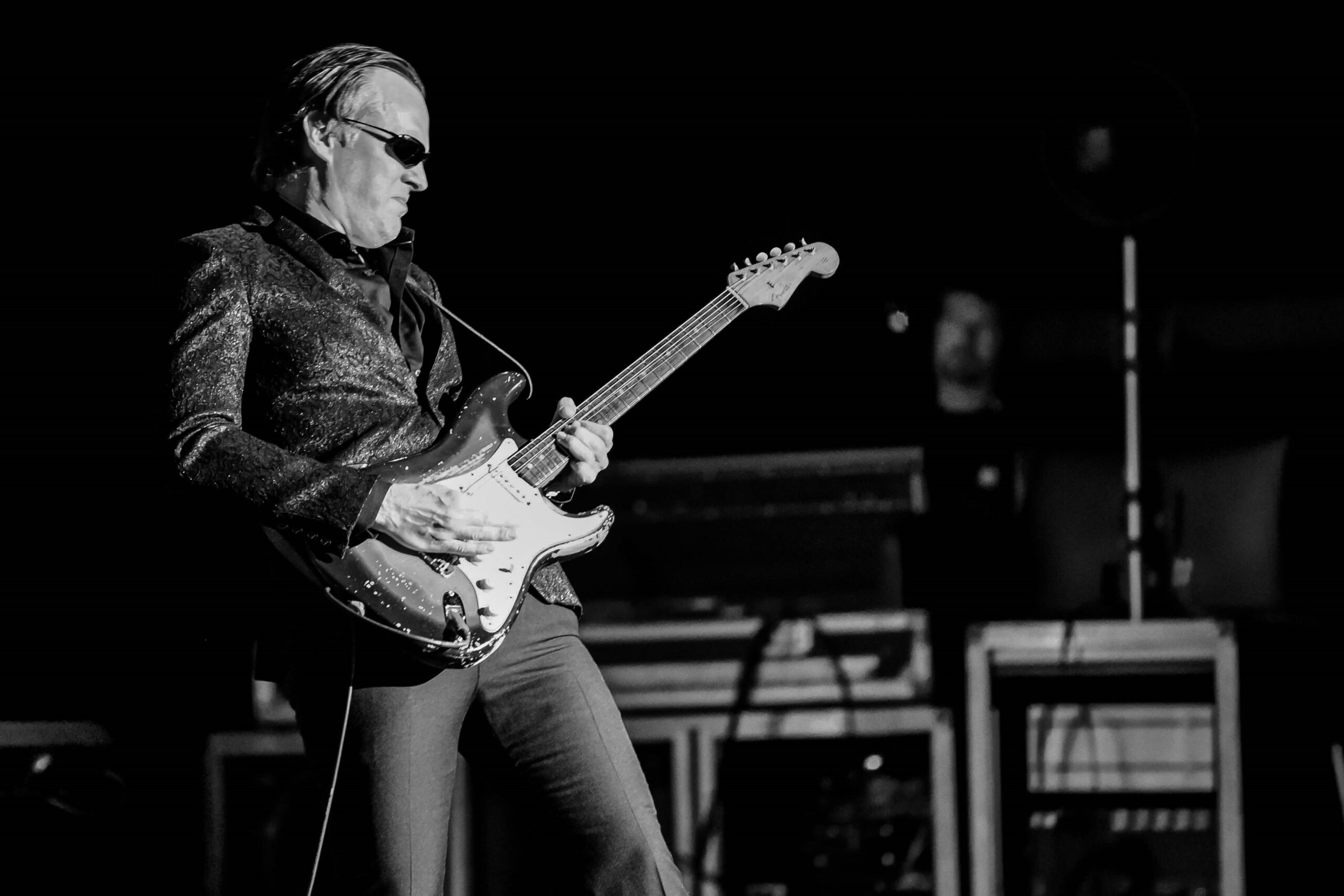
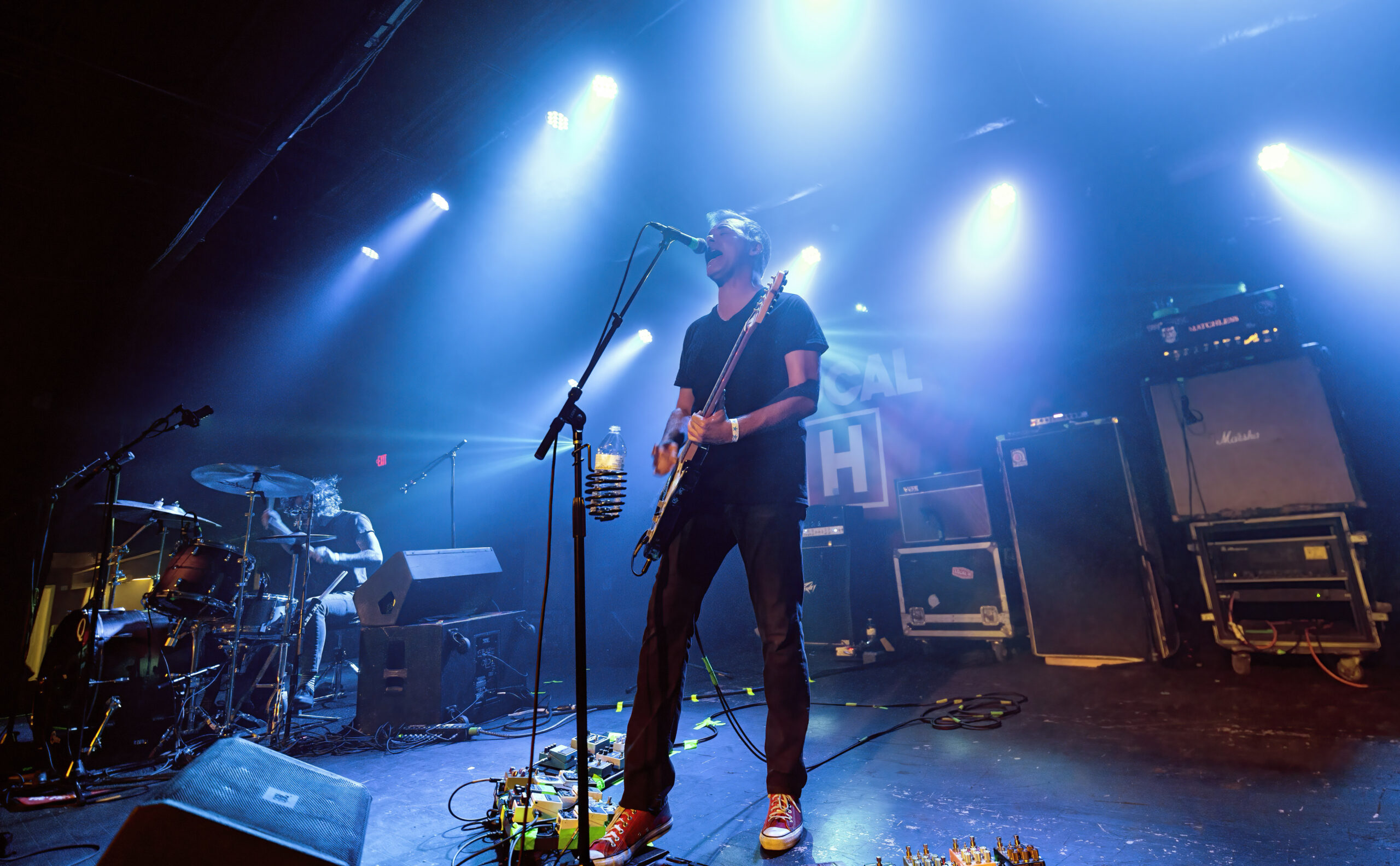
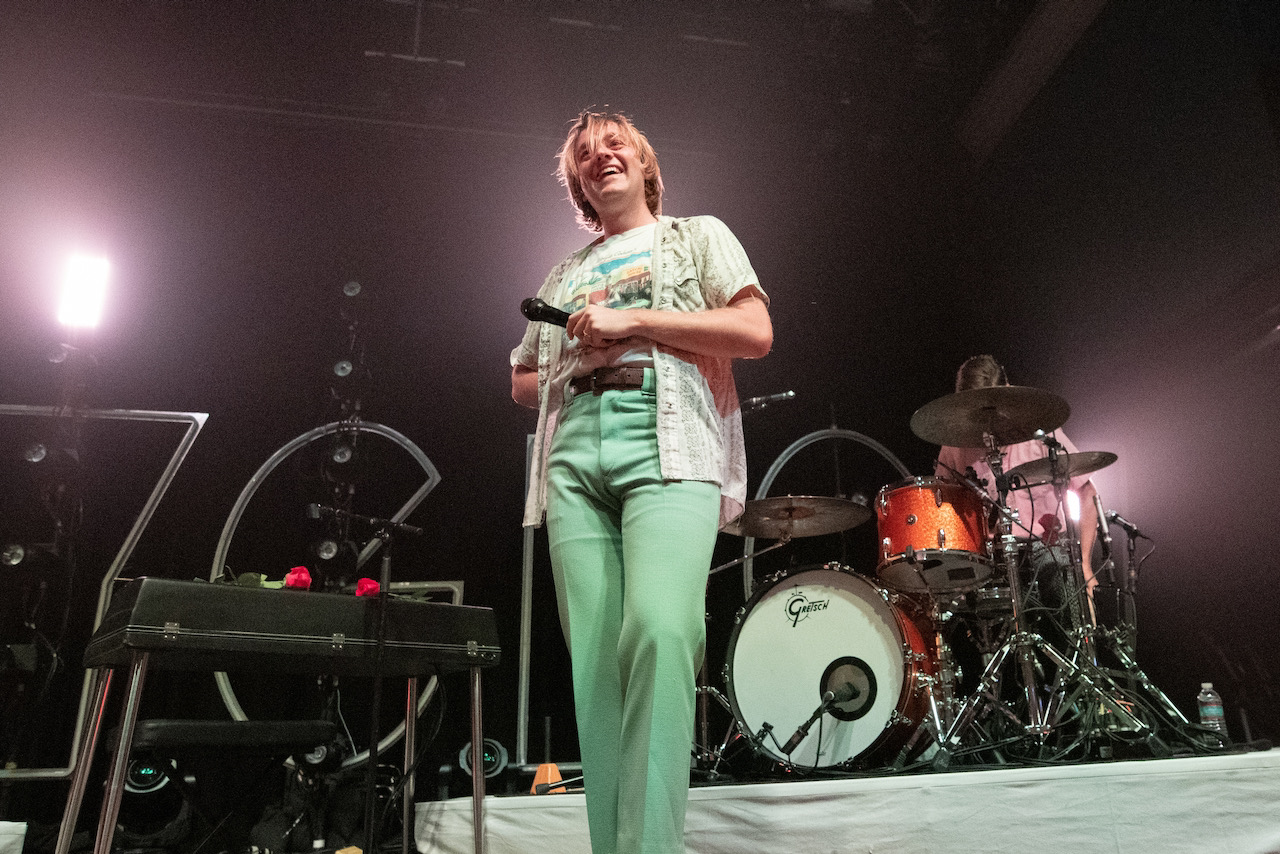
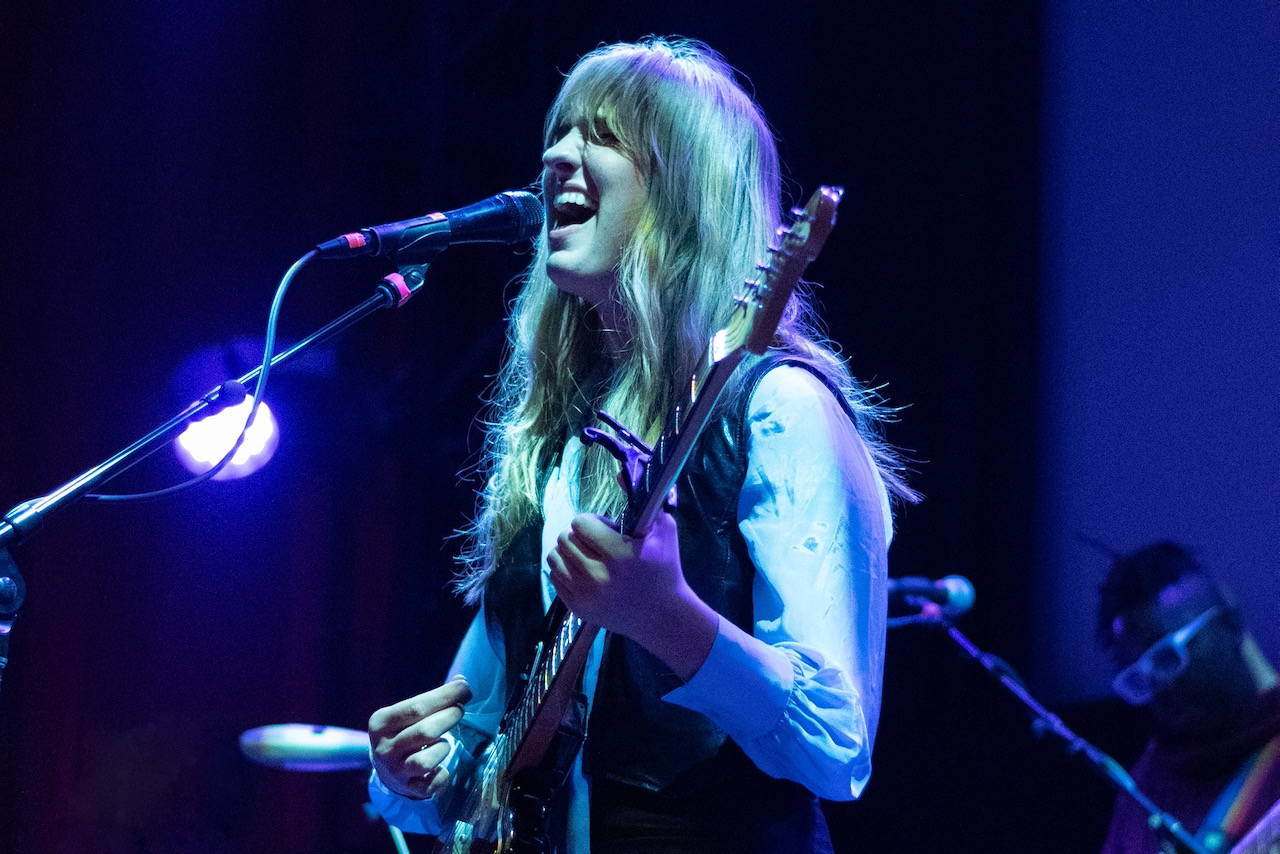
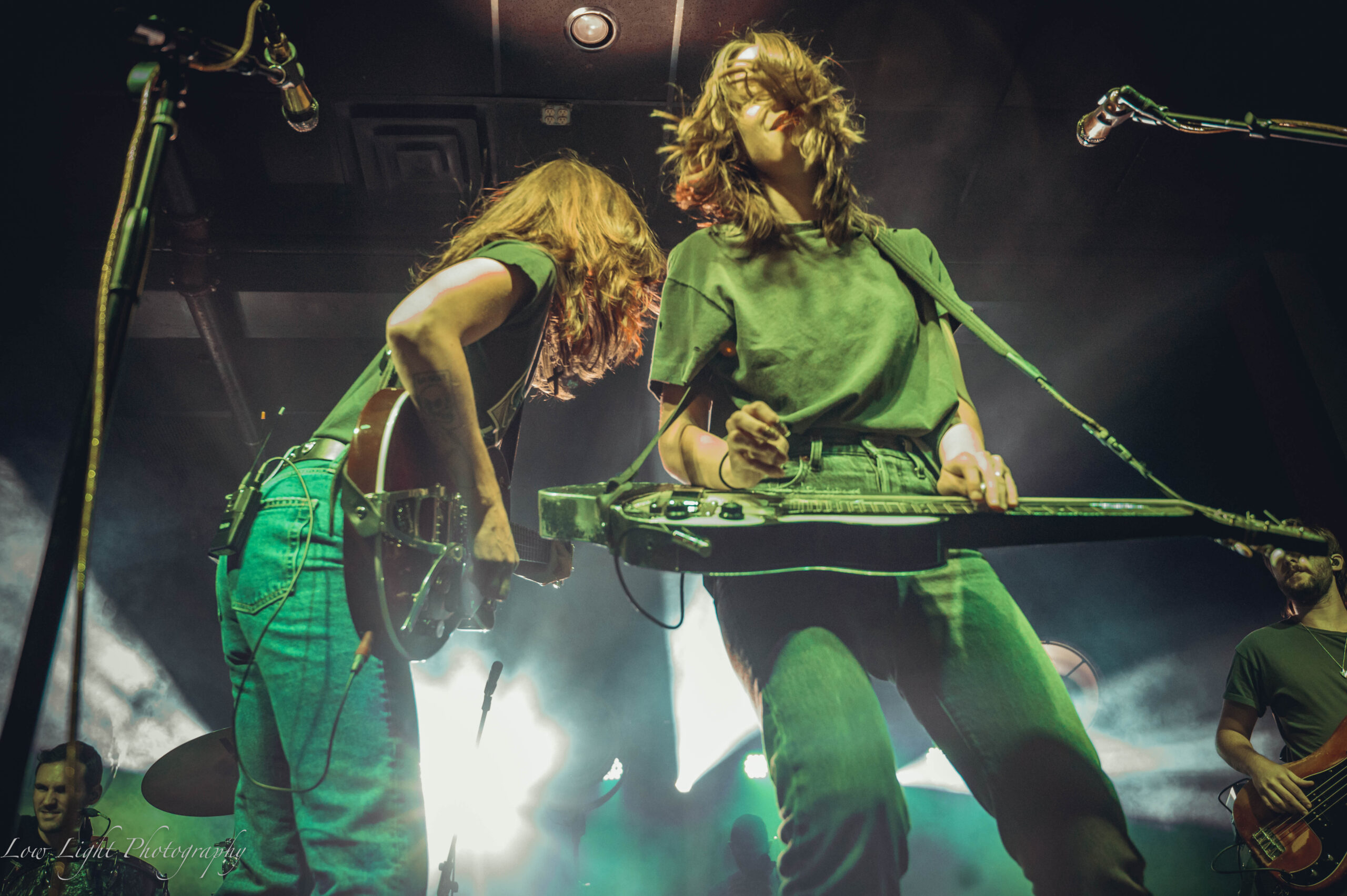
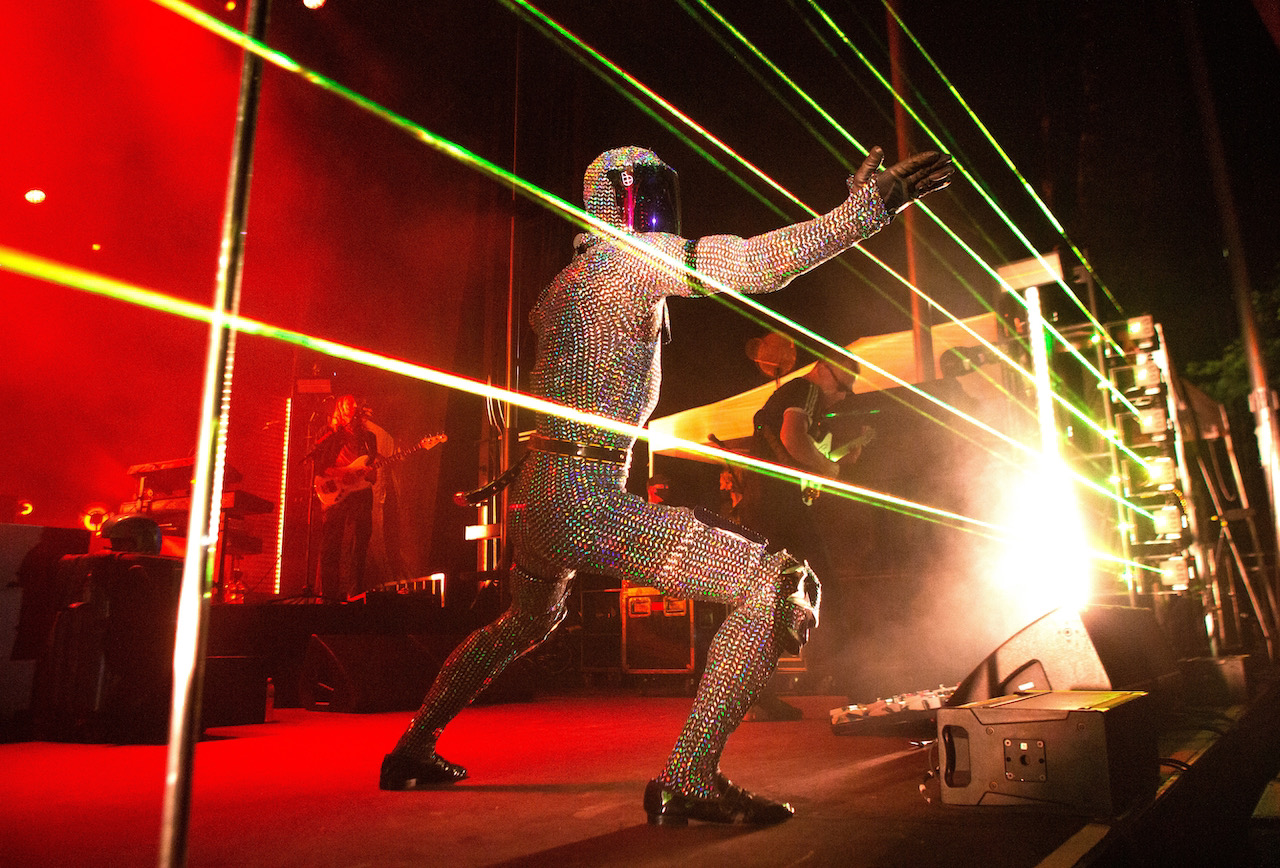
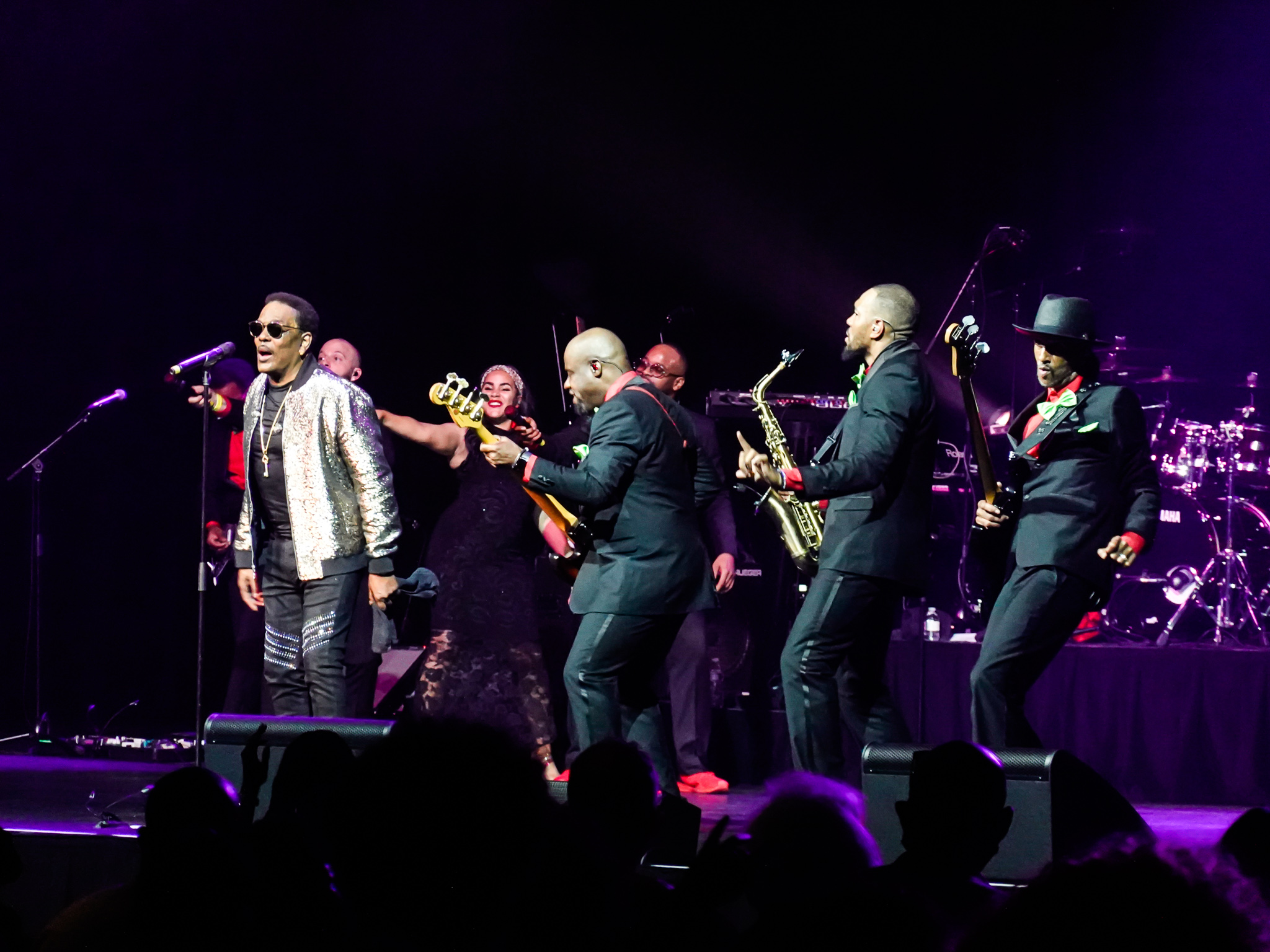
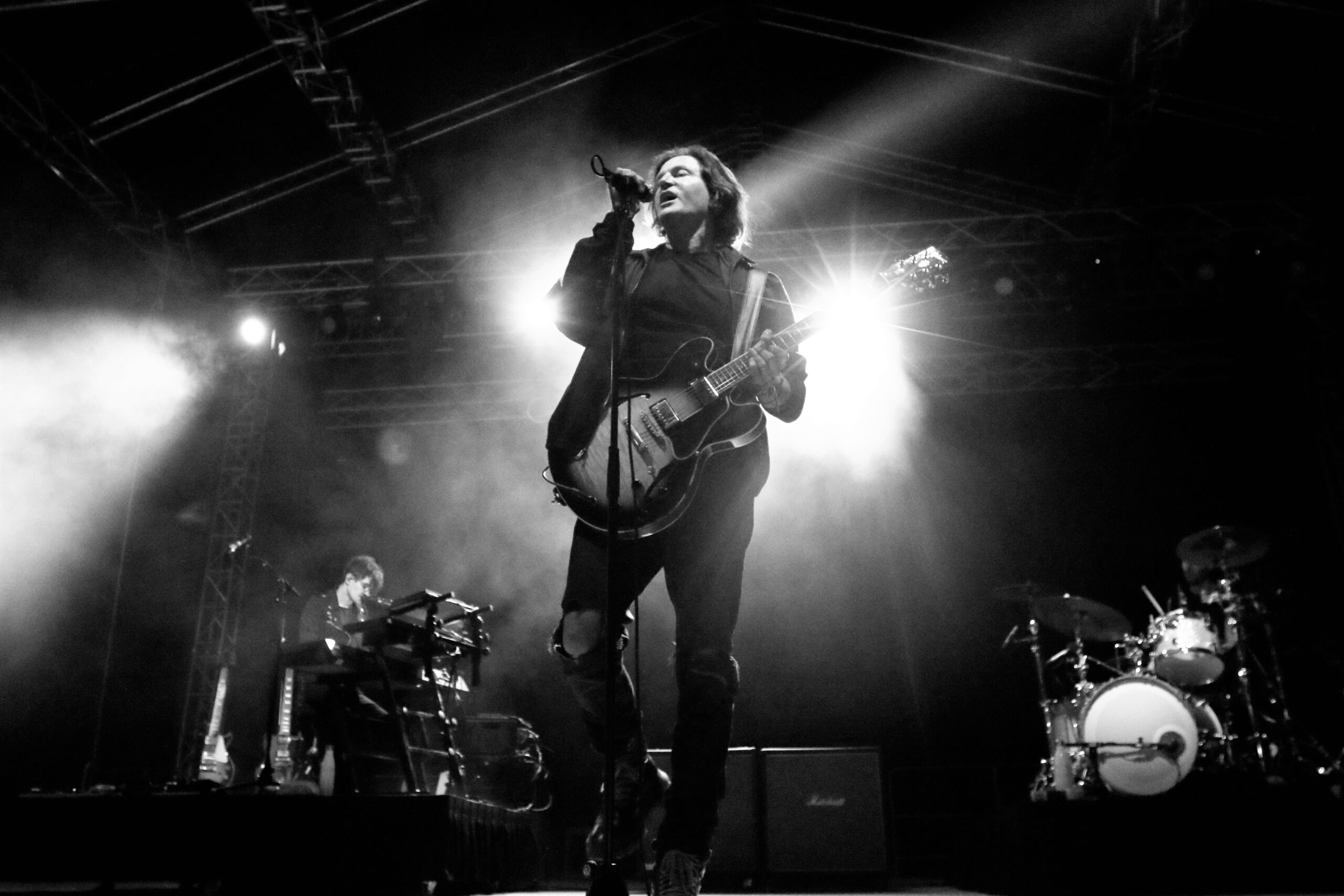
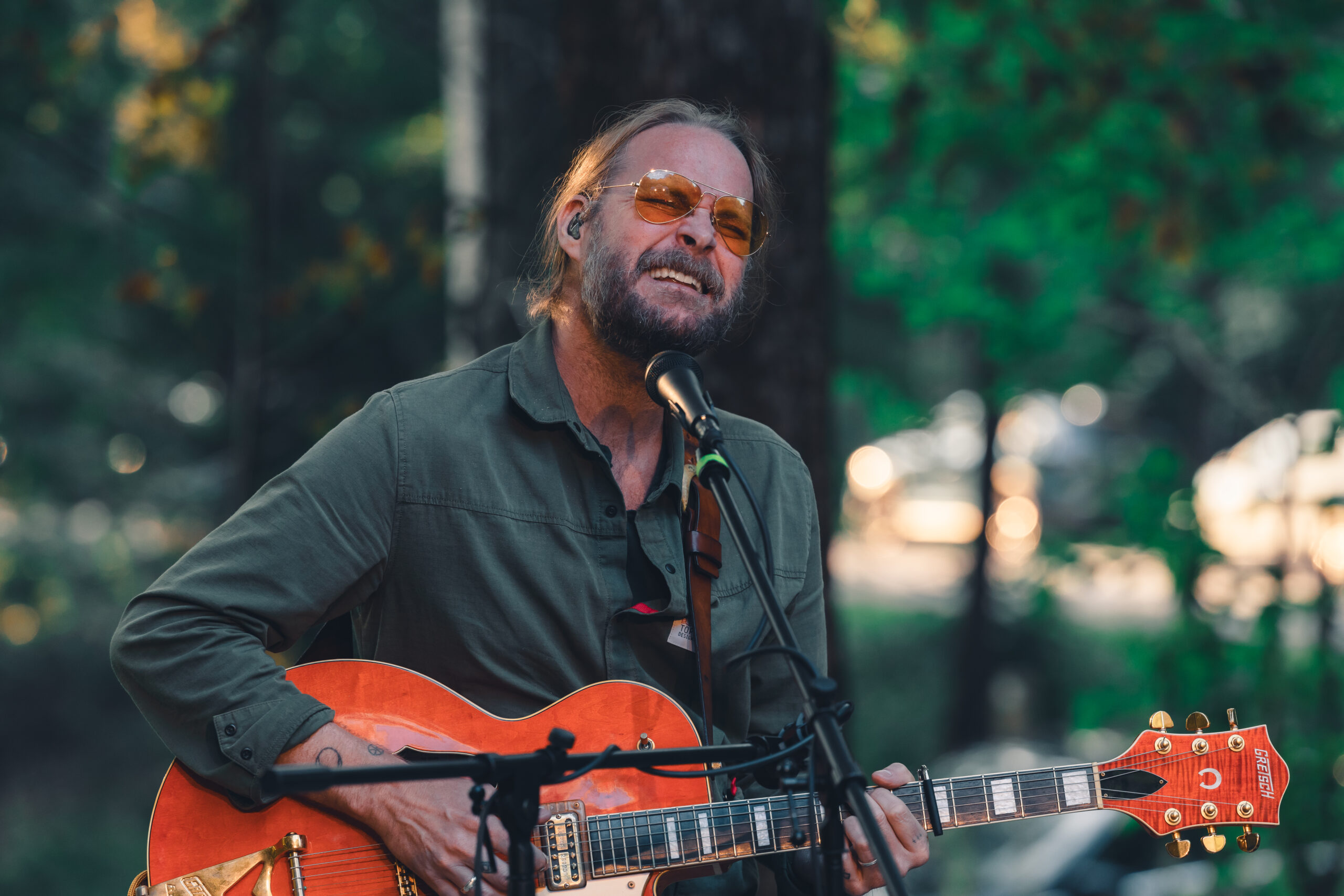
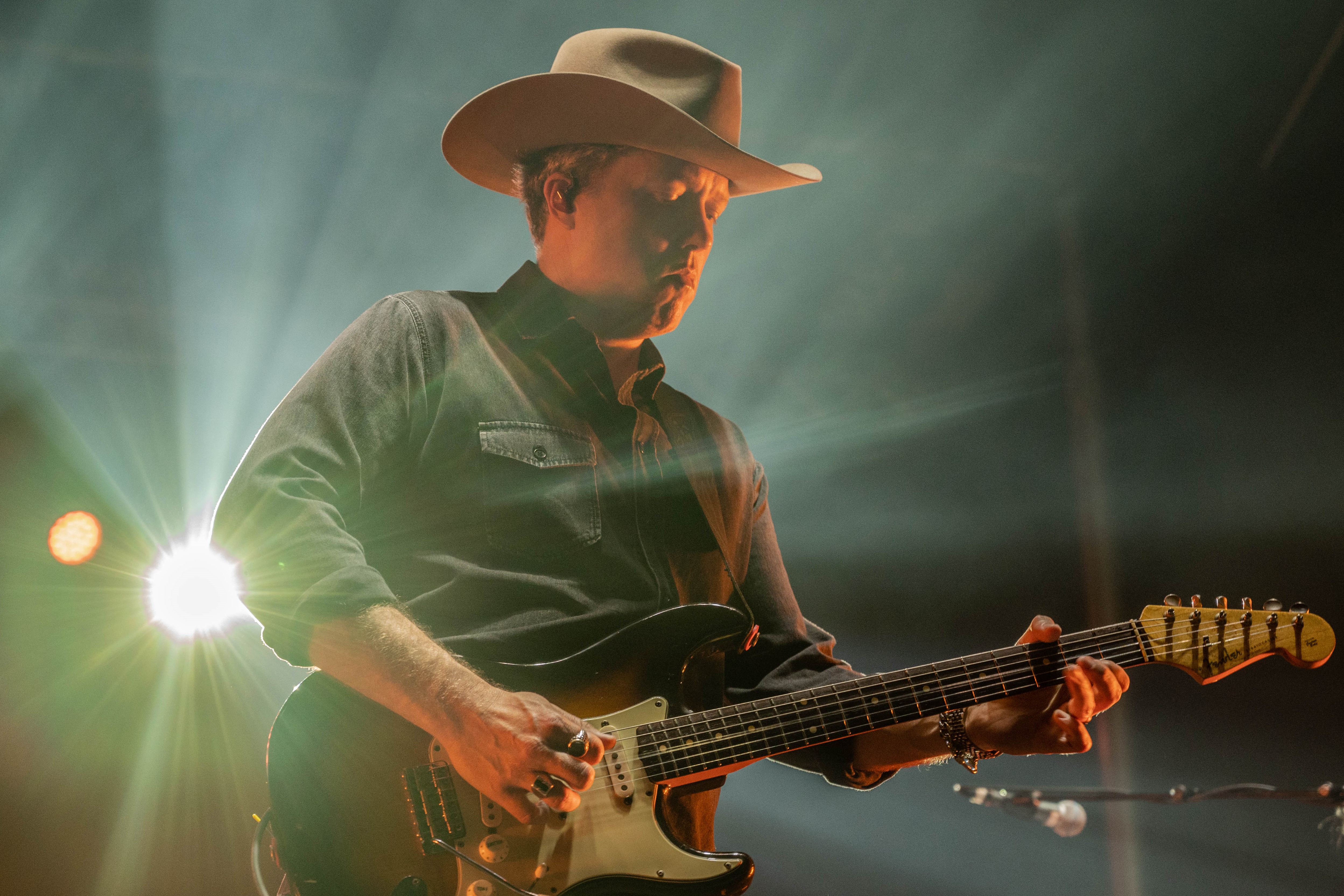
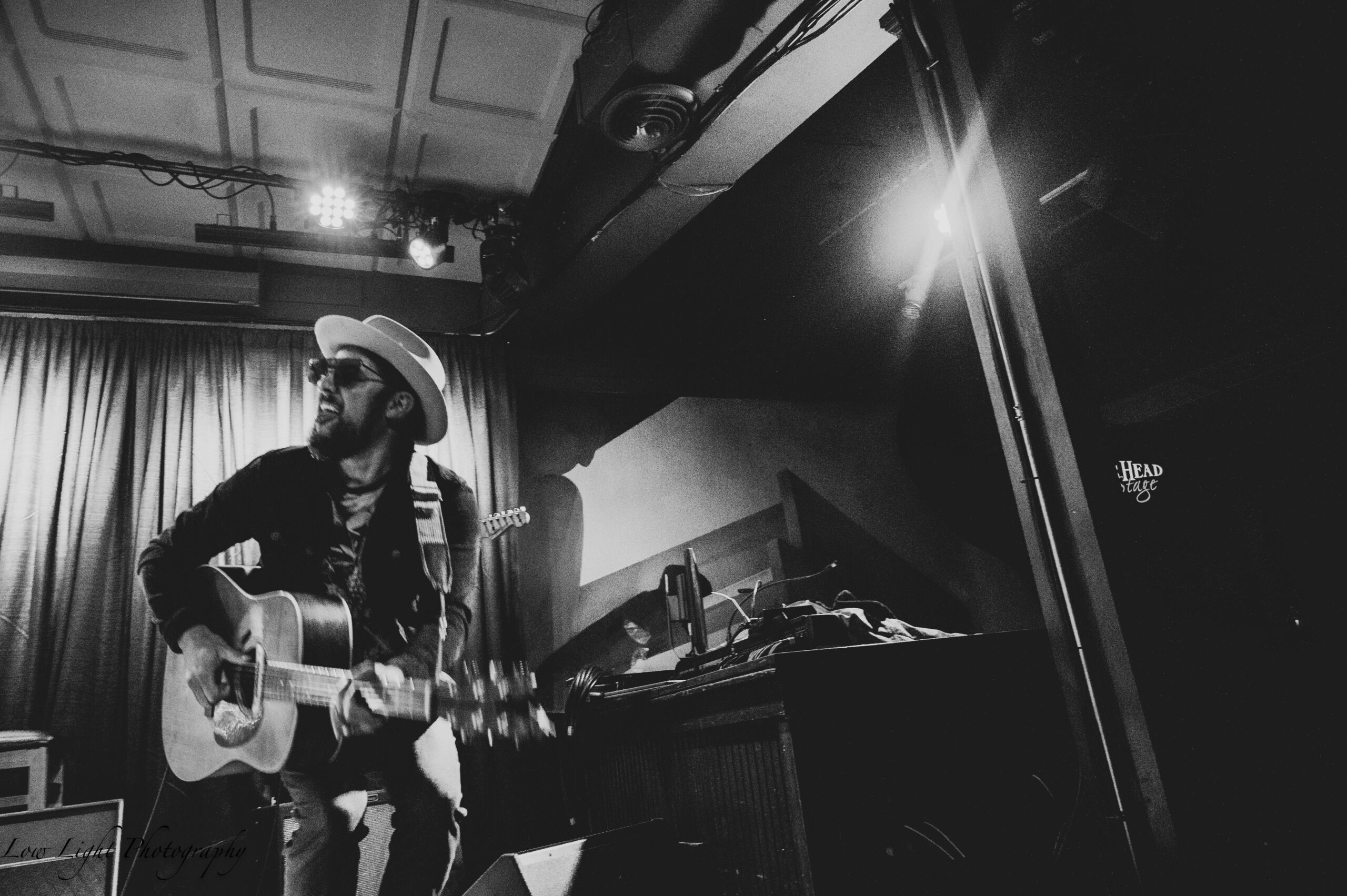
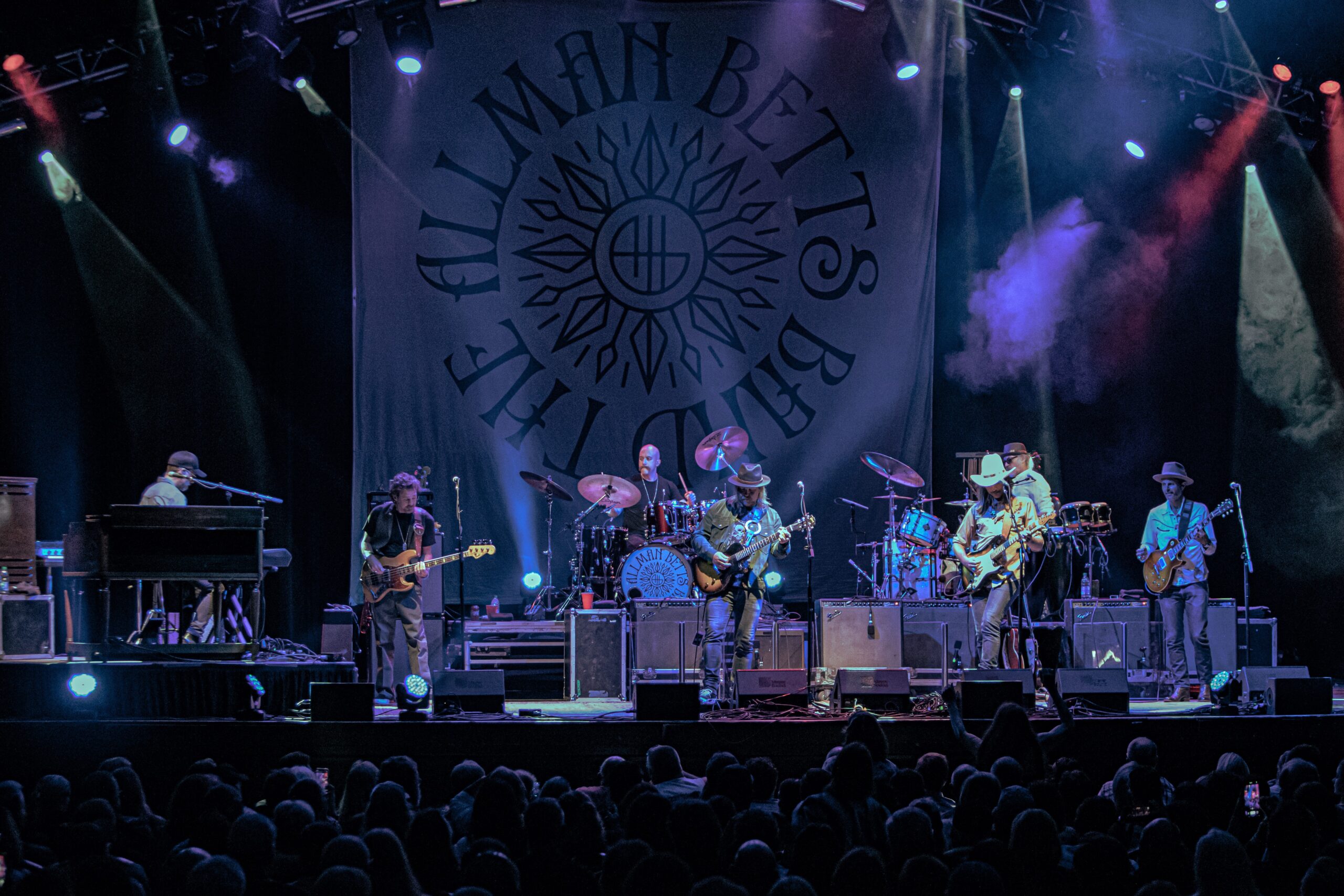
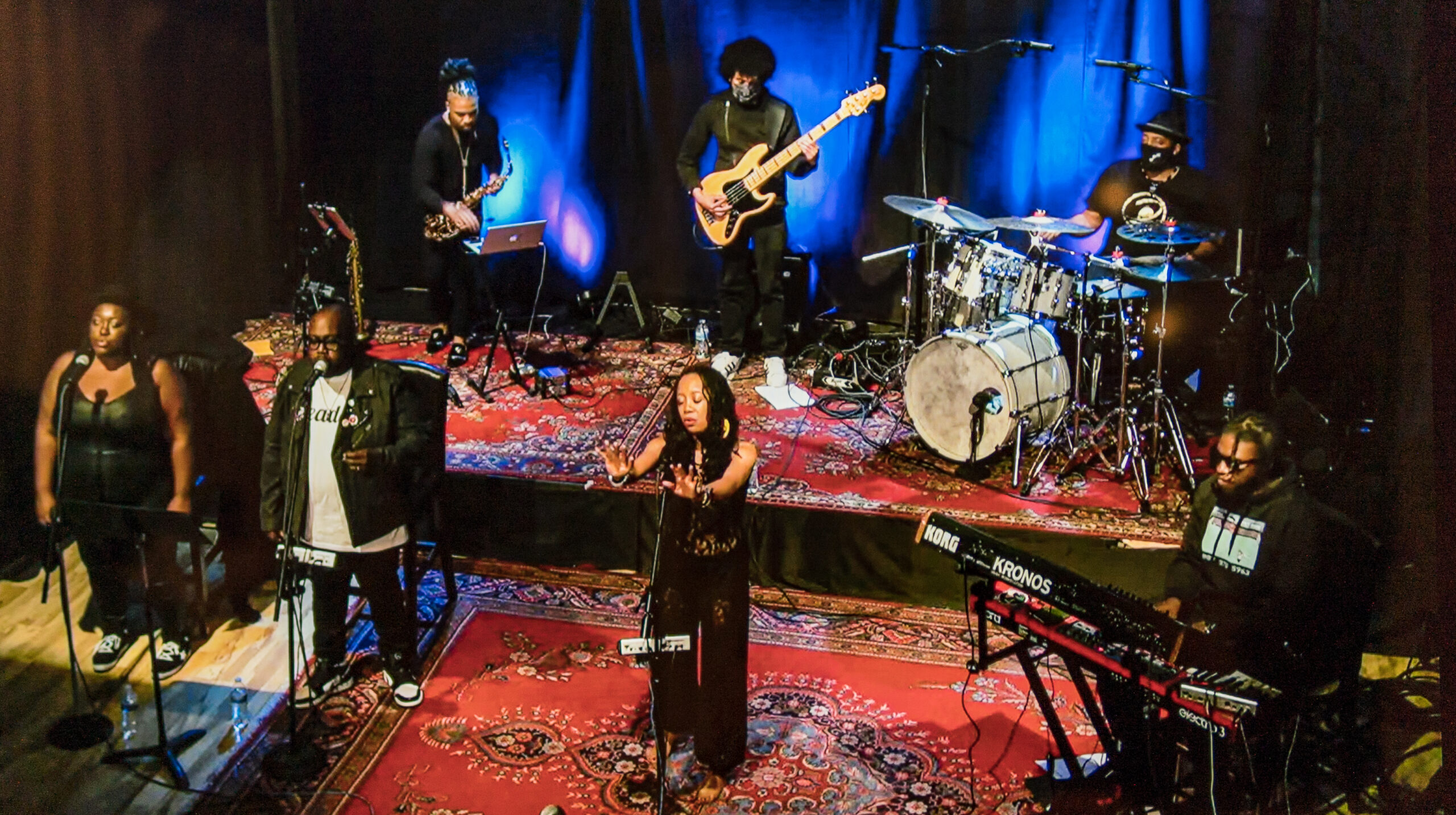
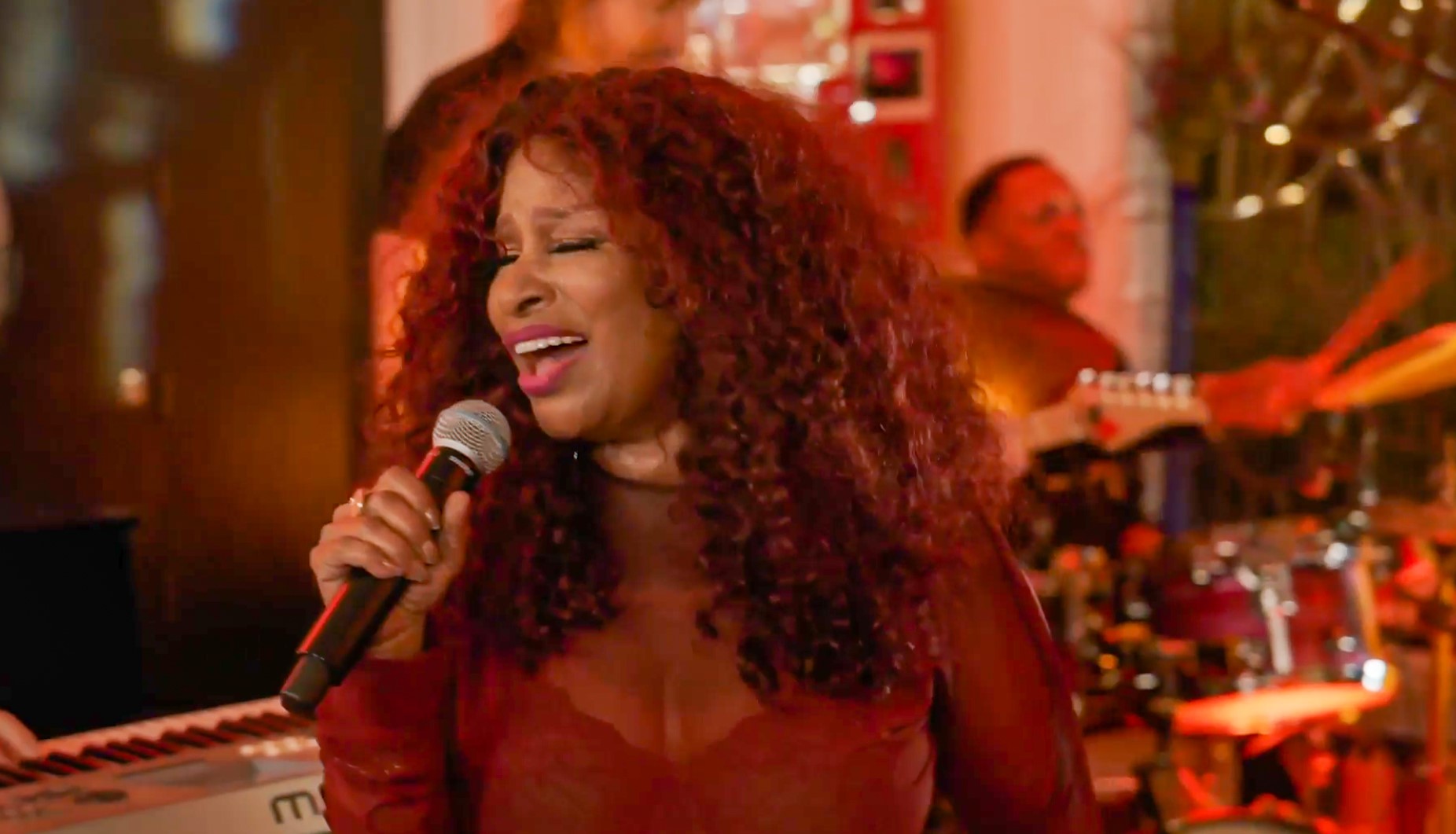
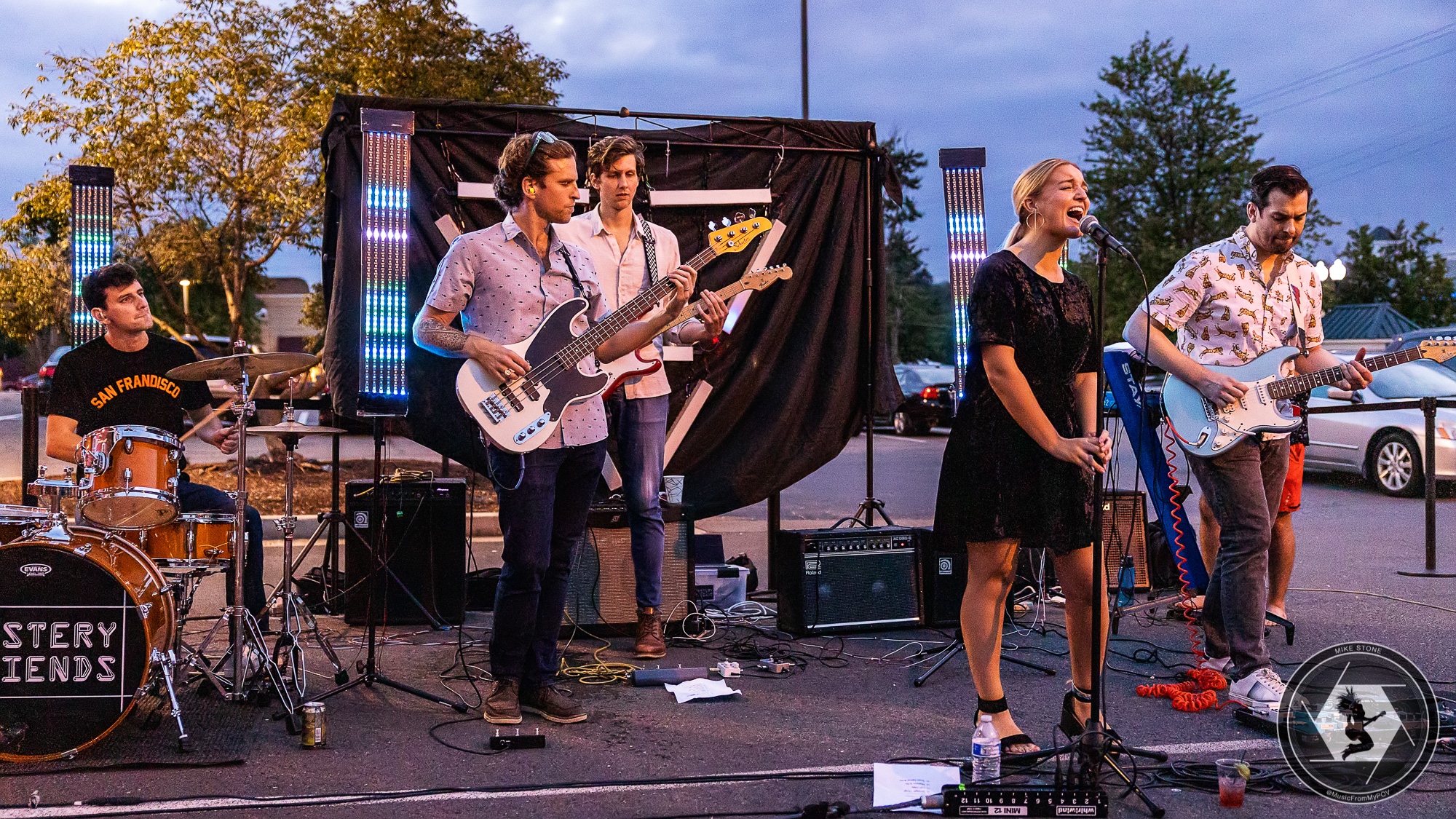
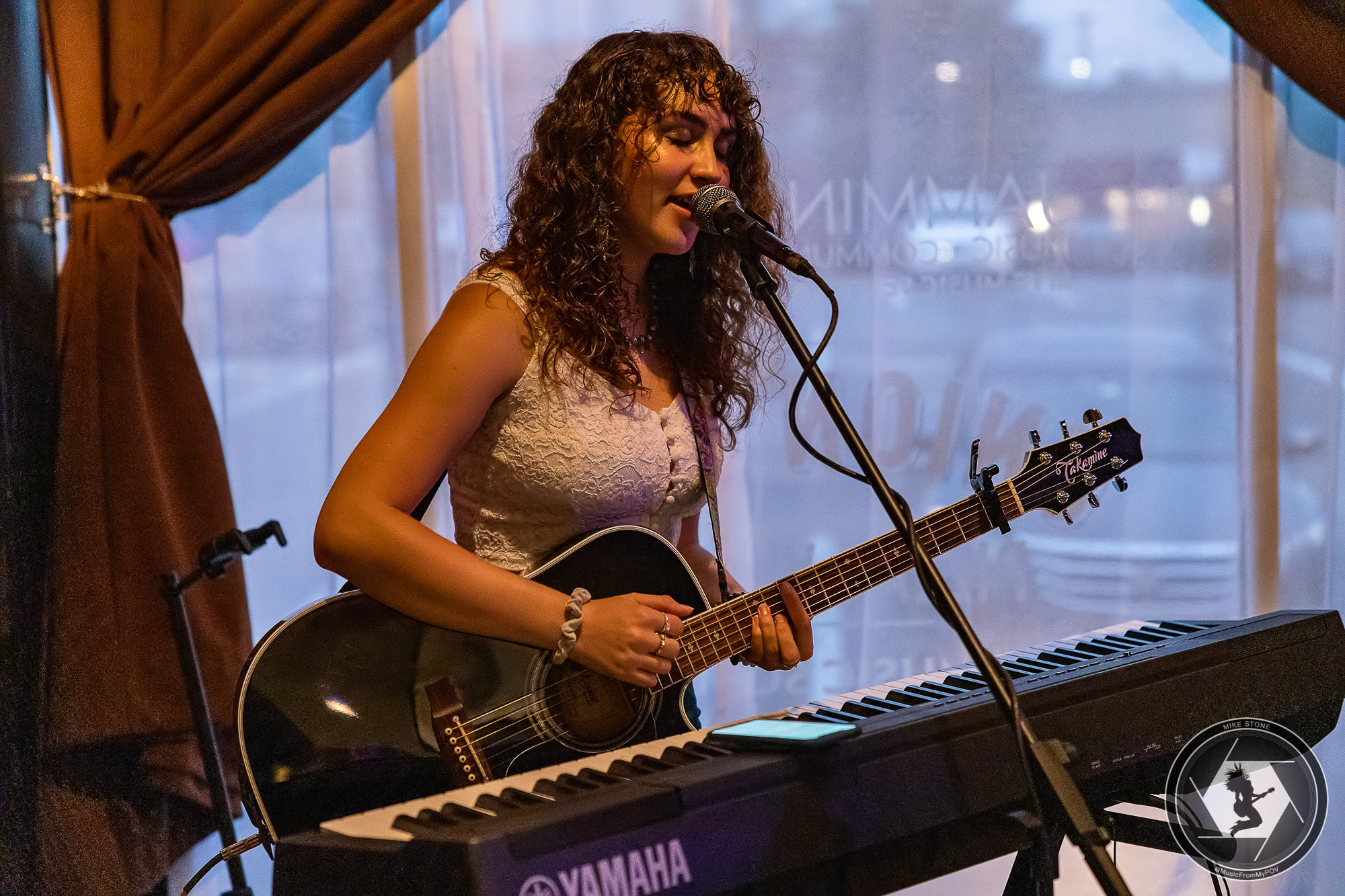
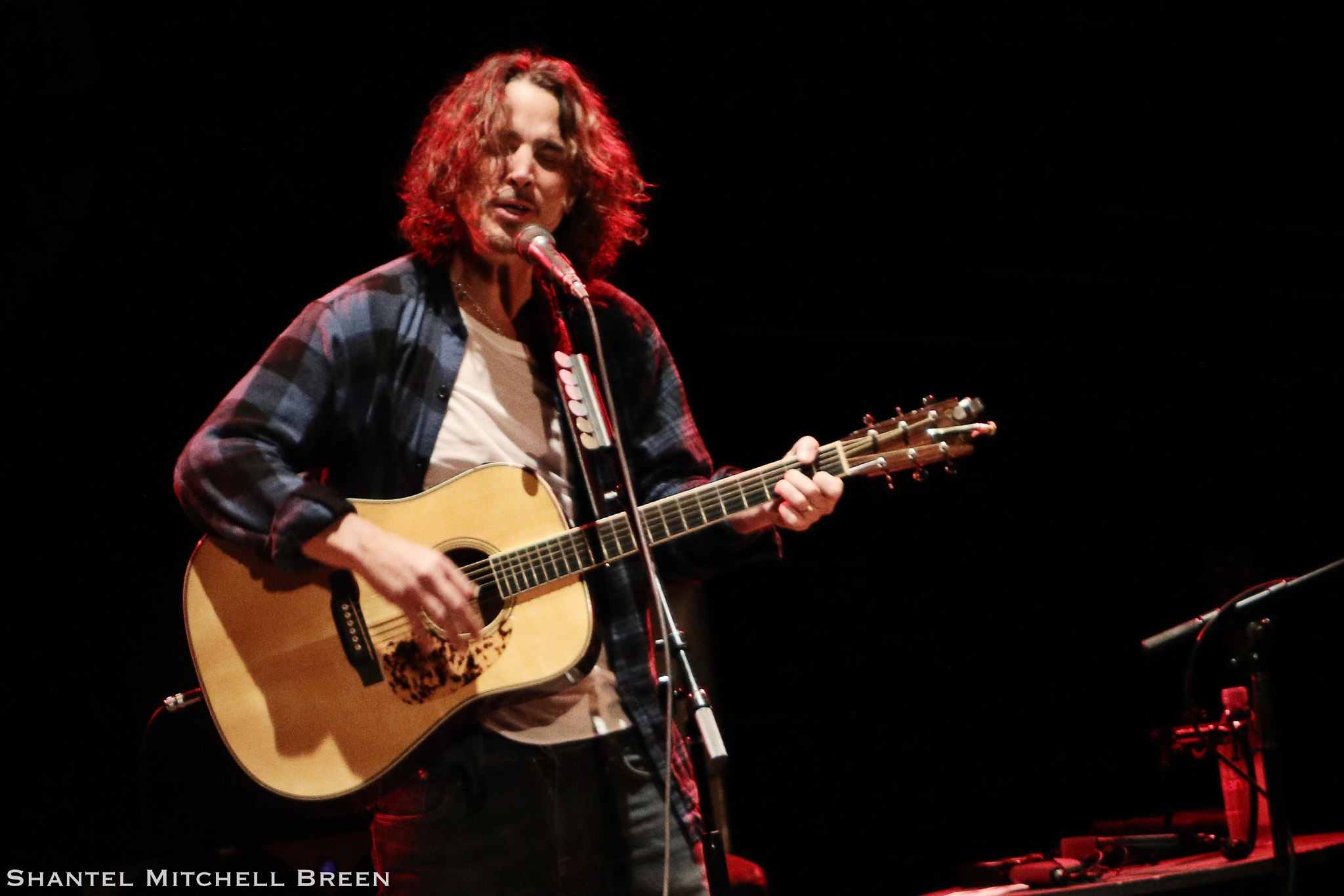
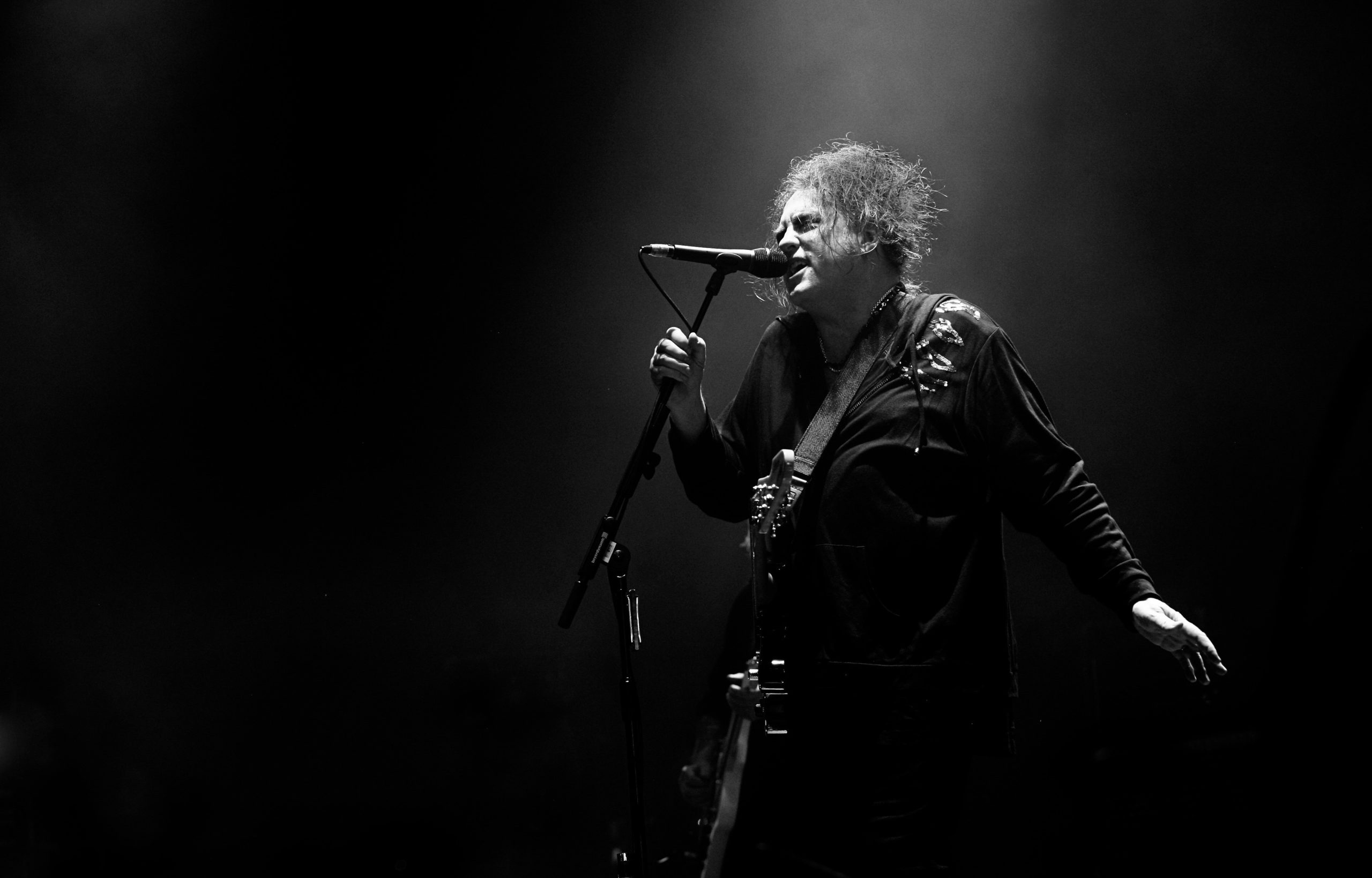
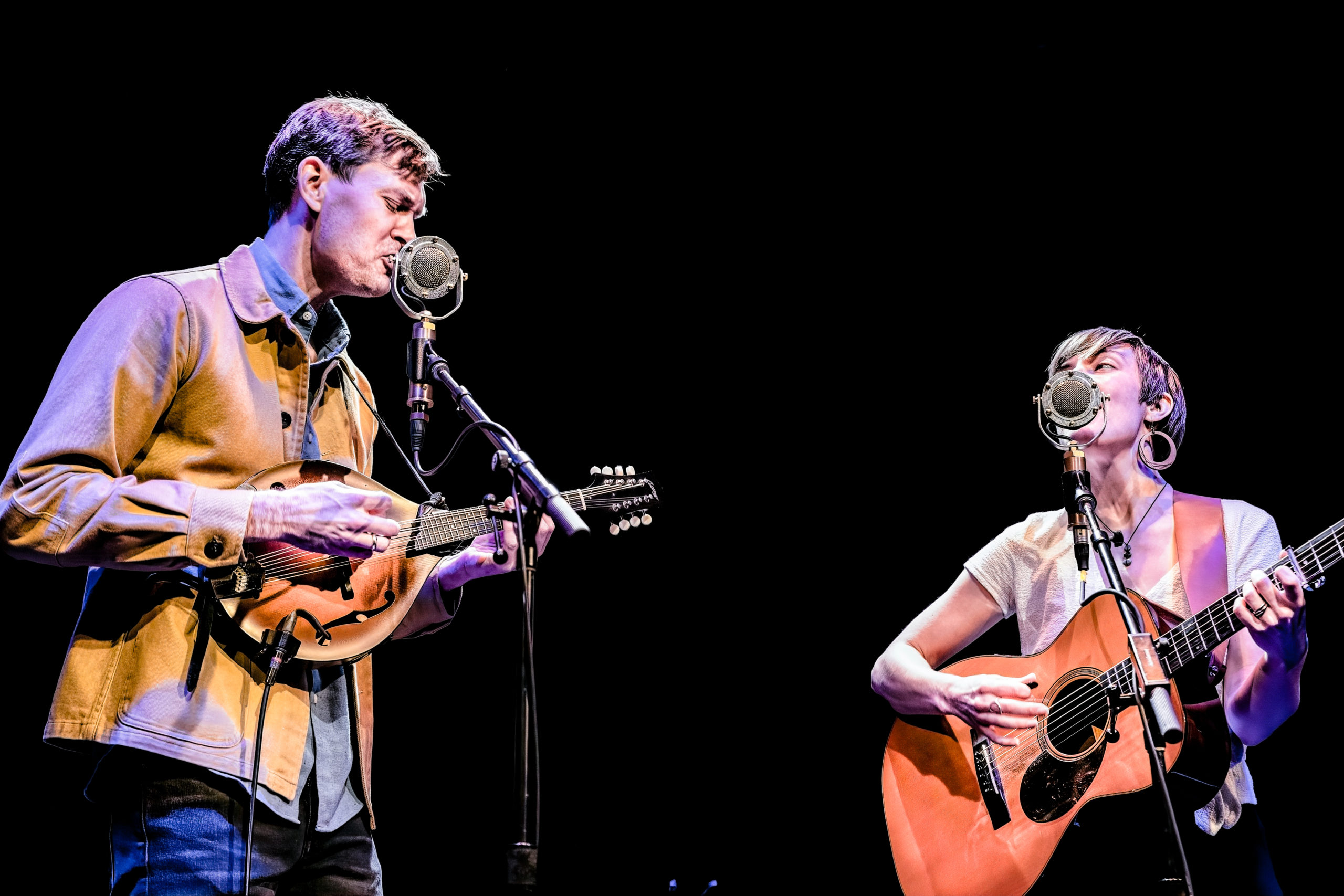
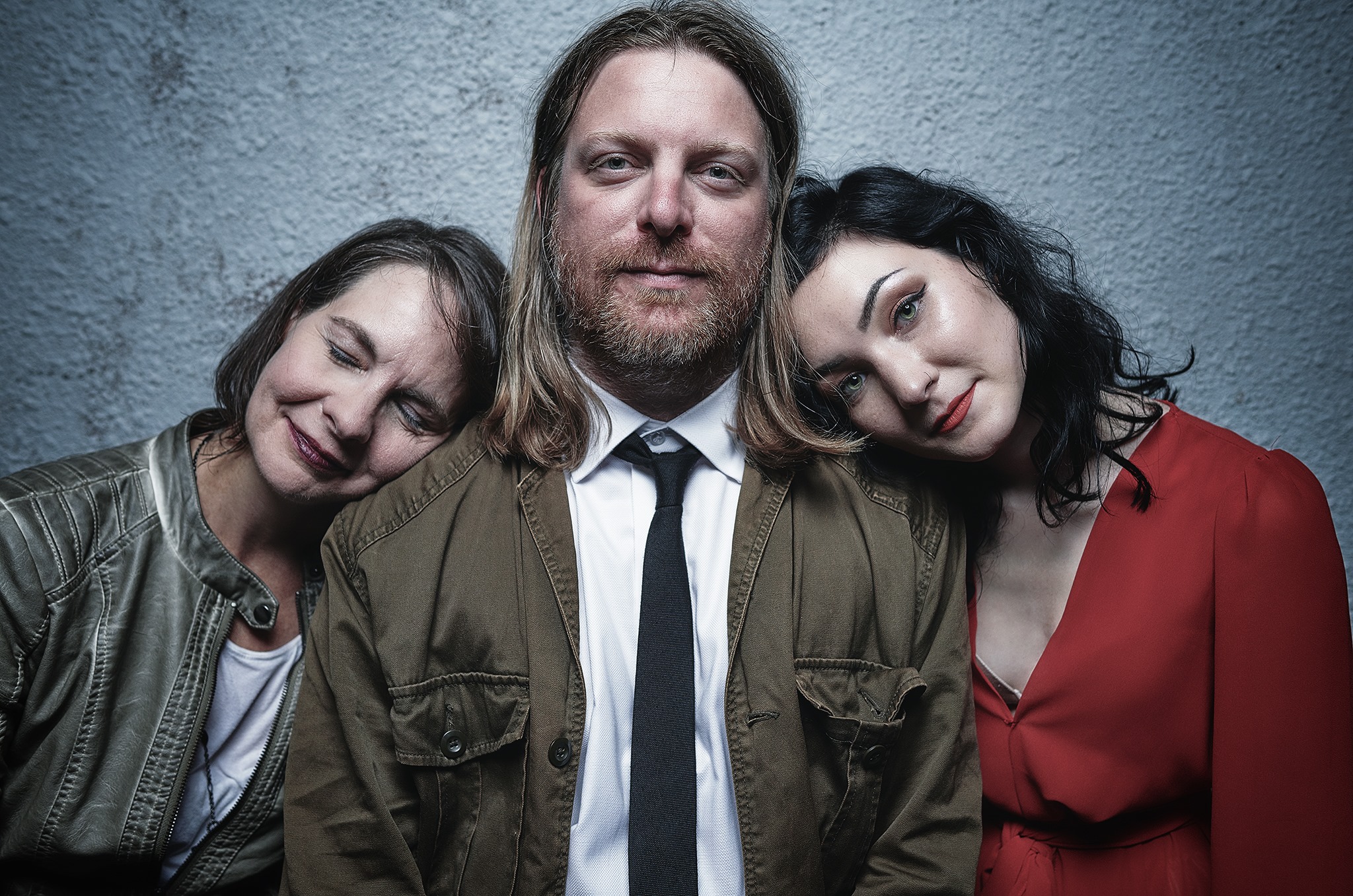
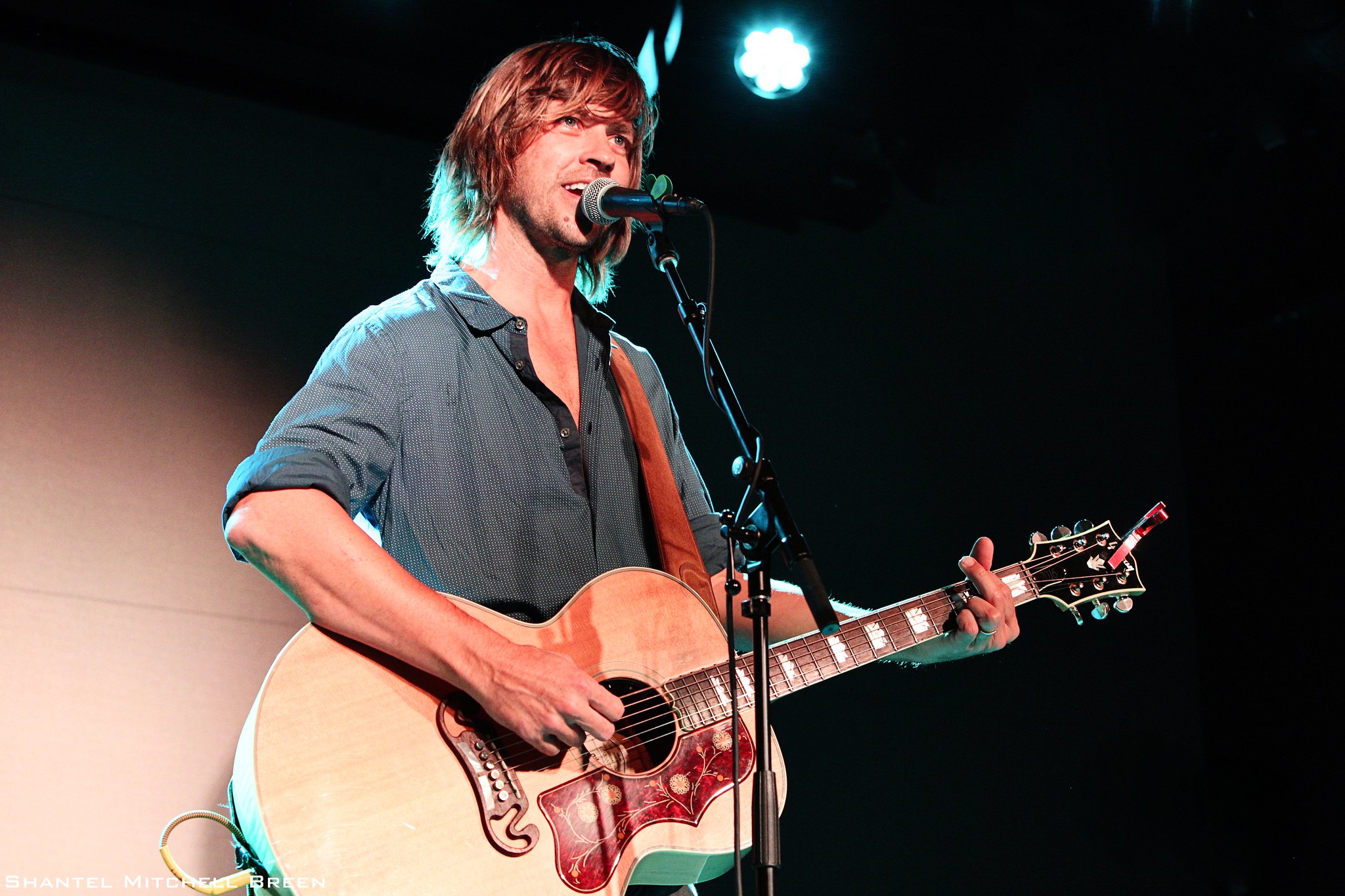
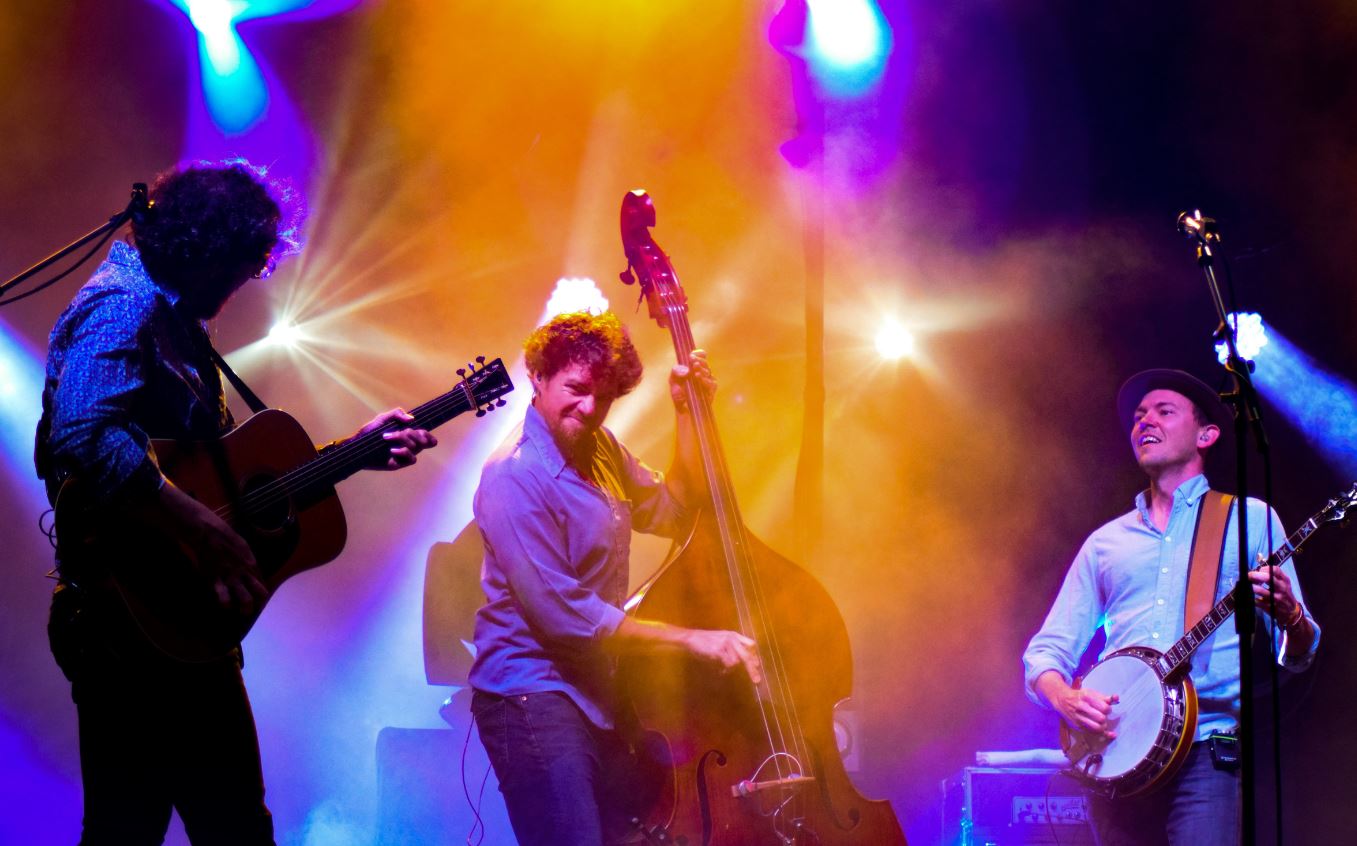
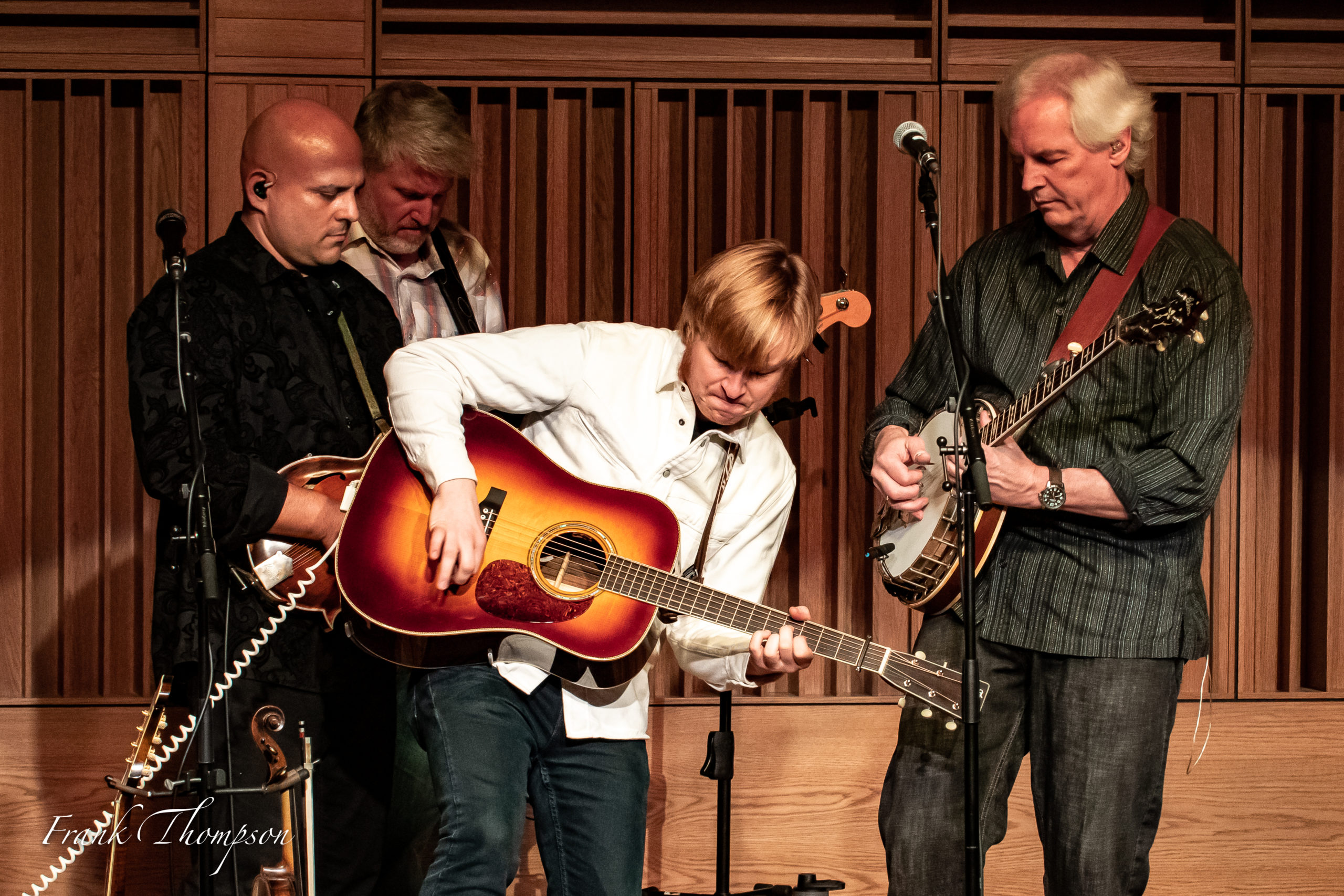
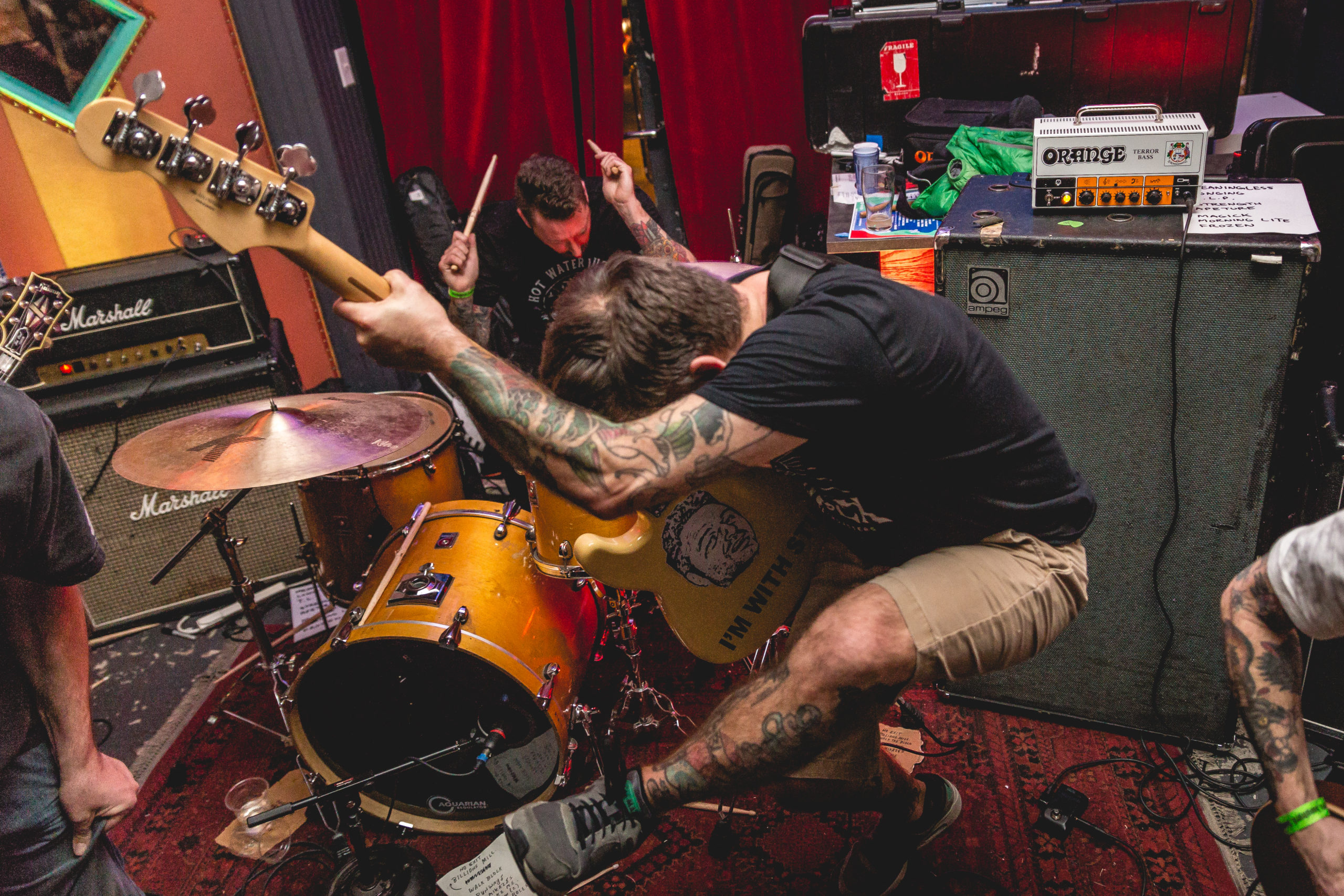
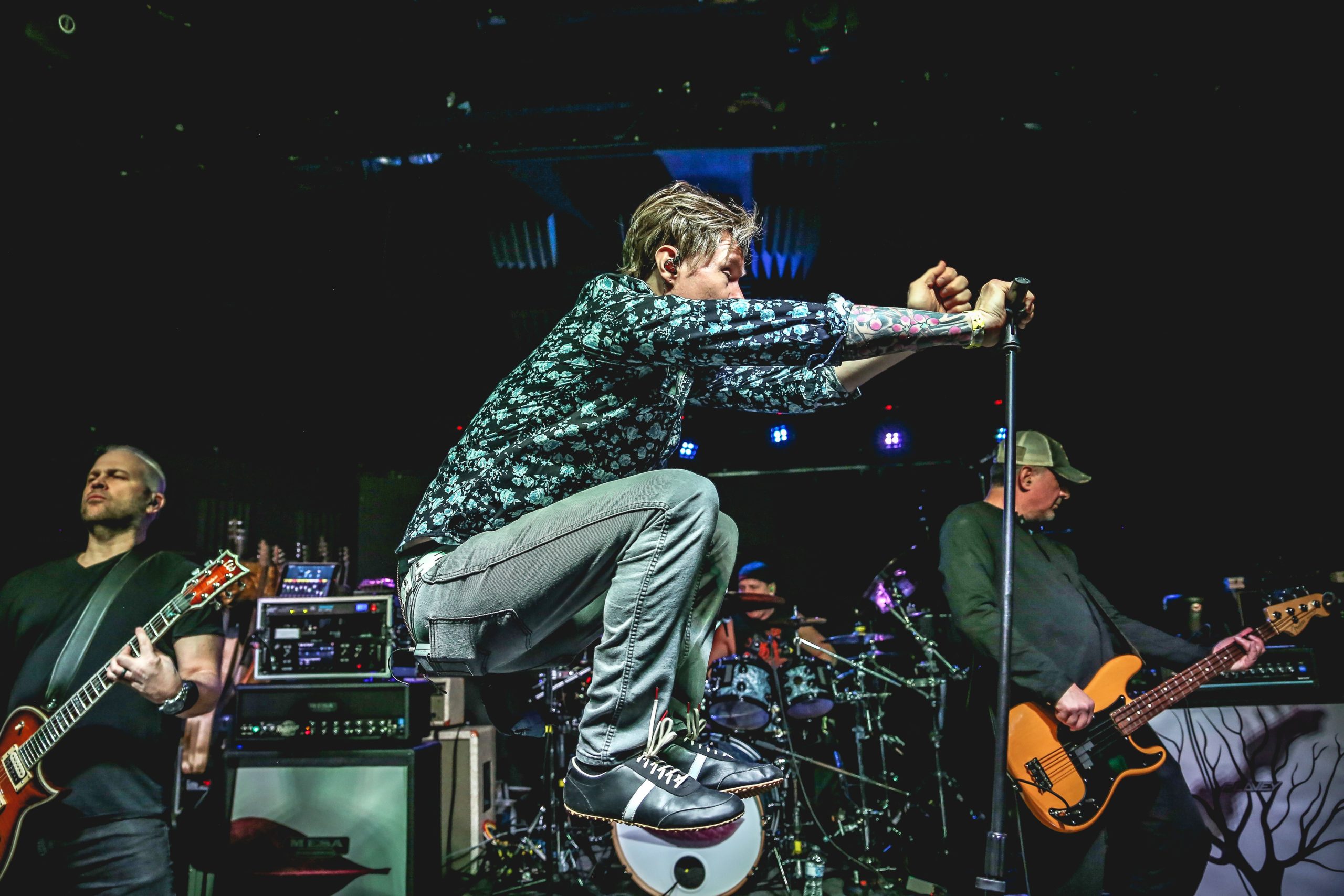
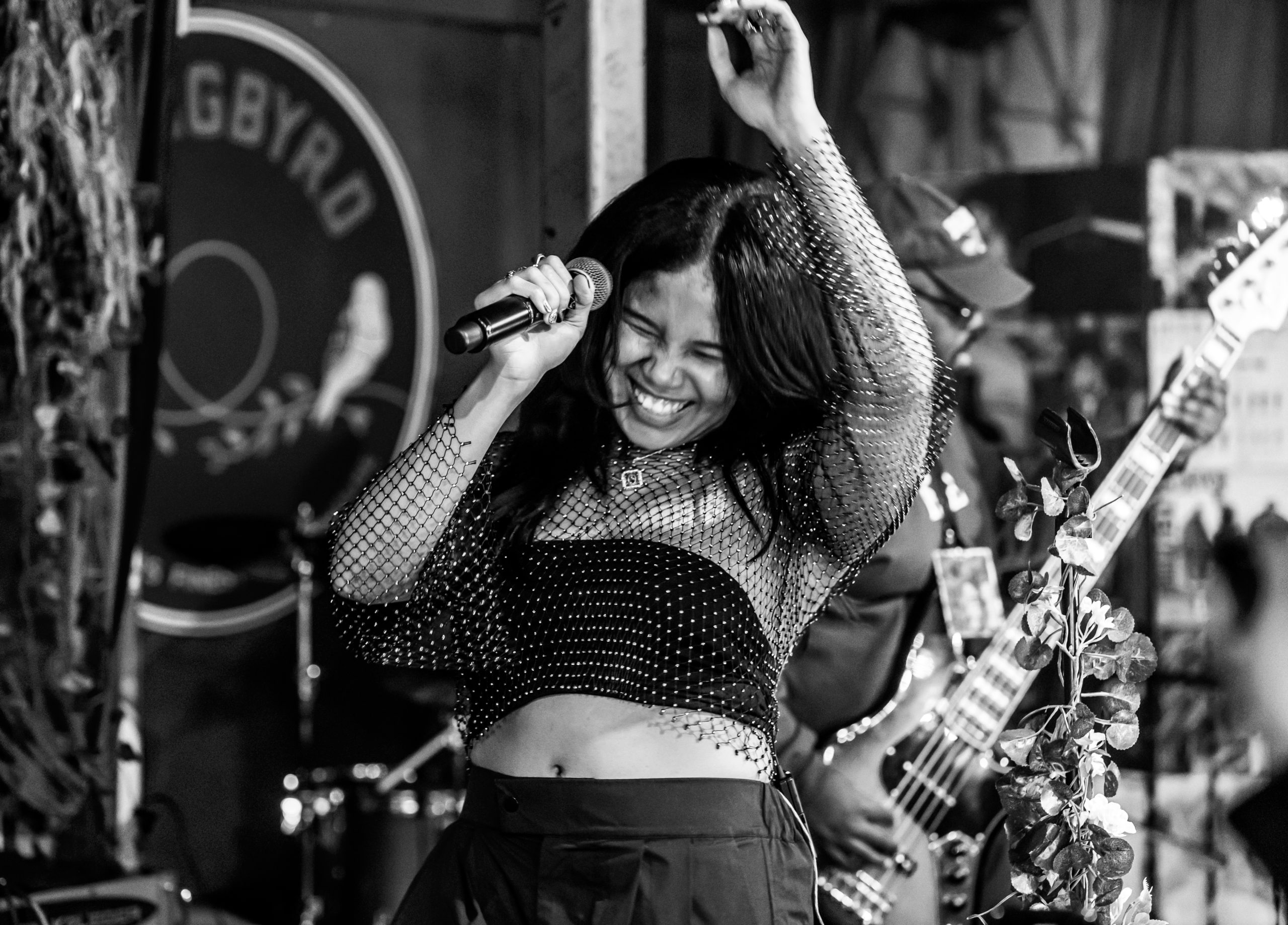
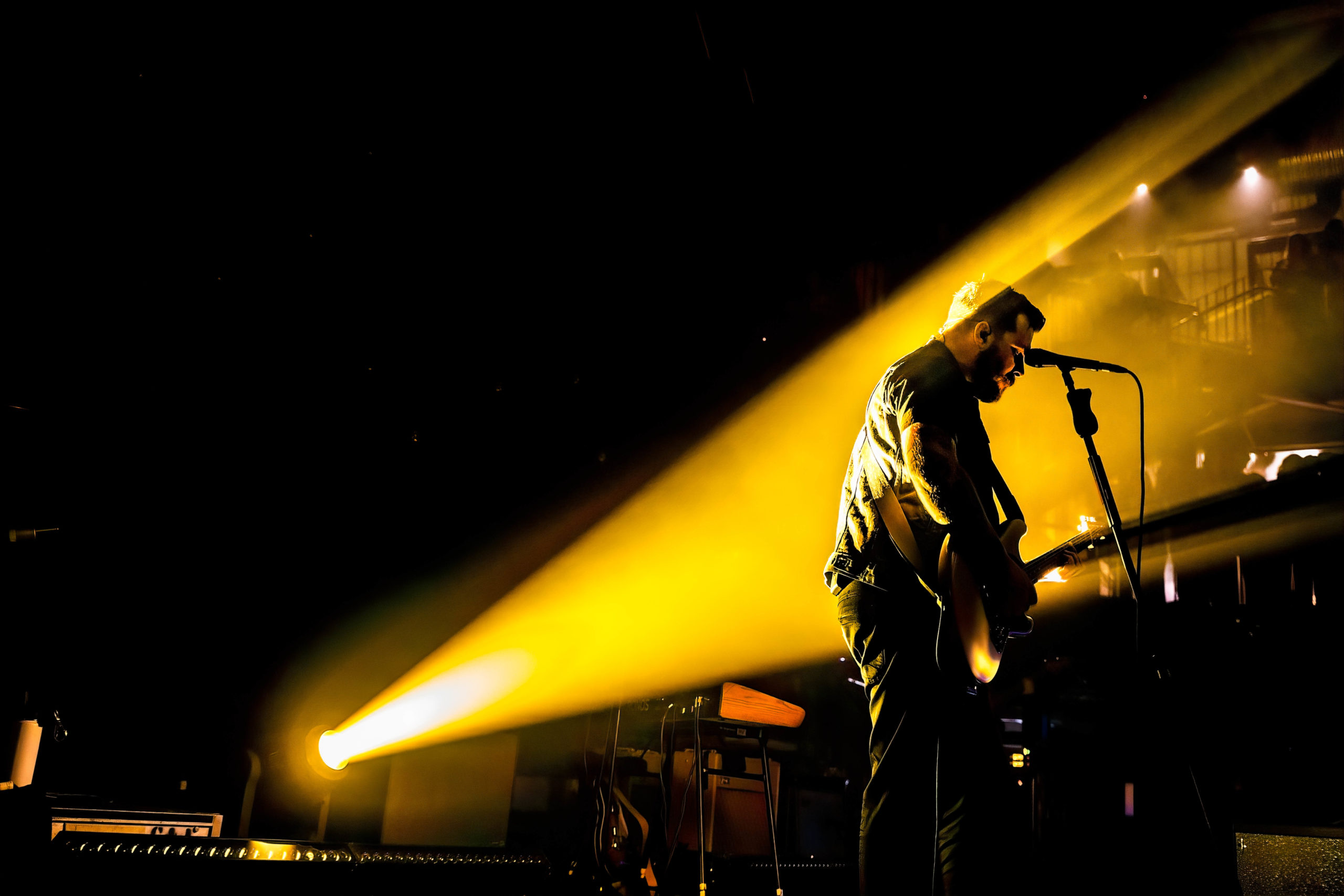
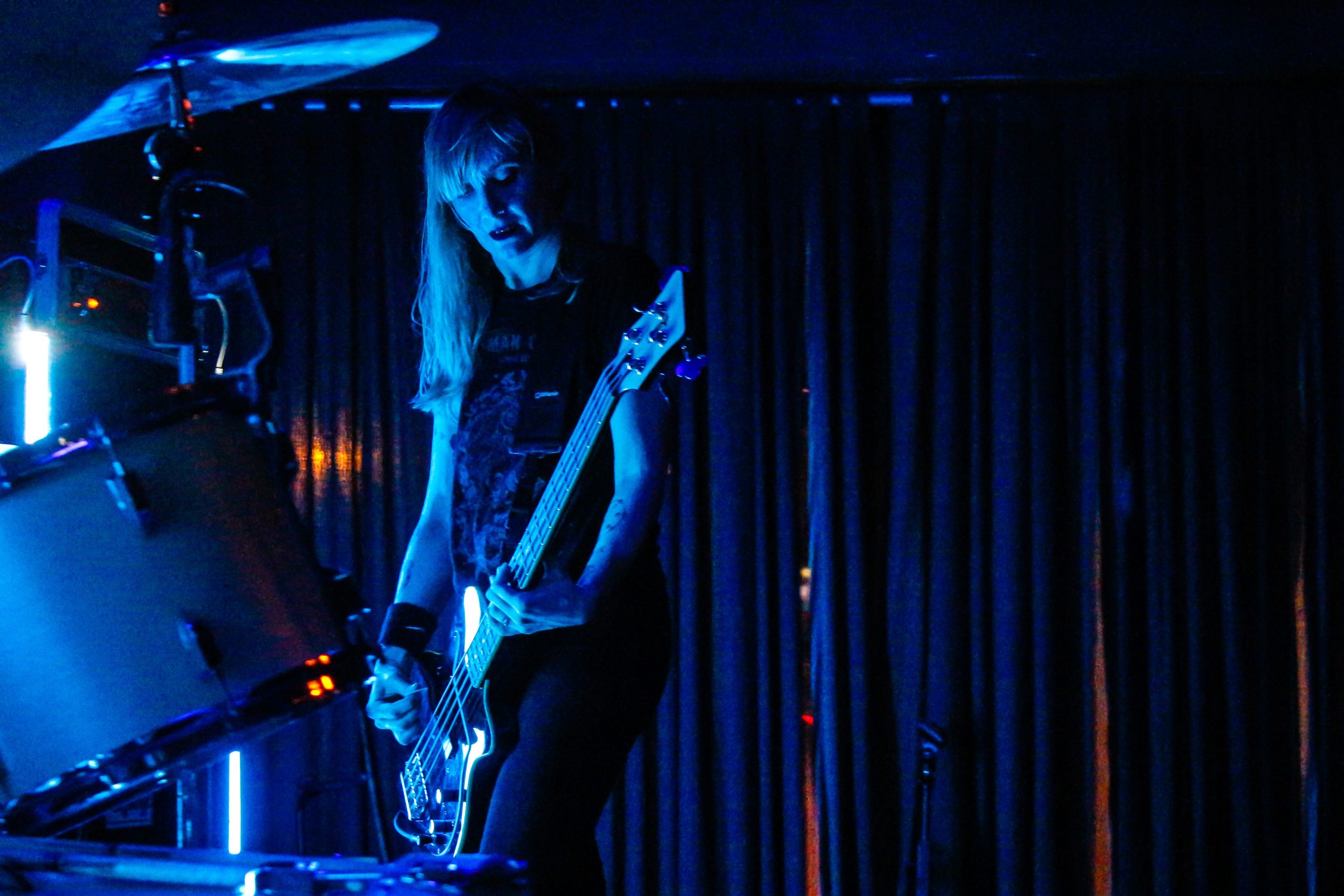
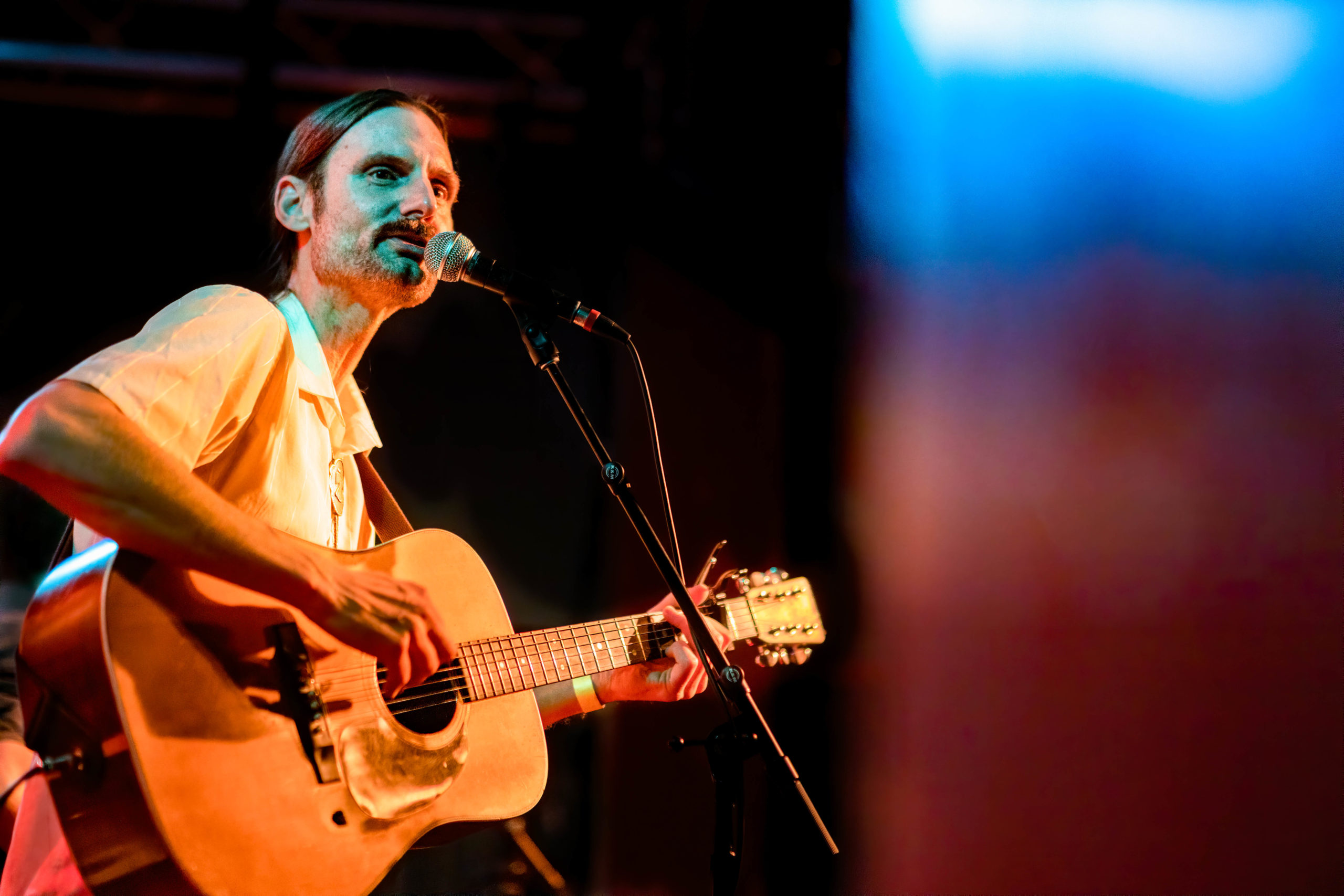
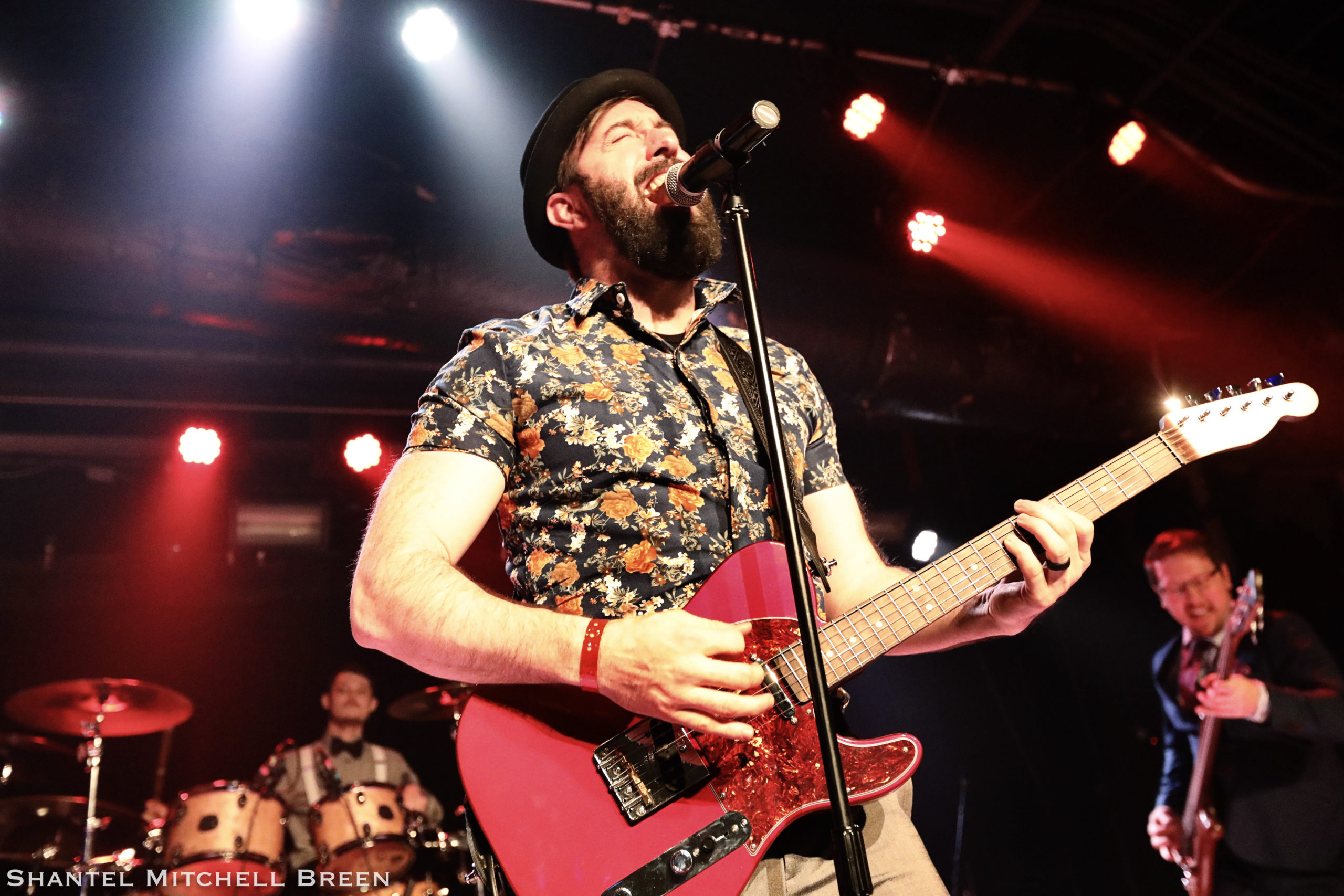
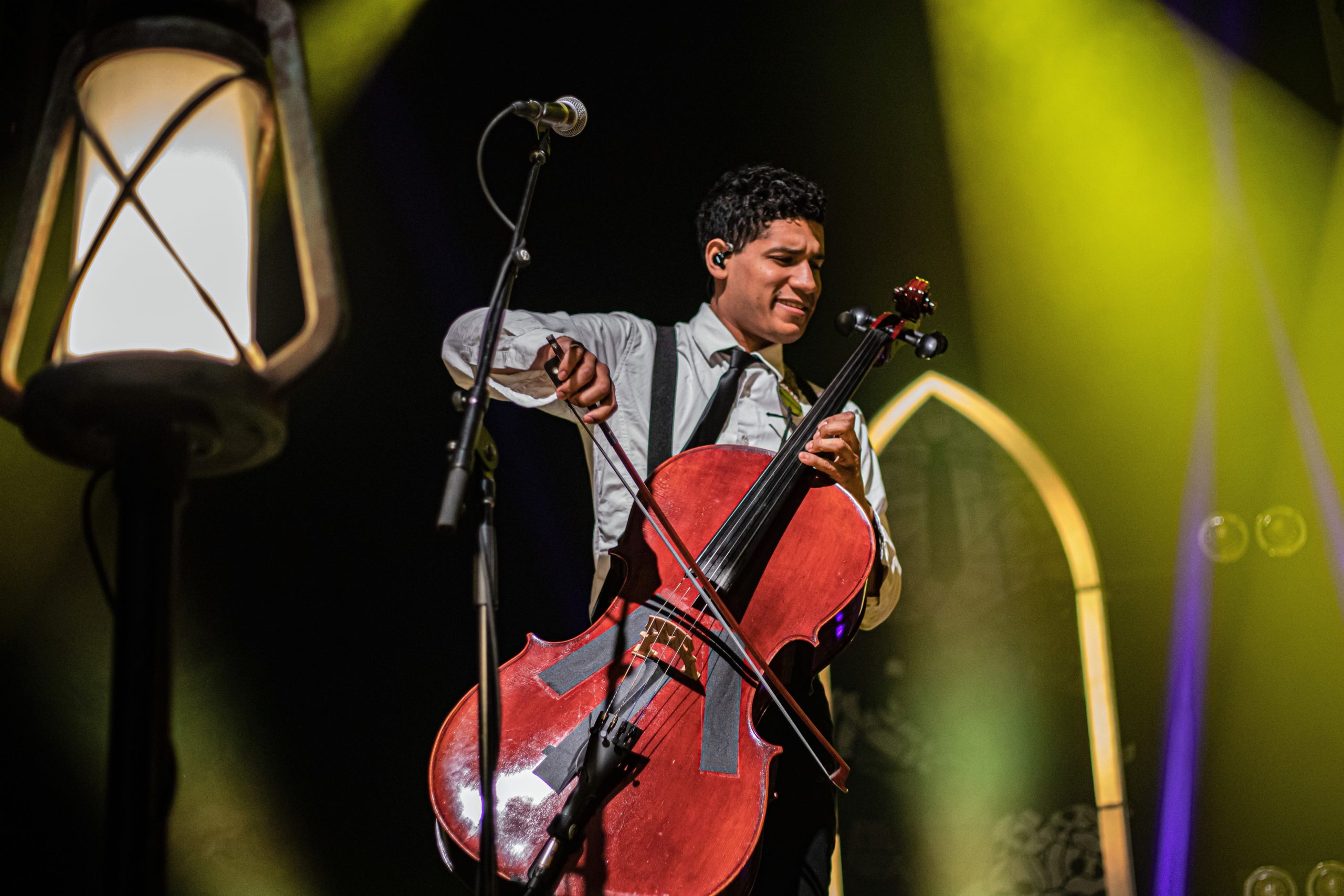
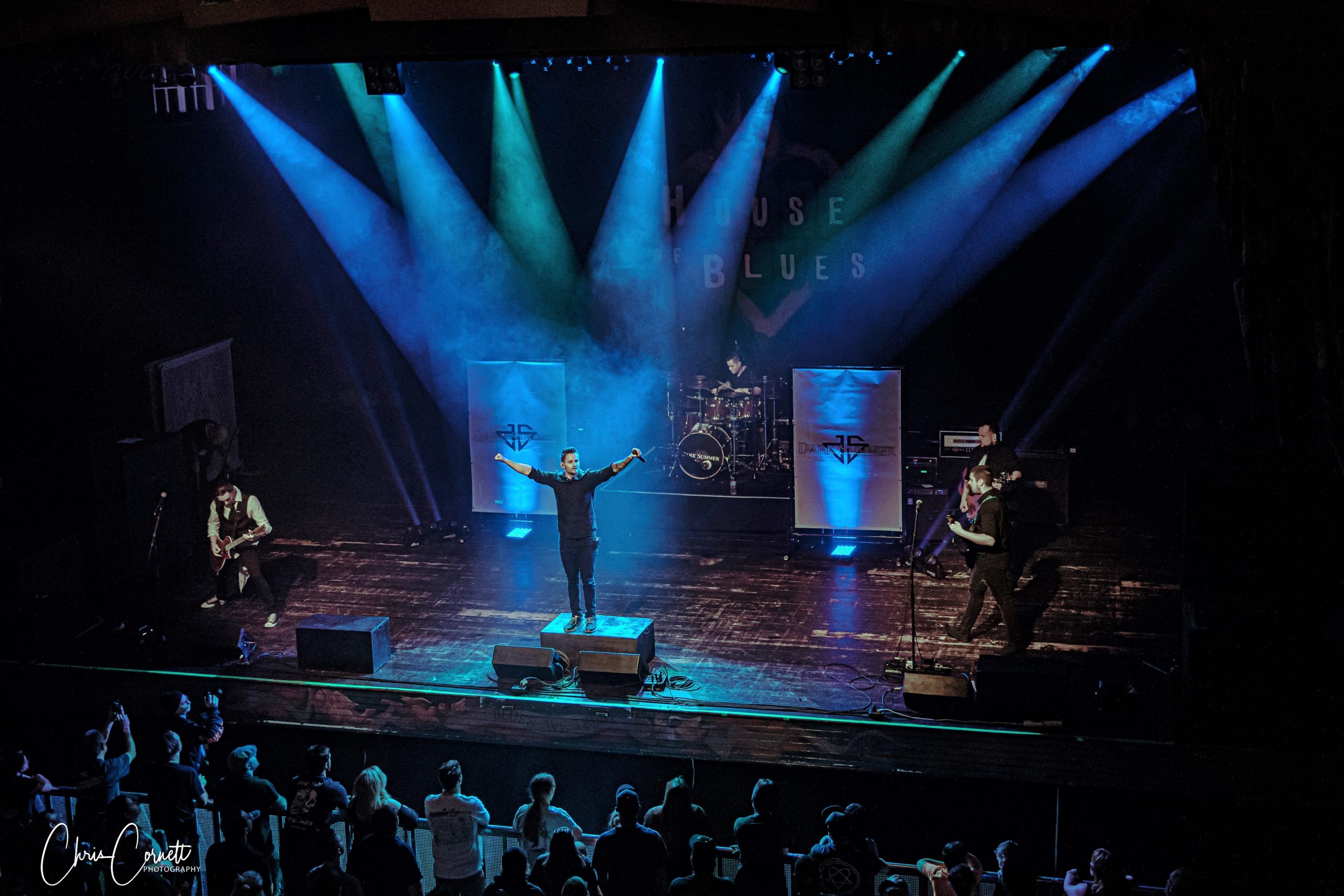
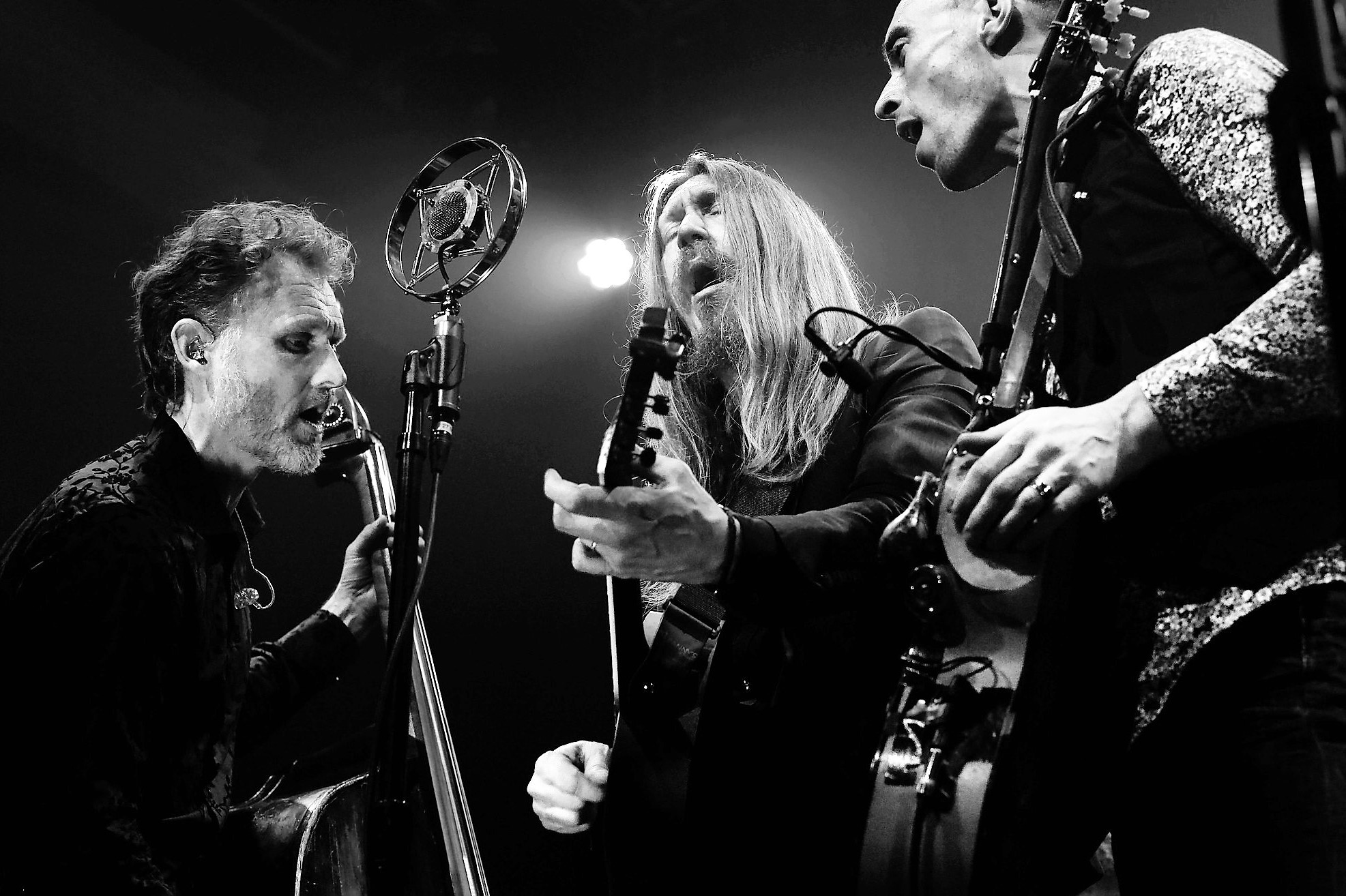
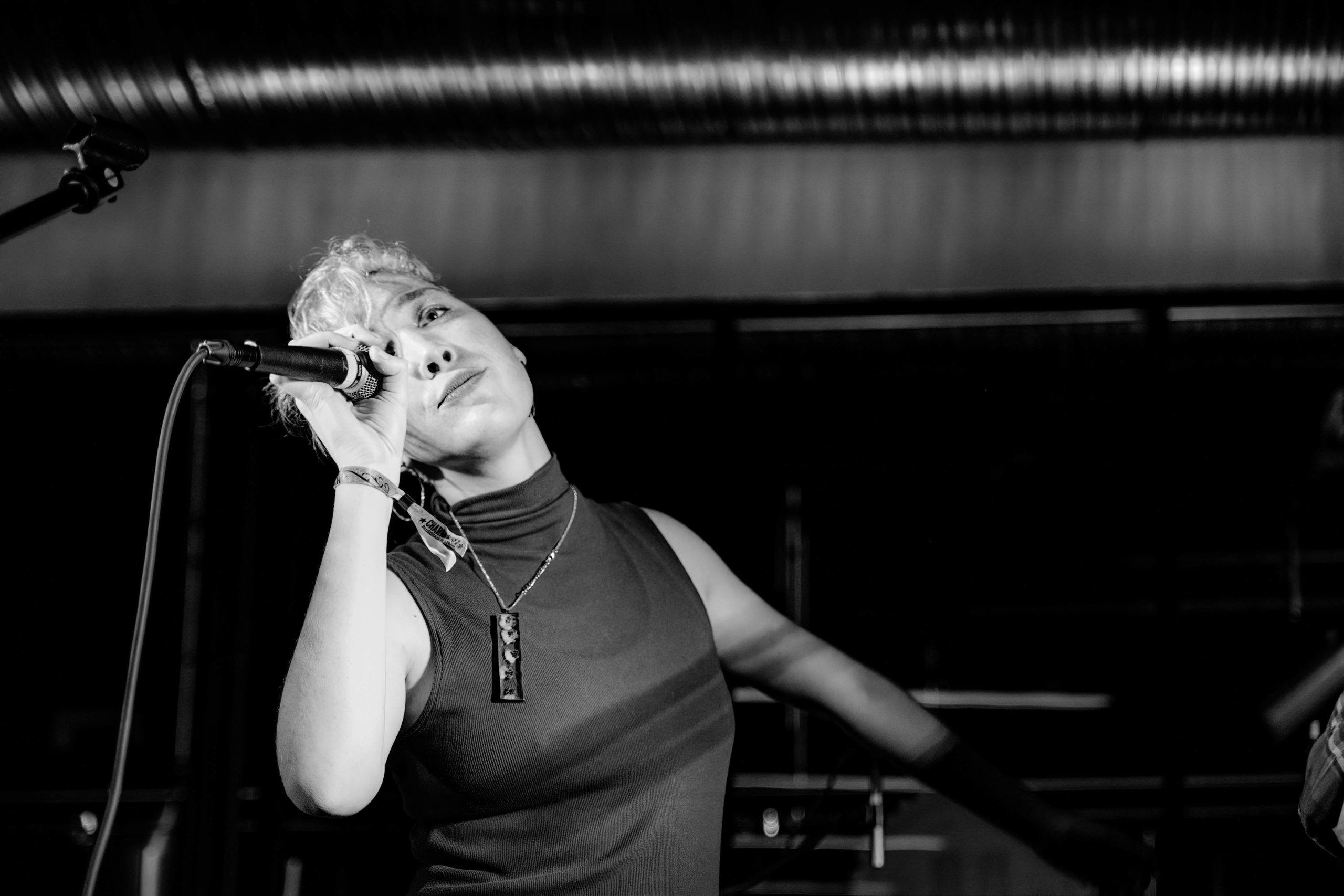
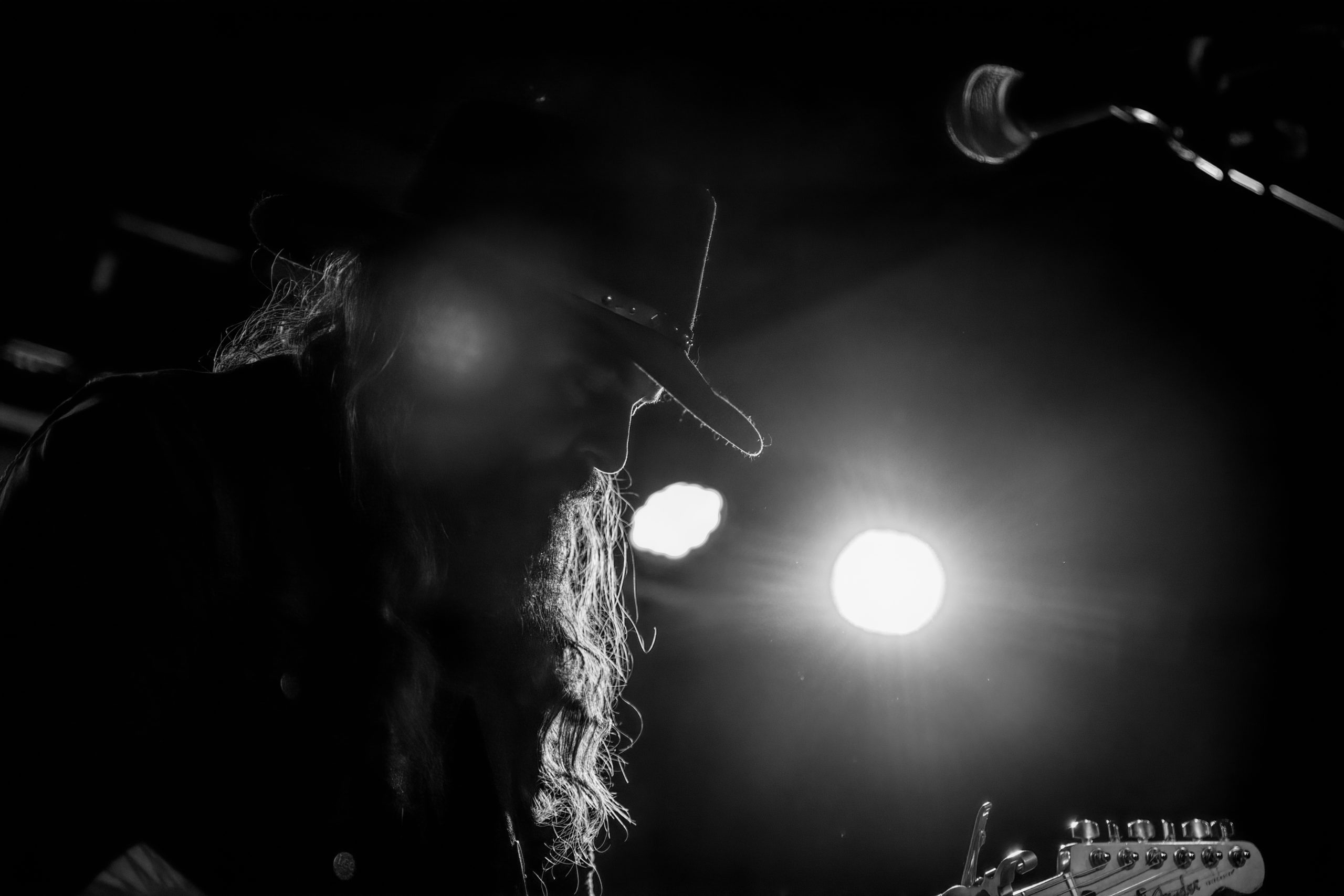
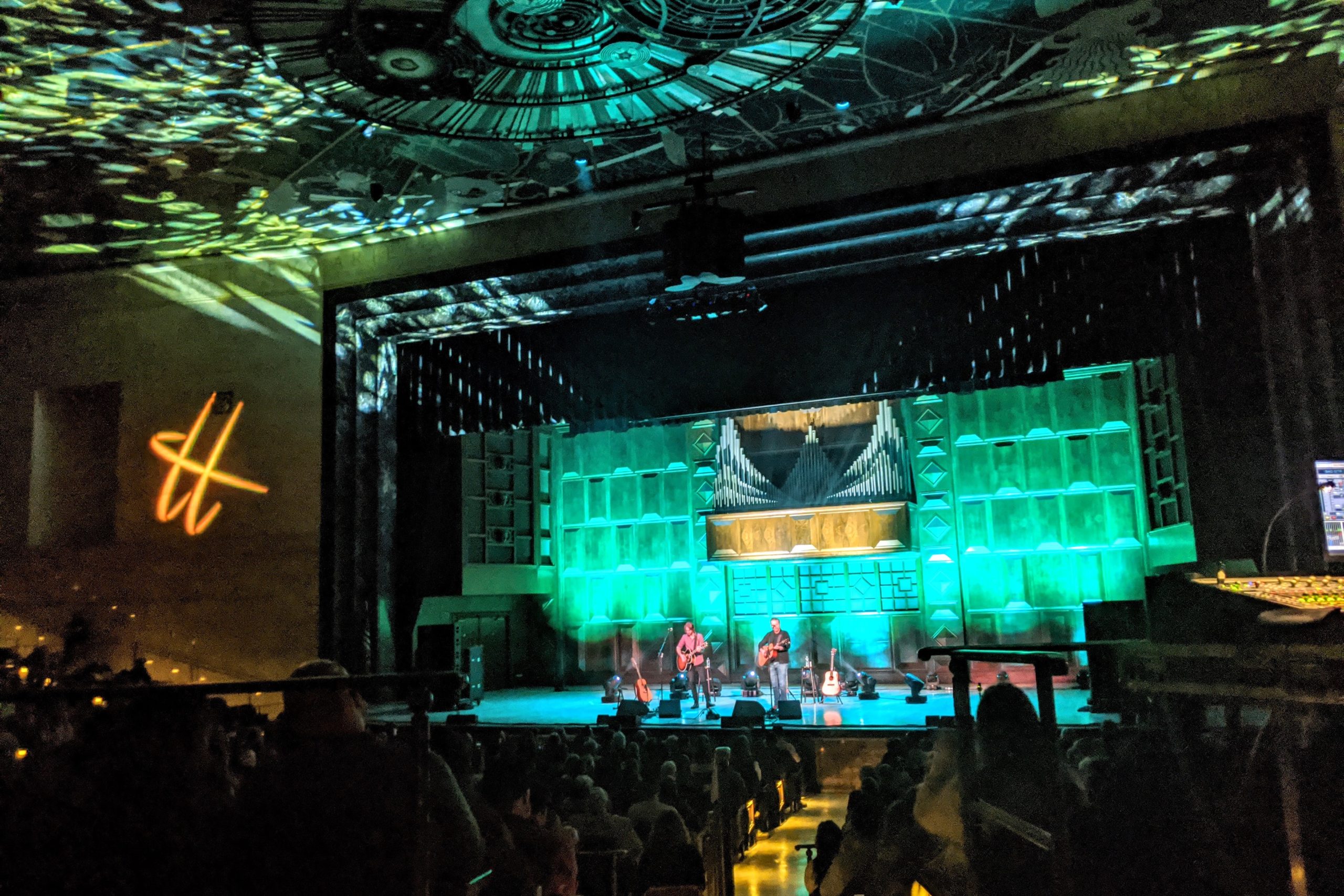
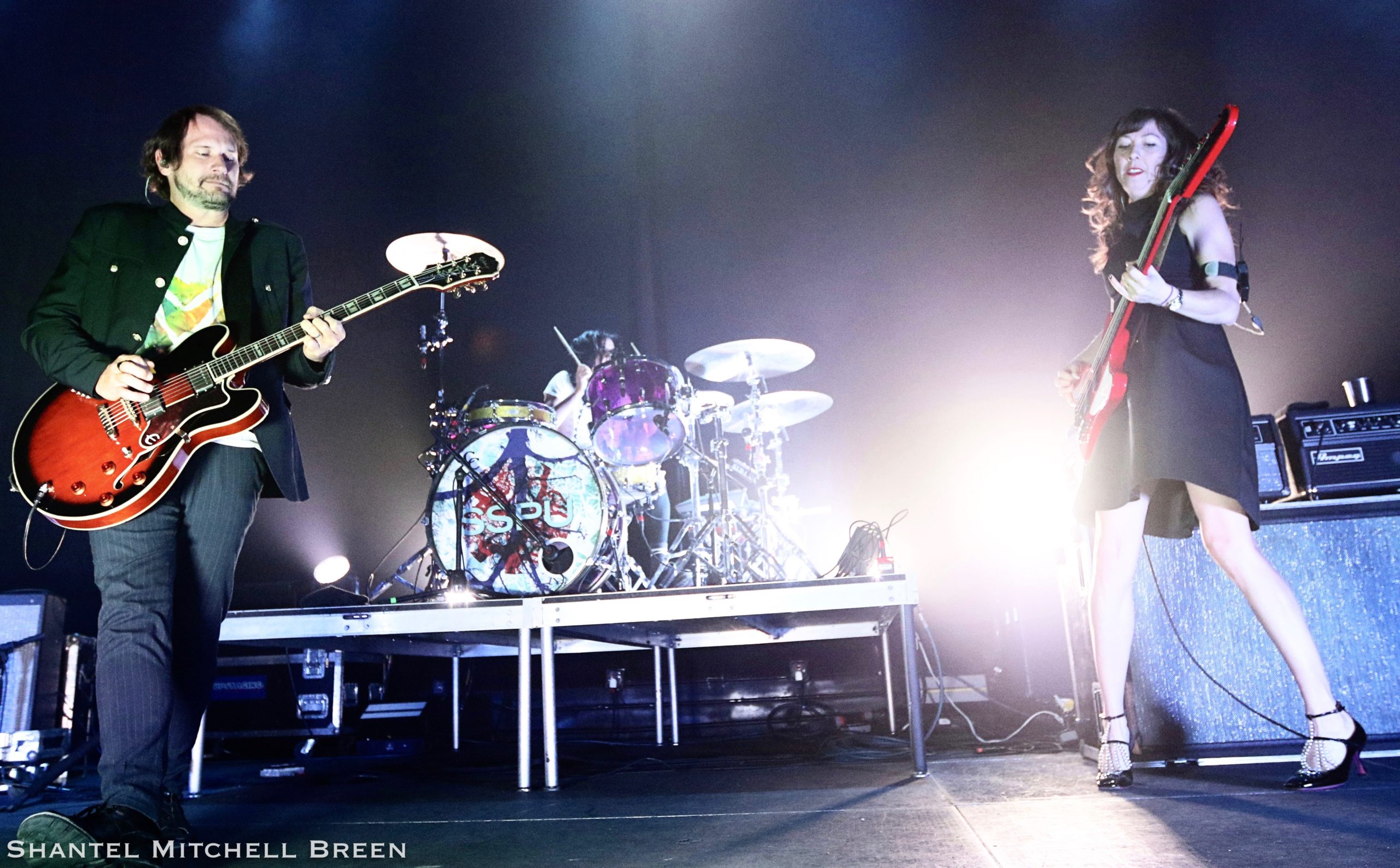
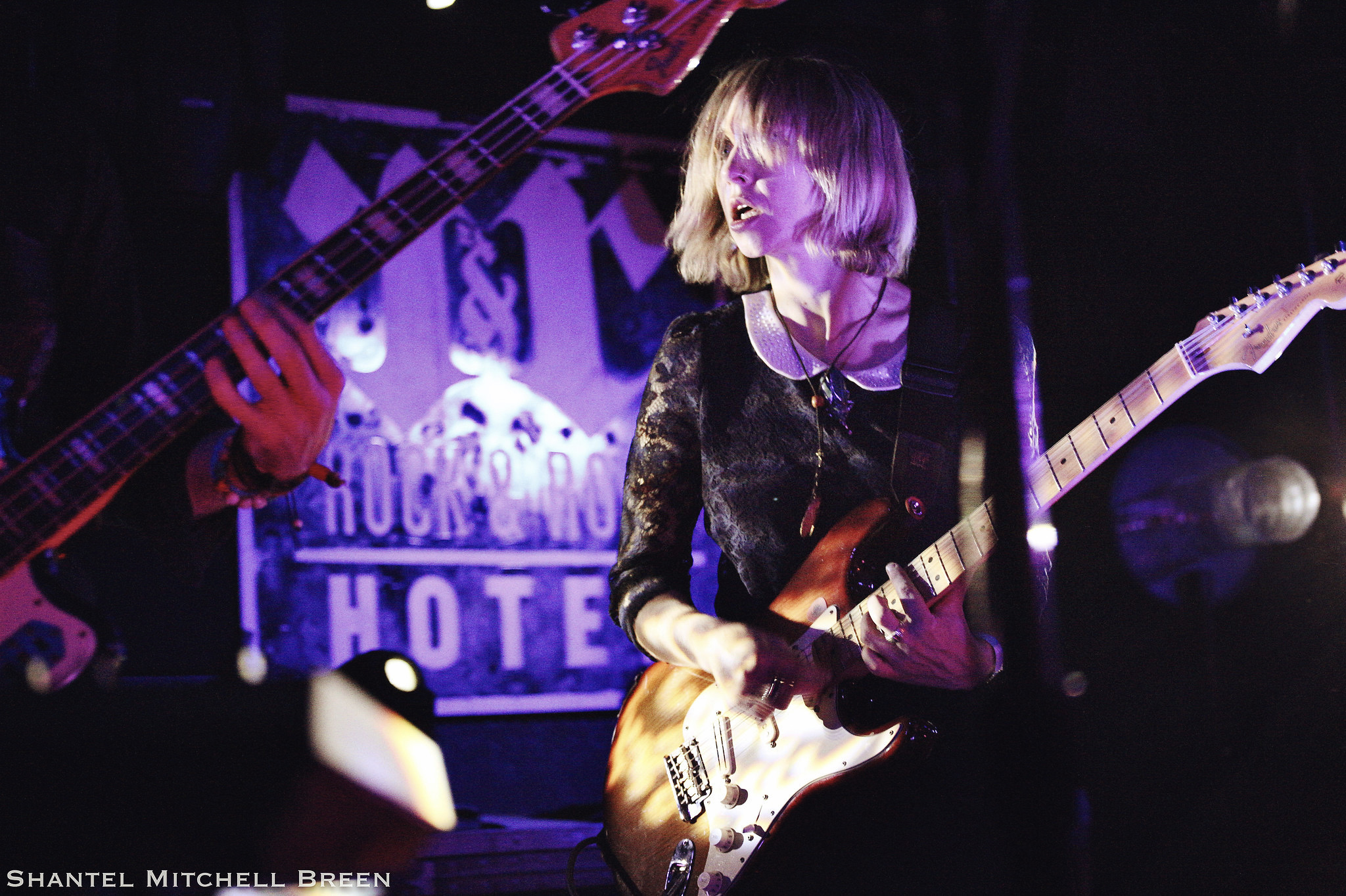
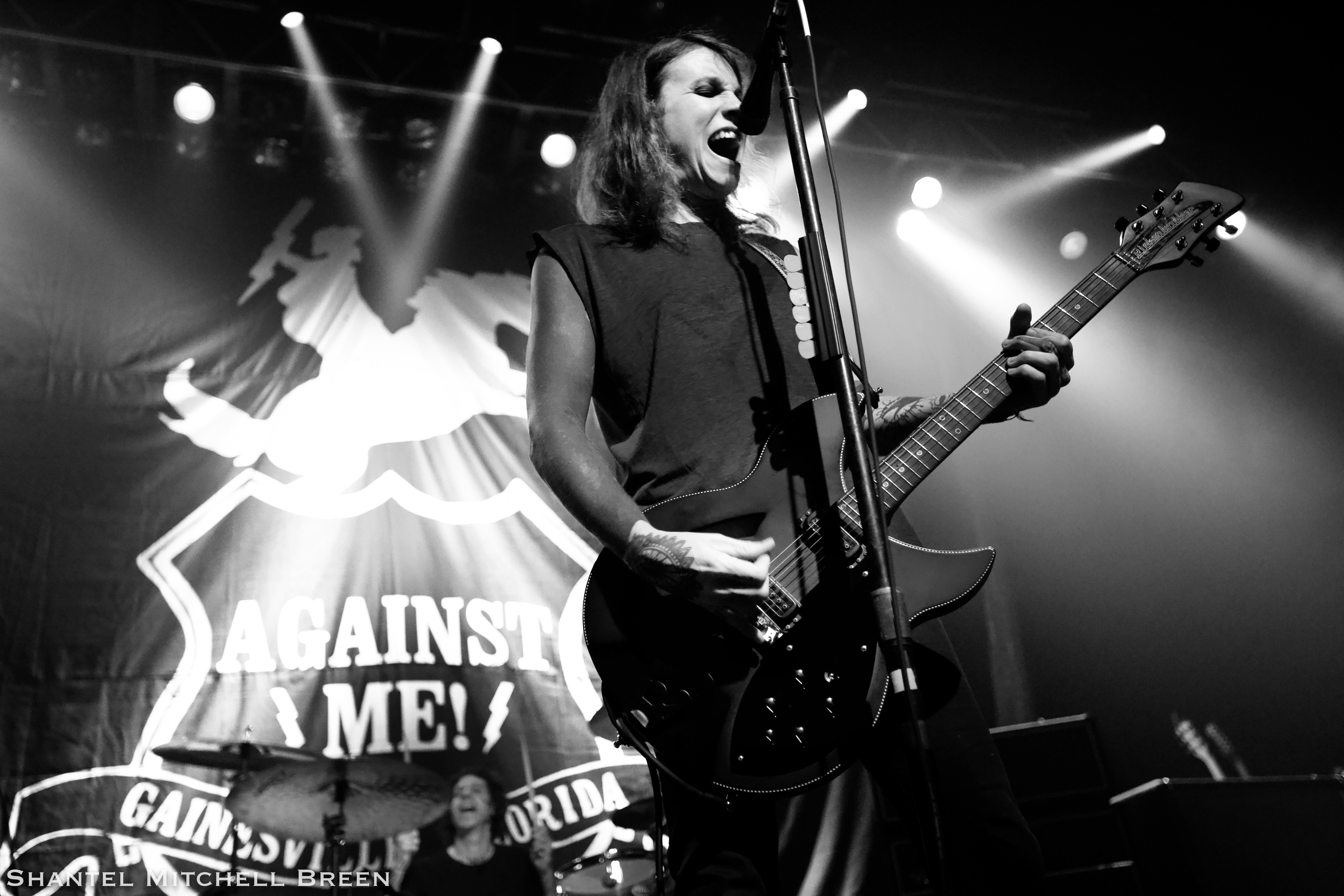
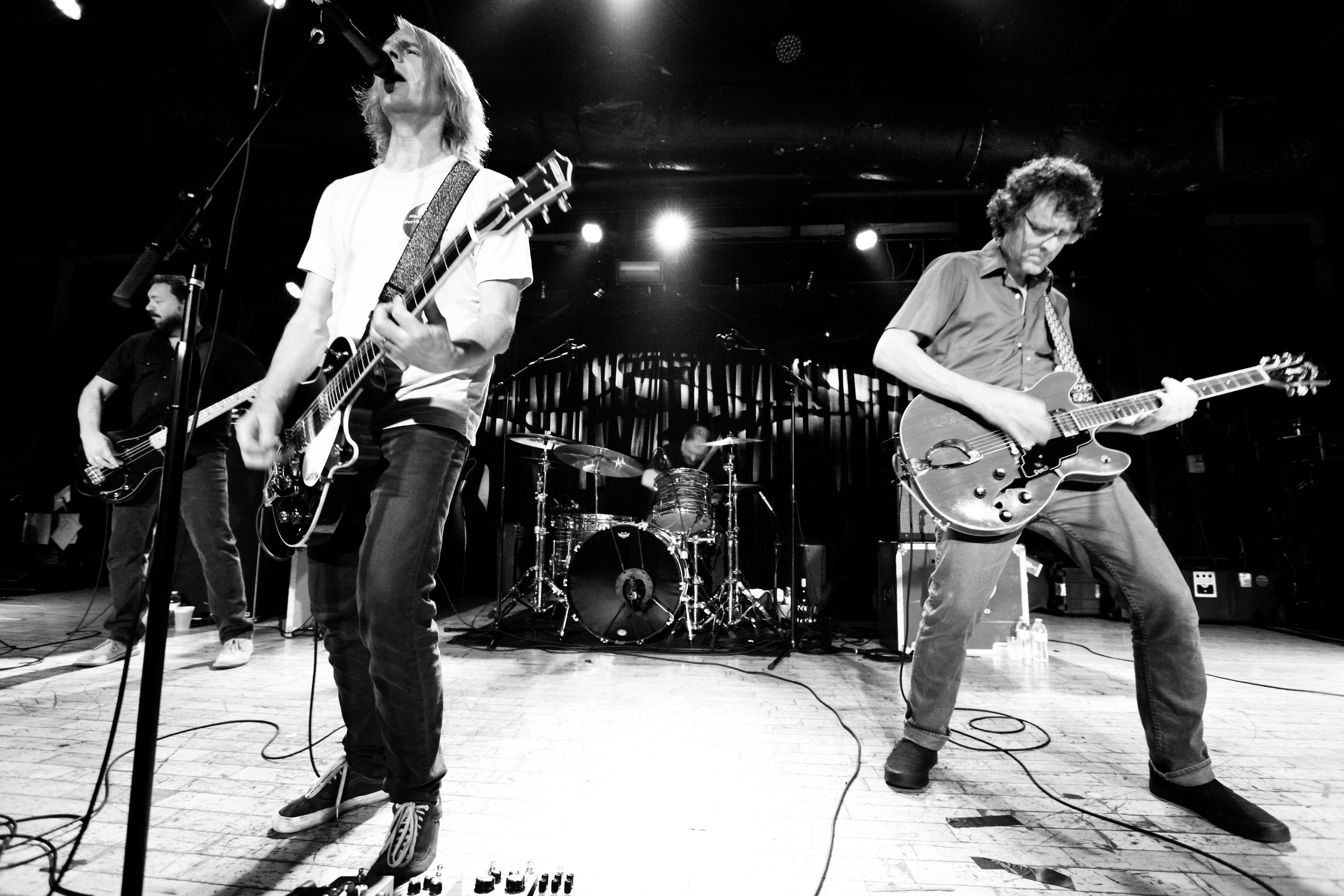
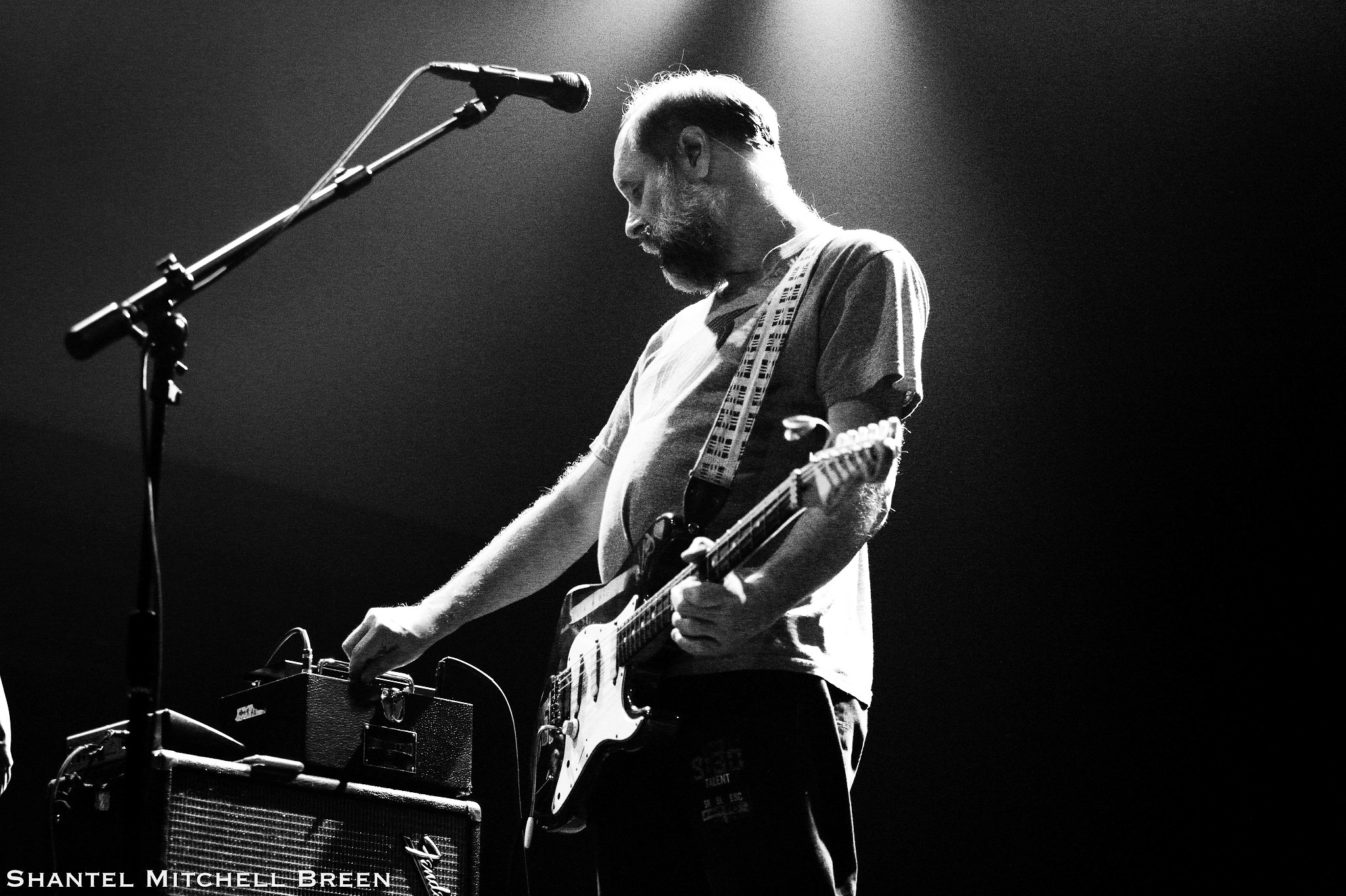
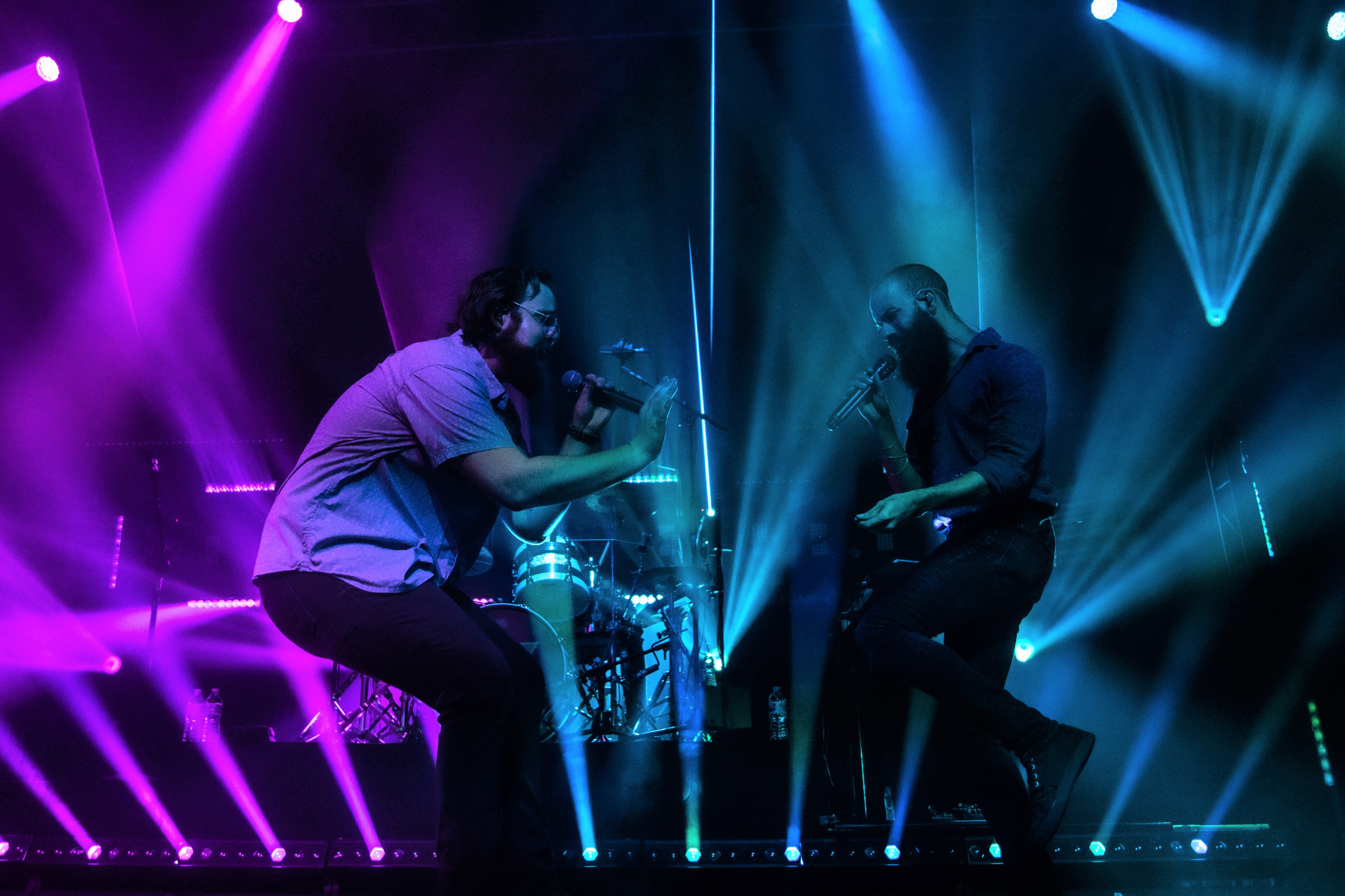
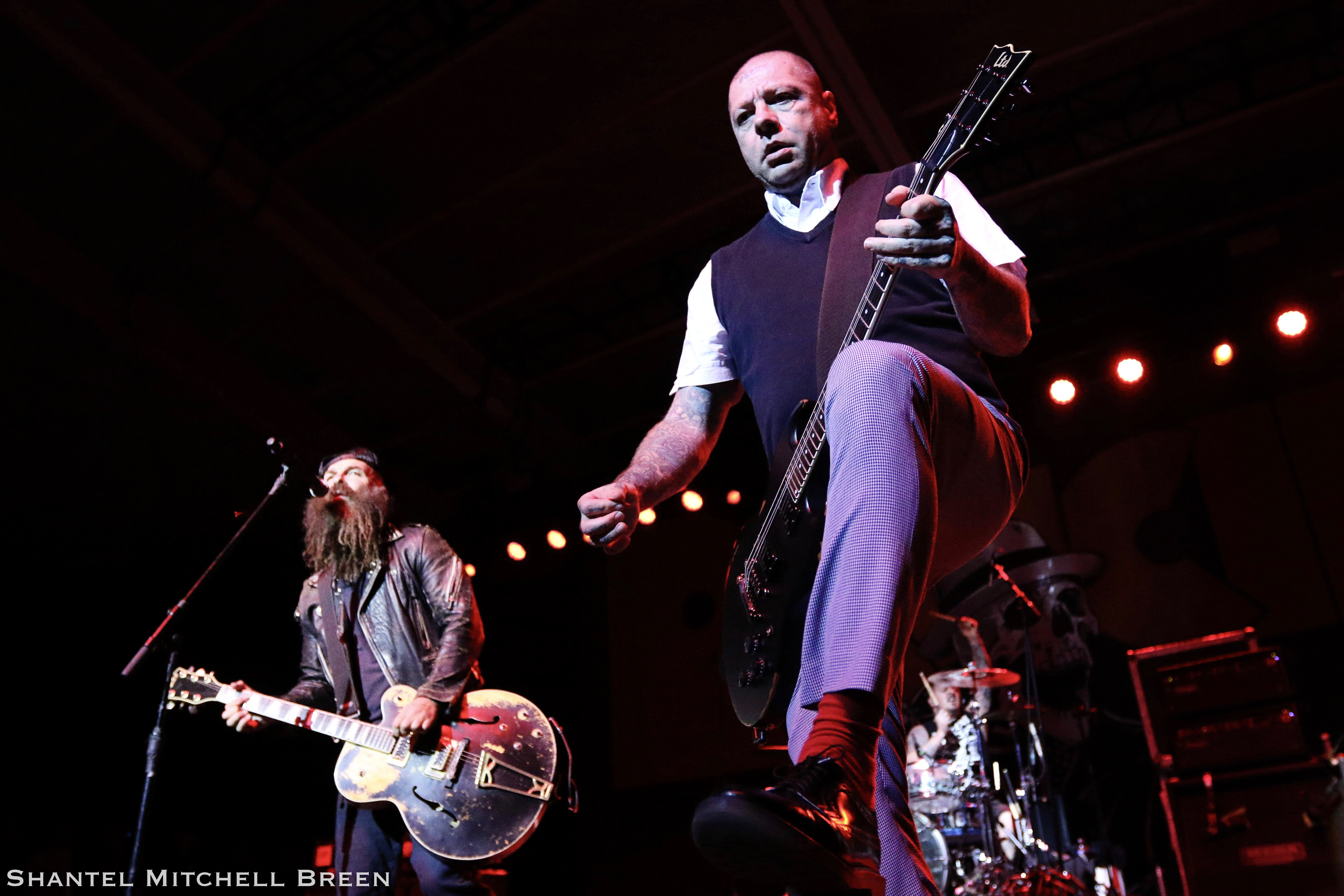
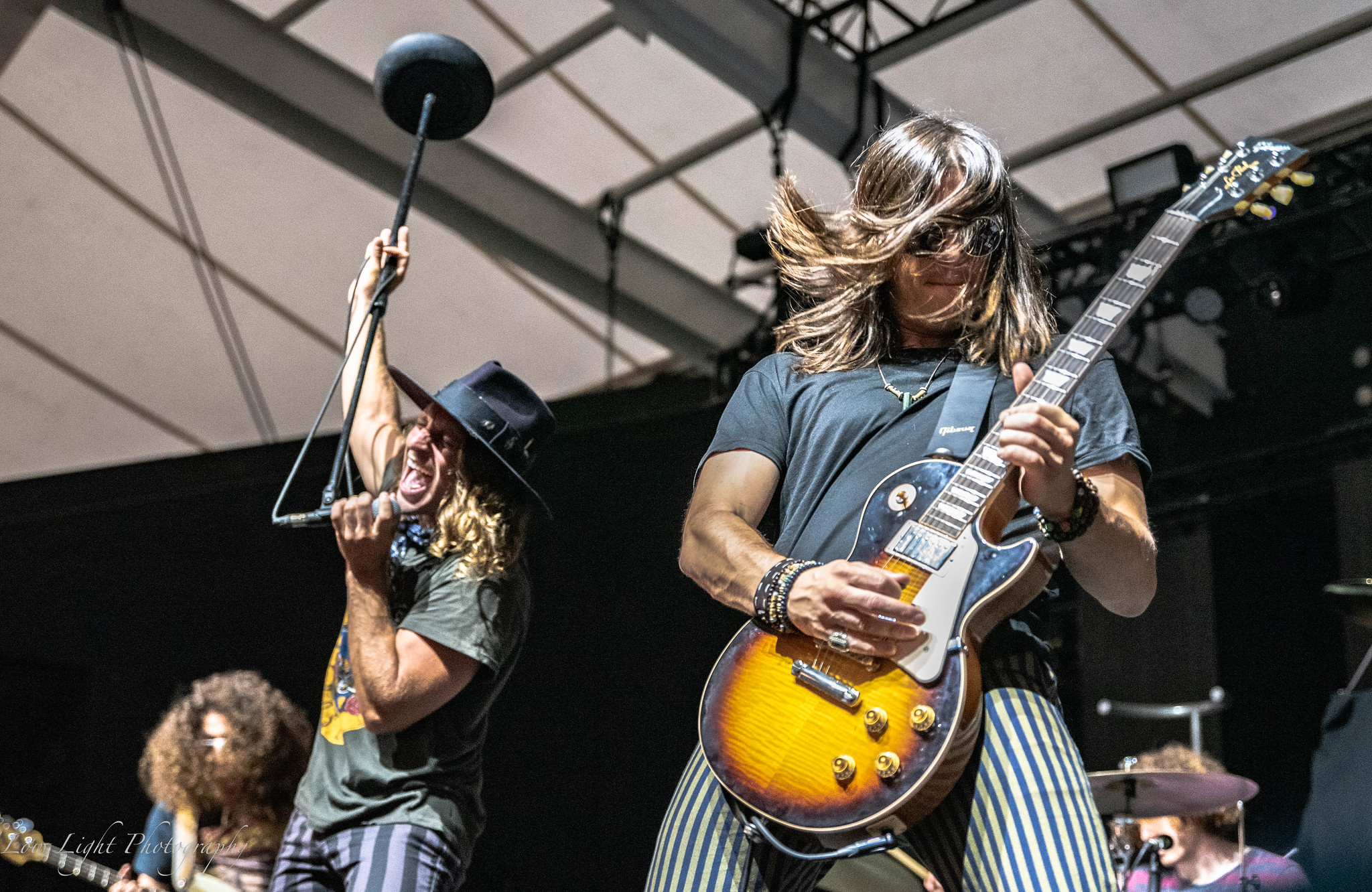
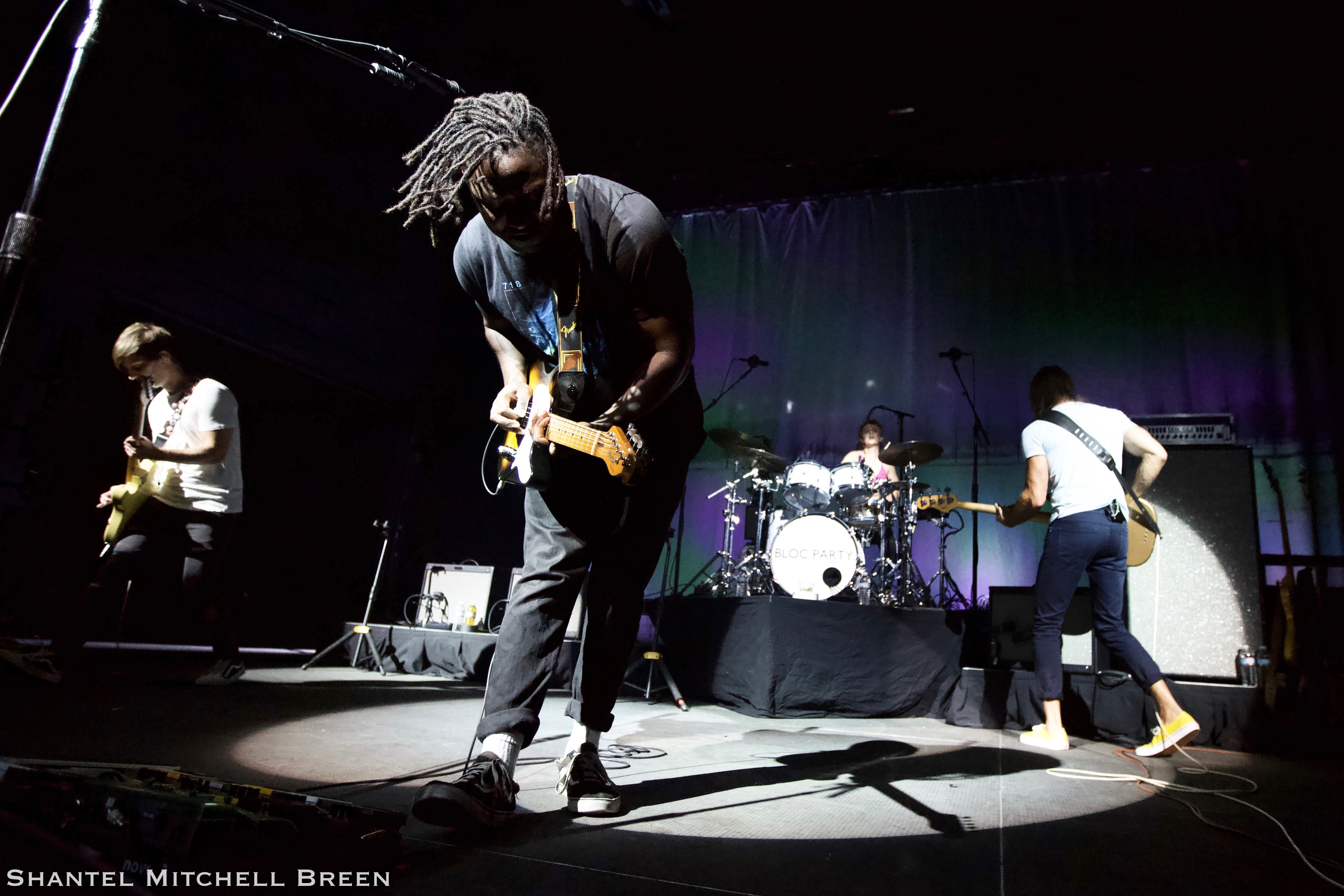
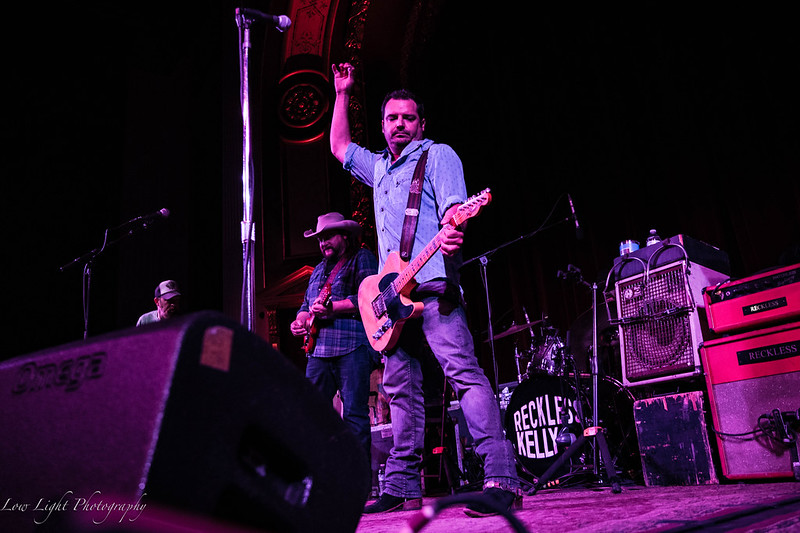
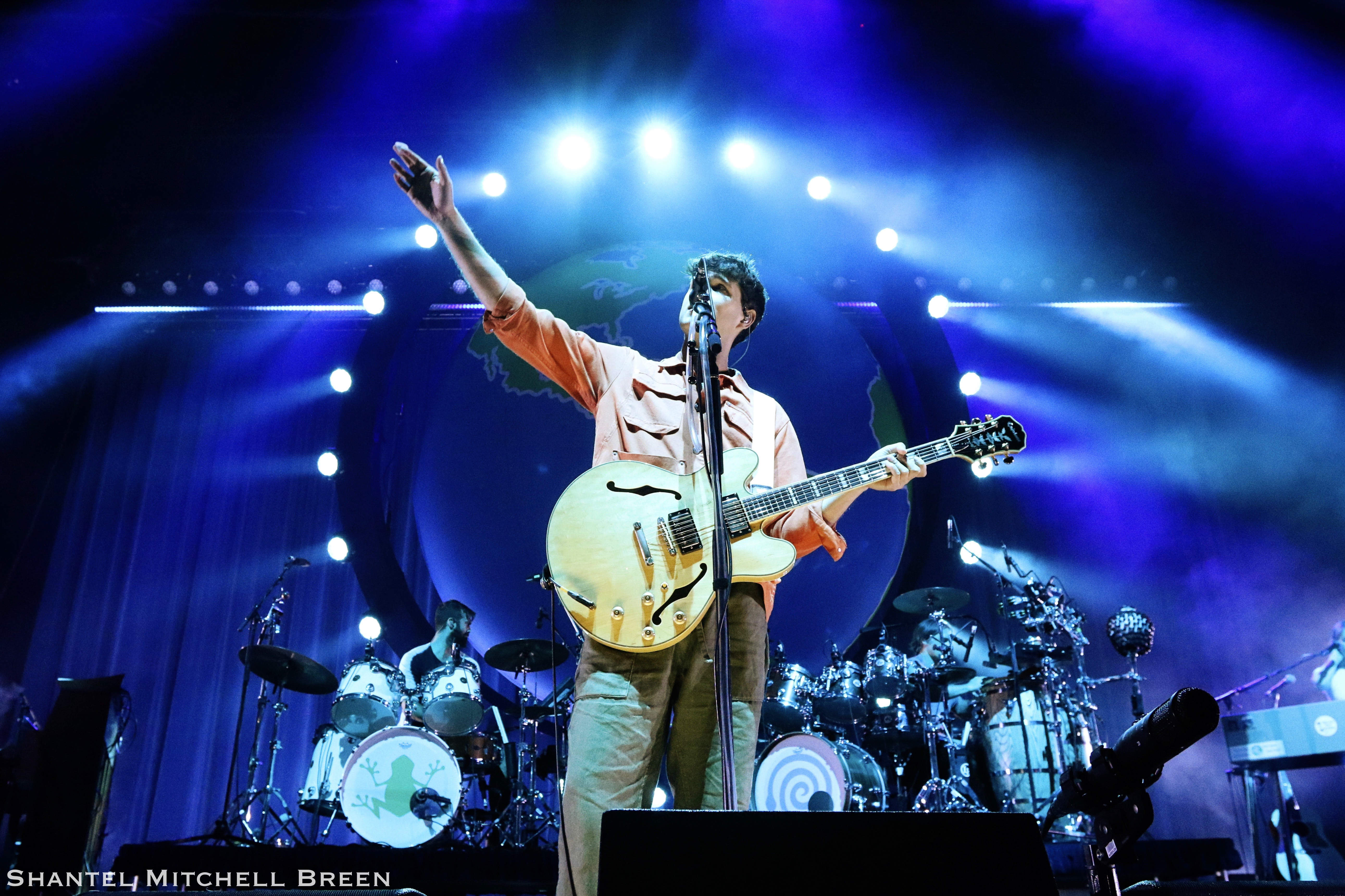
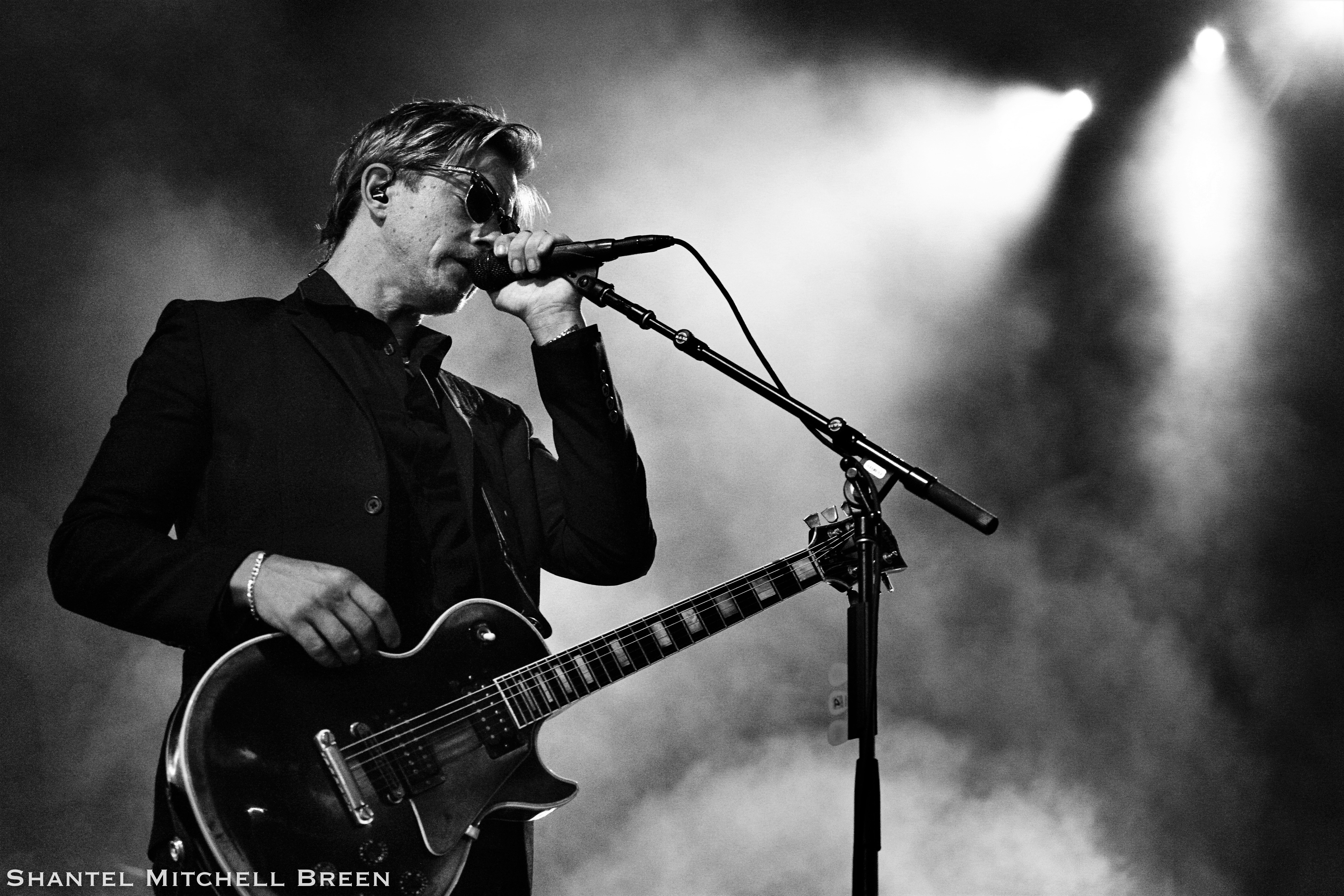
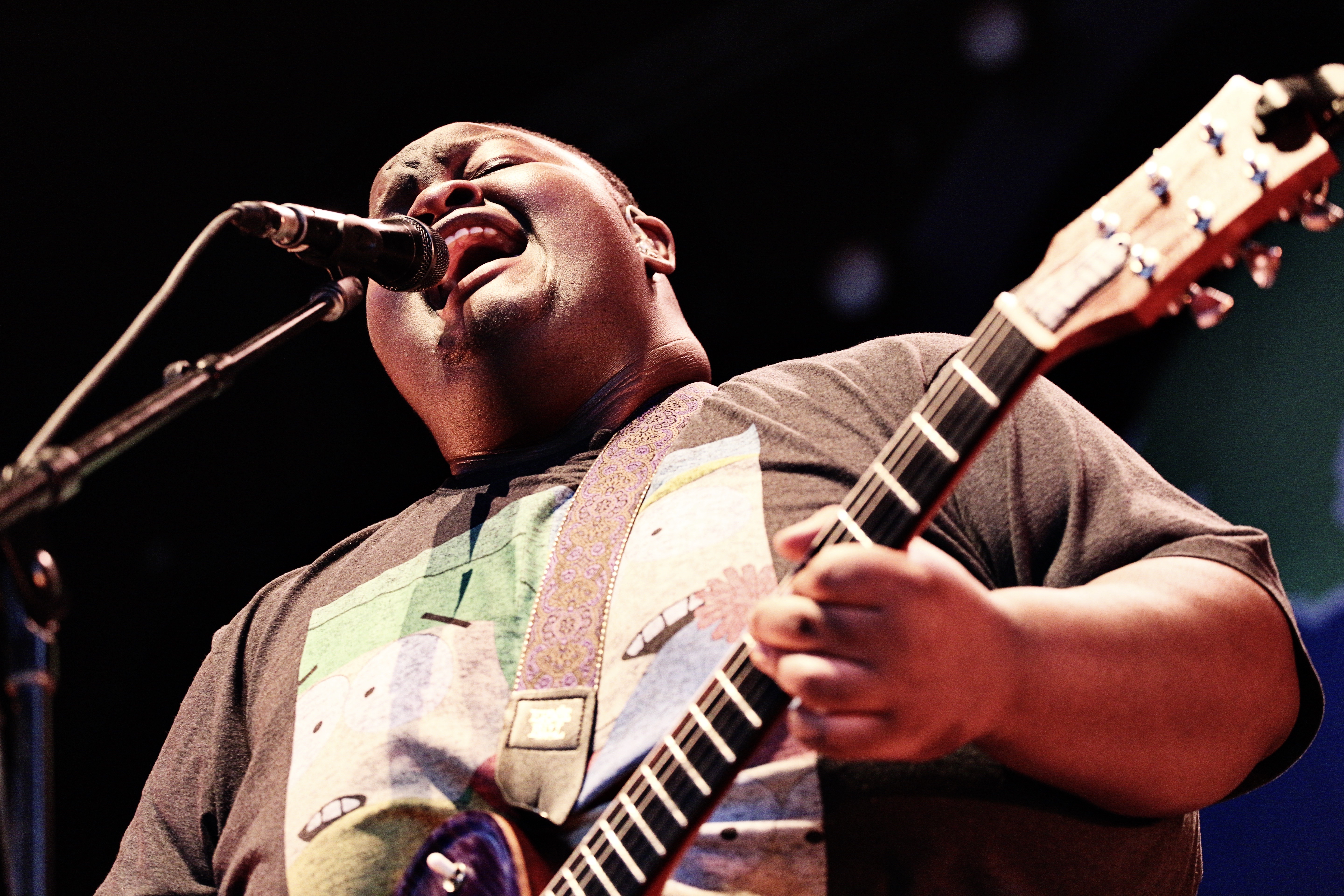
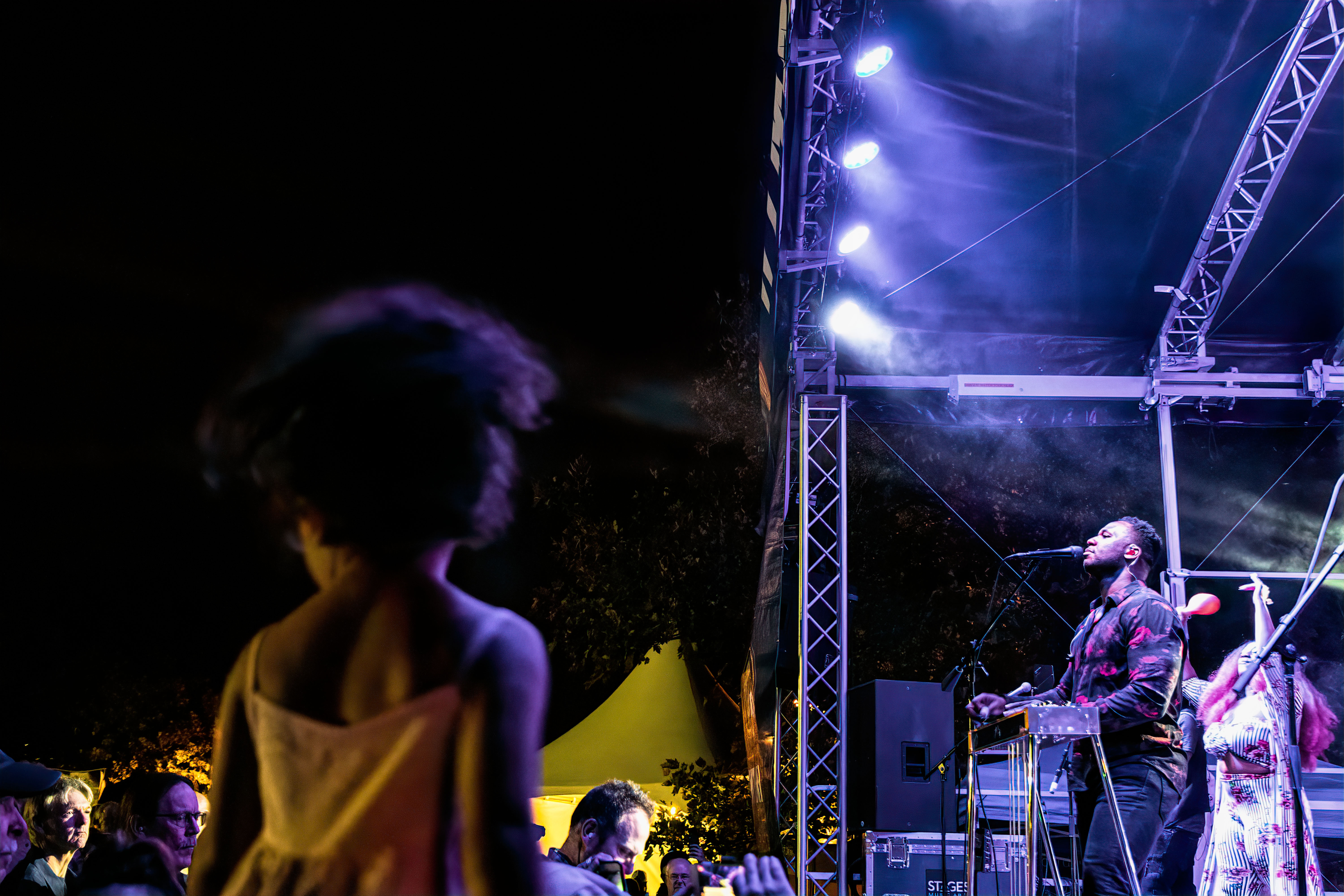
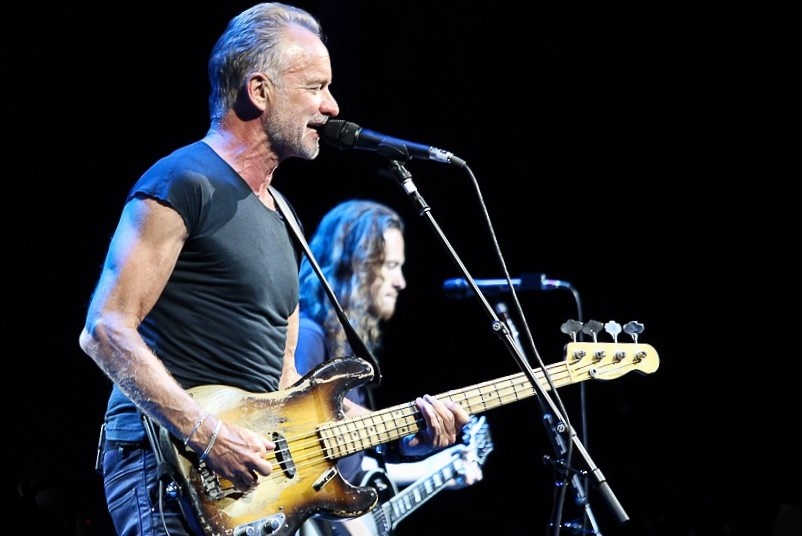
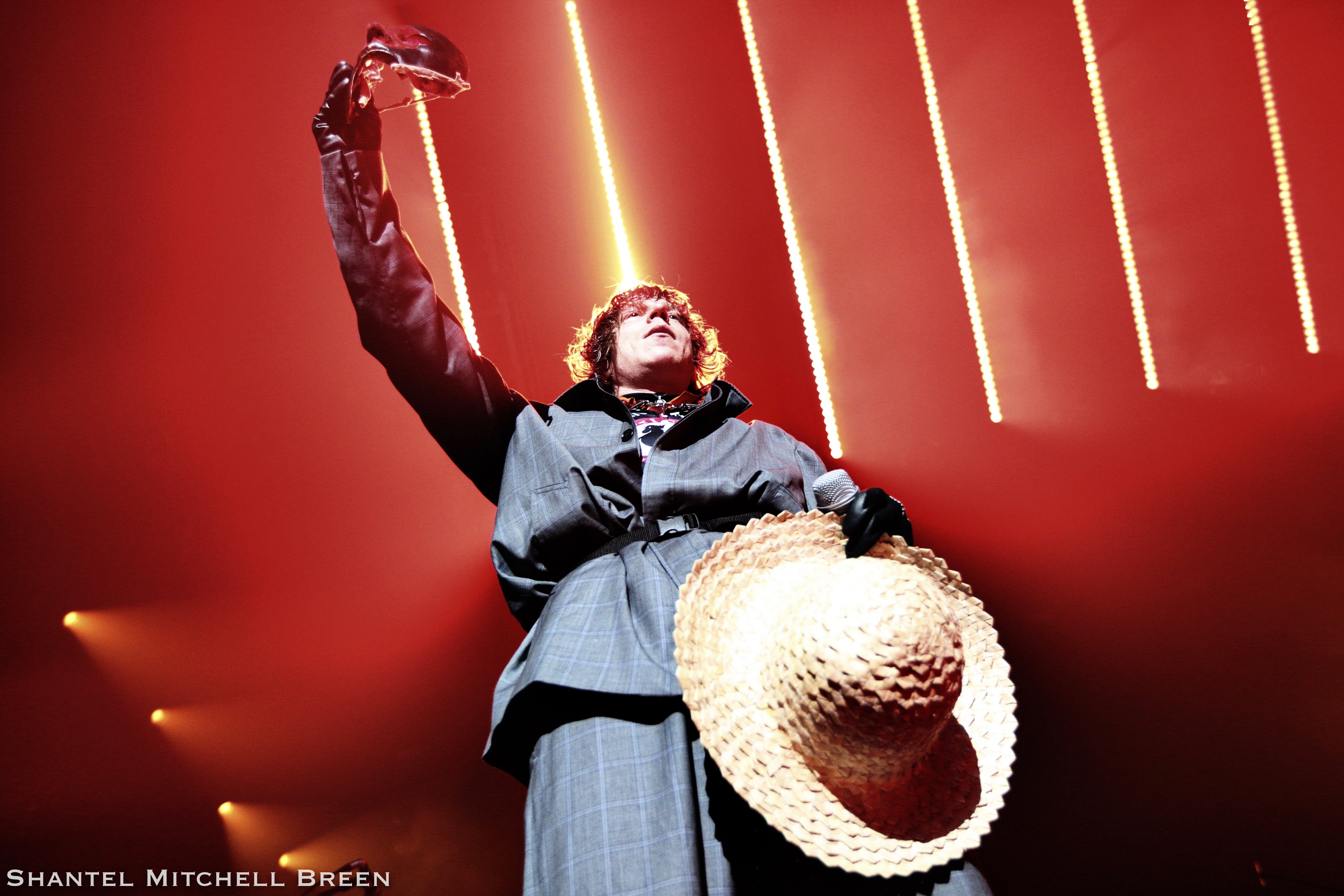
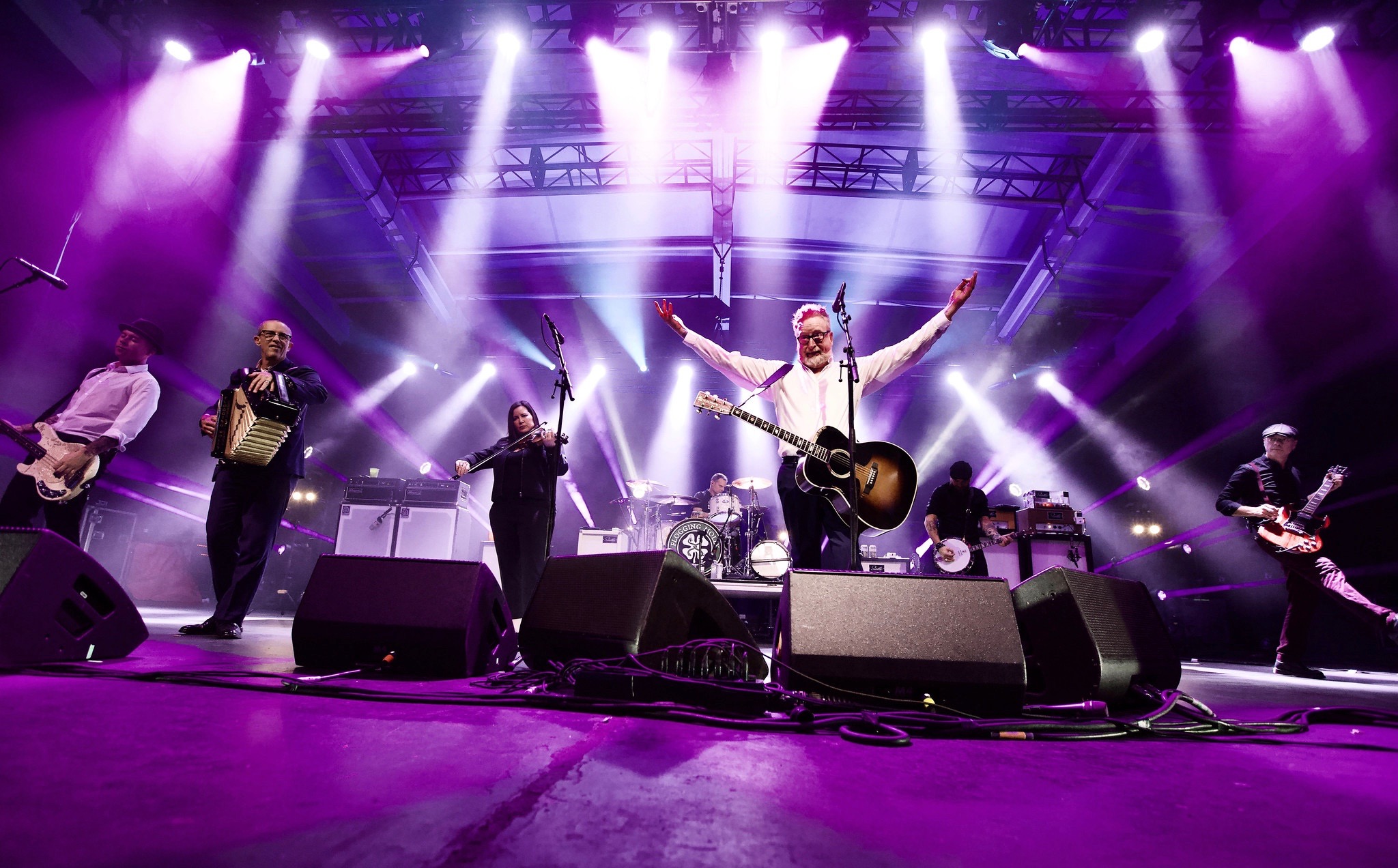
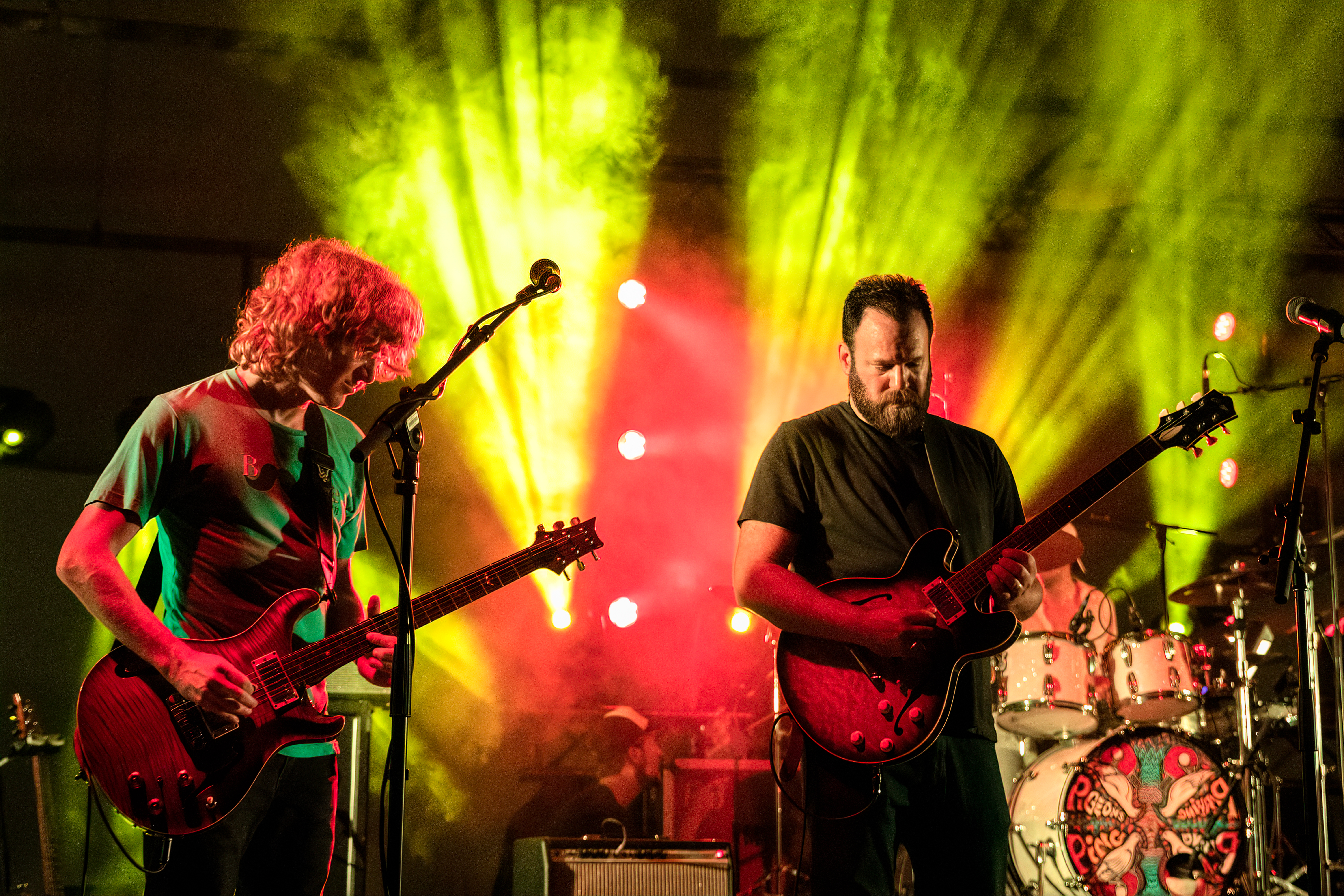
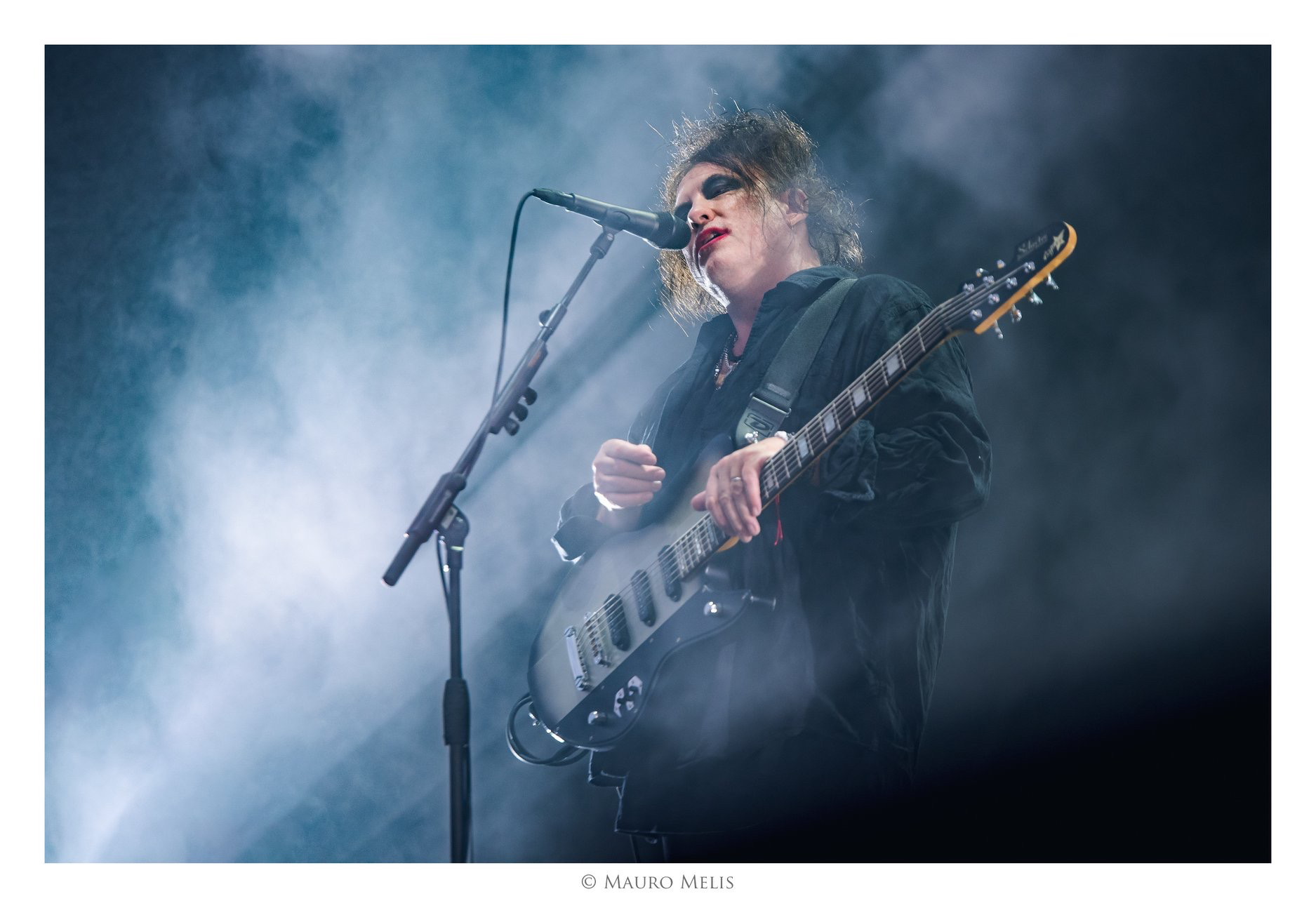
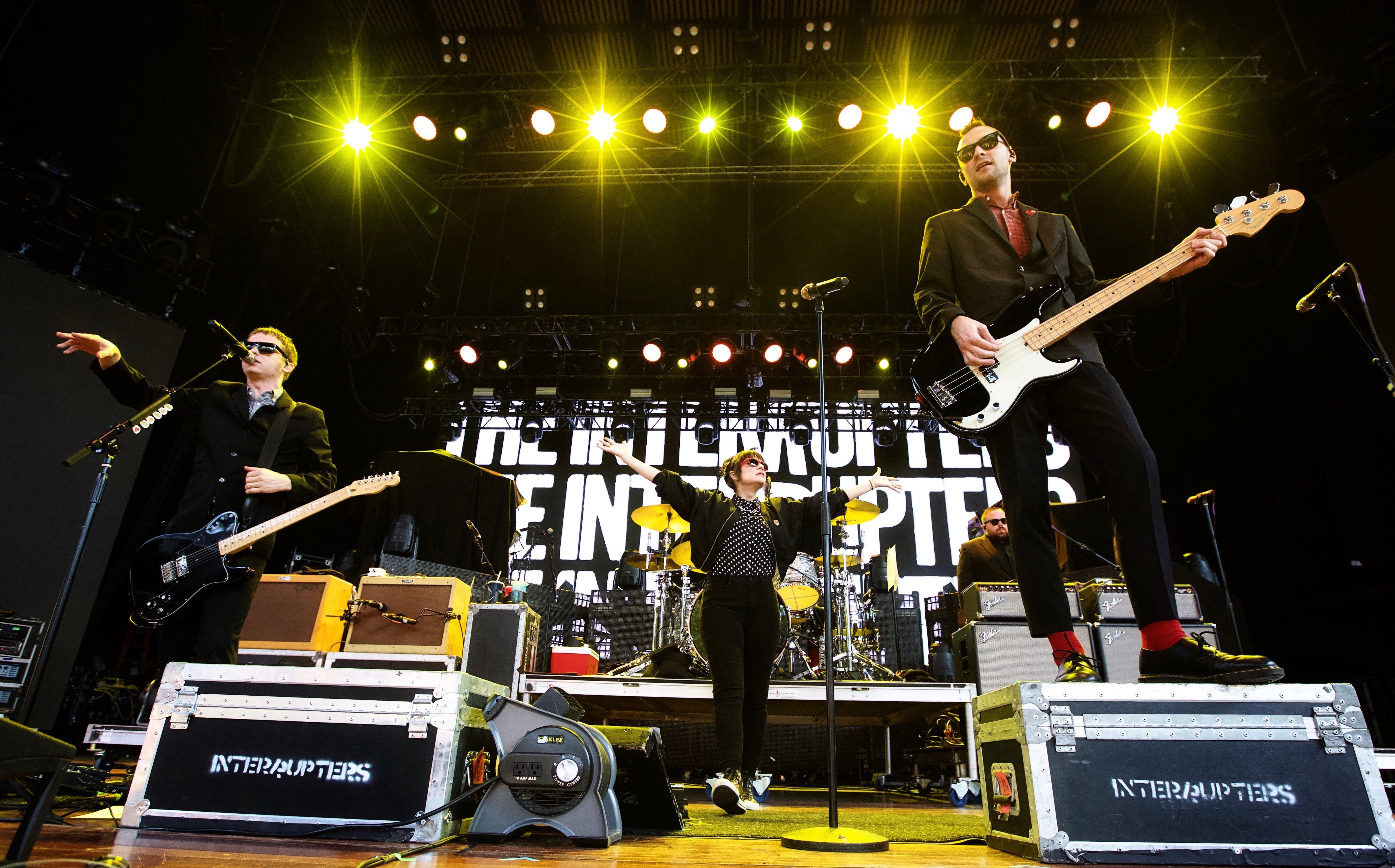
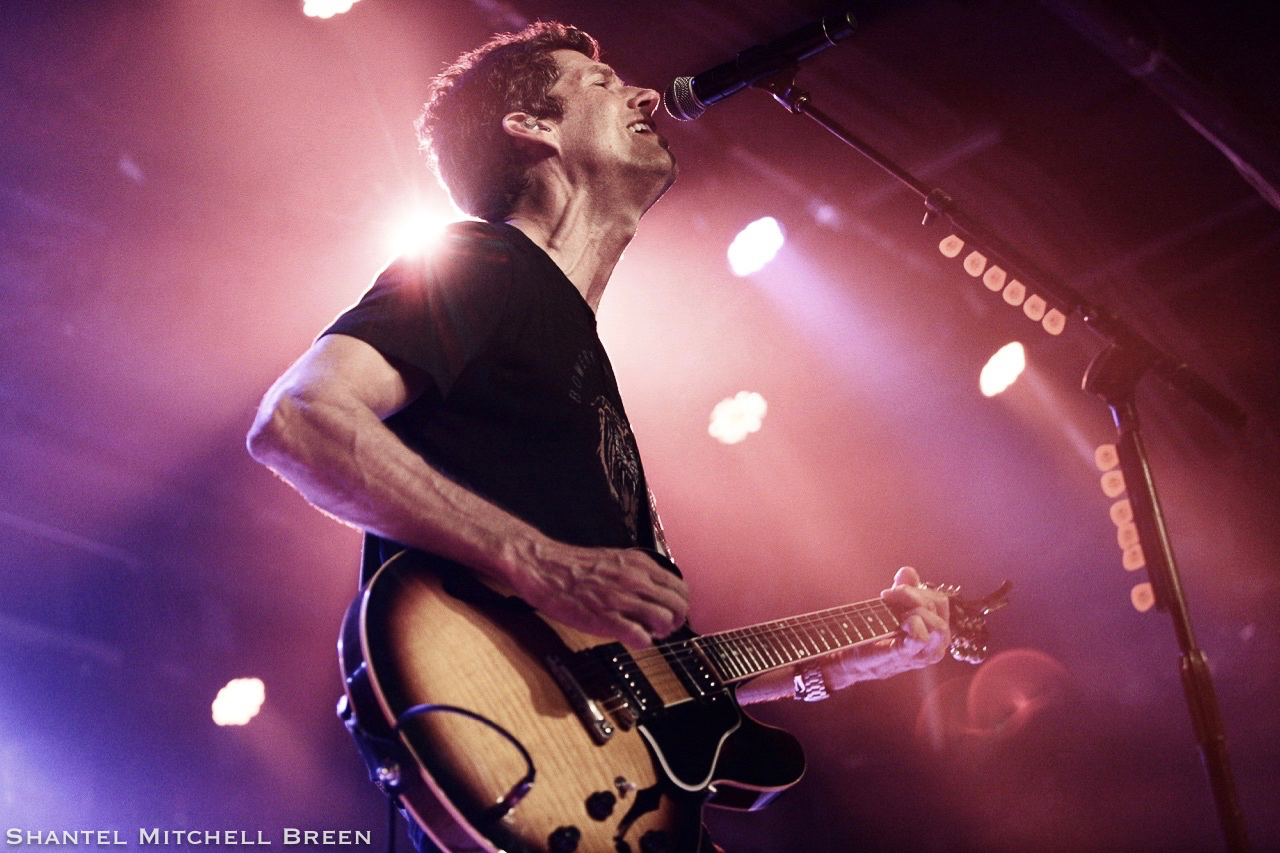
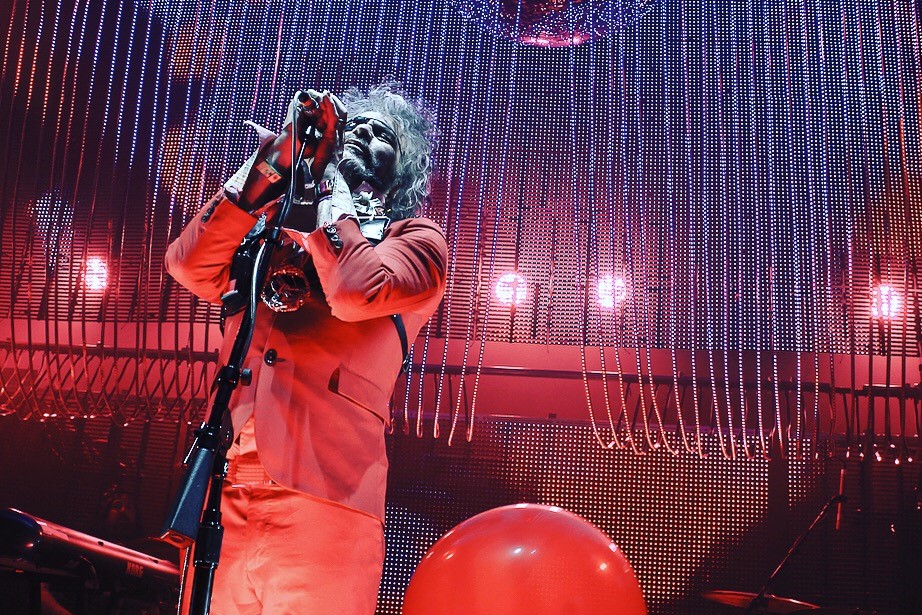
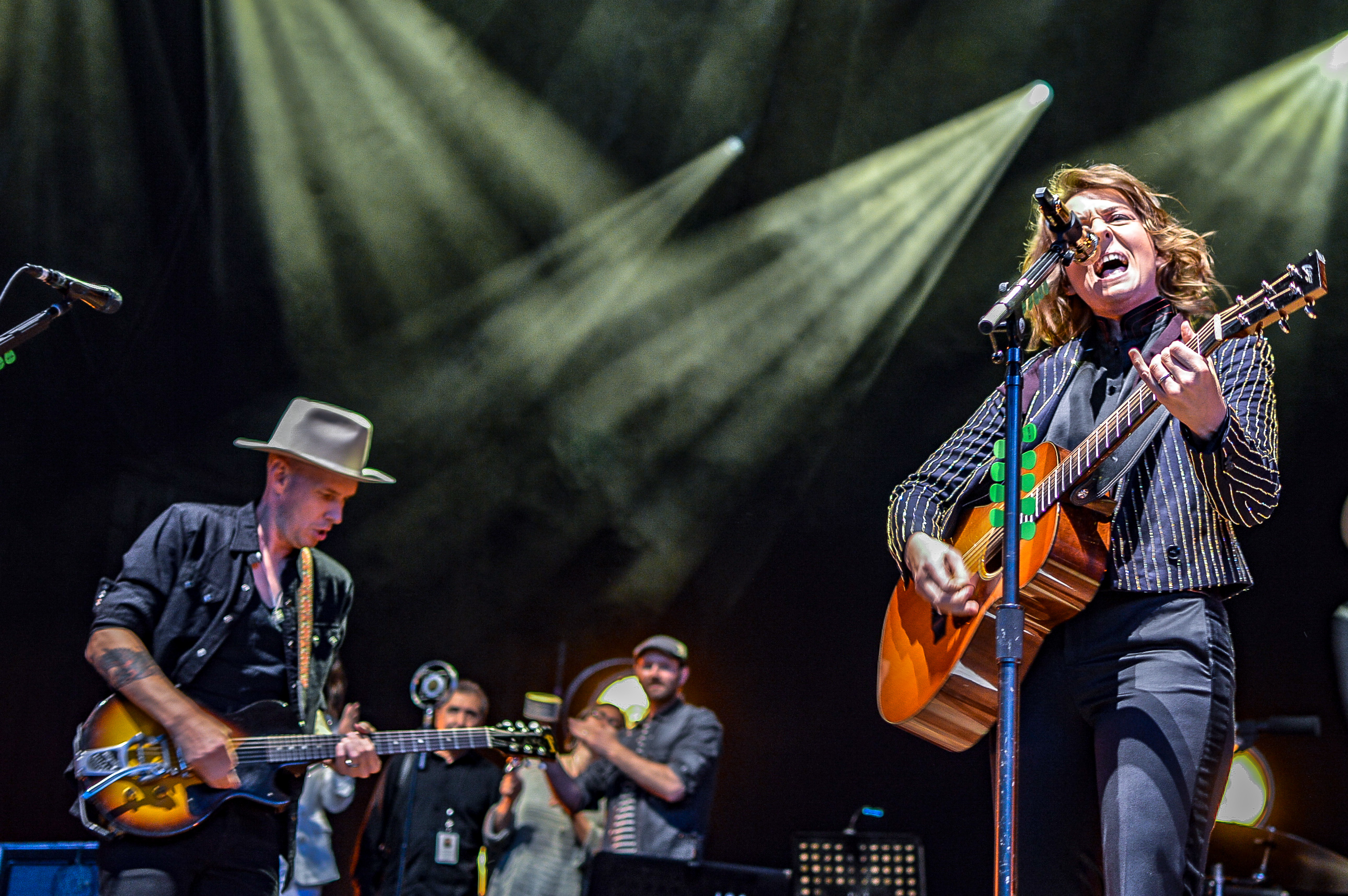
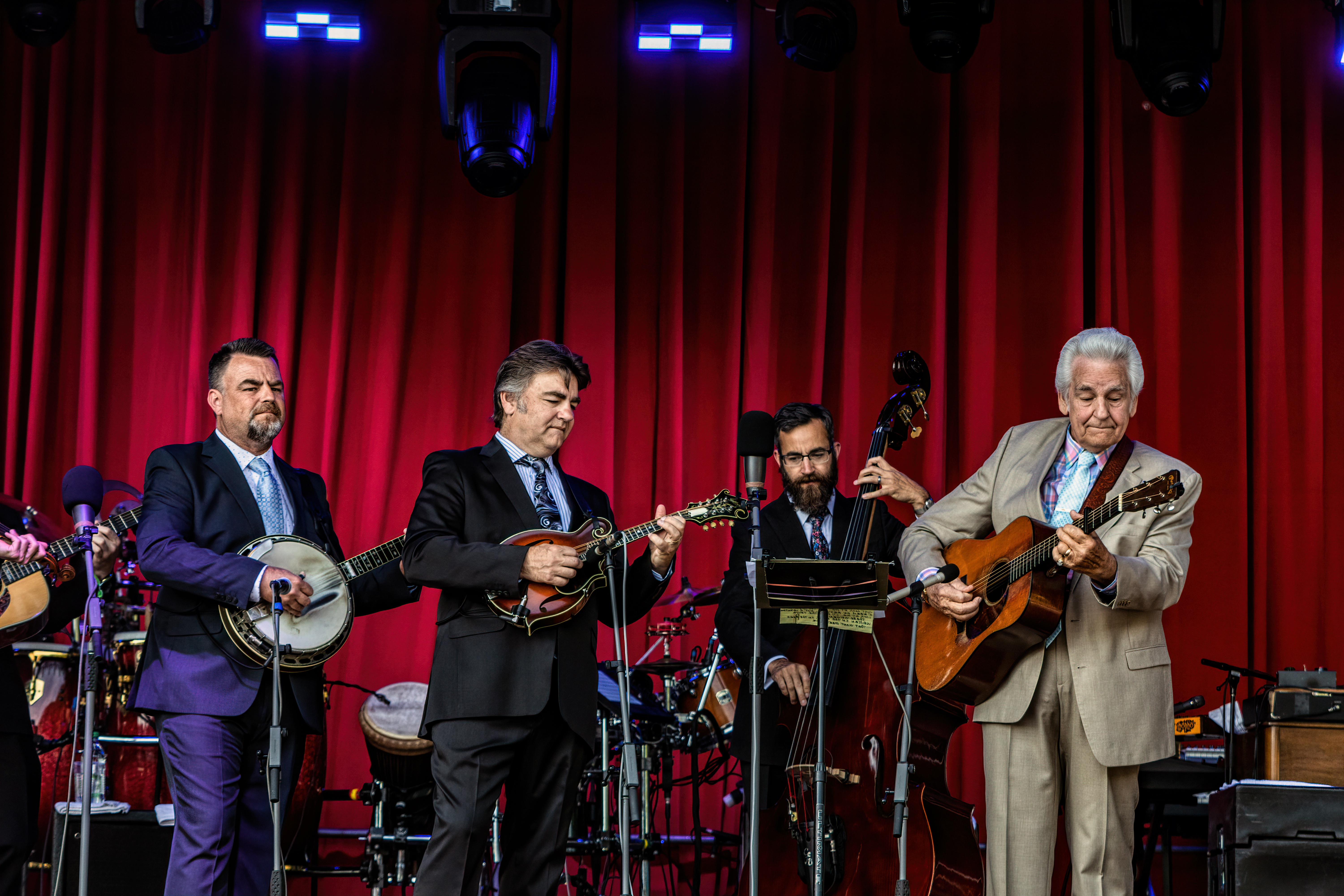
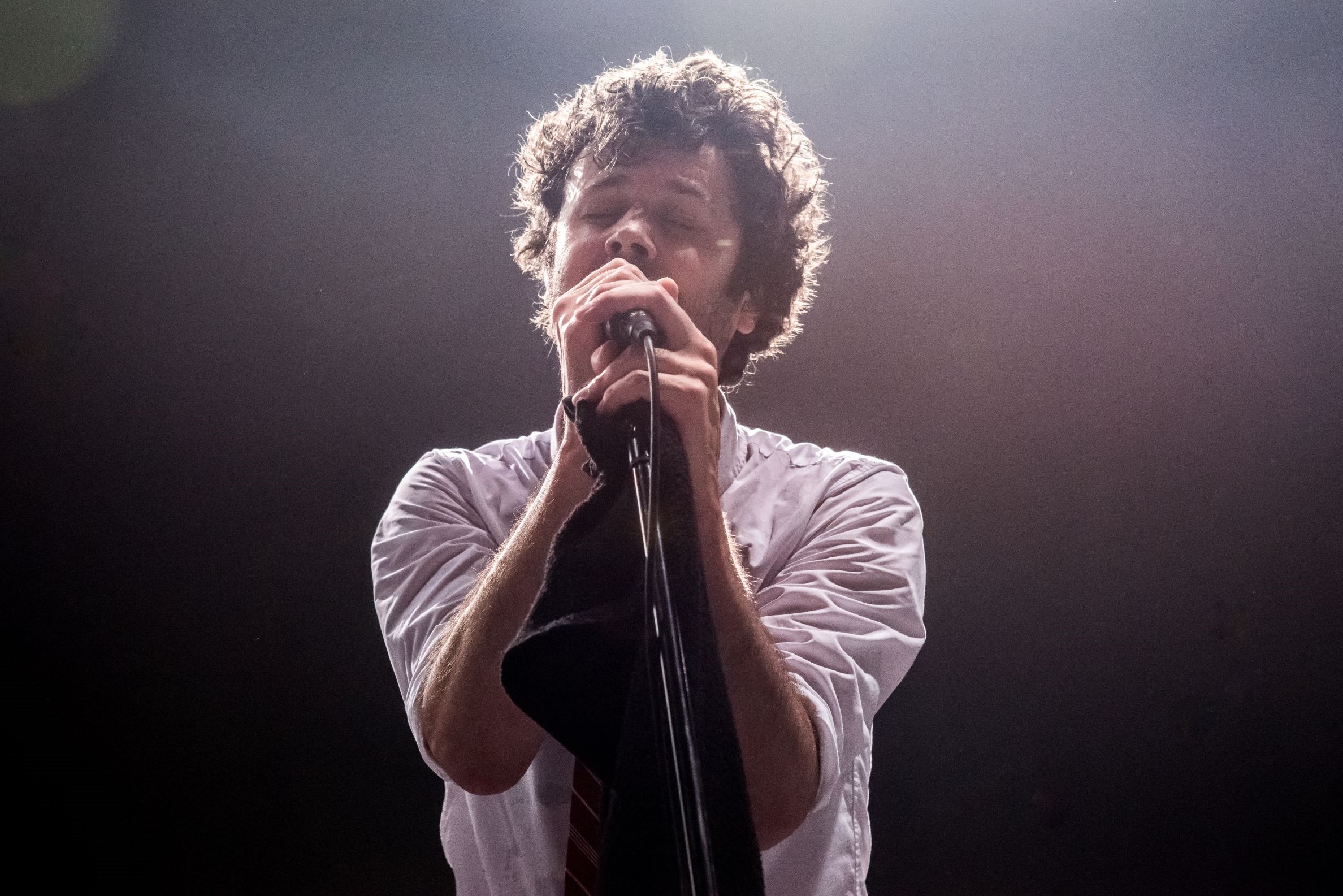
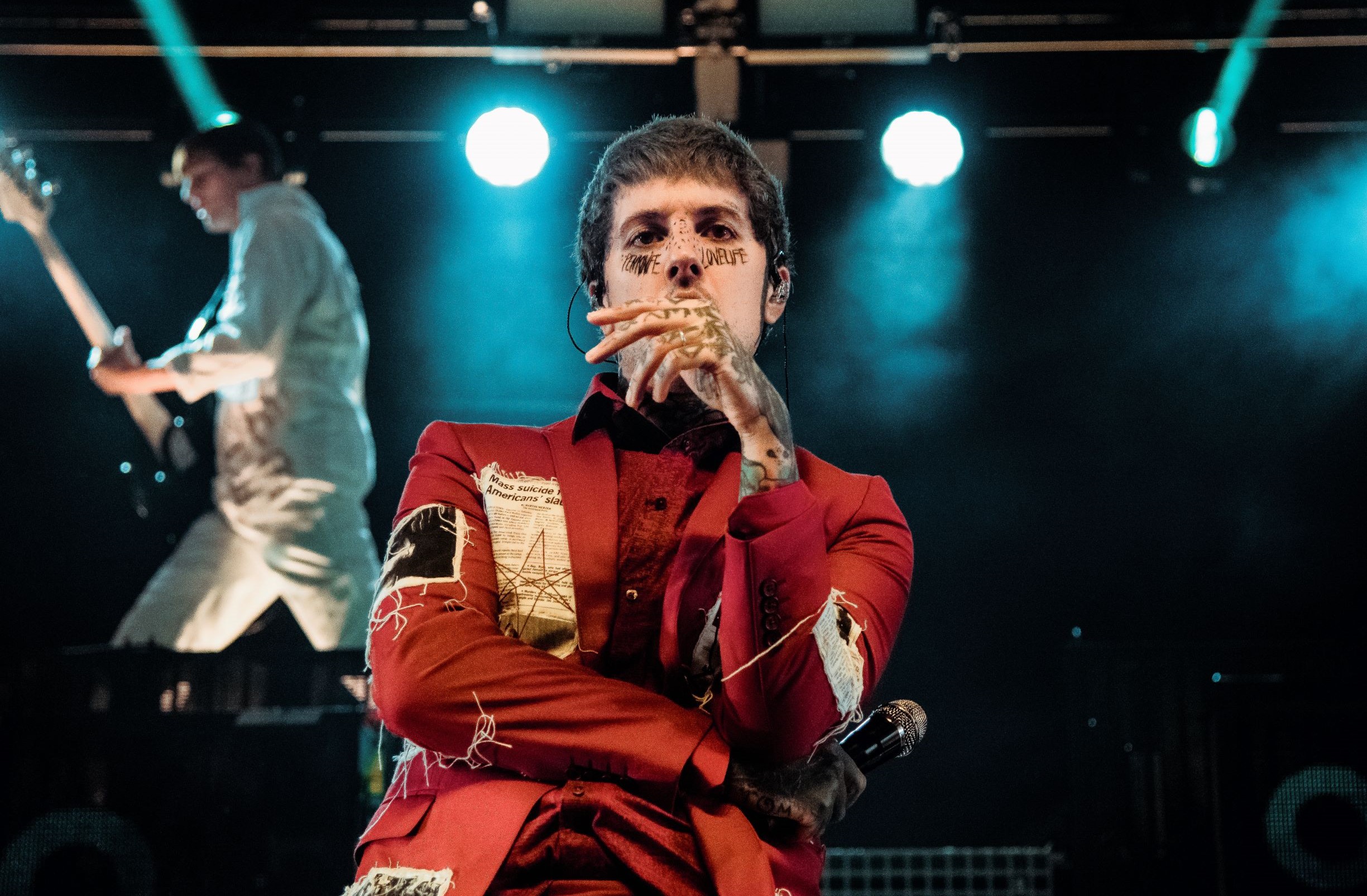
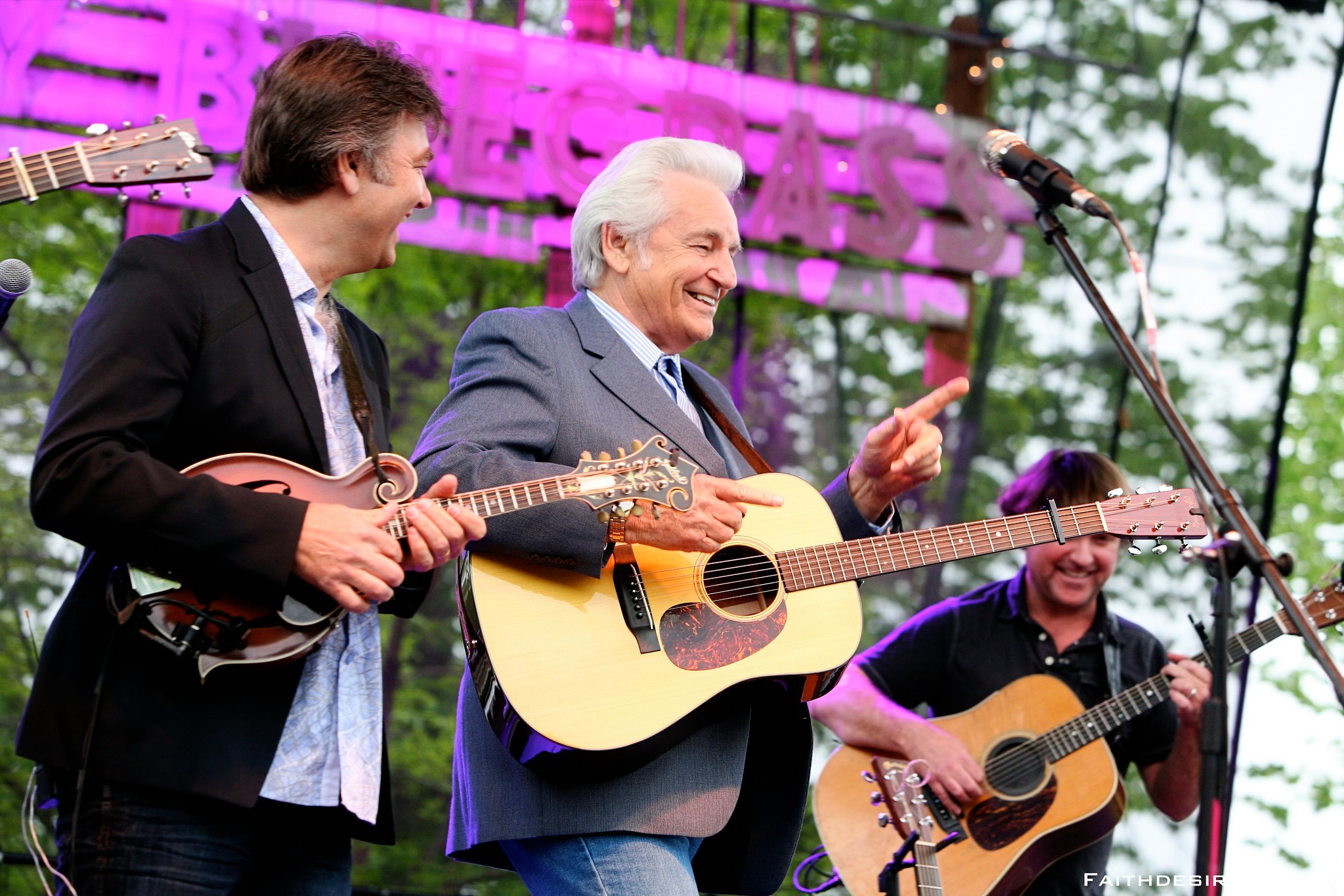
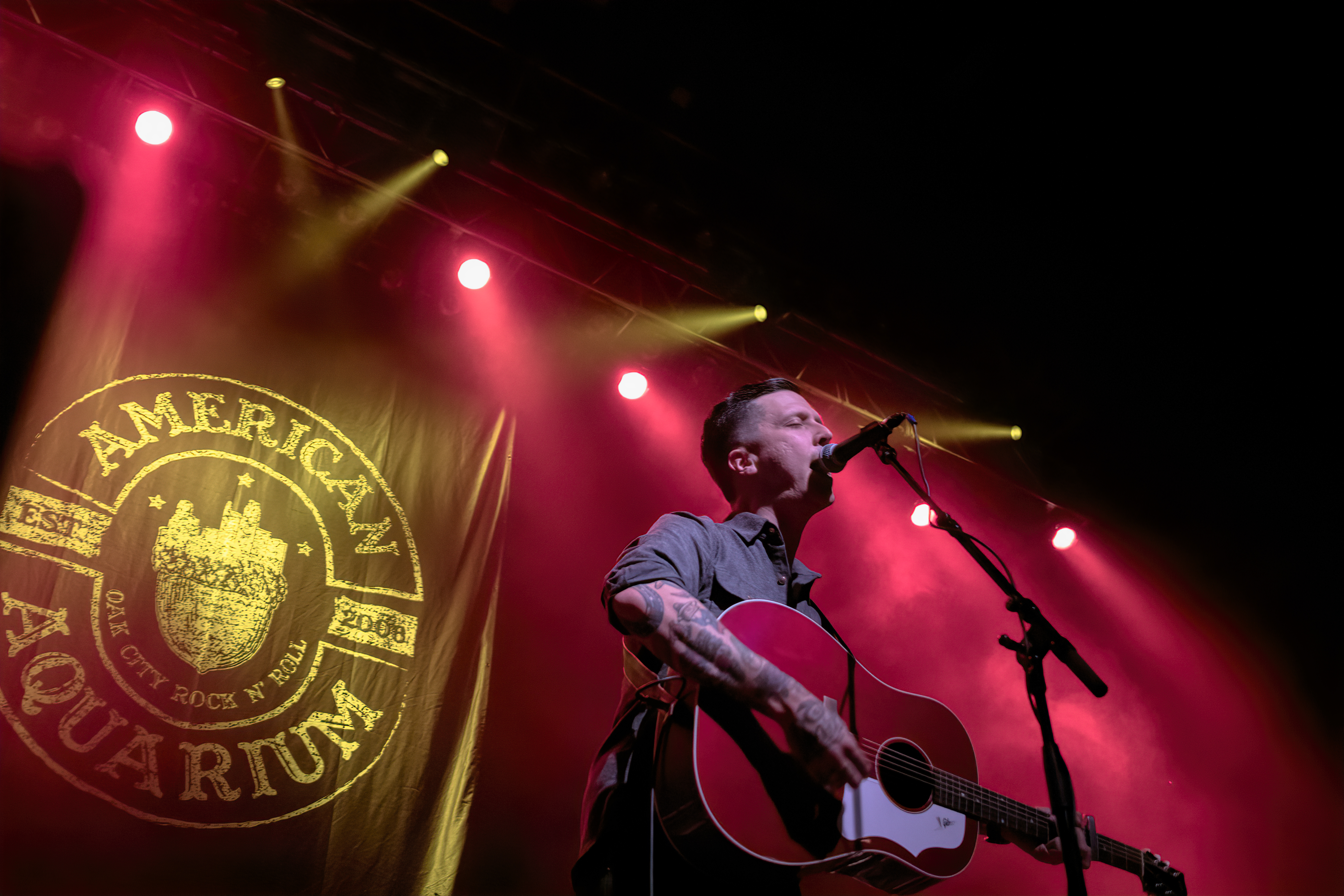
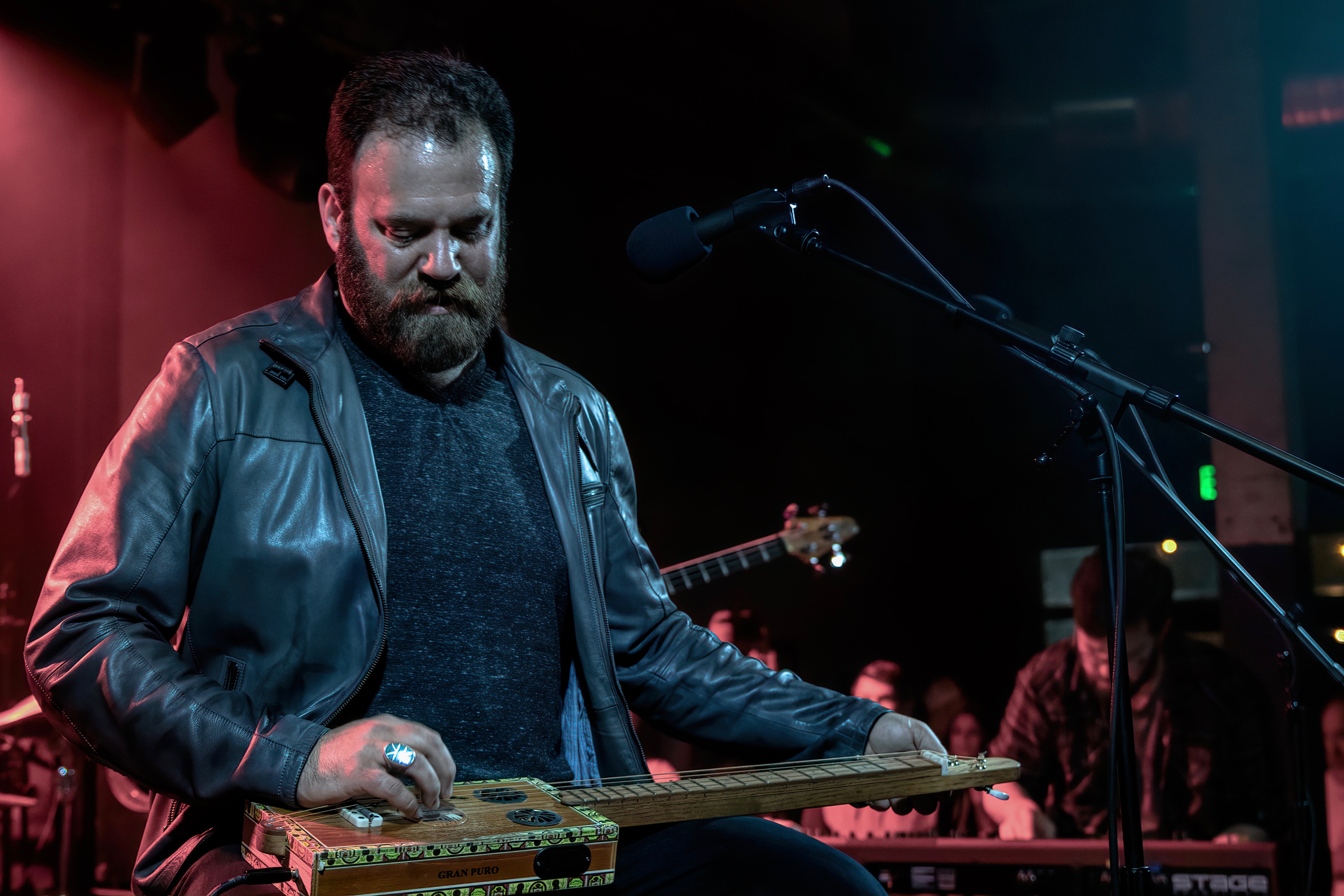
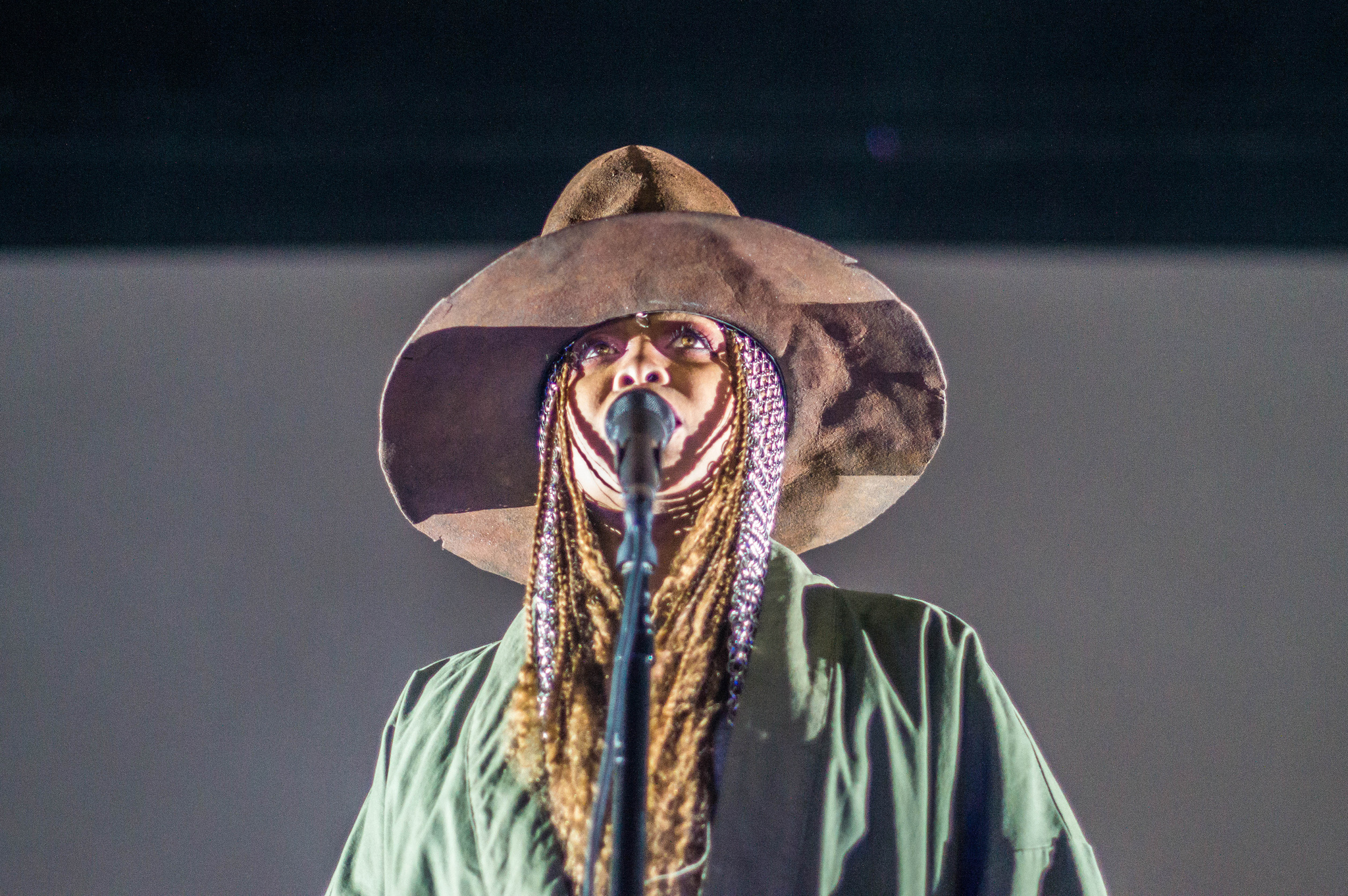
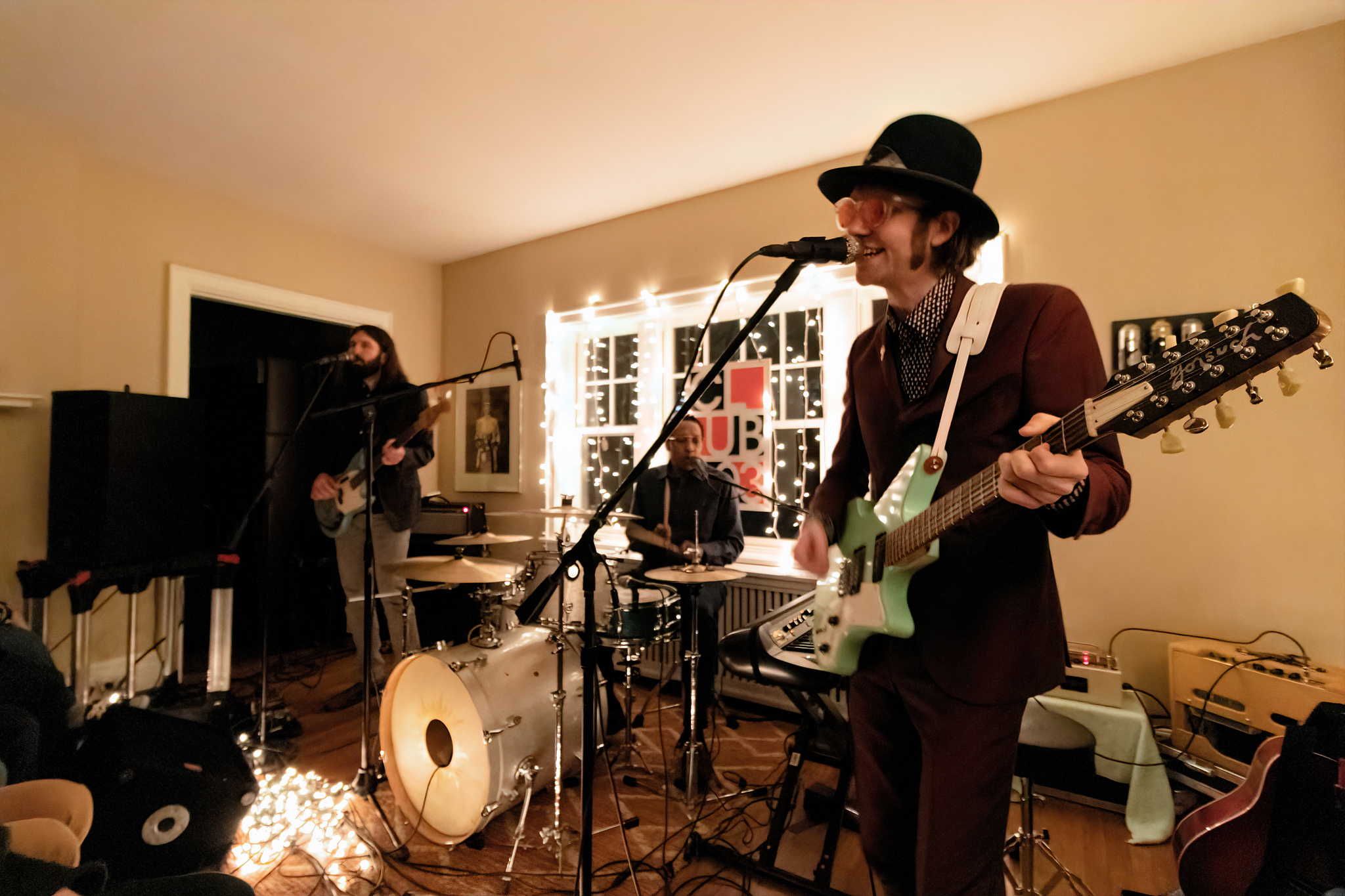
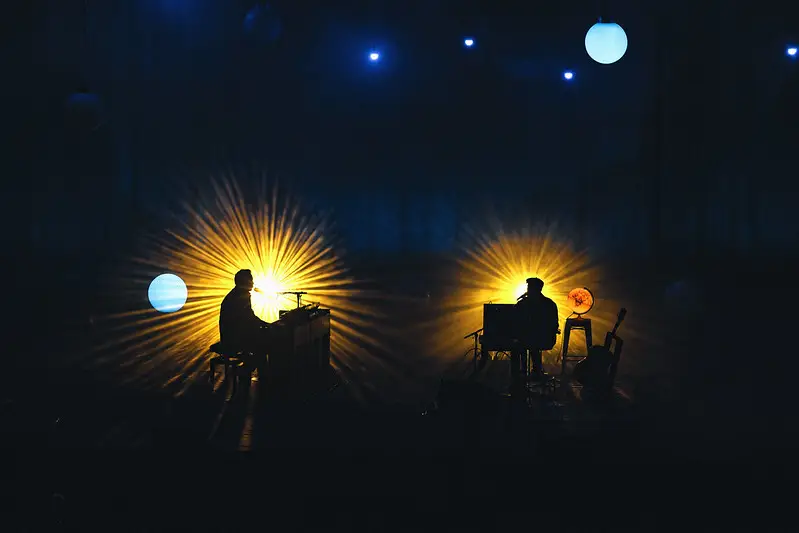
Check out more photos of Flock of Dimes performing at The Atlantis. All photos are copyright Matt Ruppert:






































































































Nice work. Stage lighting is difficult to deal with and these are really nice and sharp.