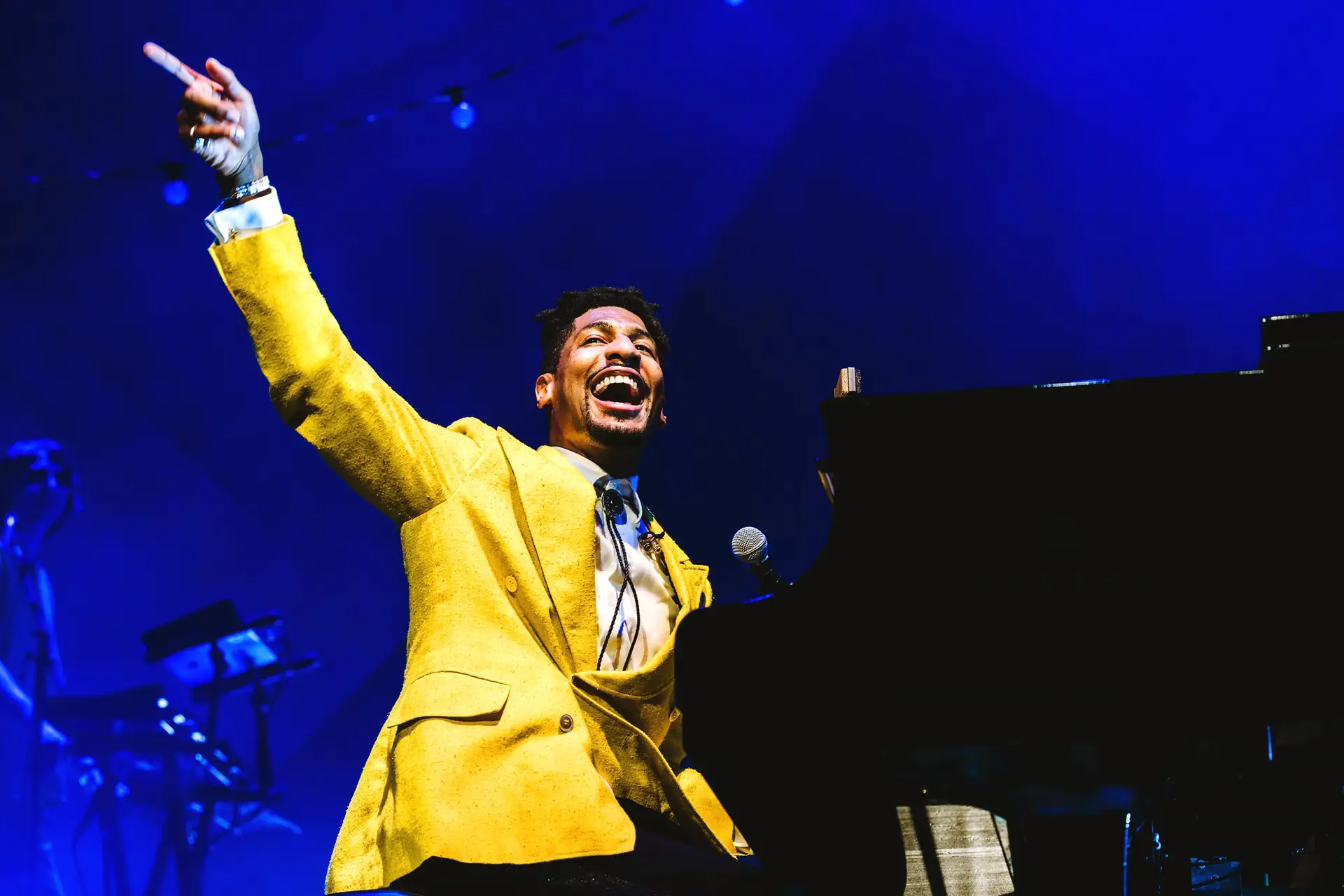
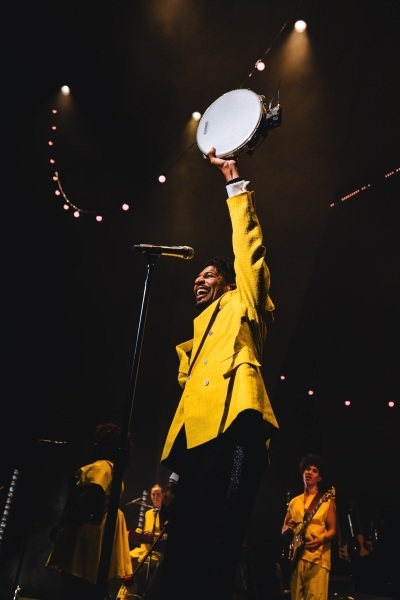
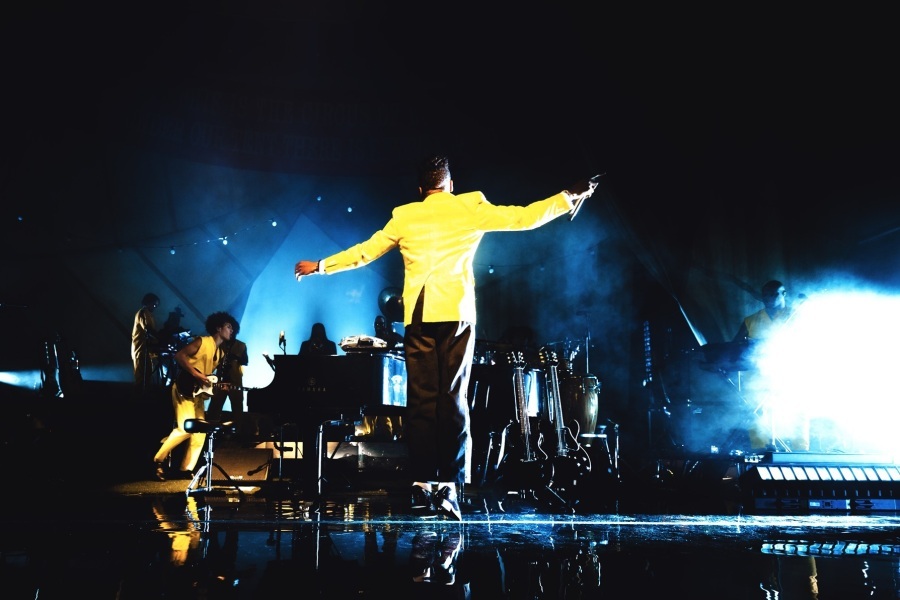
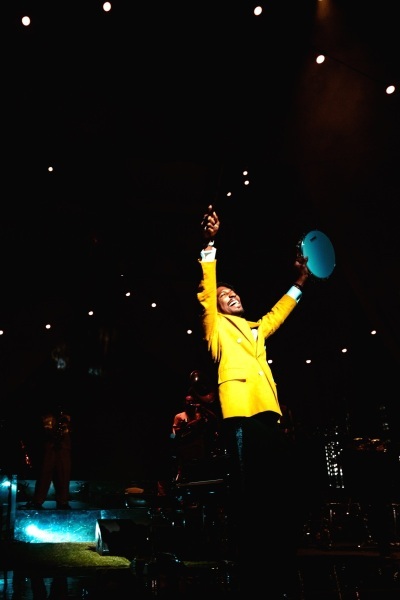
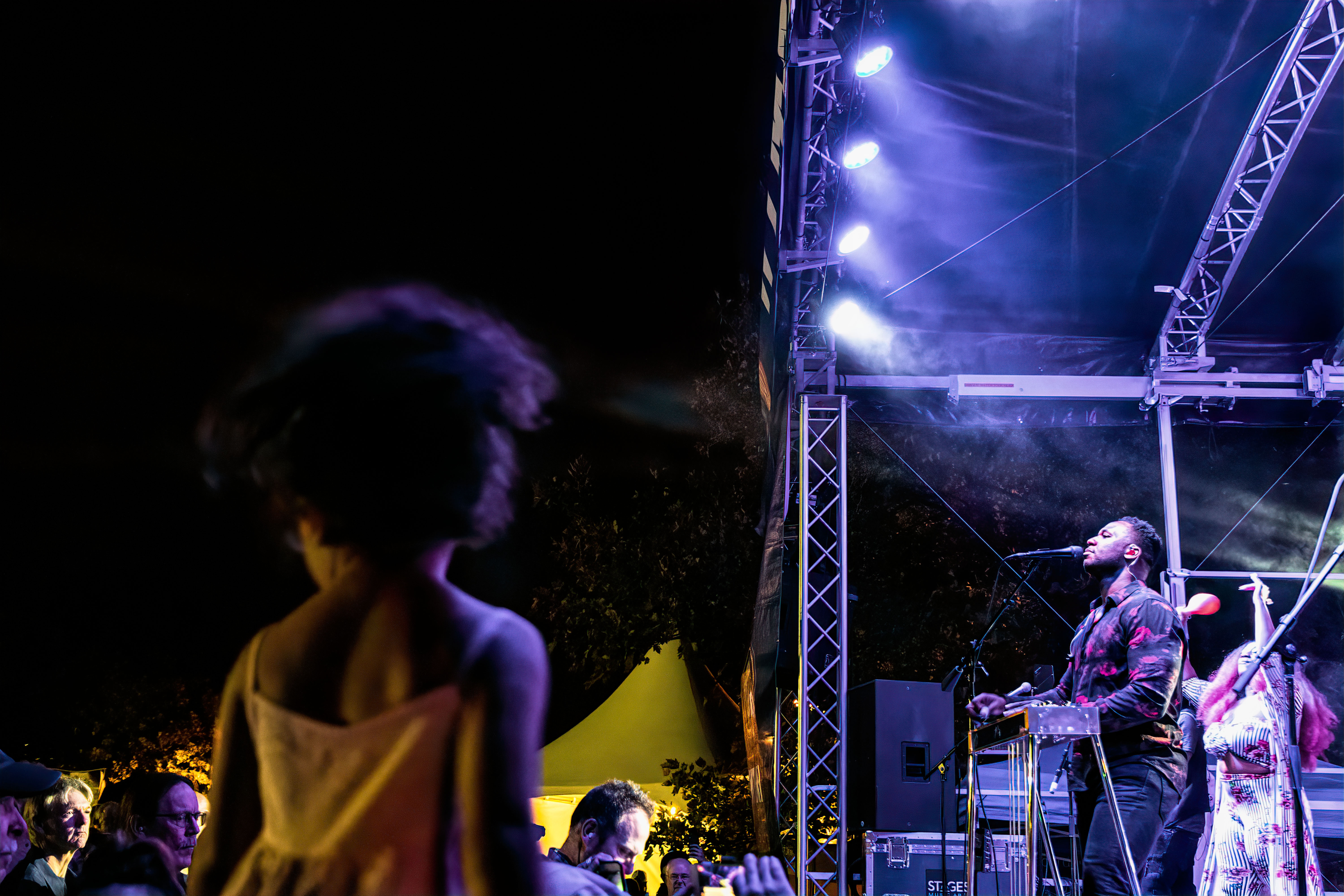
It began in the crowd, a tambourine in Jon Batiste’s hand, pied pipering slowly through a corridor of bodies to the stage, almost as if reminding us that music is a current to enter and not a river to watch flow by. His 14-member band was already in motion. He slipped into their sound and set fire to the stage.
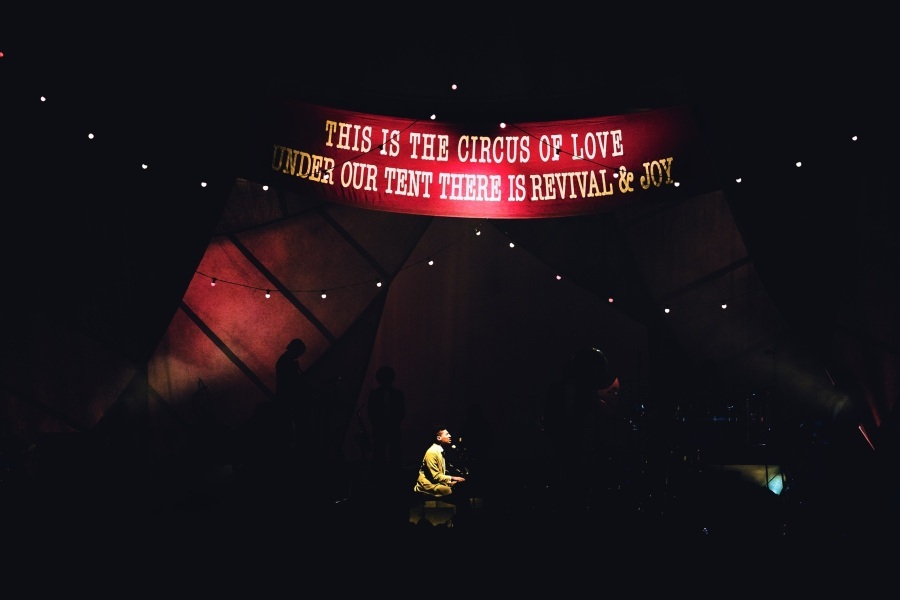
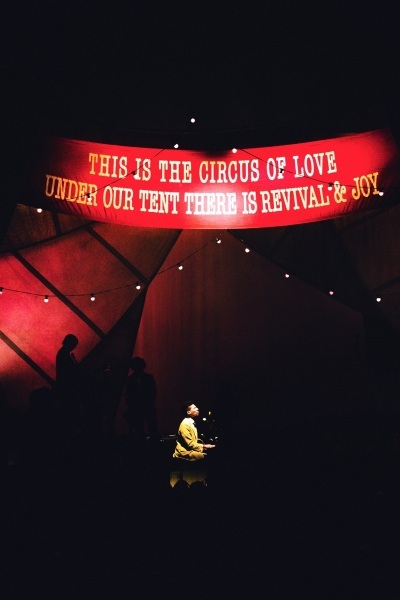
Overhead, a banner read: THIS IS THE CIRCUS OF LOVE / UNDER OUR TENT THERE IS REVIVAL & JOY. It felt to me like both an invitation and an instruction. Circuses are driven by risk, bodies trusting the air, hands trusting the maw, audiences trusting the truth. Revivals, too, we trust the truth, and if we’re lucky, there’s a return to a spirit rekindled.

Joy is difficult to hold. I’ve talked about this before, maybe entirely too much, but if we do not reflect on joy and its passage, can we even be alive? It does not always arrive like a guest invited through the front door with a name and a coat, but instead it slips in by a side gate, borrowed against future sorrow, and we take it with both hands because we understand the mathematics of living, the way you have to balance books that rarely reconcile, and it is not theft to claim a sudden brightness when the ledger is or has been or will be dark. When we talk about happiness, we talk of it as though it’s a possession, something owned and gained and kept, but it’s not! Joy and happiness are a weather pattern of the soul: a front moves through, the pressure changes, the light falls differently, and we inhabit the world more fully again.
There is a practical ethics to sharing joy; its value multiplies when it passes between people, when the horn lifts and the drum answers and the crowd leans forward as if by instinct toward possibility and the realization of unreality-made-real,
and this, this is not ever indulgence! It is nourishment, a replenishment of civic muscle that allows us to carry the weight of the days that follow. Whitman wrote about “the divine average” with a kind of holy regard for crowds, seeing in their flow the tender machinery of a democracy still learning to walk; joy in common spaces draws us toward that dream, and it might be the only way to exist inside this world we’re making.
Check out the lyric video for “BIG MONEY” by Jon Batiste:
“I love you even though I don’t know you.”
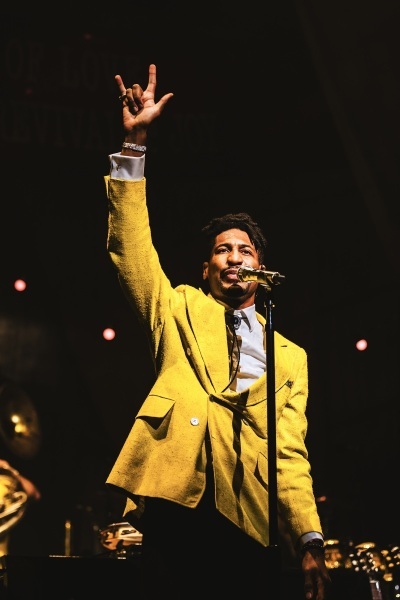
Batiste raised his hand in the shape of love – pinky, index, thumb extended – the same sign my mother used when I was a child, her way of telling me across a room that I was seen even though she knew I couldn’t hear her voice, her hand making a bridge of meaning out of flesh, proof that language is larger than words and hearing is larger than sound. That little gesture folded the night into my own history, and I slipped then and now into reflection. (Do you know where I’m going with this?) Listening is the work of the body as much or even more than the work of the ears. Feet pressed into the floor, hips swaying, and shoulders loosening, we can discover together that dancing is a form of tuning the dial to each other.
Ah, more and more, I think that thought begins in the body, that feet against the floor translate rhythm into judgment and hips into yes or no, that shoulders lowering are surrender or readiness, and dancing is a form of thinking. During the denouement of the set, dancers joined the stage to show the route of language through this human architecture, tracing meaning across joints and tendons, reminding us that all life lives somewhere between pulse and the inhale-exhale-inhale-exhale, and that even those of us who cannot hear a note the way others hear it can read intention in the gestures of an ensemble that trusts itself.
Perhaps music’s most important argument is that understanding need not be housed in the narrow chamber of language.

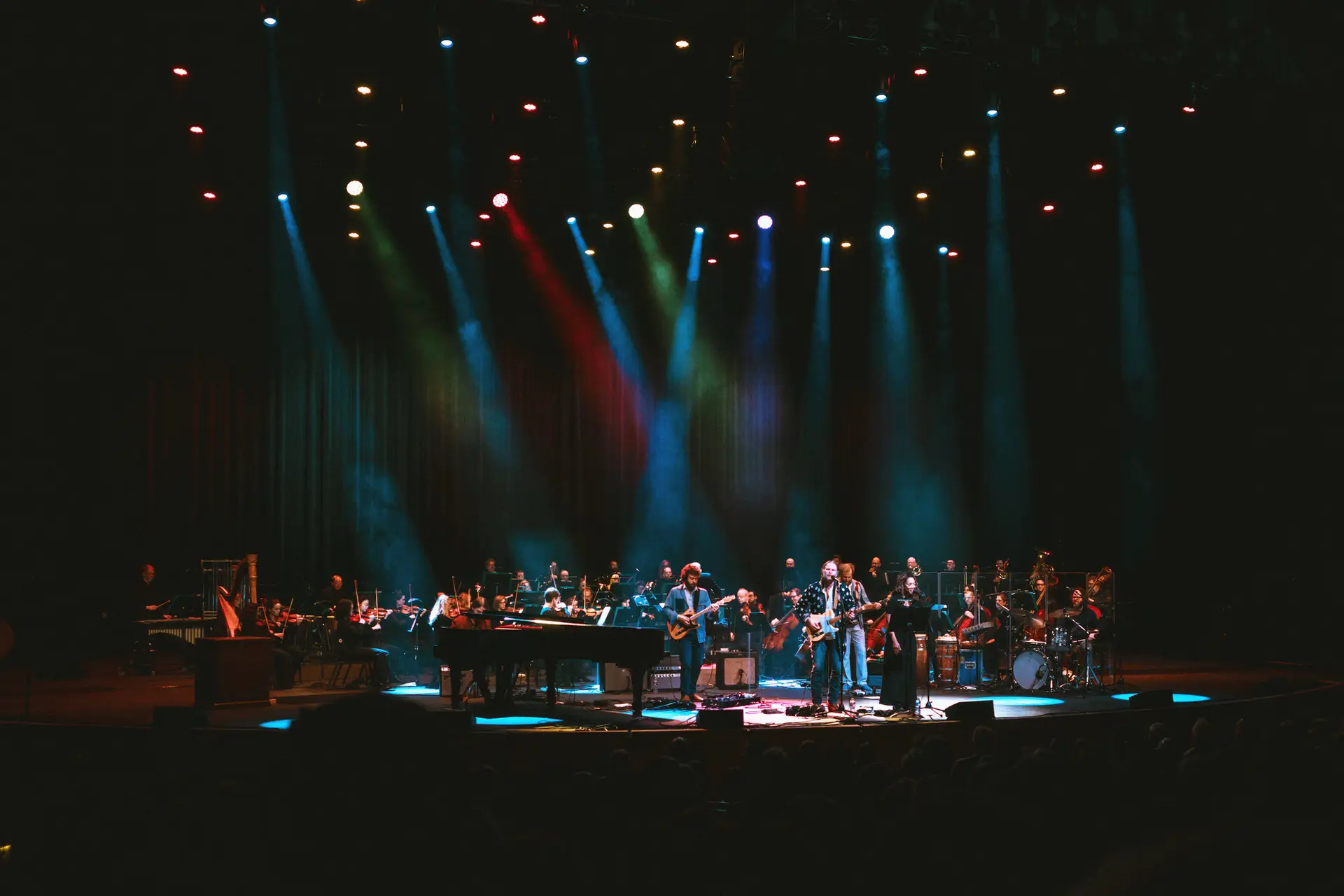
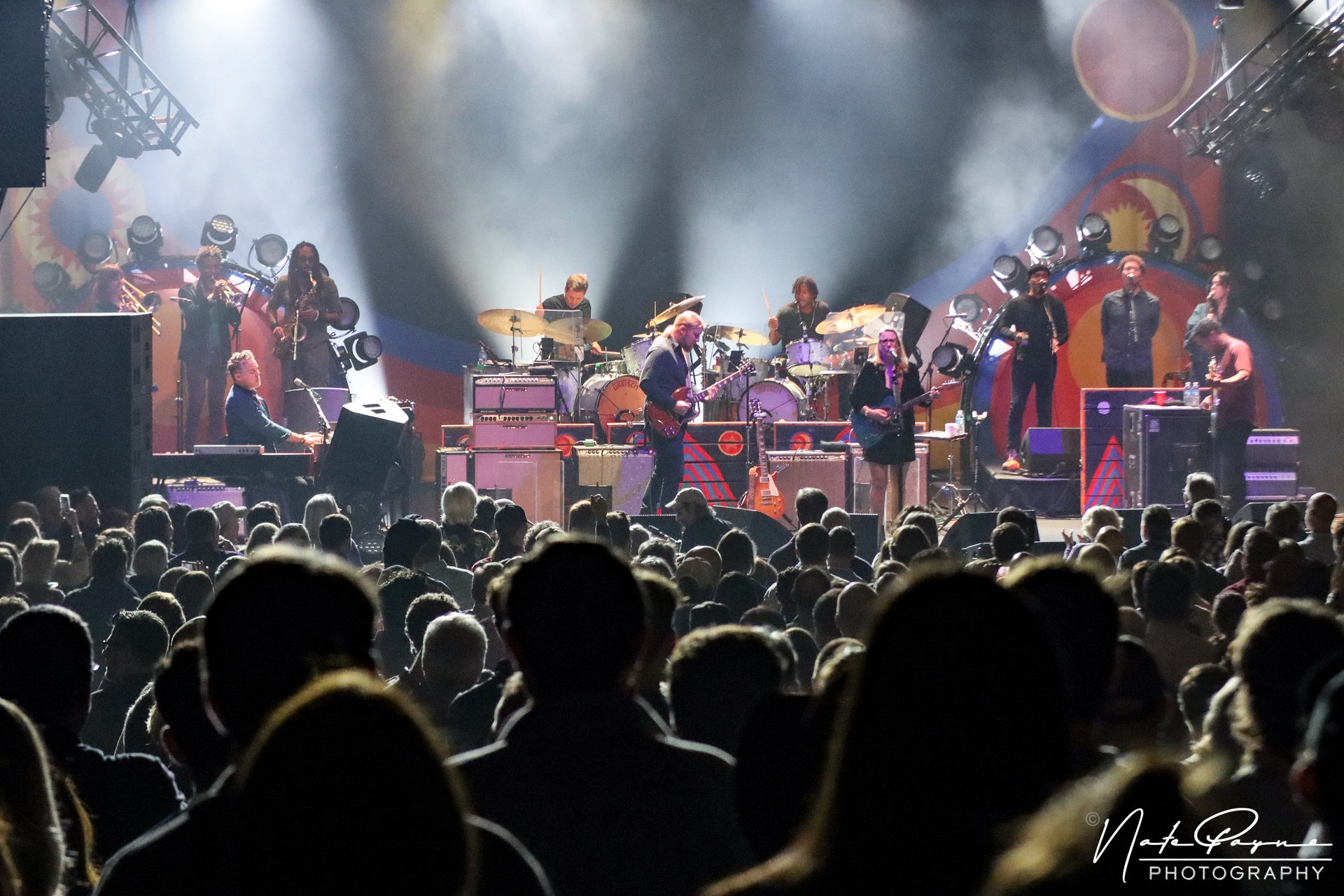
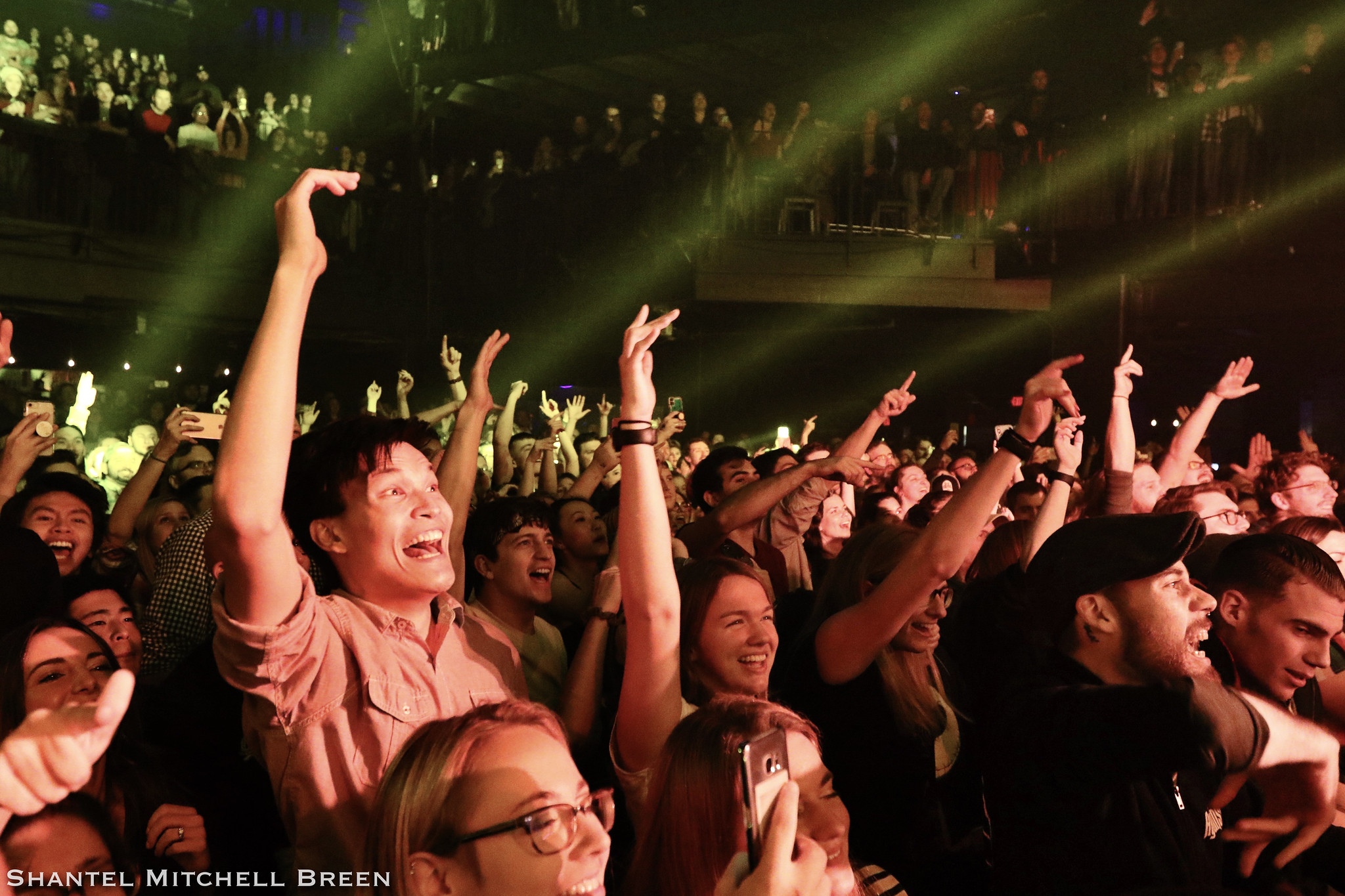
Community is often spoken of as an abstraction, but large crowds listening to music together prove it’s not. Listen, i’m not gonna pretend our world isn’t a little fucked up right now – unfettered boardroom capitalism has run rampant alongside neoliberalism, neoconservatism, othering, and the ongoing assaults on attention and problem-solving – but seeing sixteen people onstage together, with each carrying a fragment of the whole and making it into something bigger and so powerful that it lifted 6,000 people out of their seats and into the air for a few hours? Horns, strings, voices, percussion? The crowd mirroring this multiplicity? Strangers pressed shoulder to shoulder, singing or miming the words? The healing power of music lies in this collapse of separation. It makes us porous. It allows us to belong, if only for the length of a song. God, it makes me believe in something bigger than.
– – –
We have framed spiritual and psychological healing as an individual pursuit, privatized it as a project of self-improvement, but /the stage held sixteen people at times/, and the crowd mirrored that architecture with its own imperfect blend of voices, hands,feet, and it felt honest to admit that repair happens in groups – sometimes messy, sometimes uncoordinated, sometimes loud, sometimes too passionate! – because the wound we experience is rarely ours alone. In his brief exhortations between songs, Batiste kept returning to love as a public practice, and I am reminded again and again of Baldwin’s assertion that all love is a kind of work, capable of revealing truth and demanding its consequences, not sentimental in its posture but resolute in its attention to what is harmed and what might be restored.
There is medicine in the moment when the entire room finds the downbeat together and the floor moves as a single organism. We cannot solve the infinite calculus of grief or erase the edge of loss, but when we sing together, it confers stamina and reminds us that rhythm is a resource for something-like-recovery.
– – –
The sweetness of shared space is less in the aesthetics of the sharing, but is instead located in the lived ethics of proximity, the ongoing agreement to tolerate one another’s heat and sway and smell and existence; perhaps this is the very reason why tents and sanctuaries and clubs emerge in the histories of our survival, from revival meetings to jazz basements where the air grew thick with smoke and sweat and discourse and the laws outside could not – did not! – govern the humanity inside, and the music trained people toward dignity when the world withheld it. I don’t think Batiste’s banner’s promise of revival referred to spiritual fire alone, but pointed toward a renewal of civic feeling, a reminder that we must live in a world of being together without the customs of suspicion and othering that have become the dominant tradition of our society. Here in this public world, we can disclose ourselves to one another. To declare love for strangers in a year especially strained and trained toward division is a stance – like any – that comes with consequences, good and bad alike. Music, especially when it unspools across two and a half hours without break, builds a temporary commons in which we can practice certain forms (generosity, attention, restraint, joy) – and then carry them back into the less forgiving spaces of daily life, in the endless hope that the practice might hold.
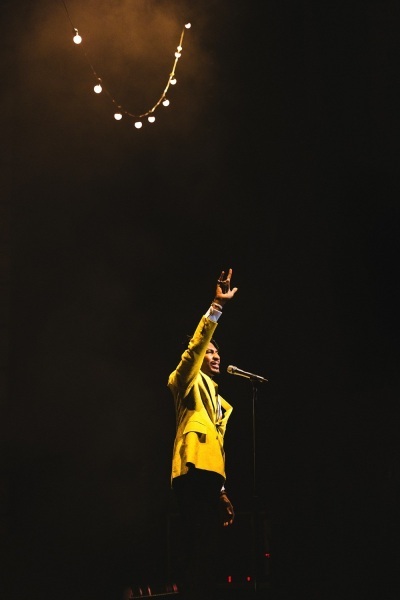
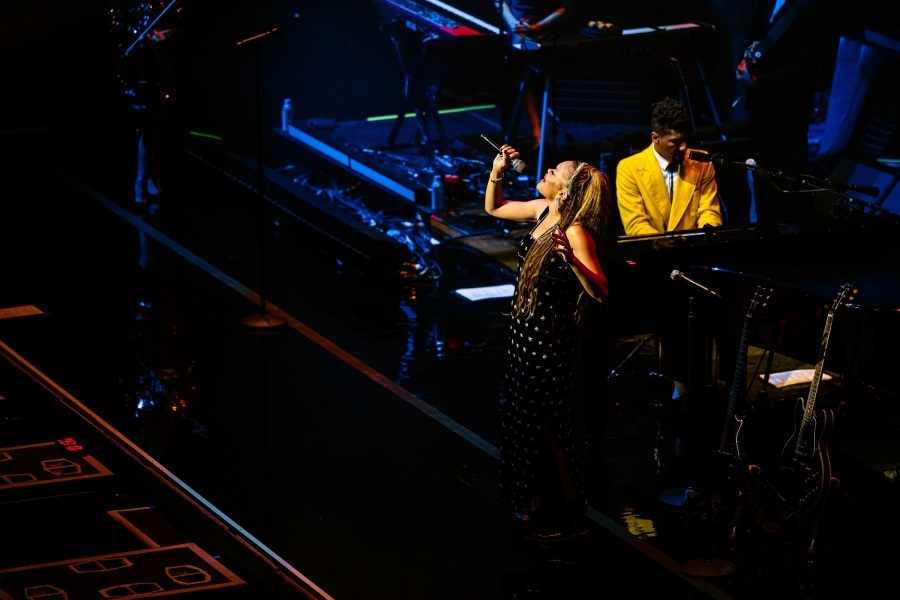
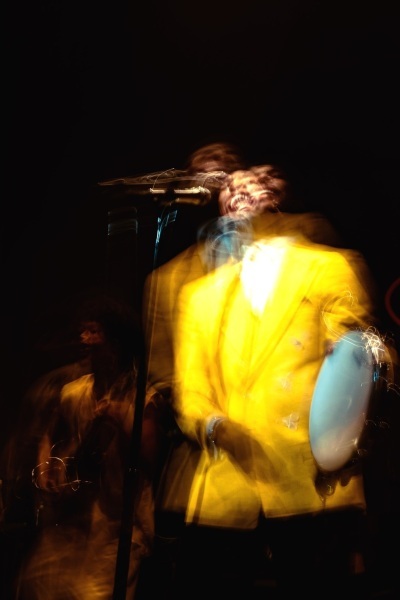
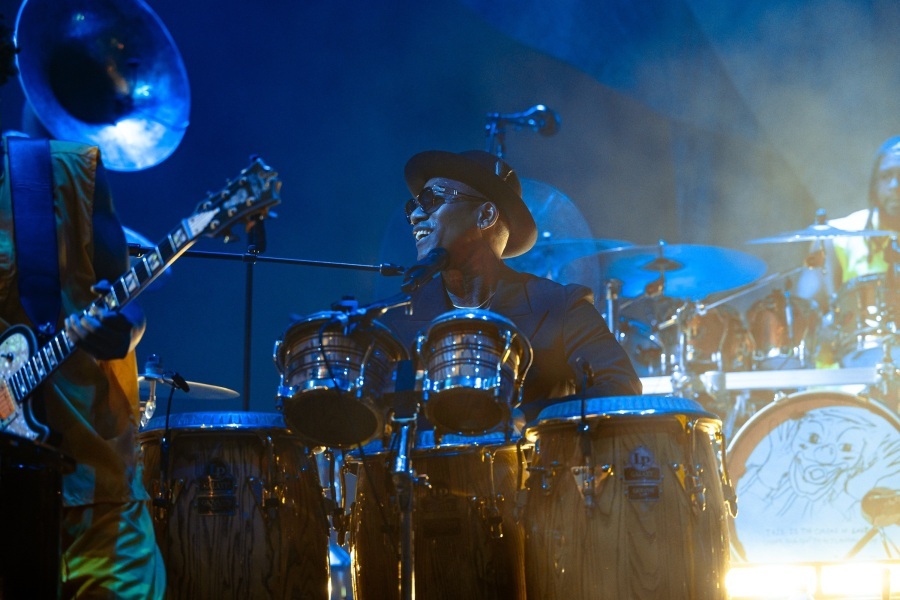
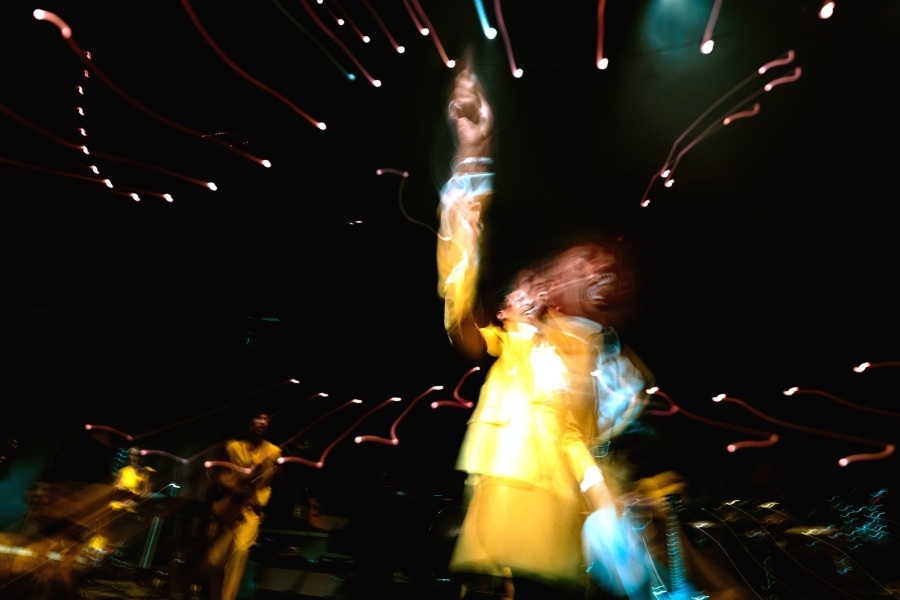
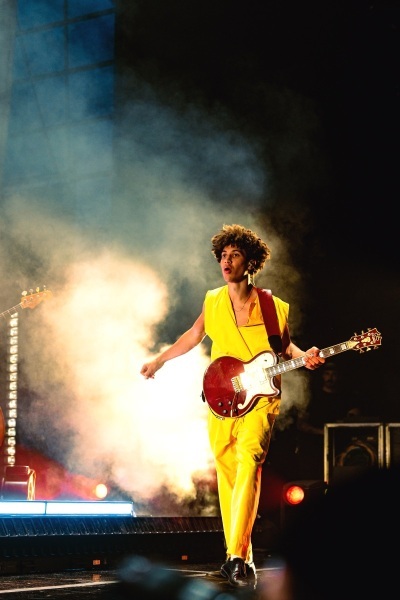
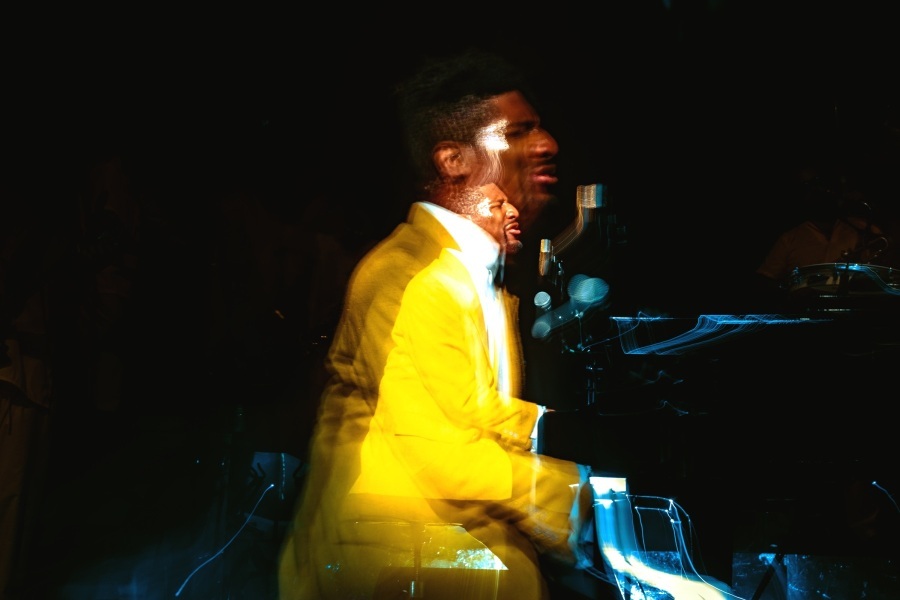
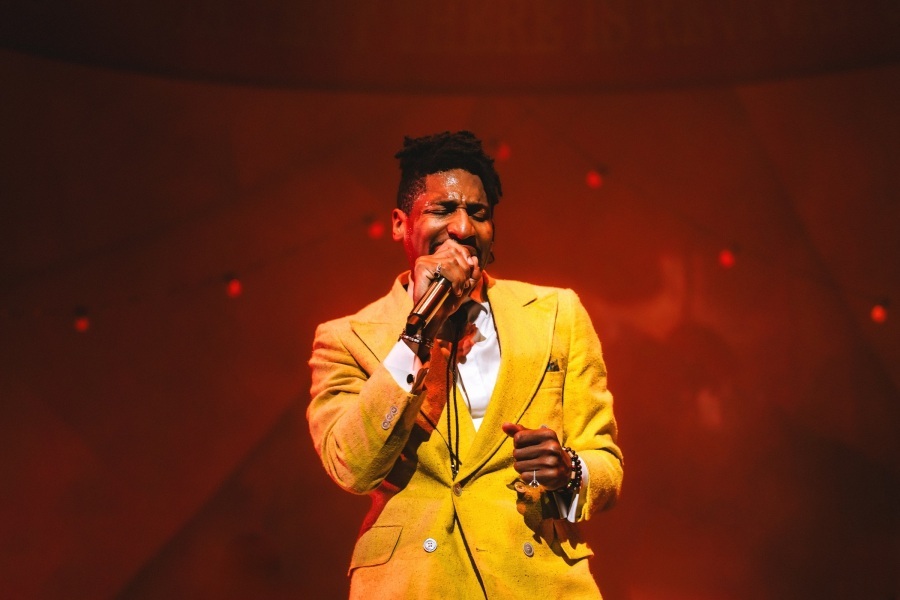
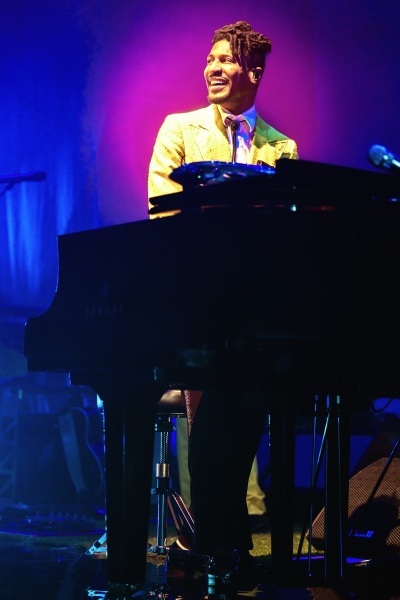
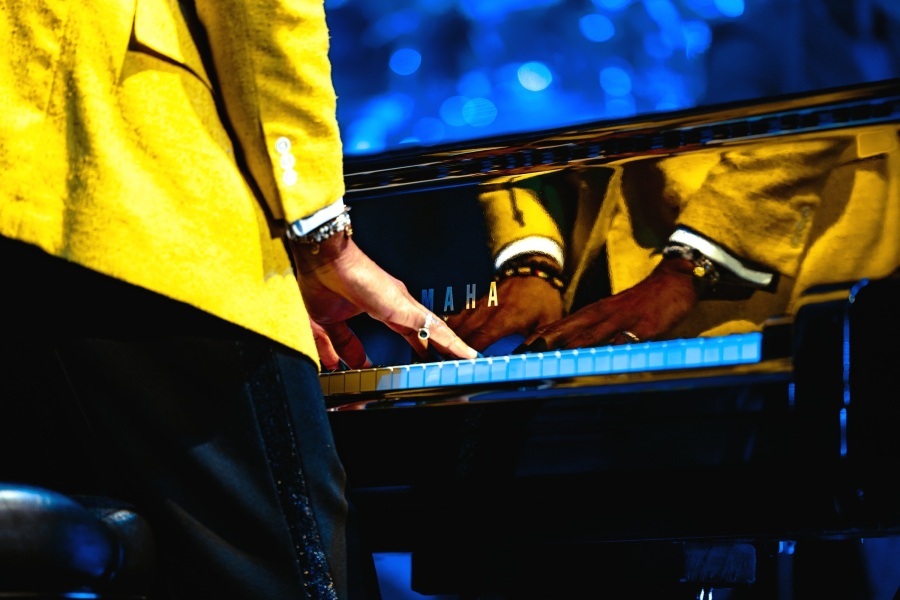
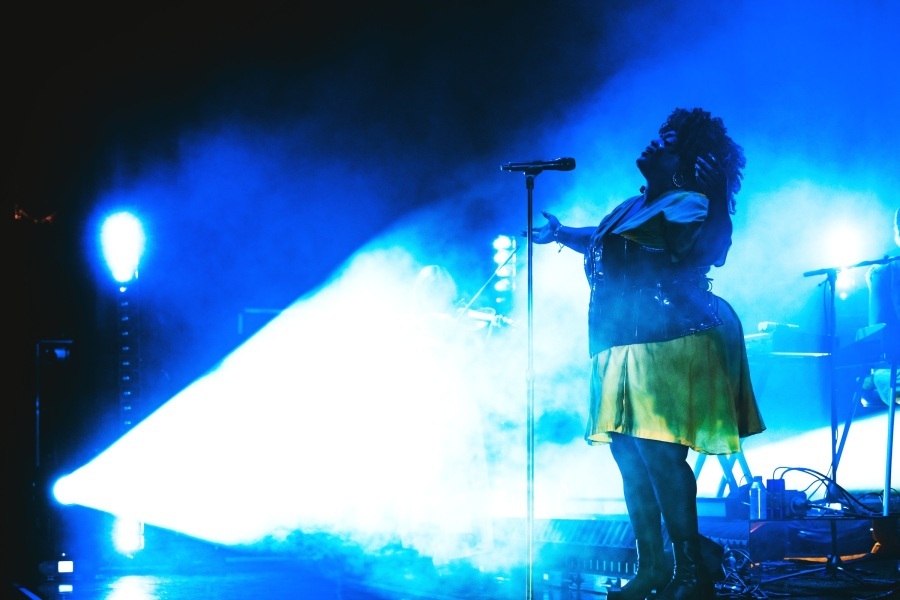
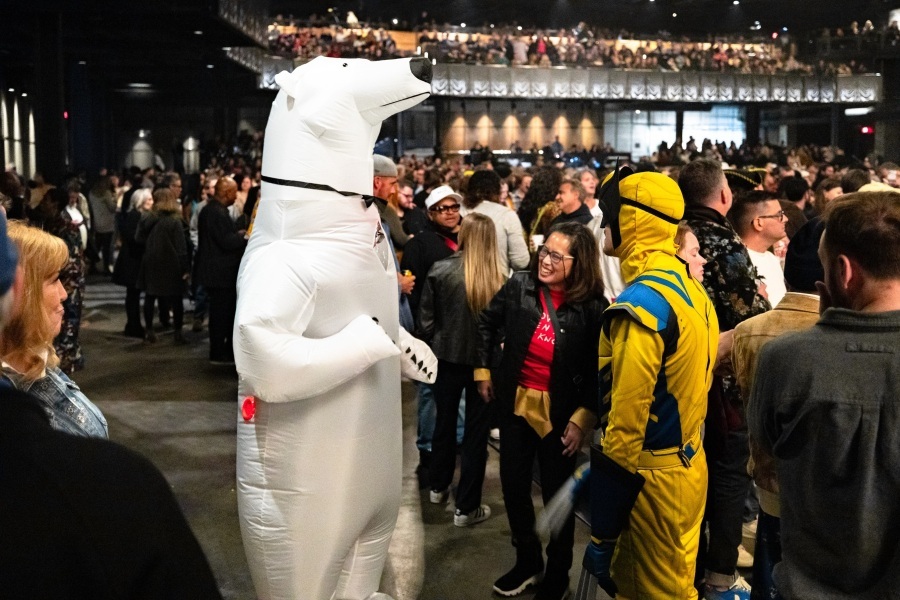
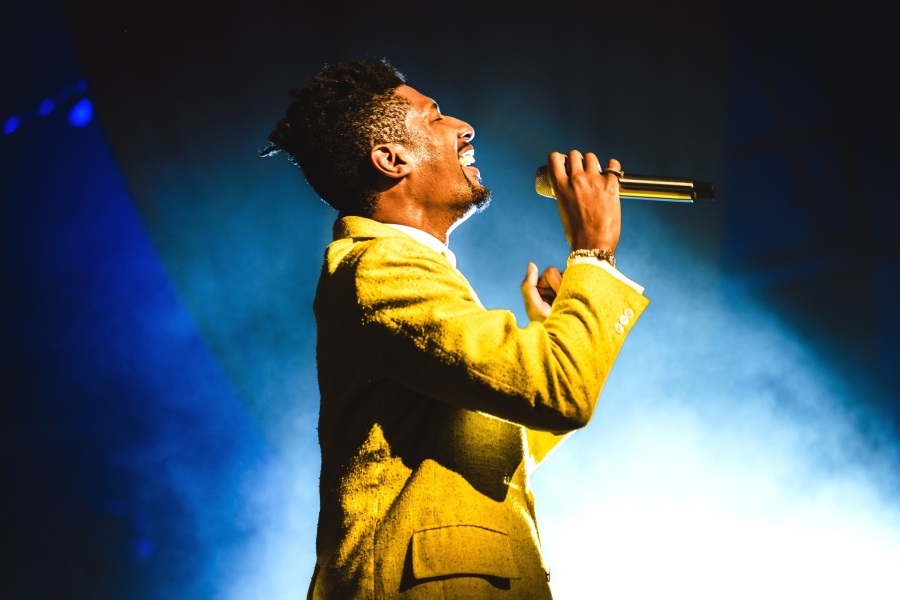
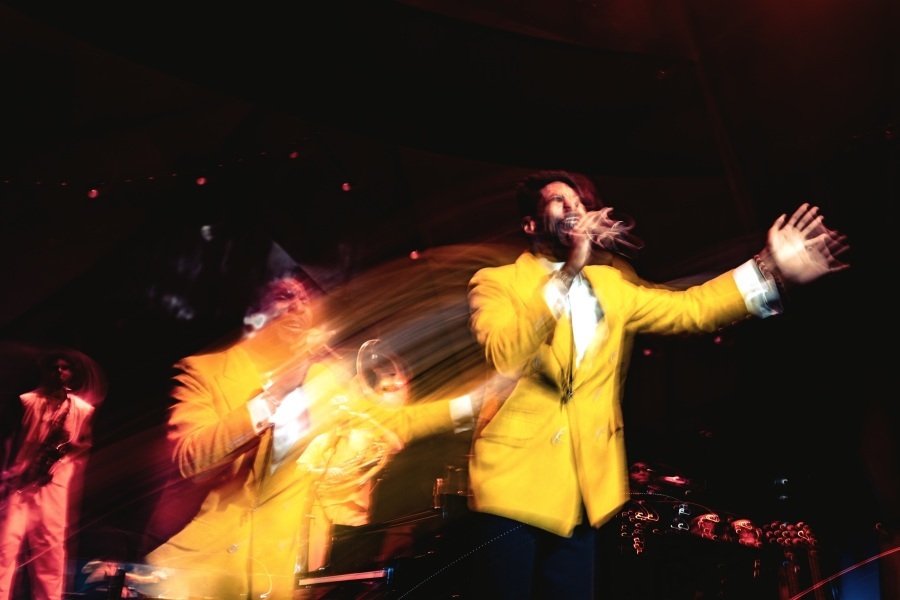
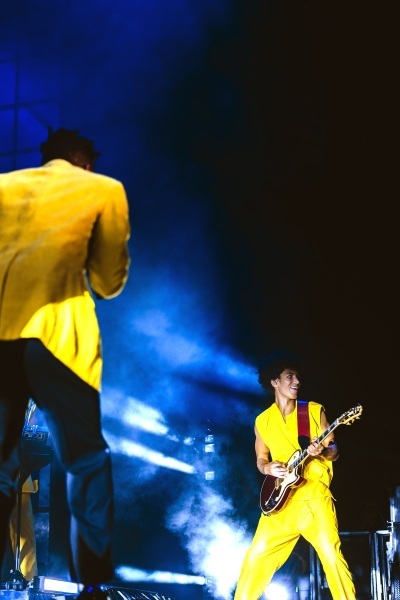
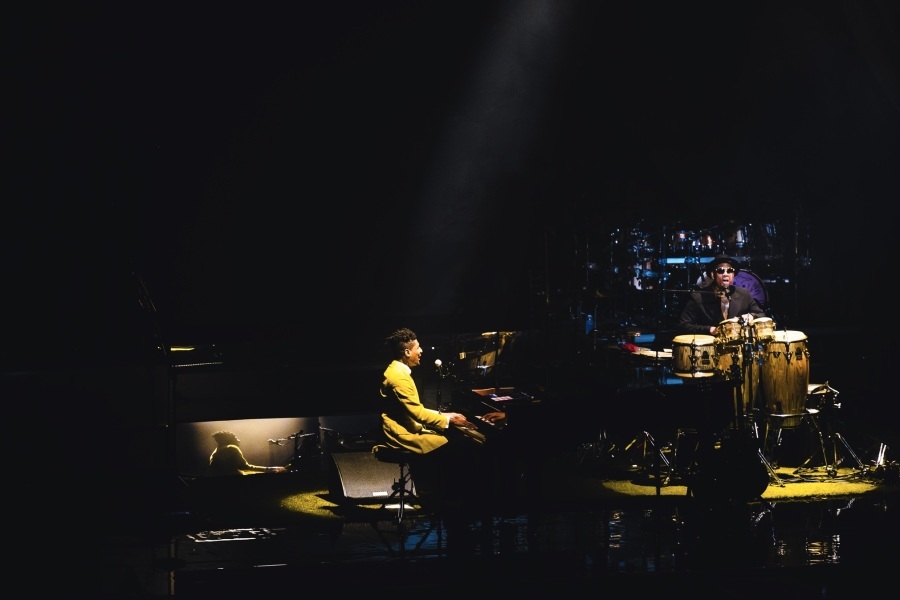
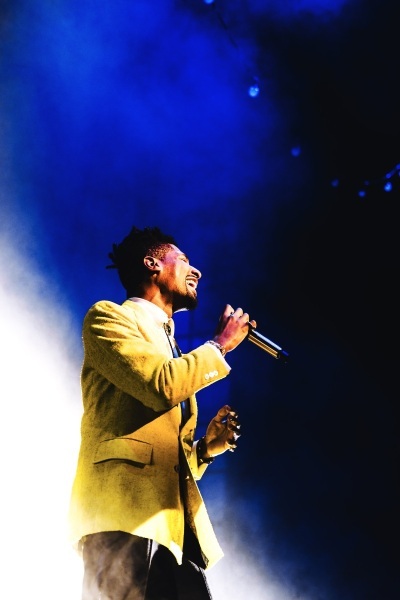
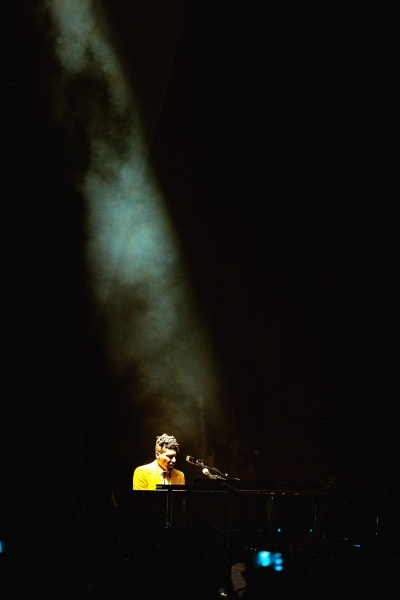
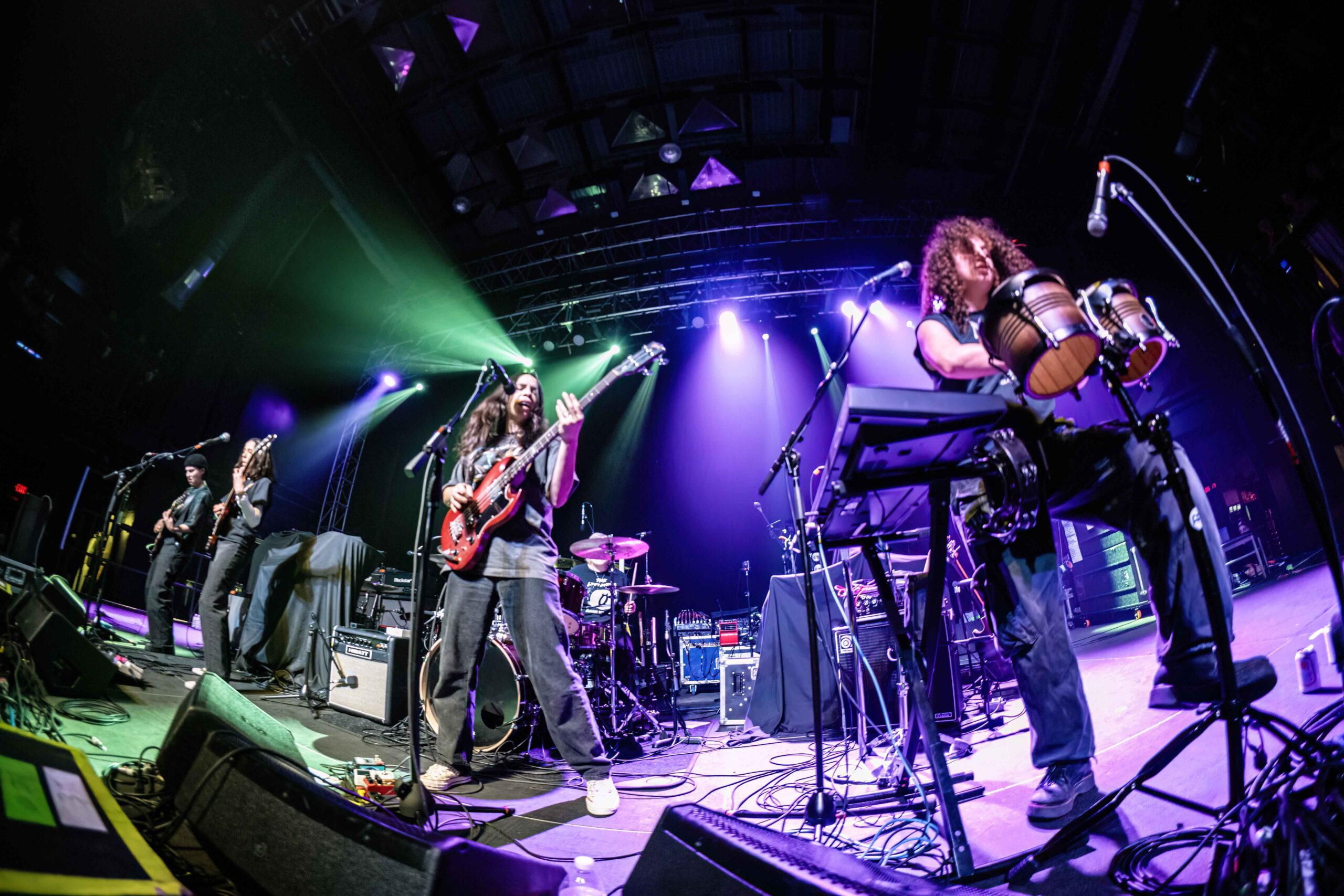
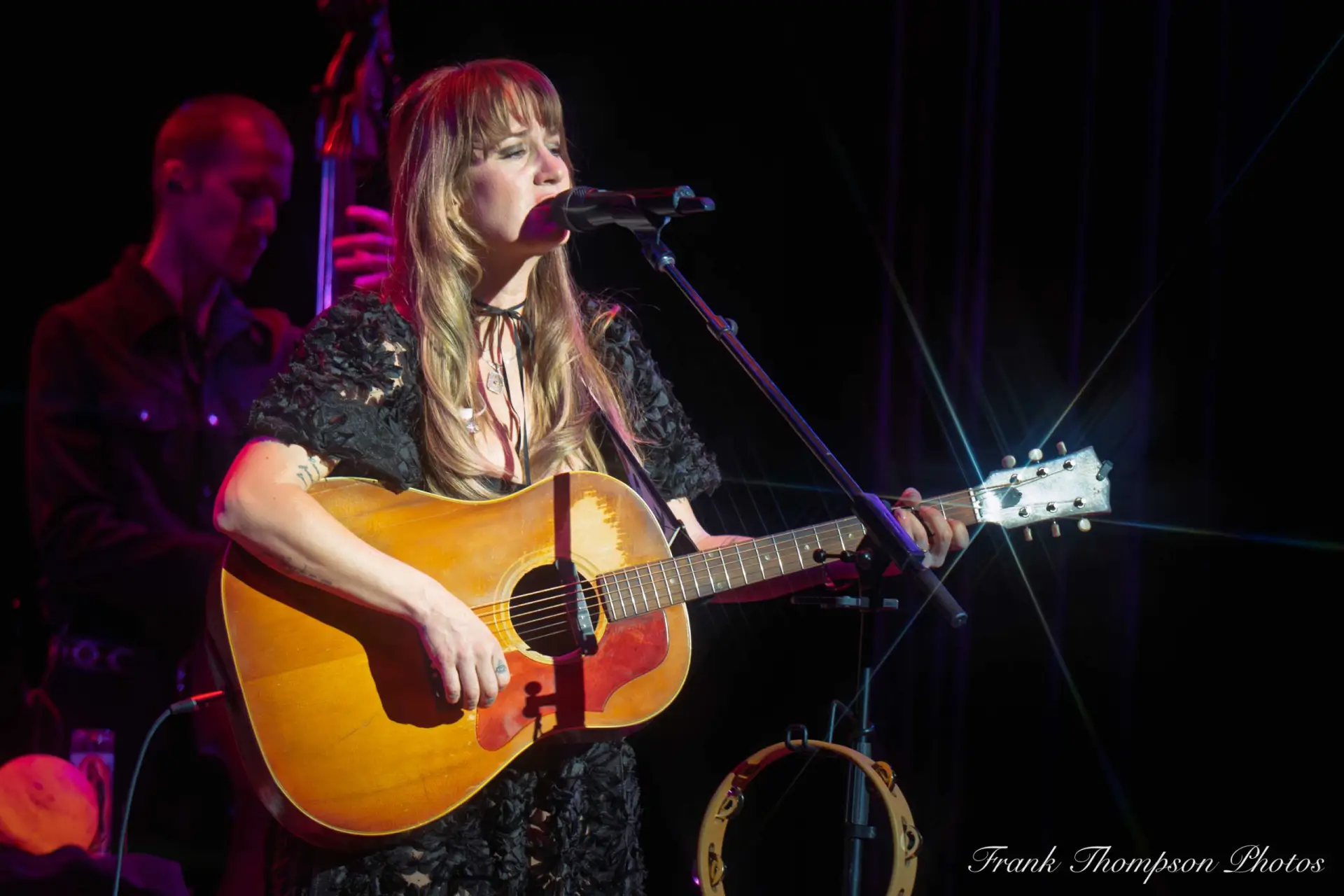
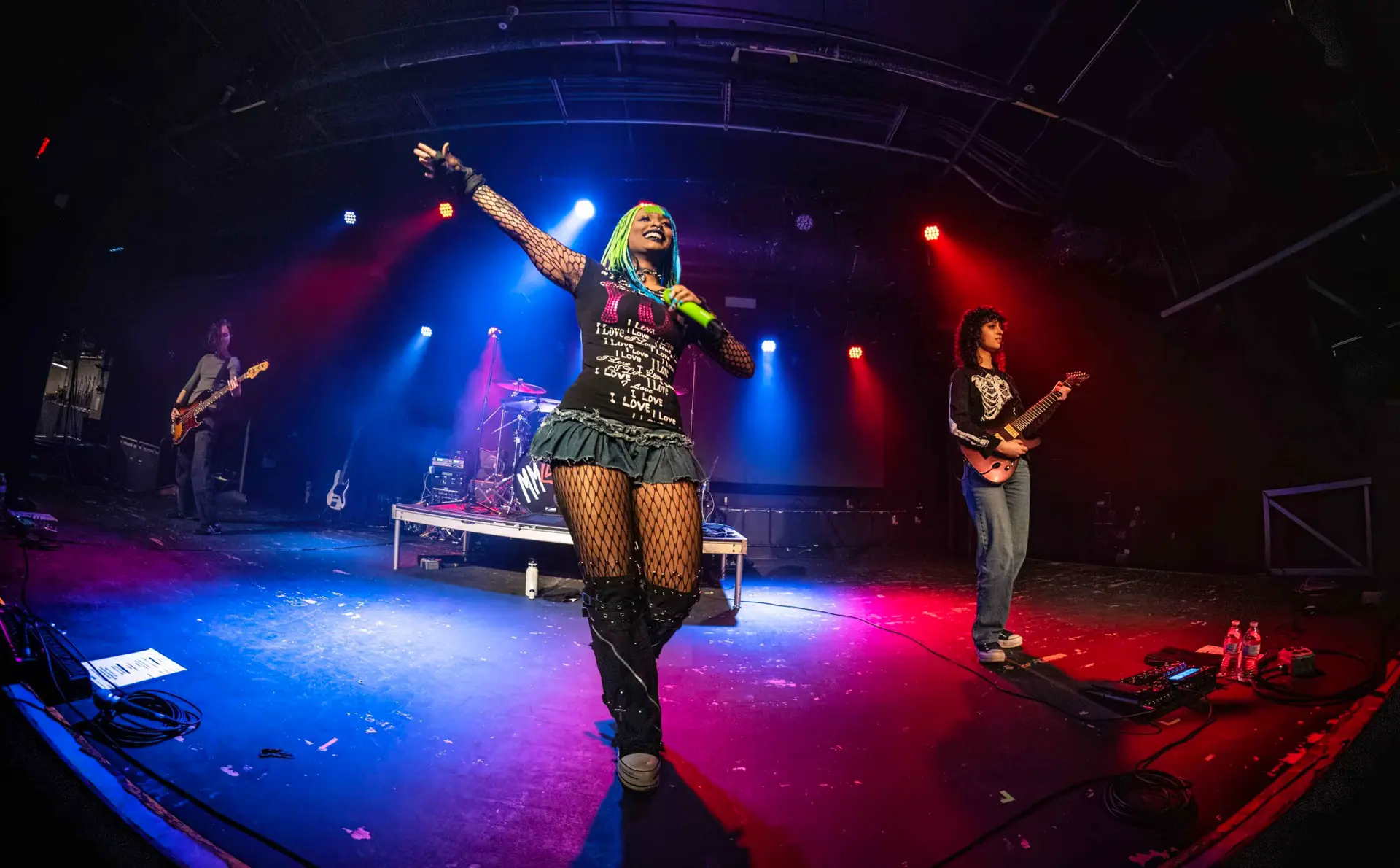
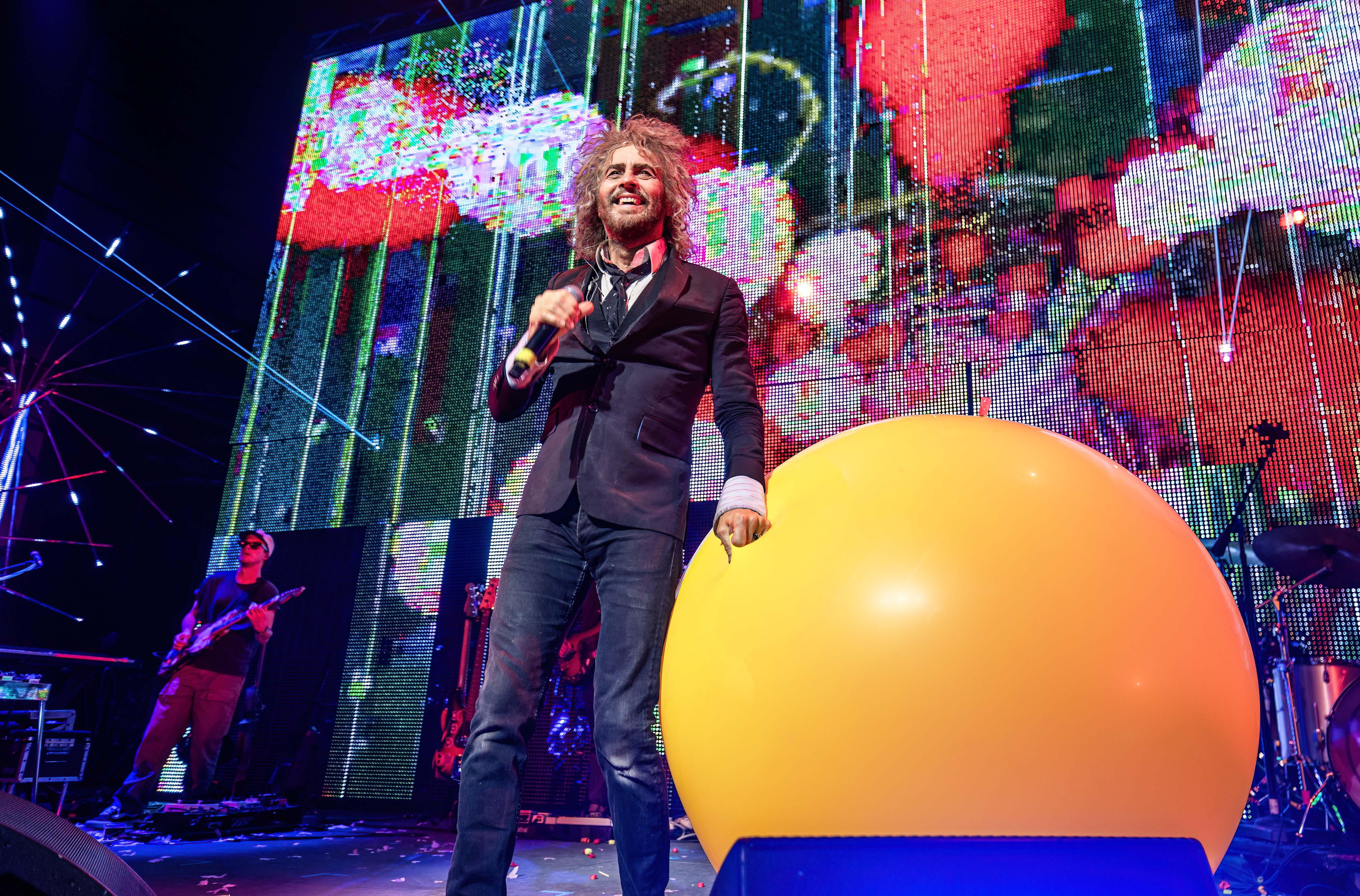
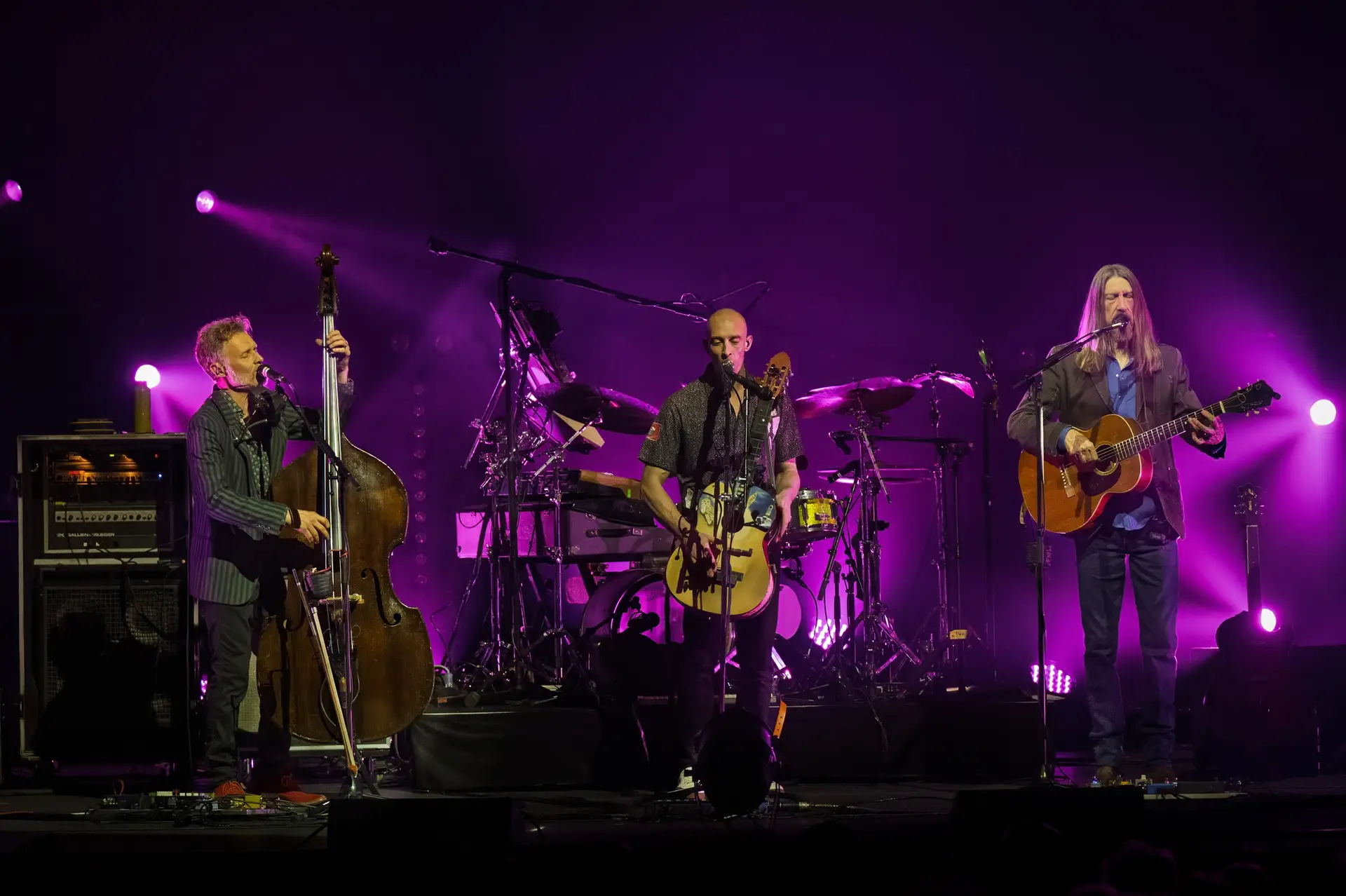
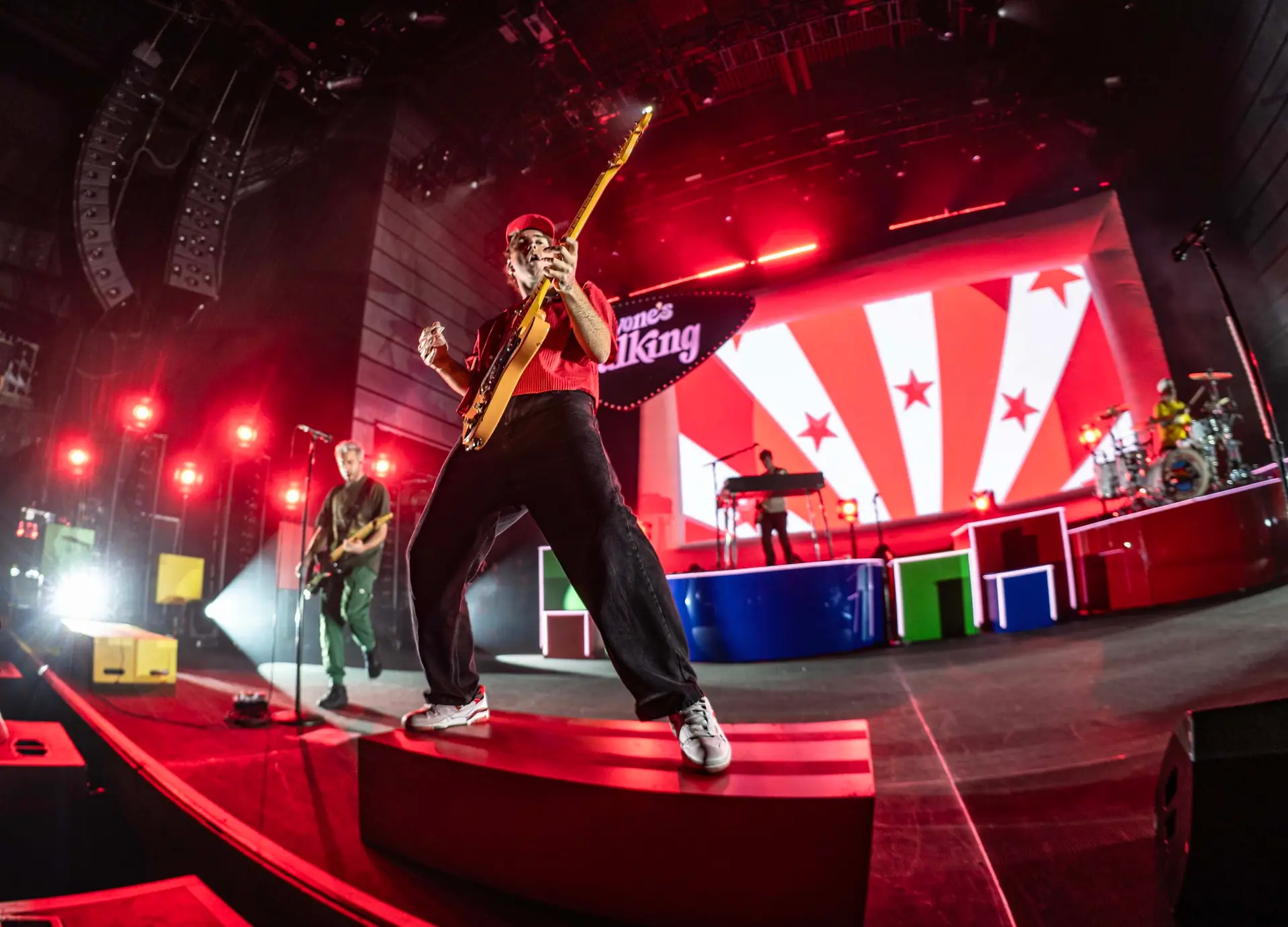
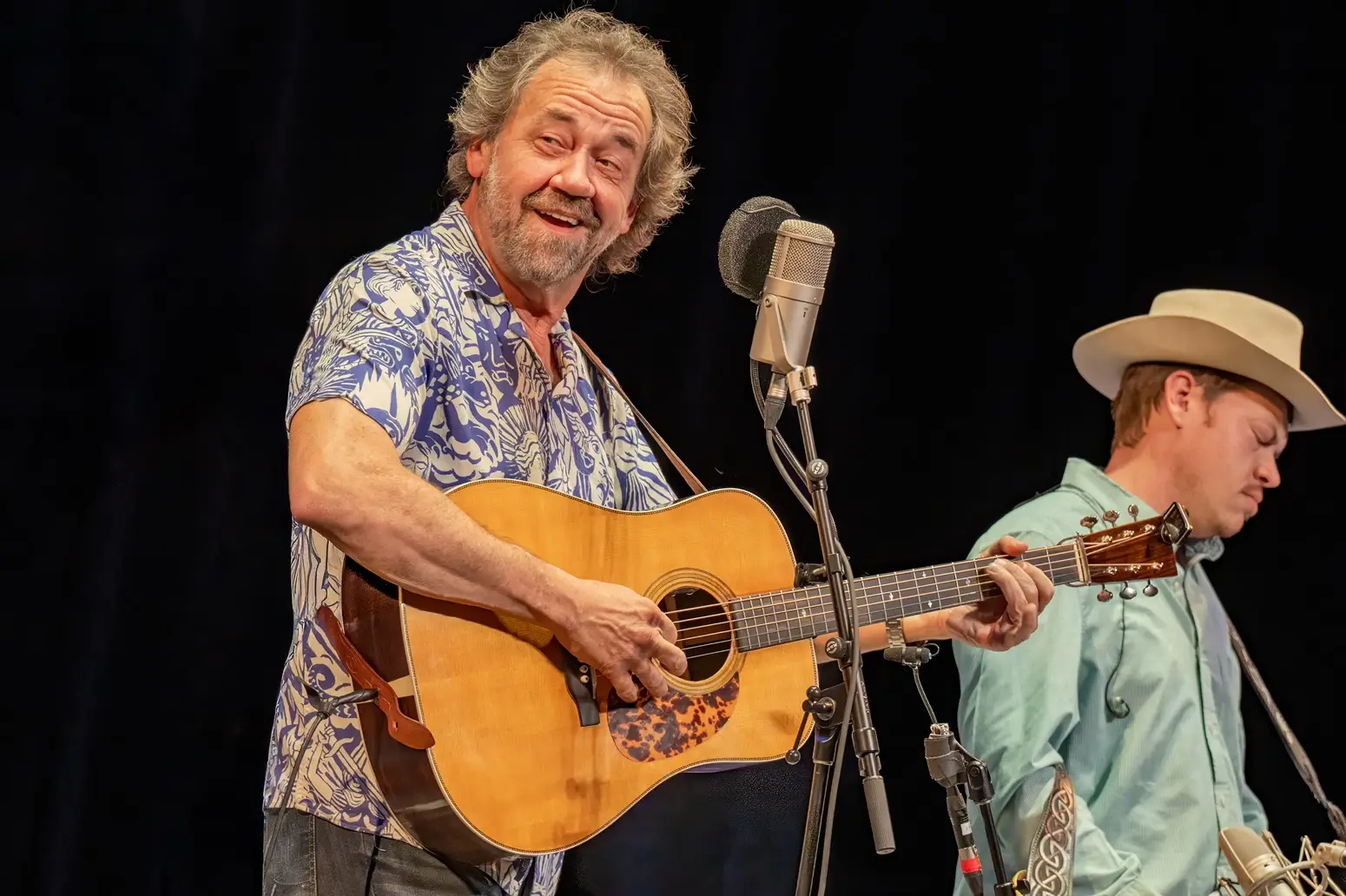
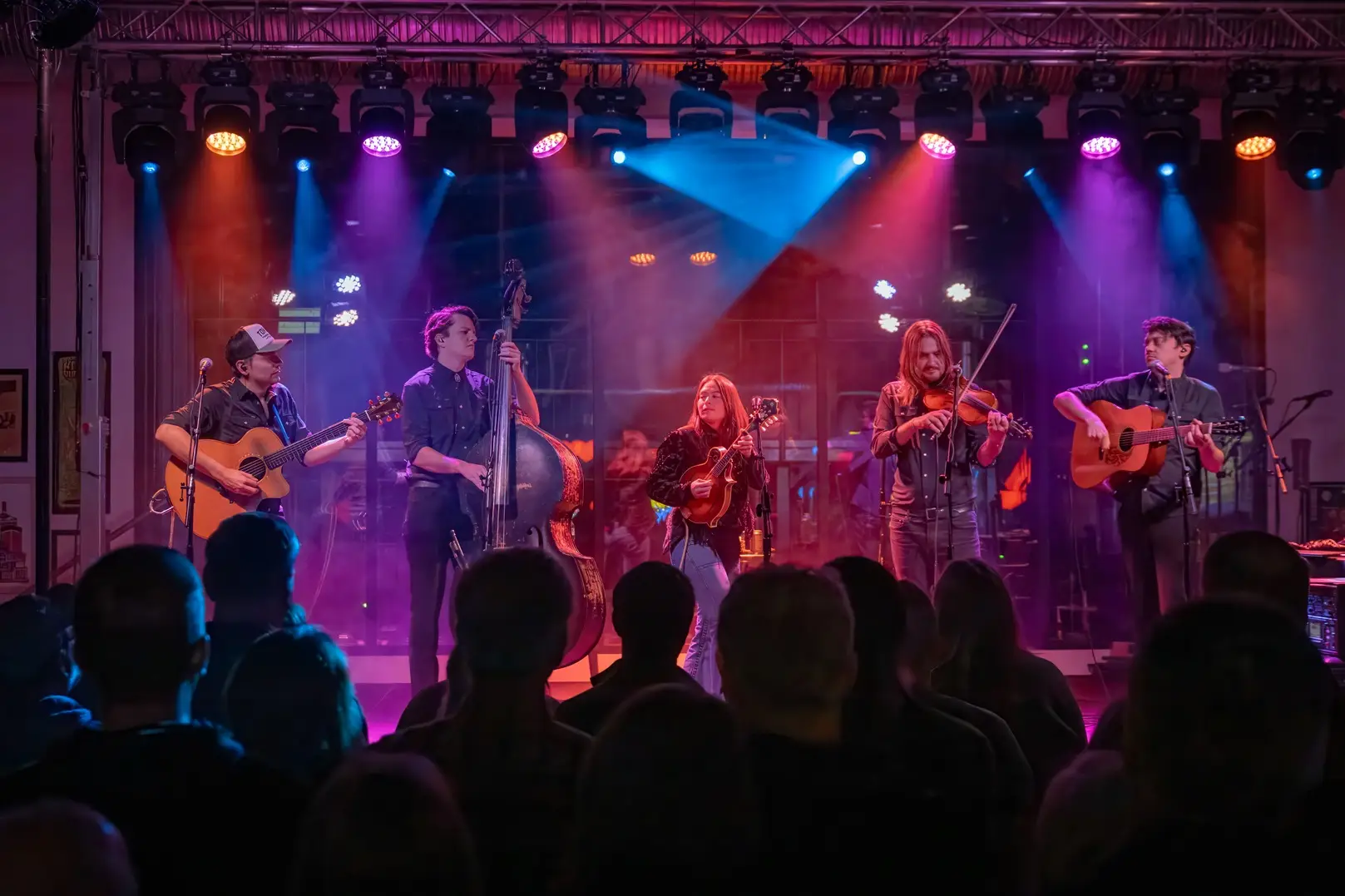
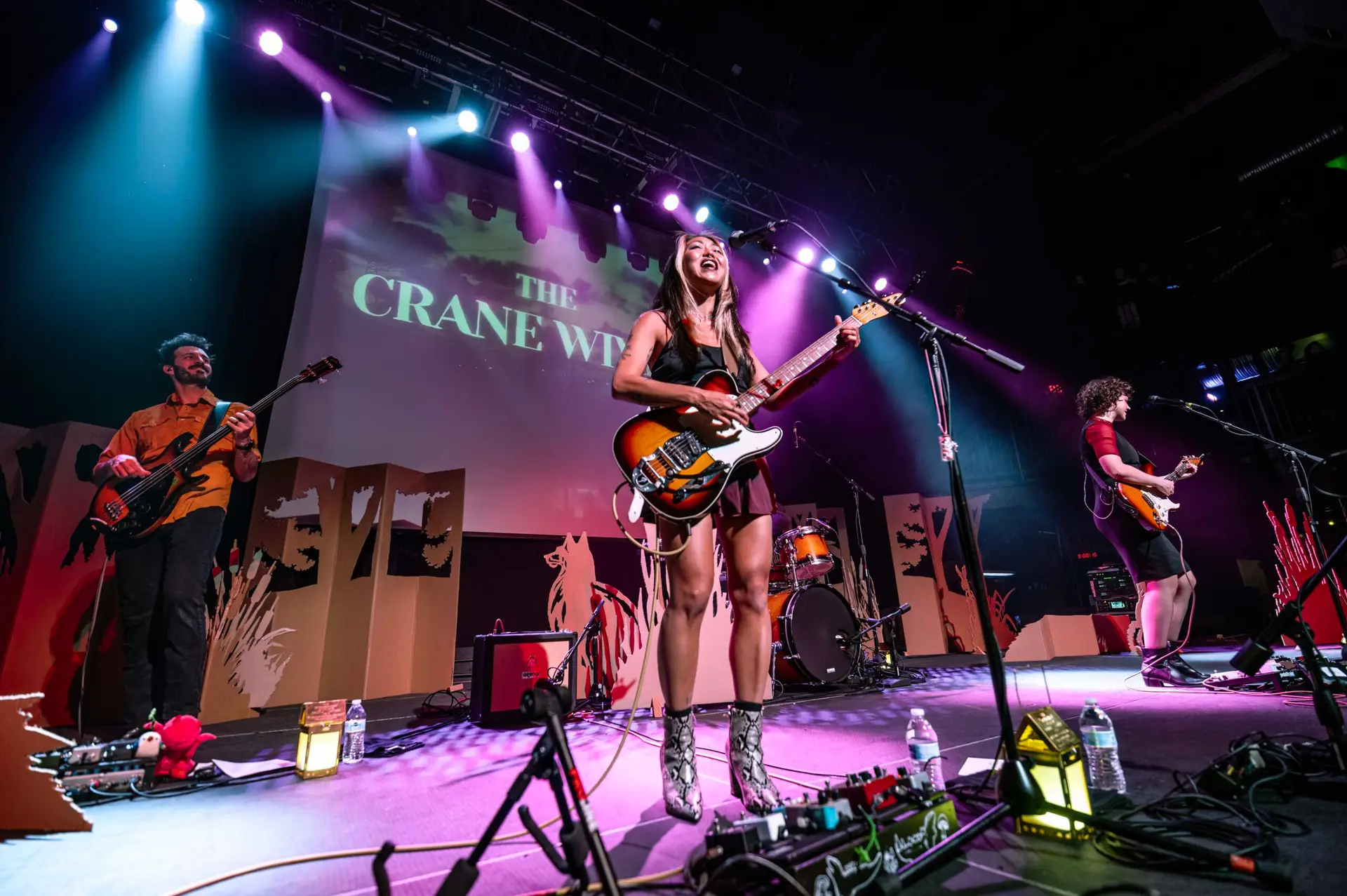
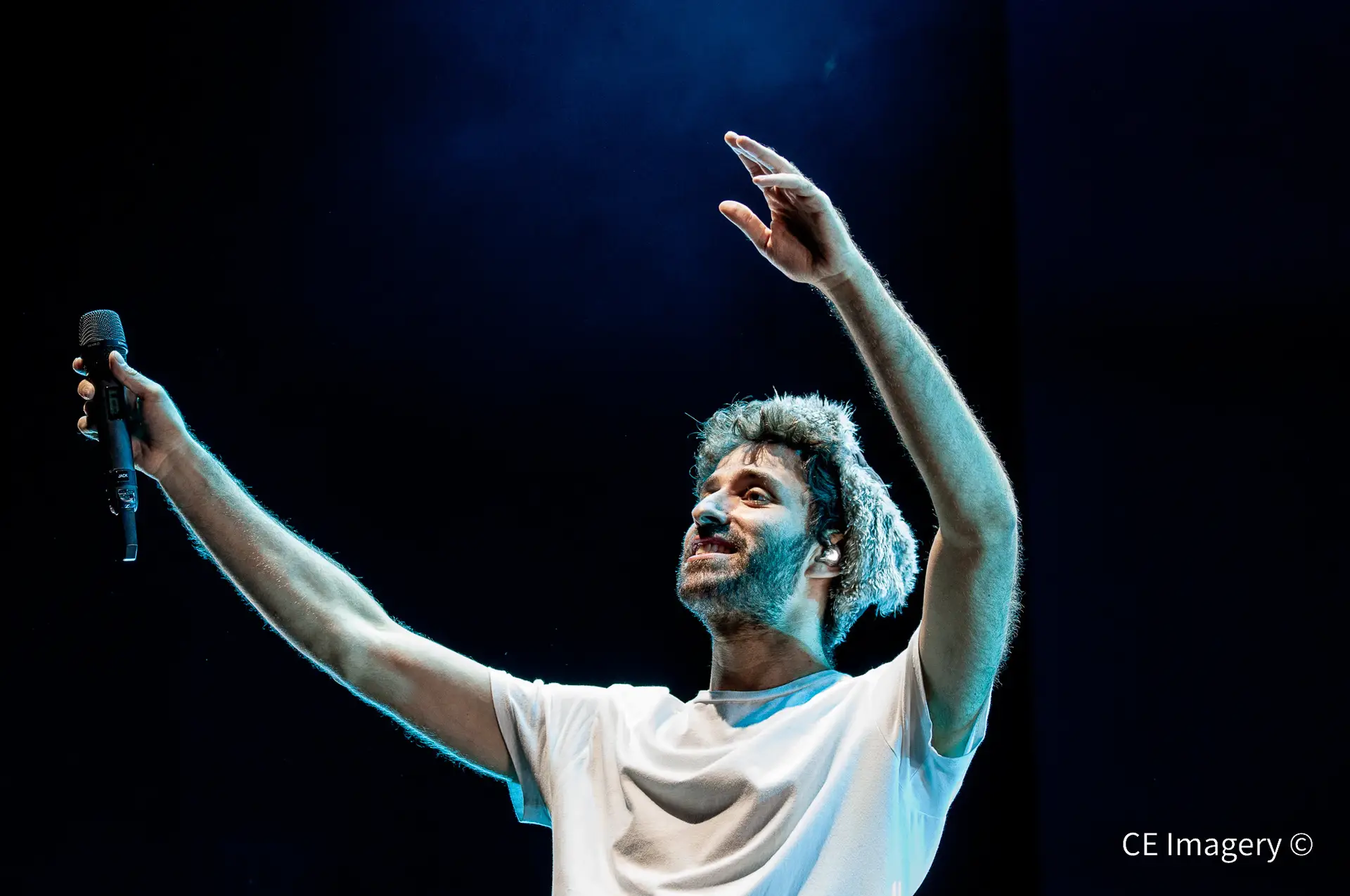
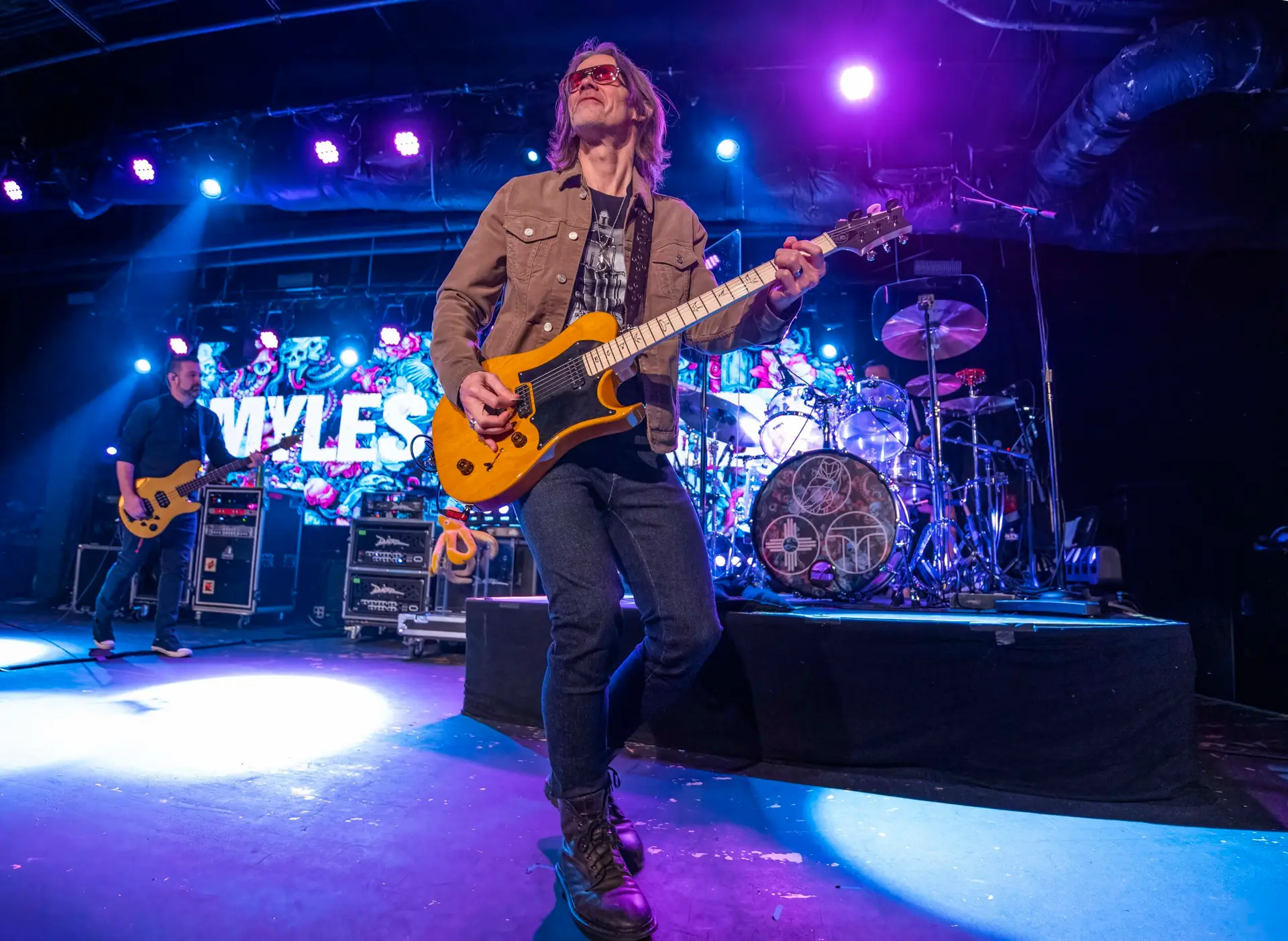
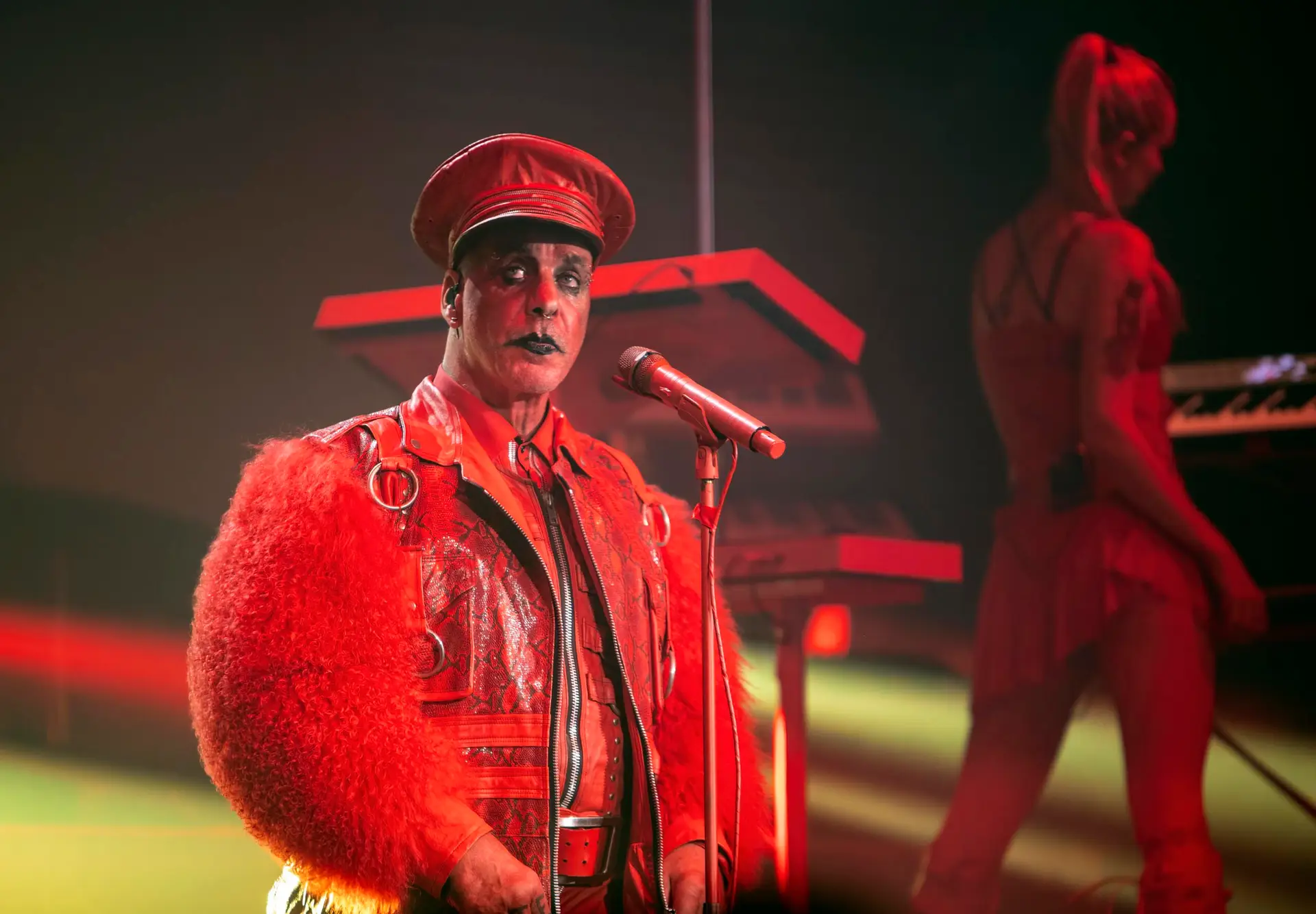
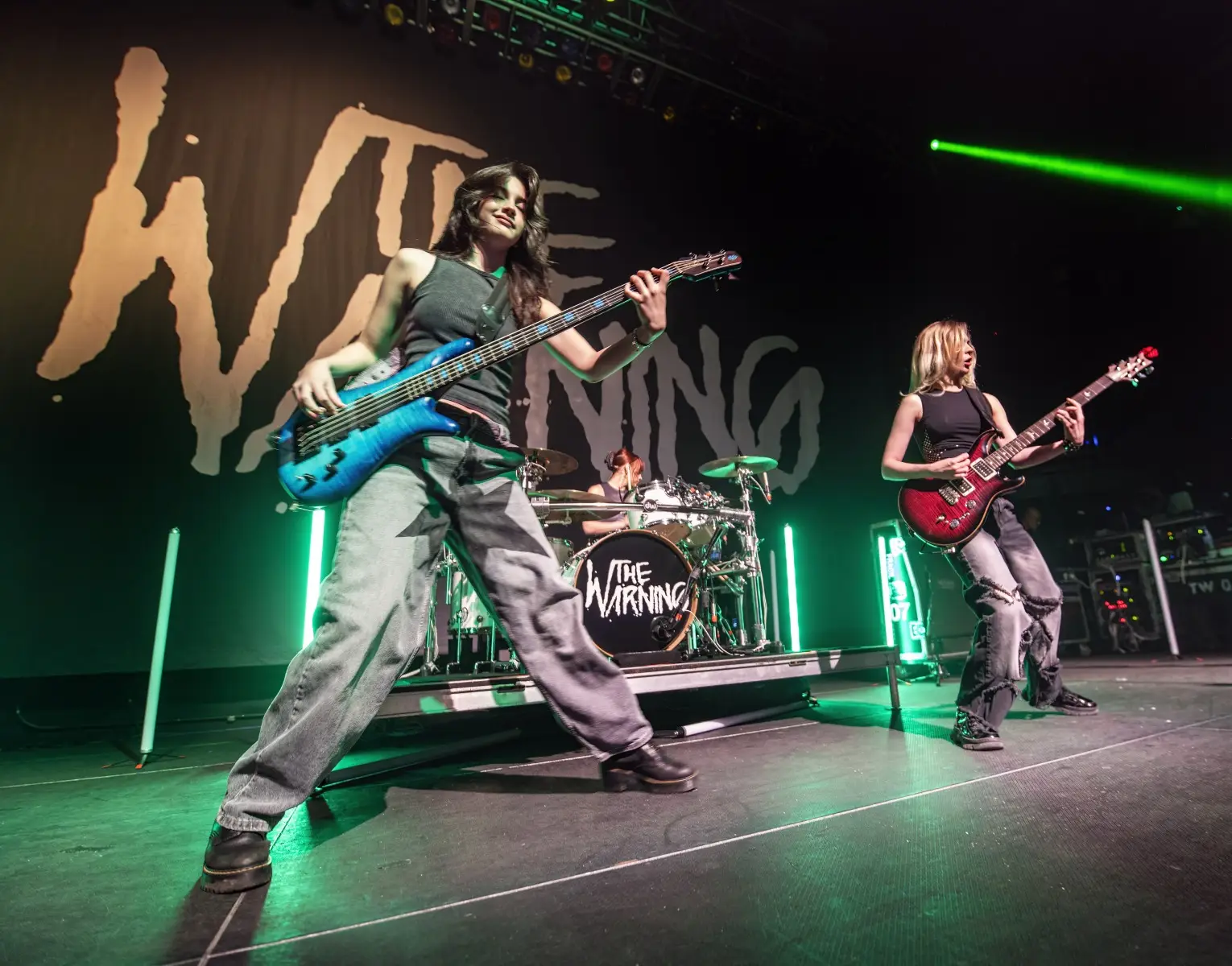
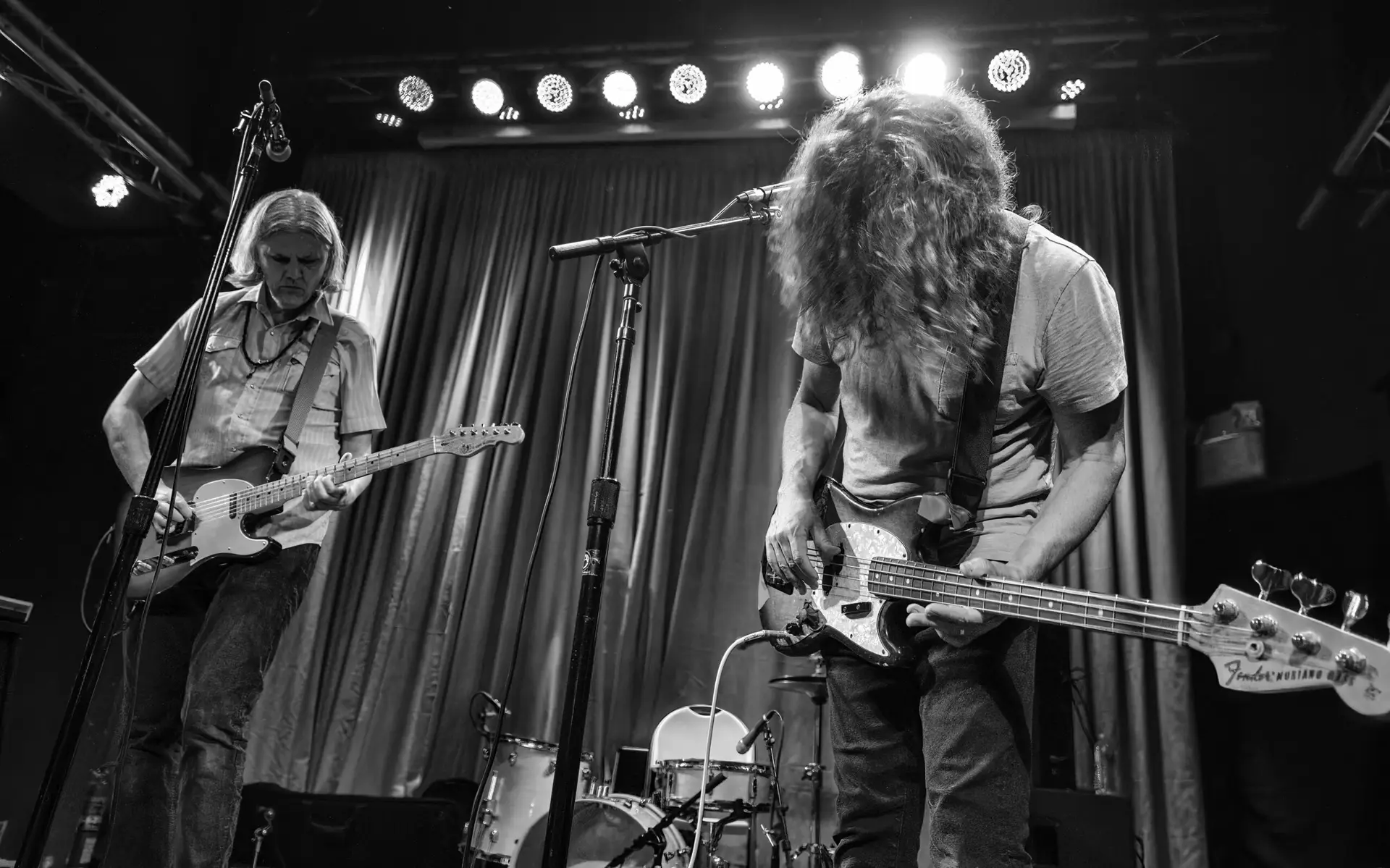
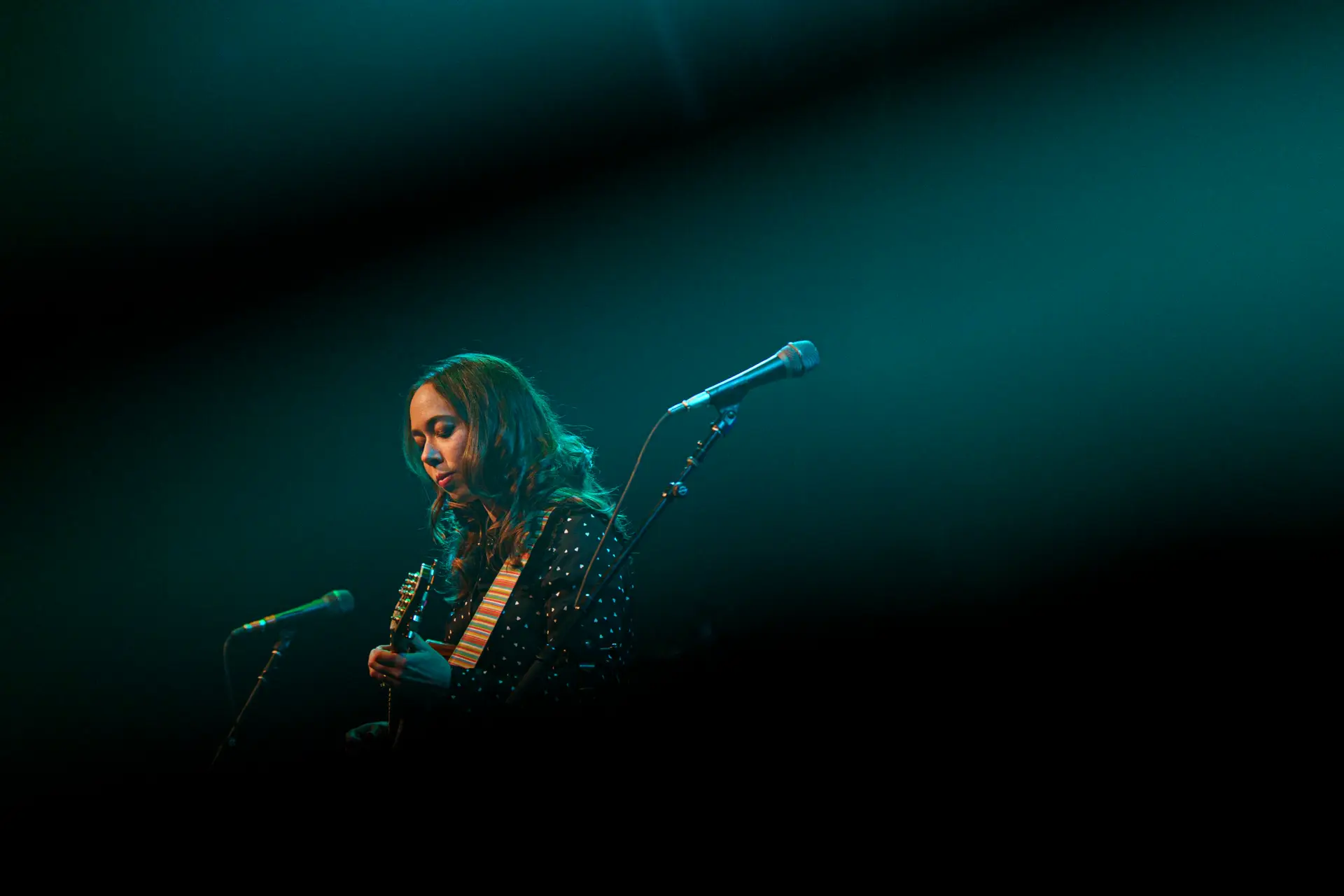
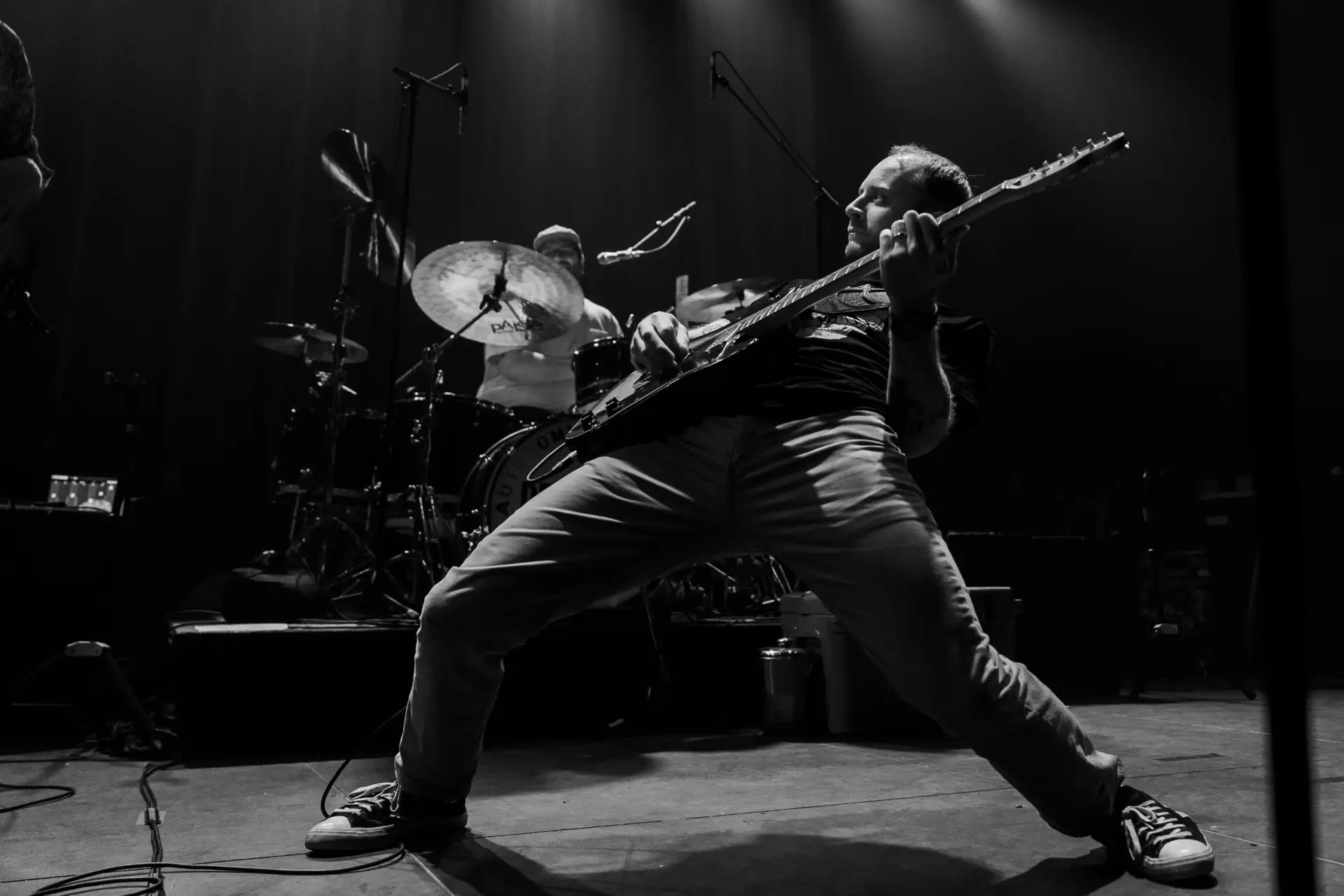
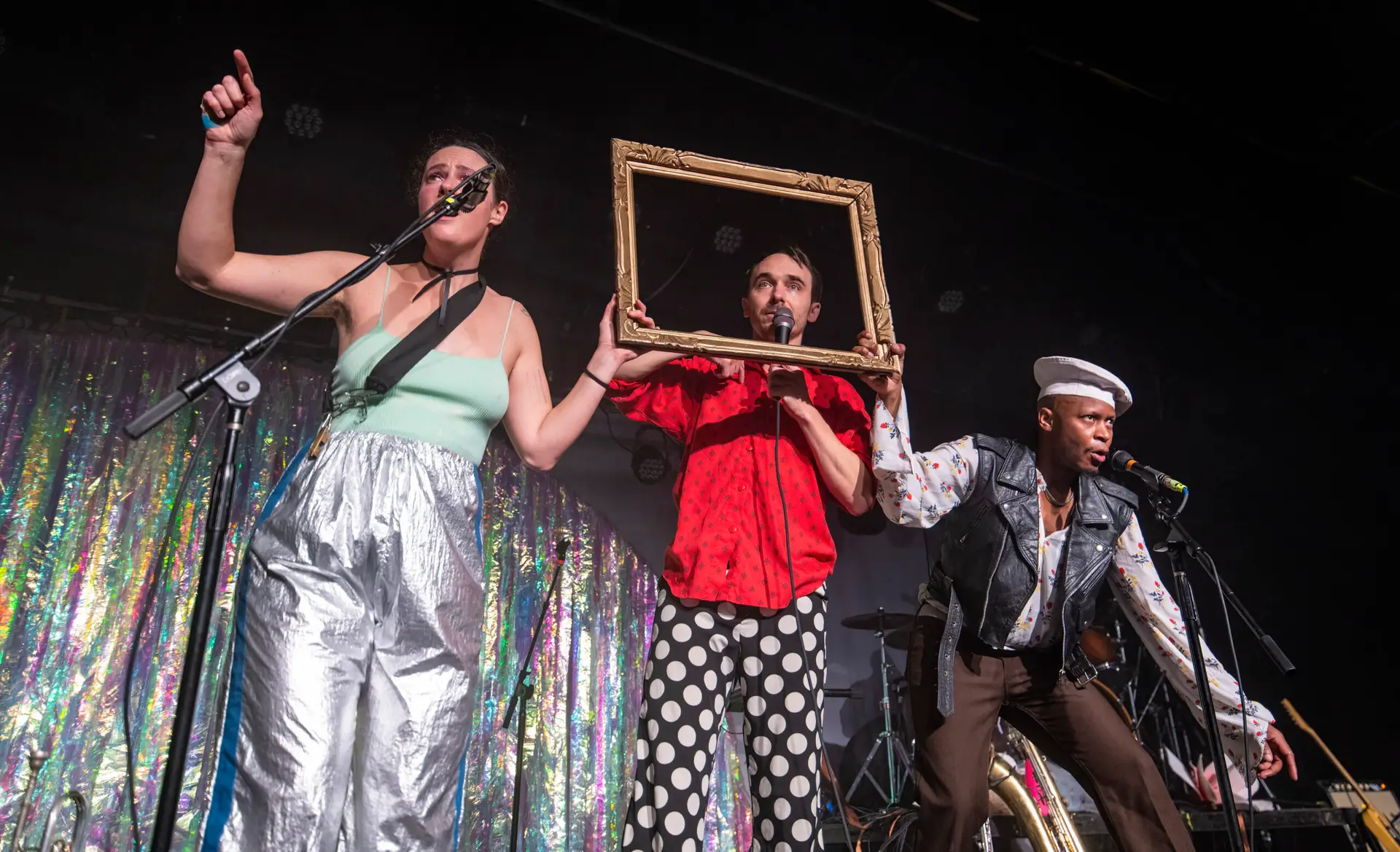
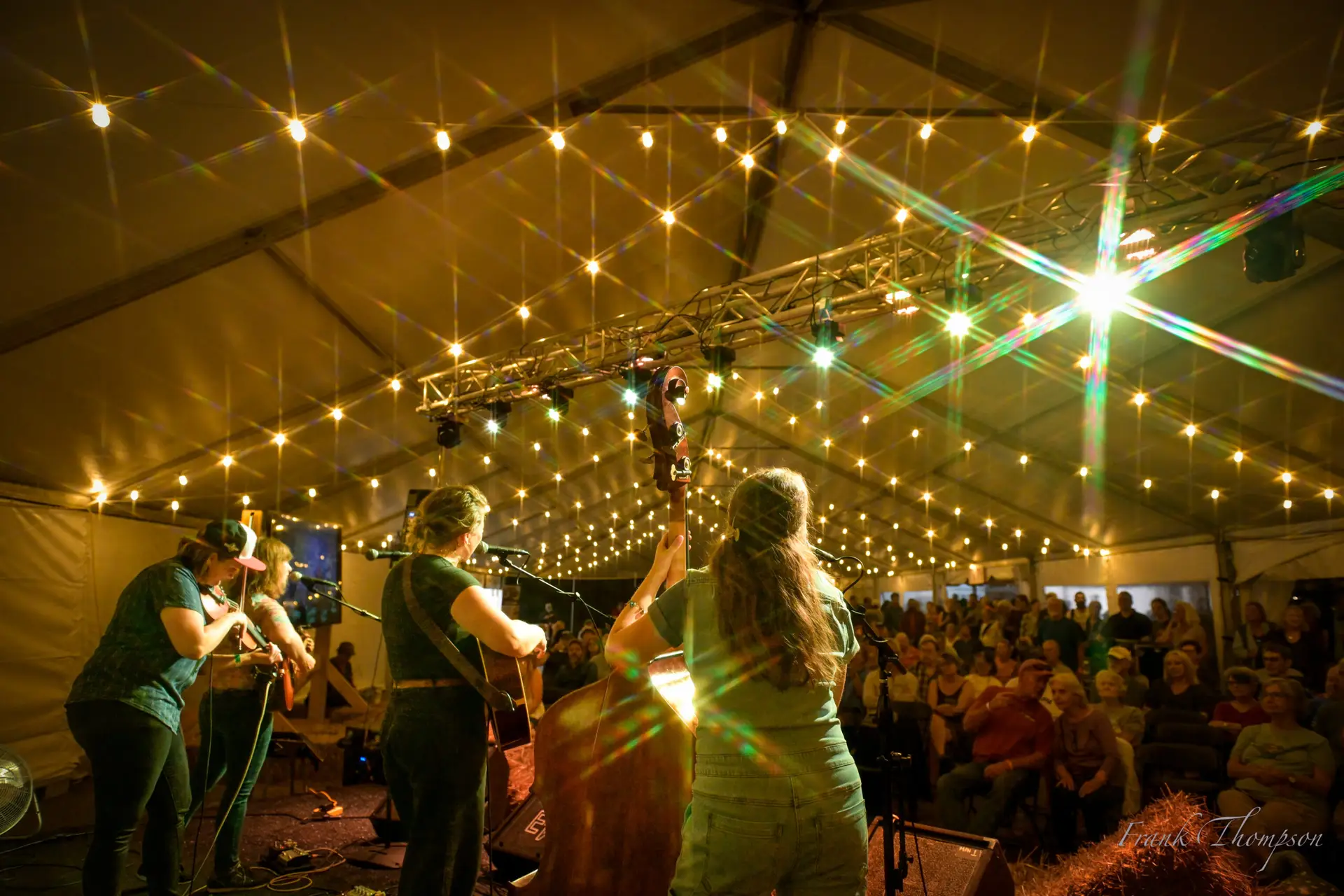
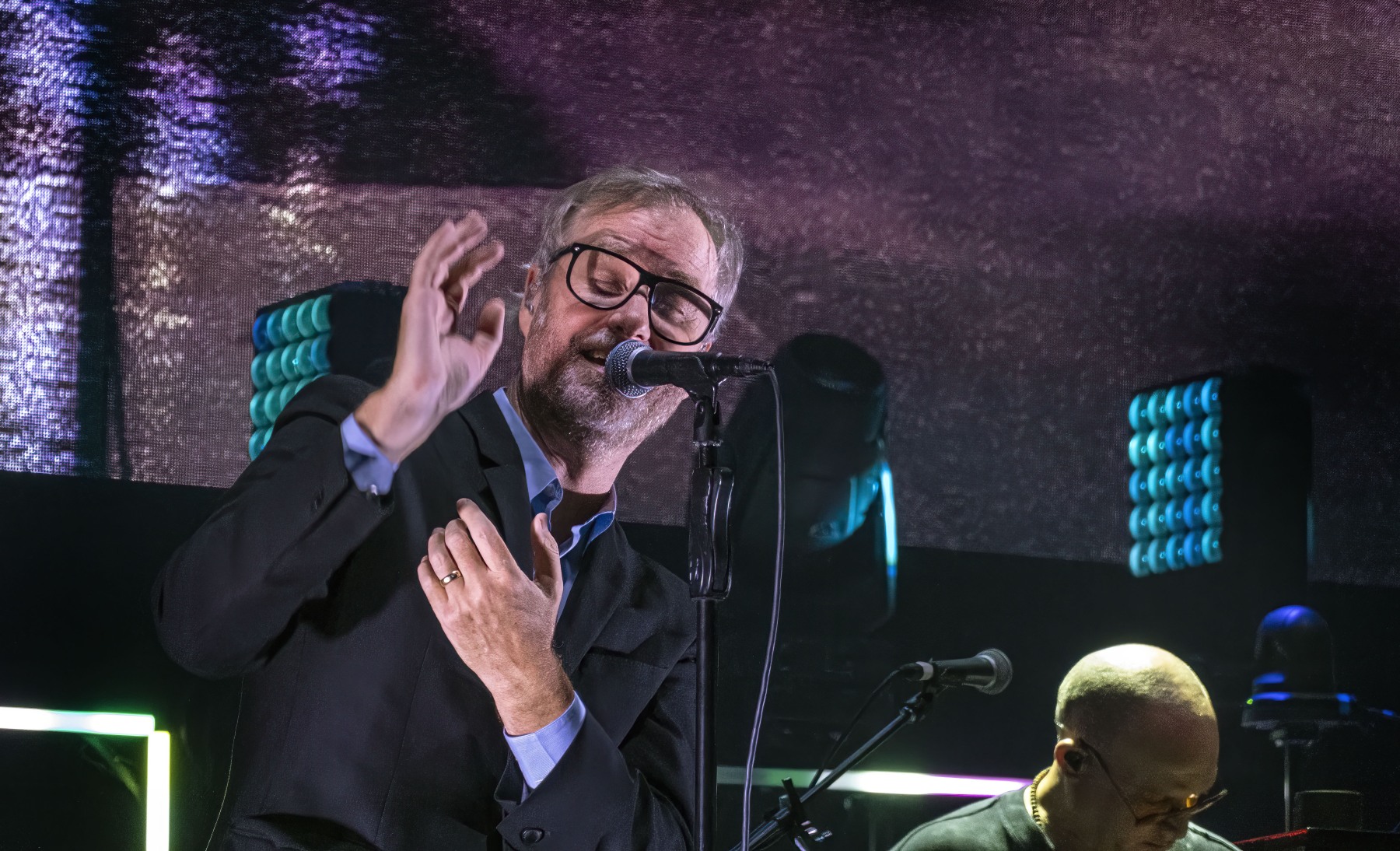
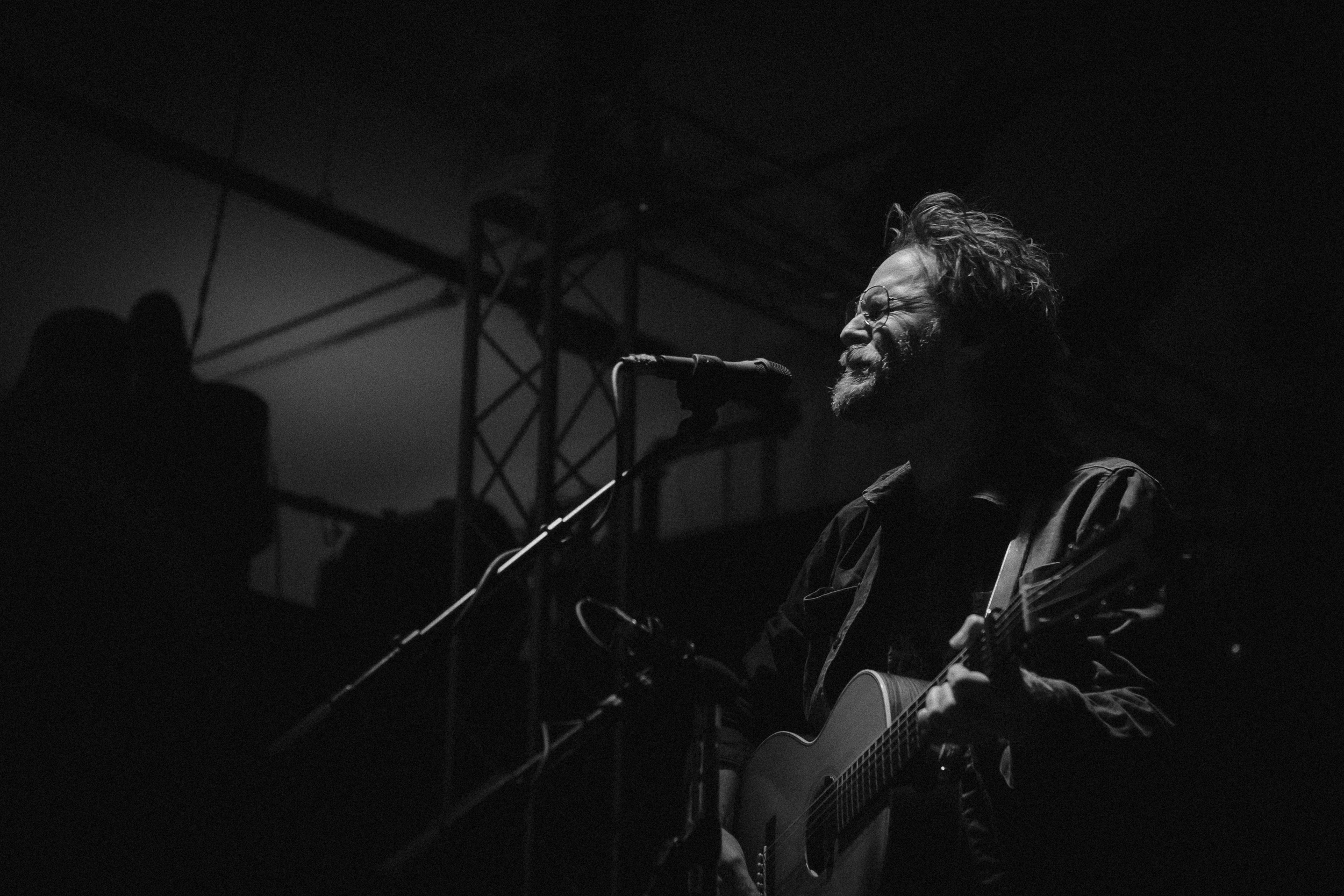
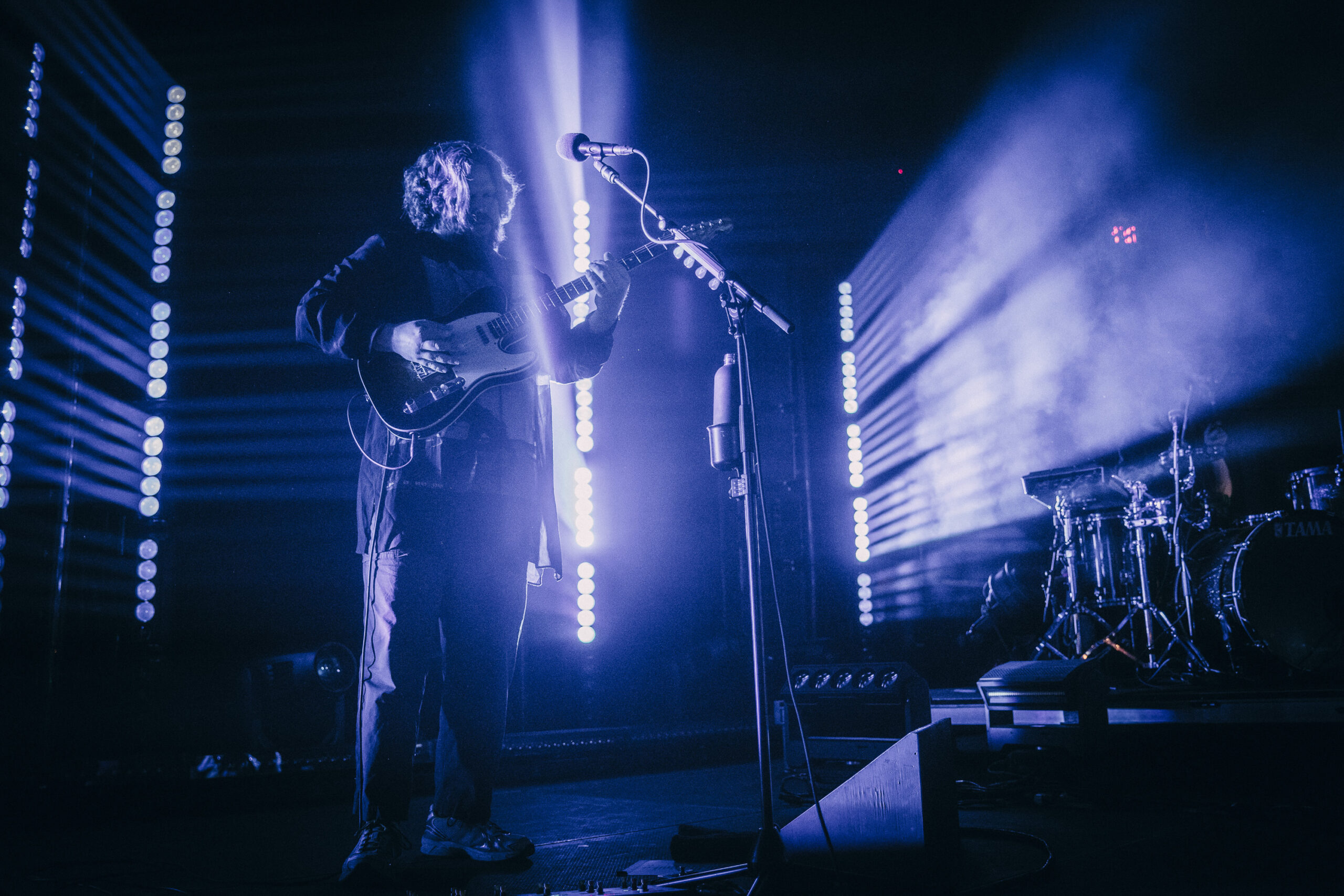
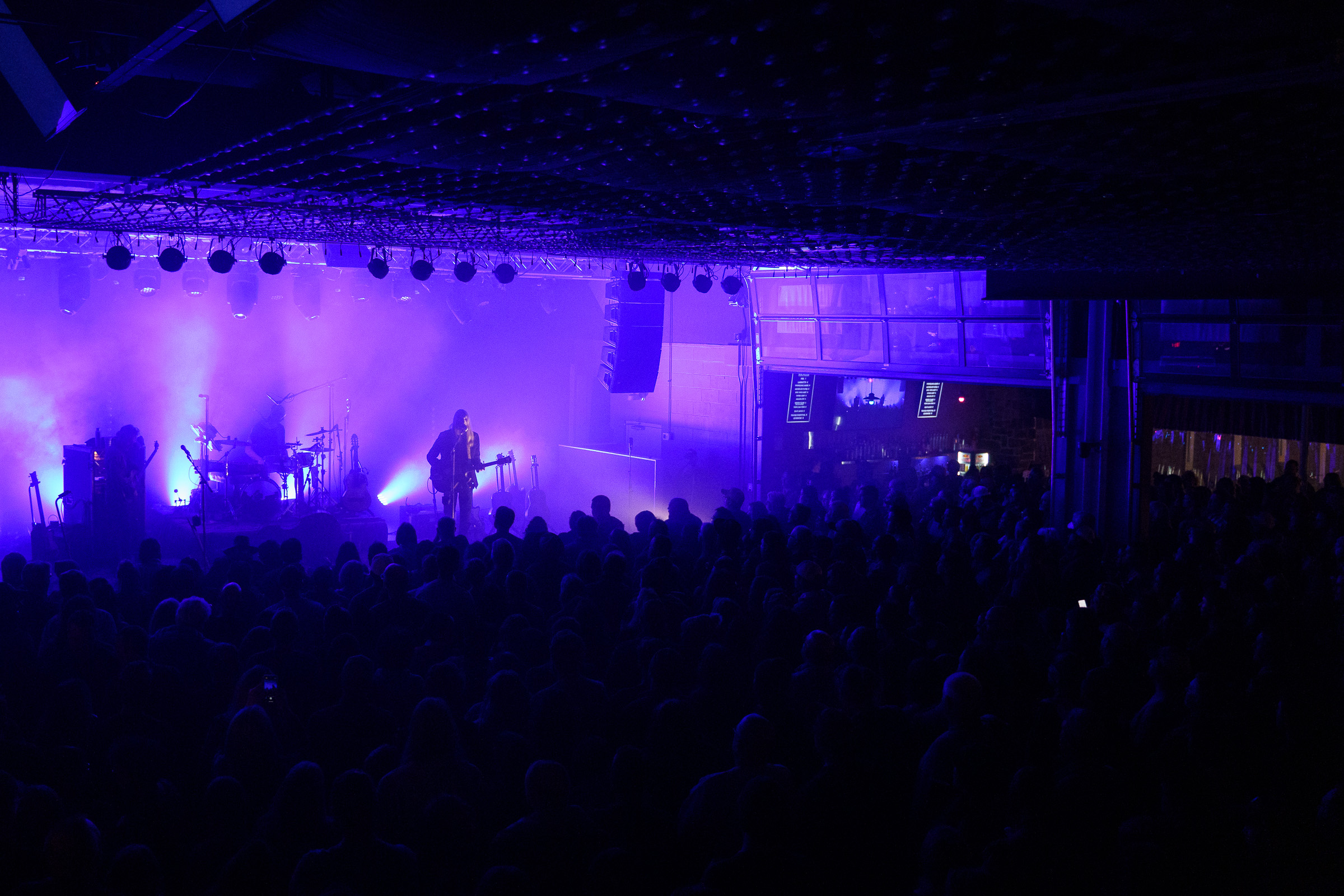
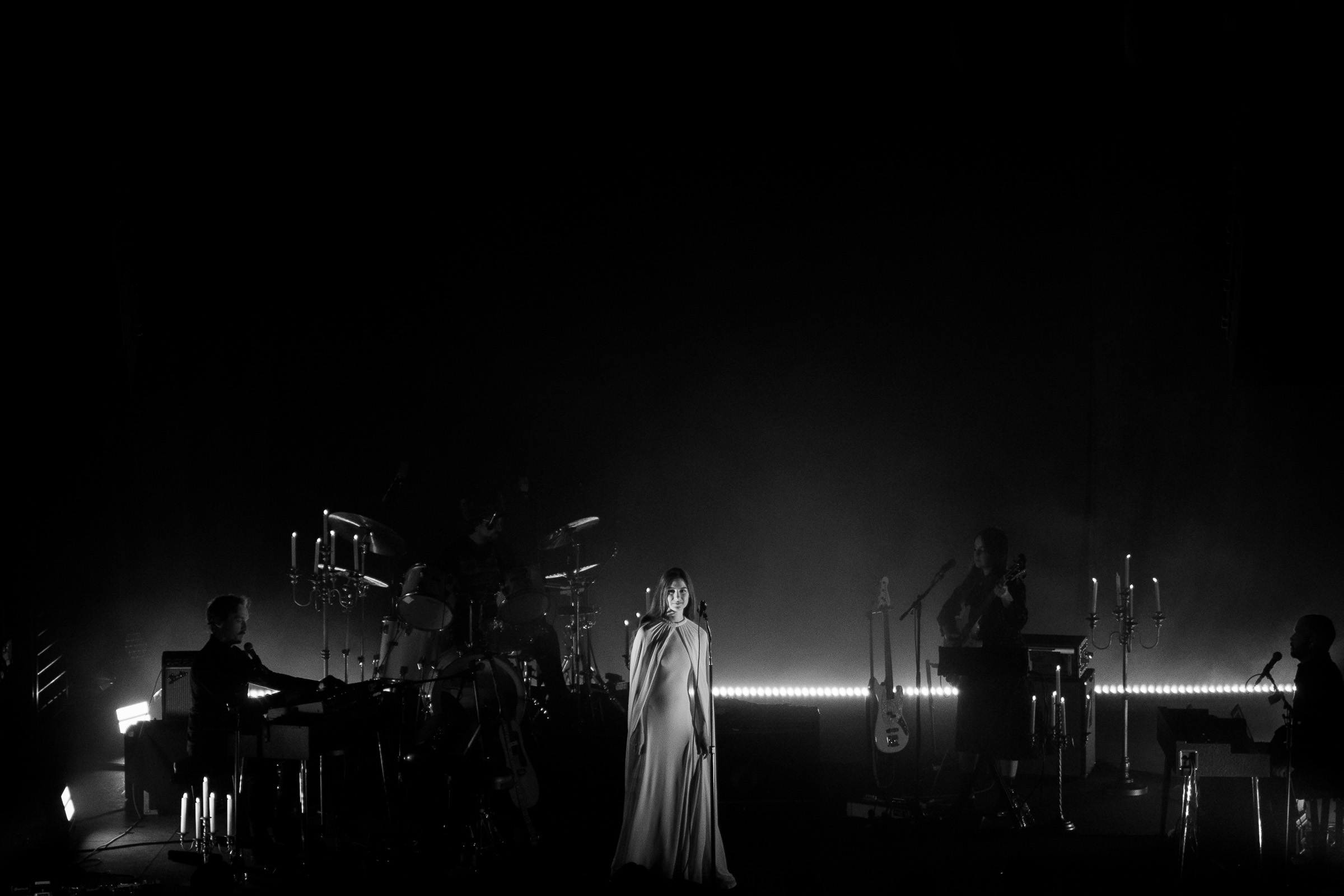
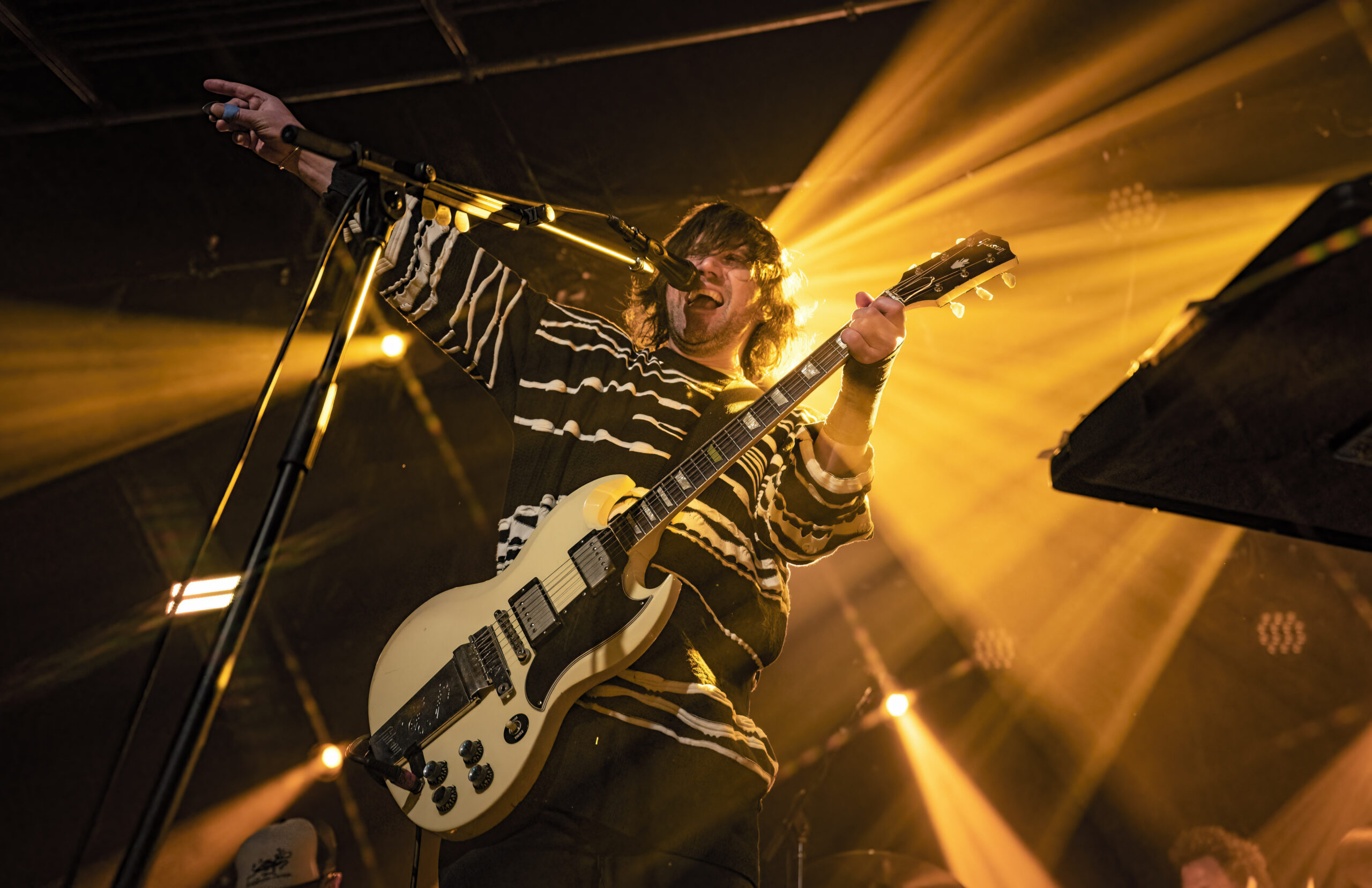
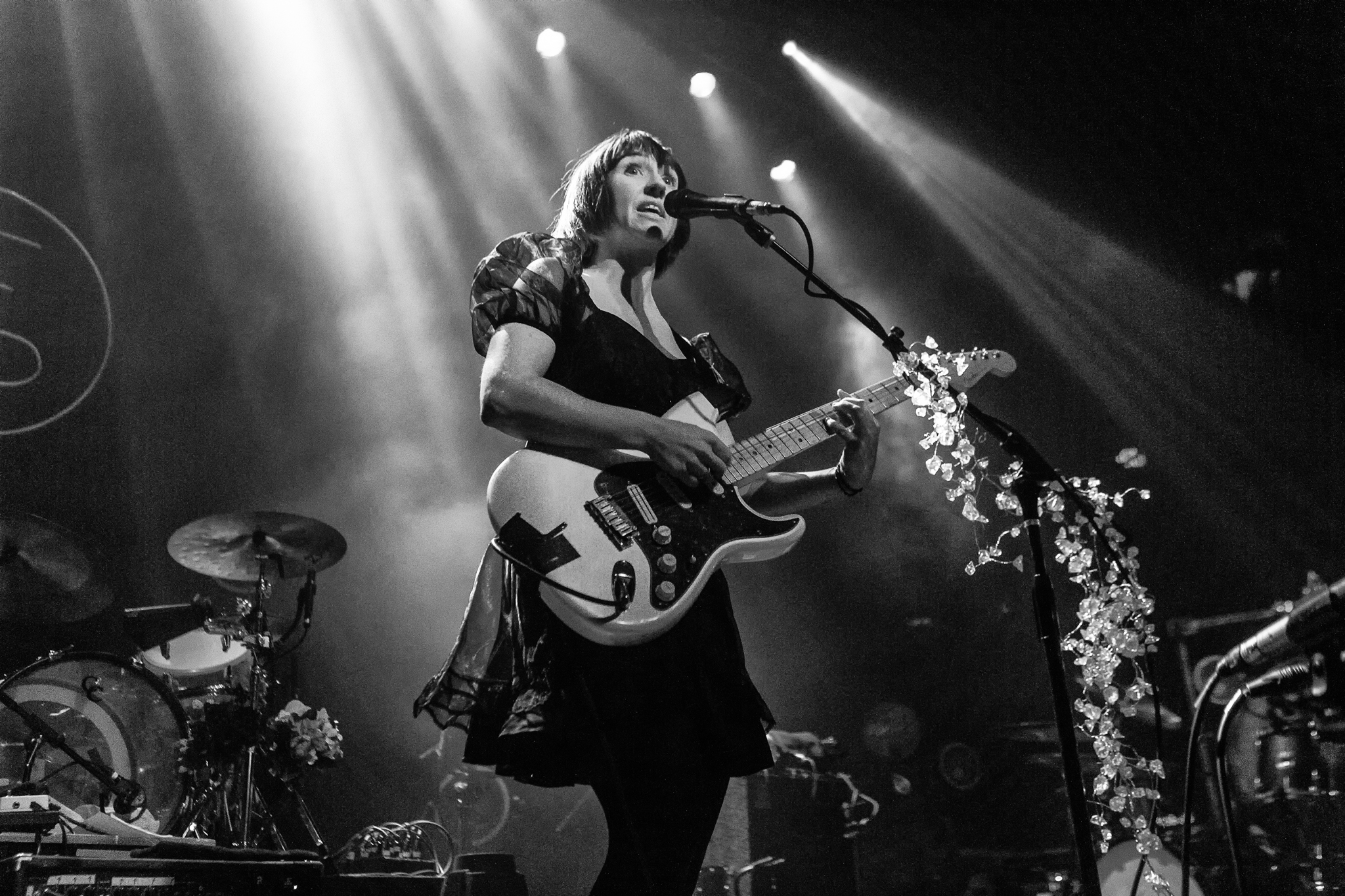
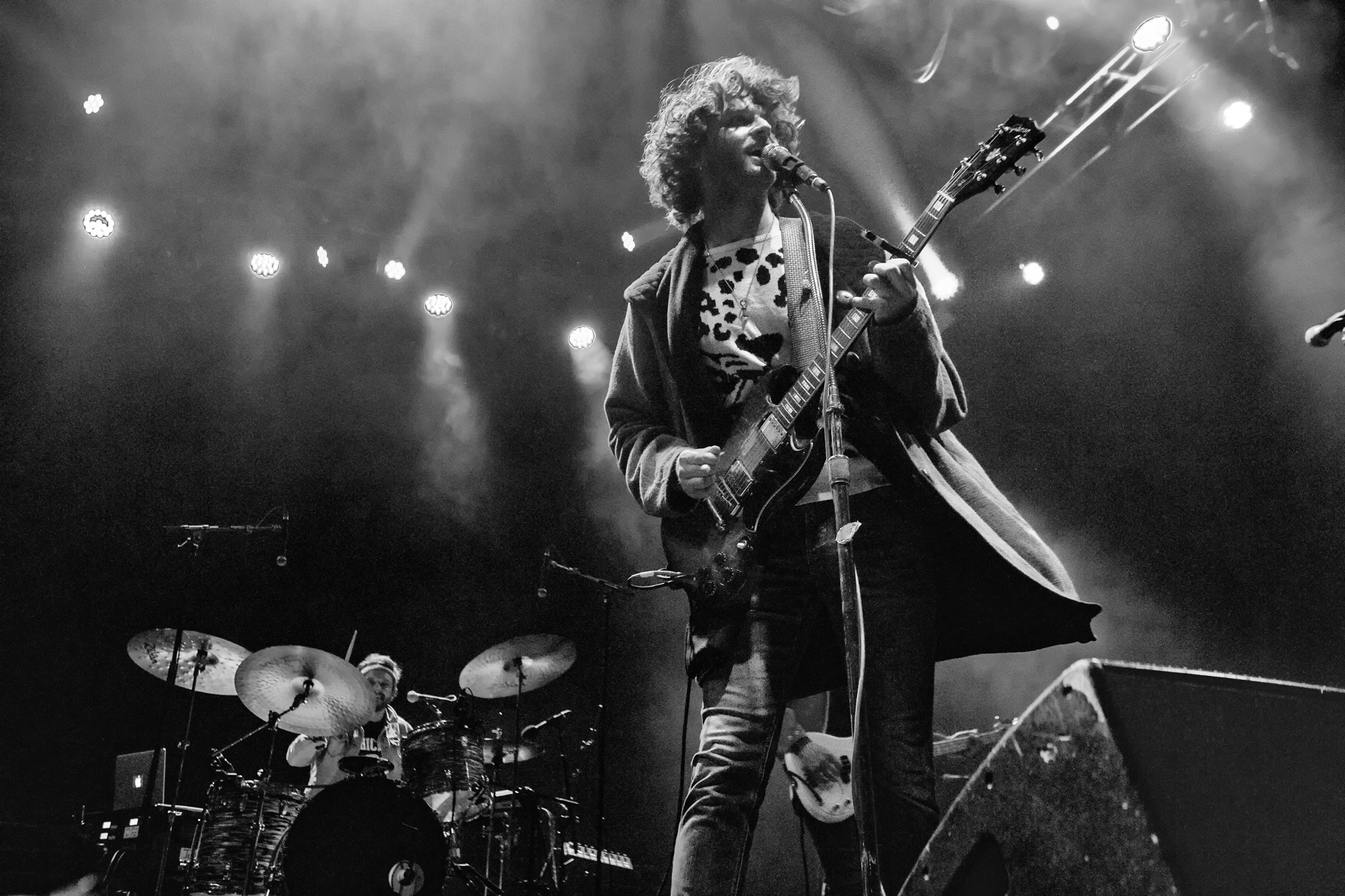
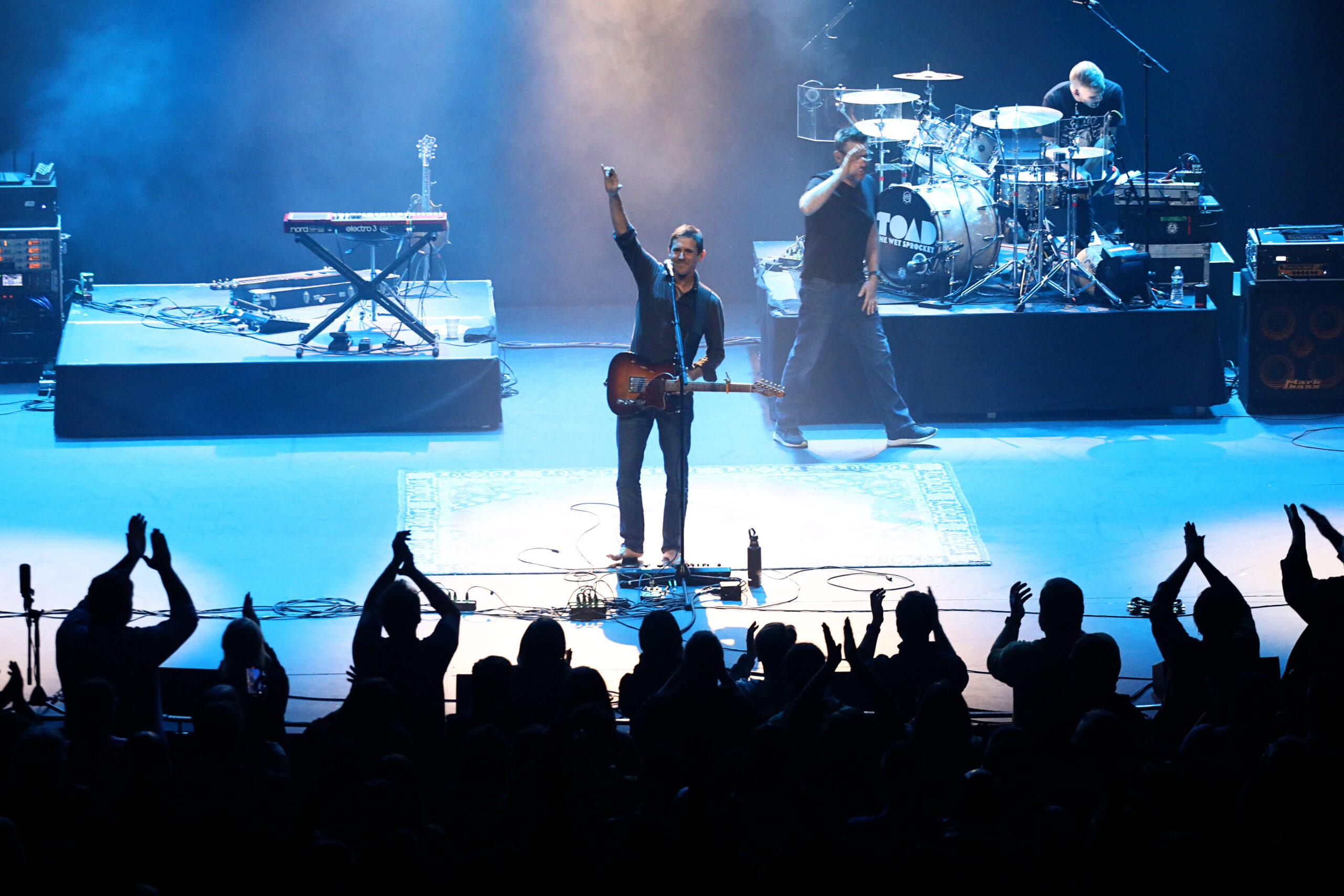
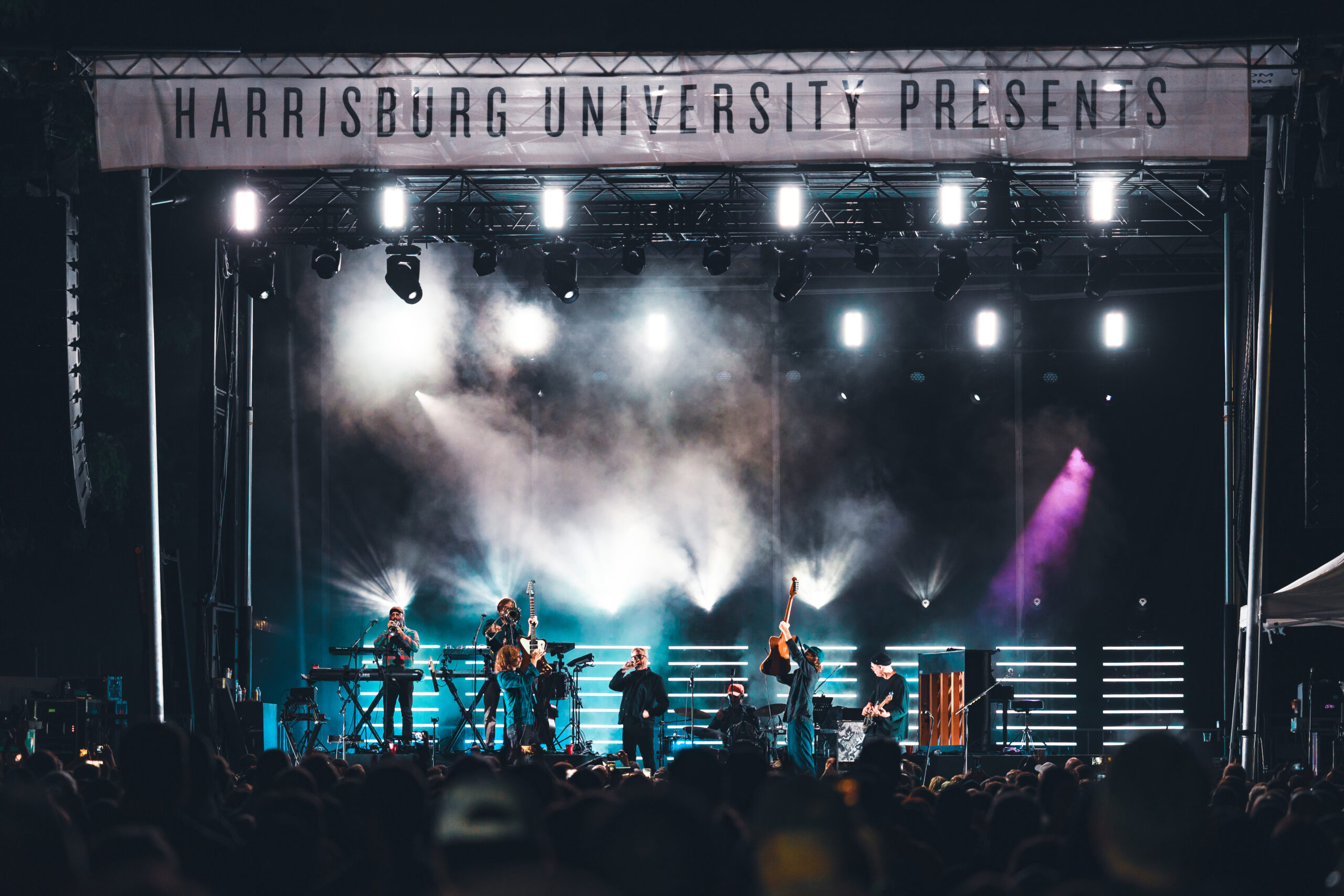
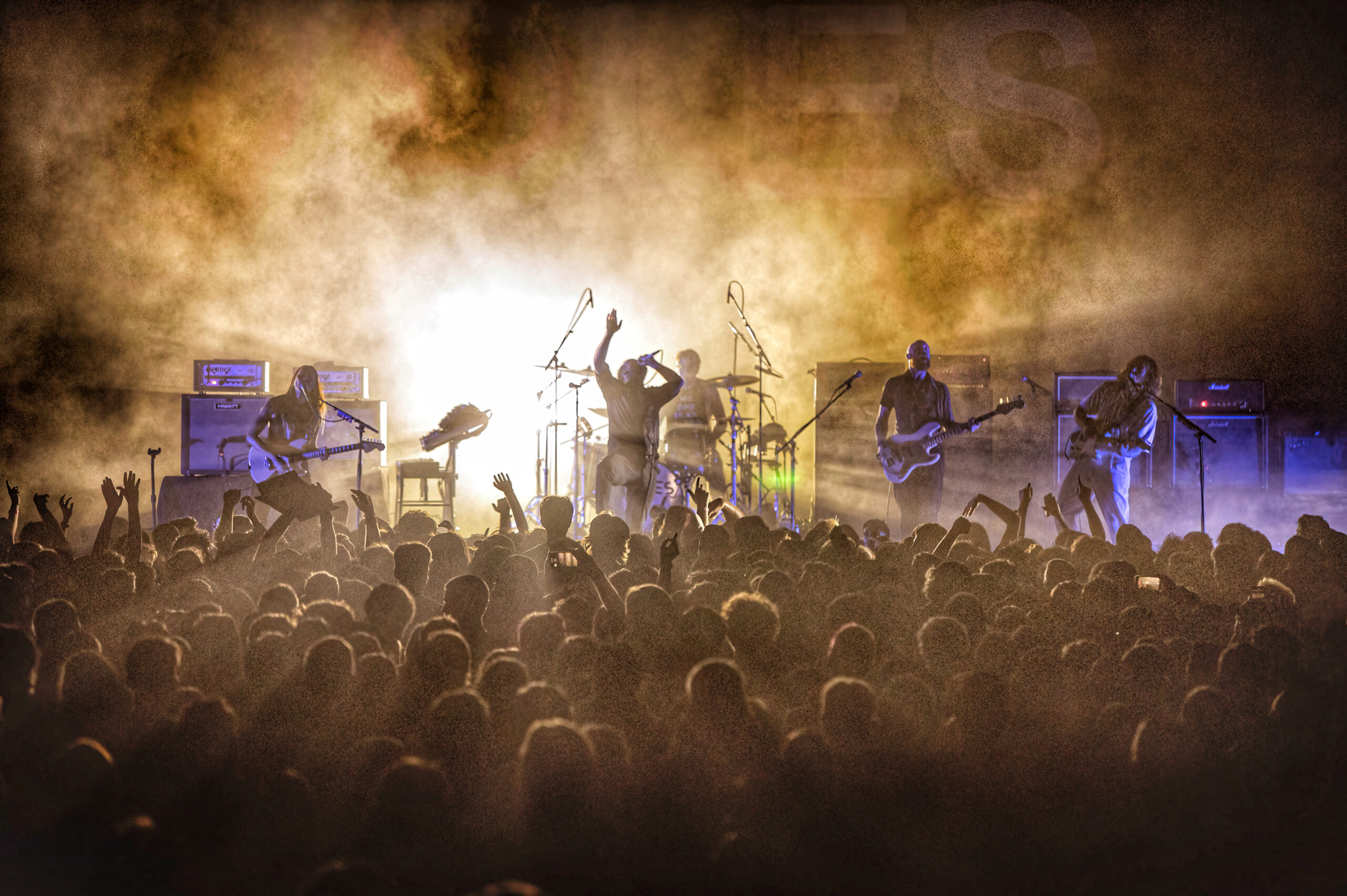
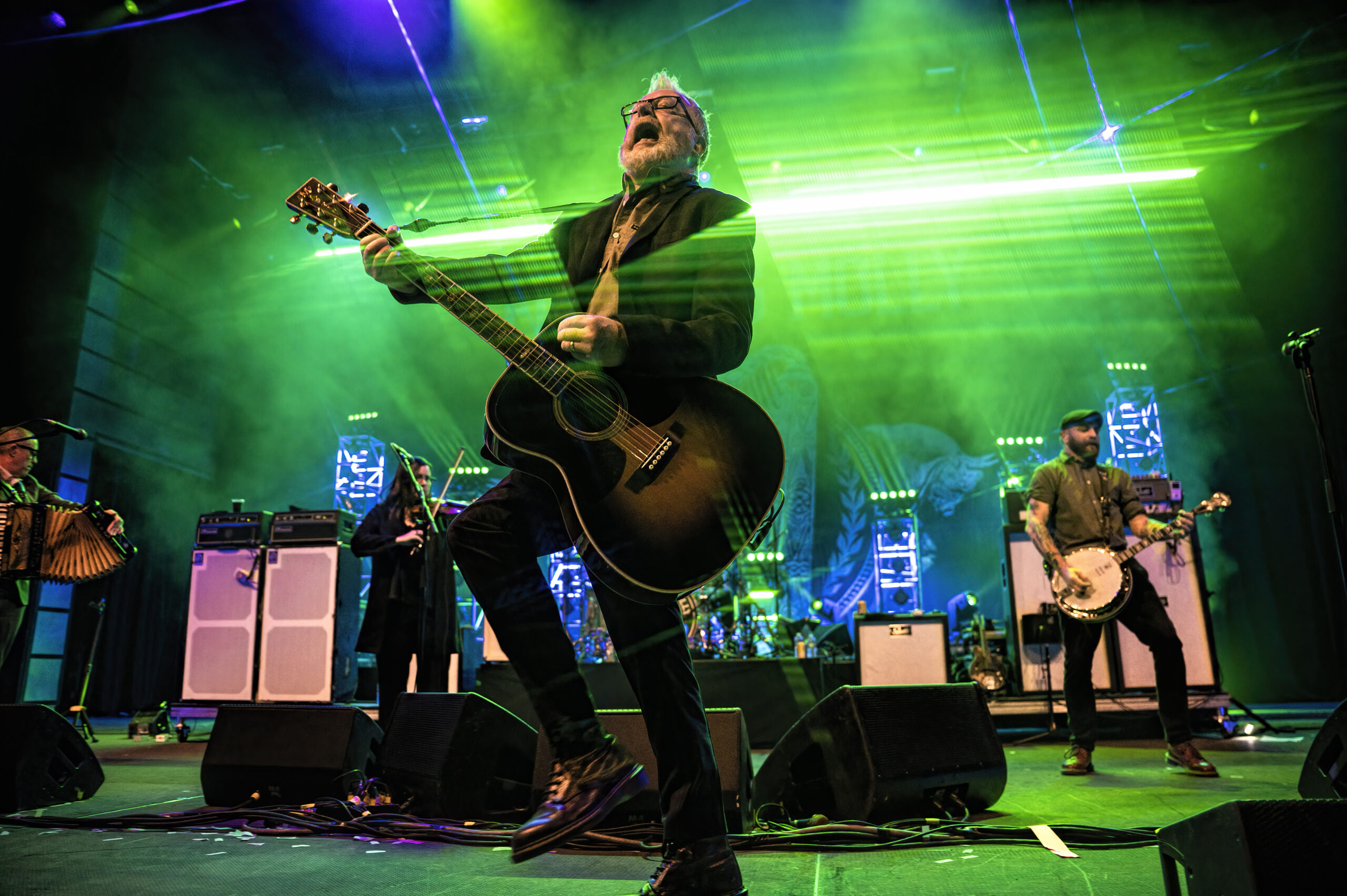
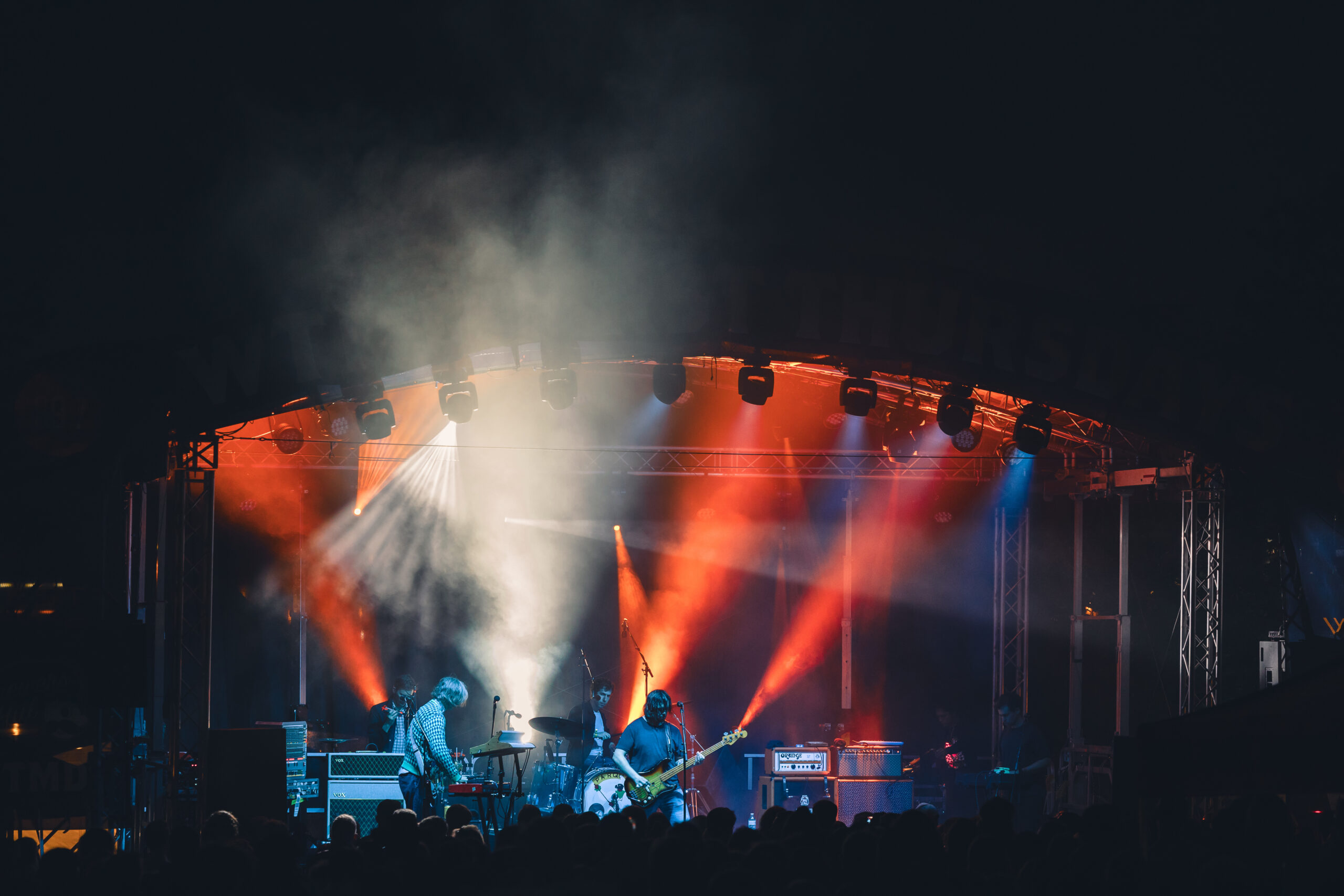
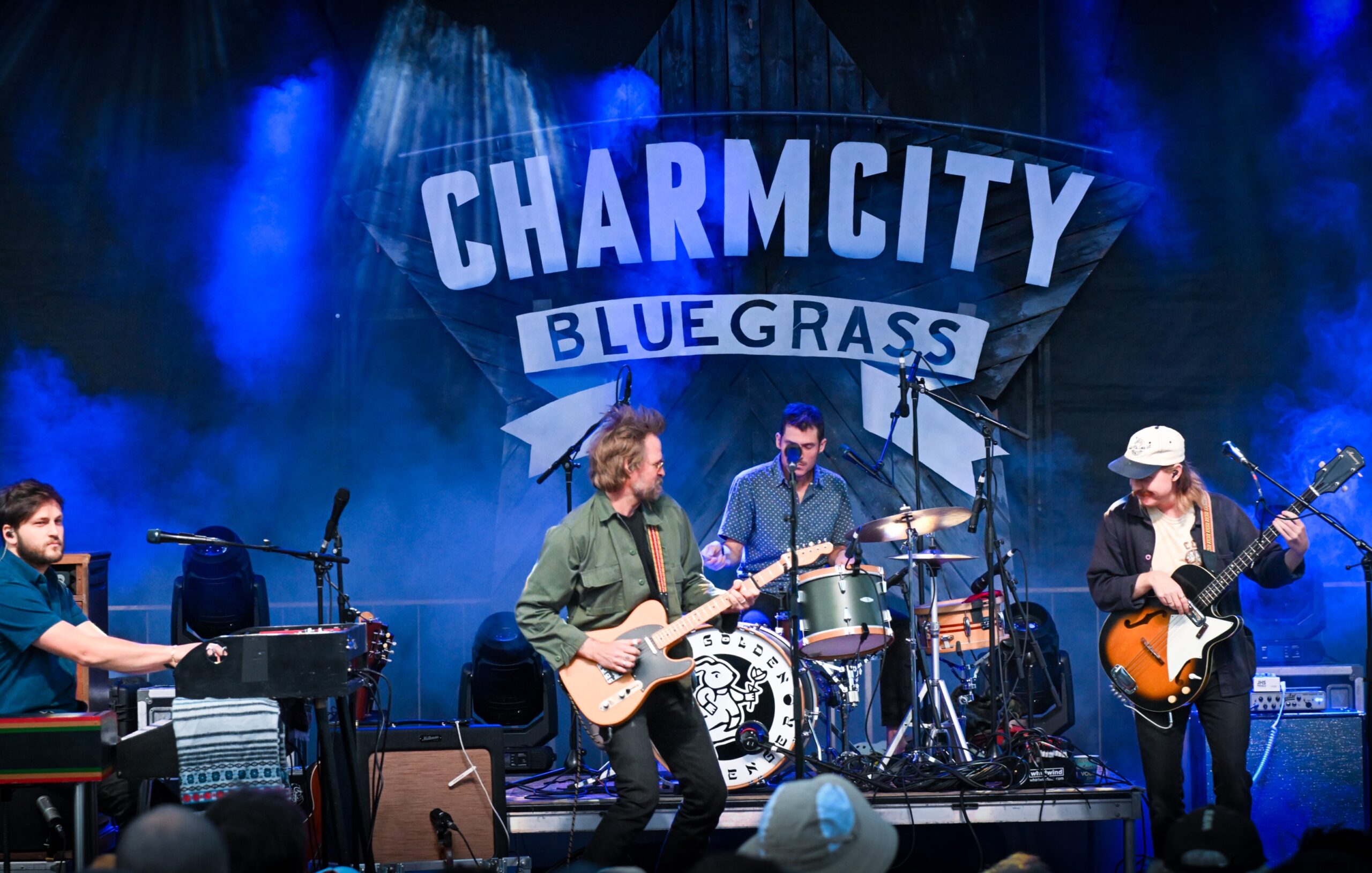
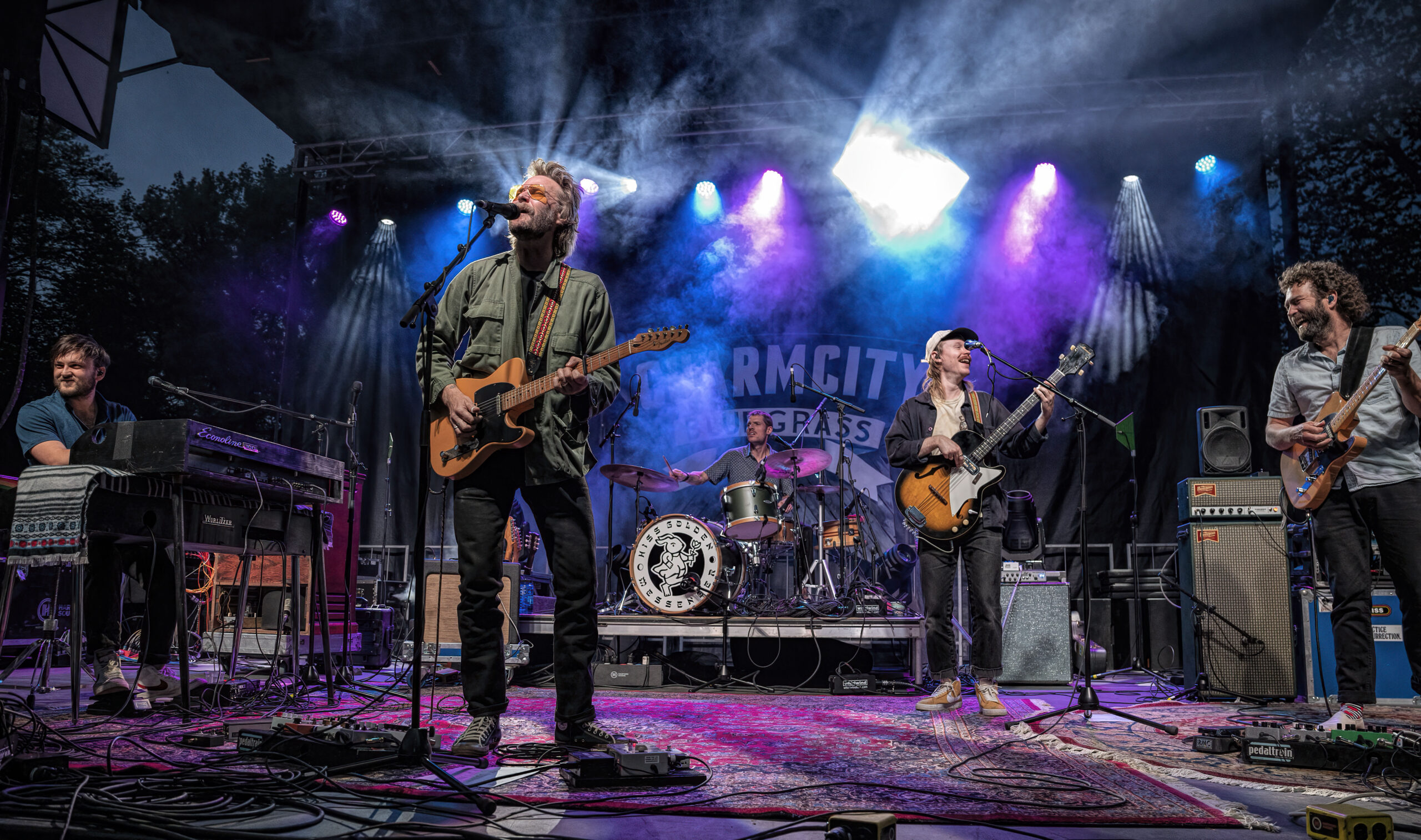
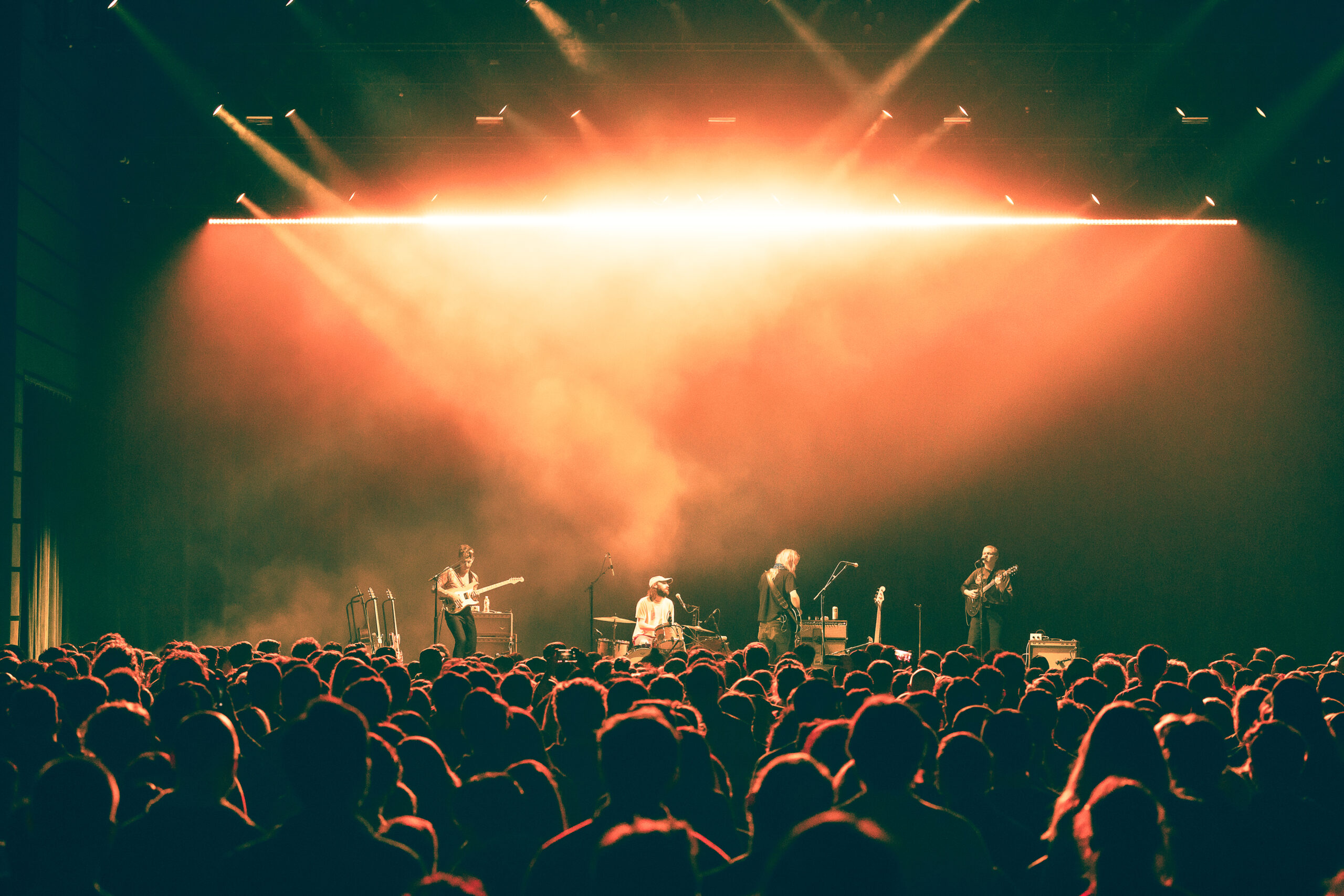
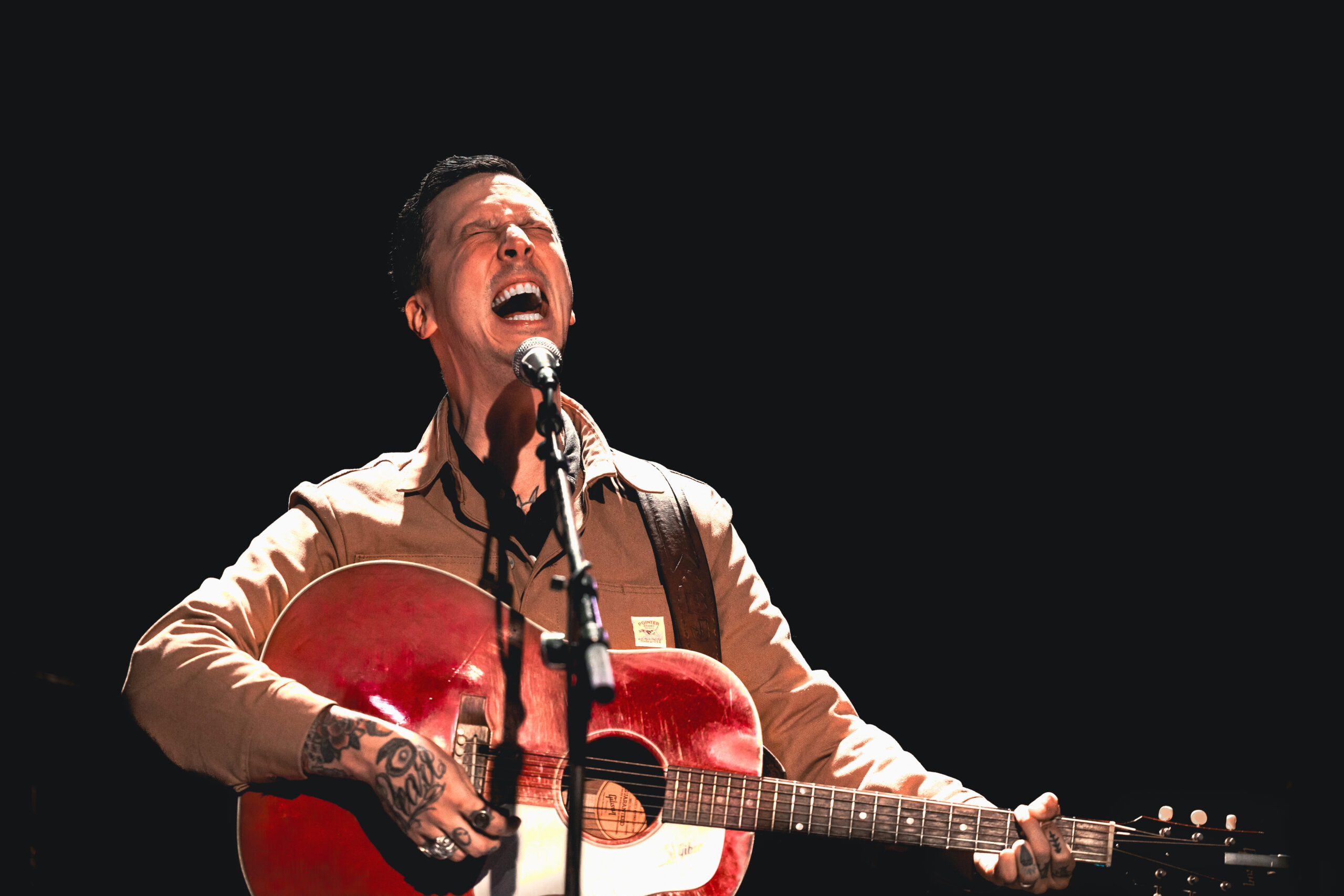
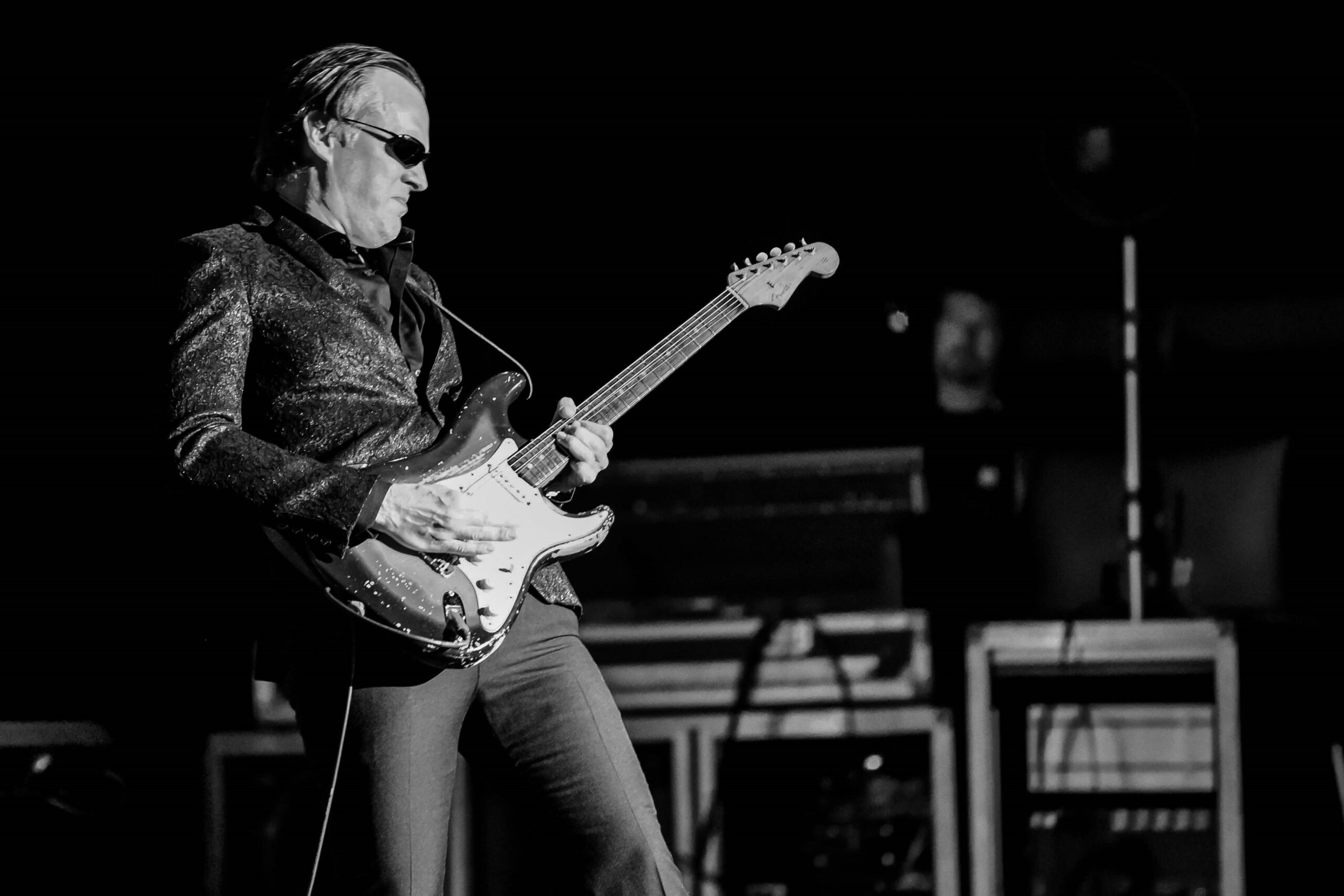
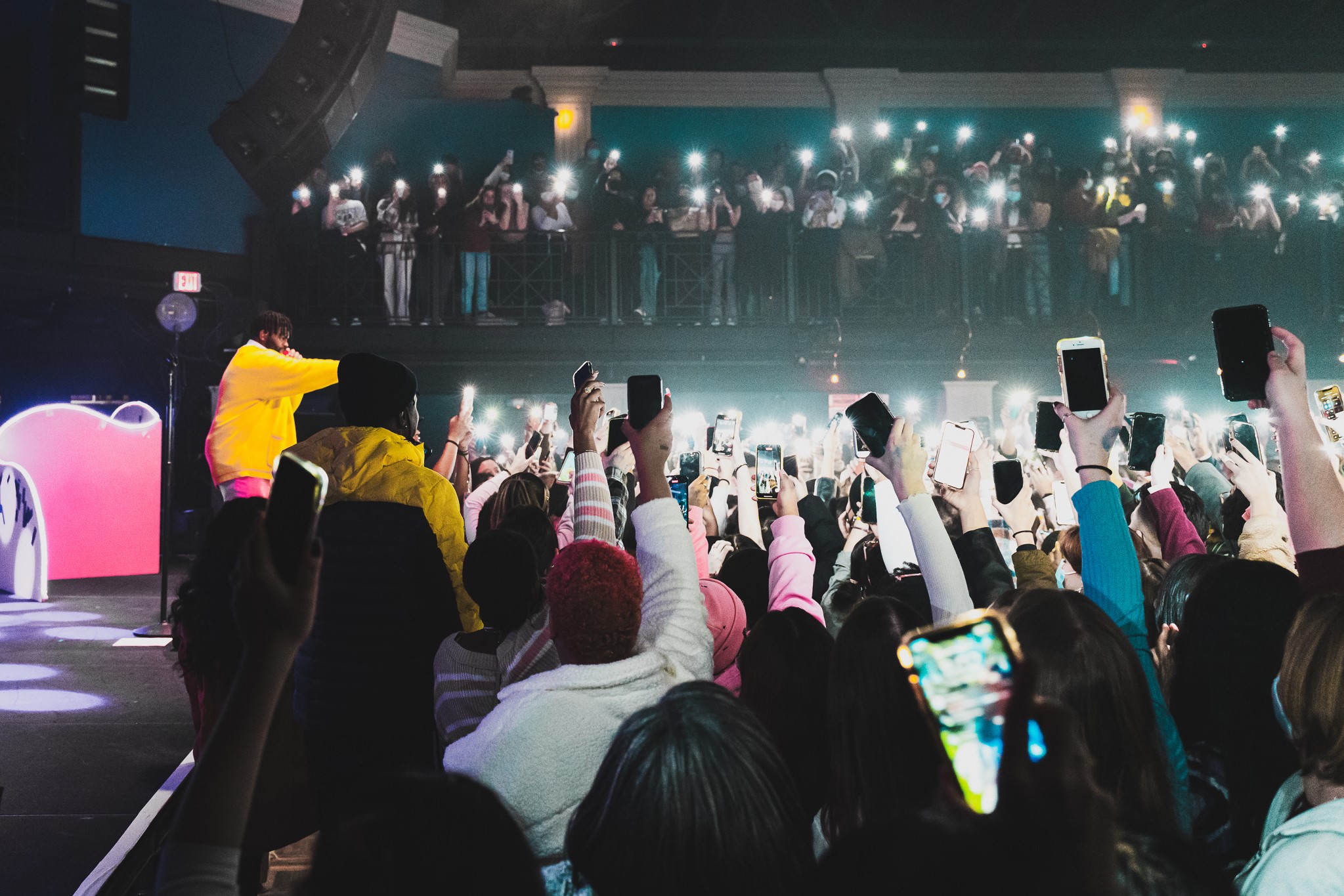
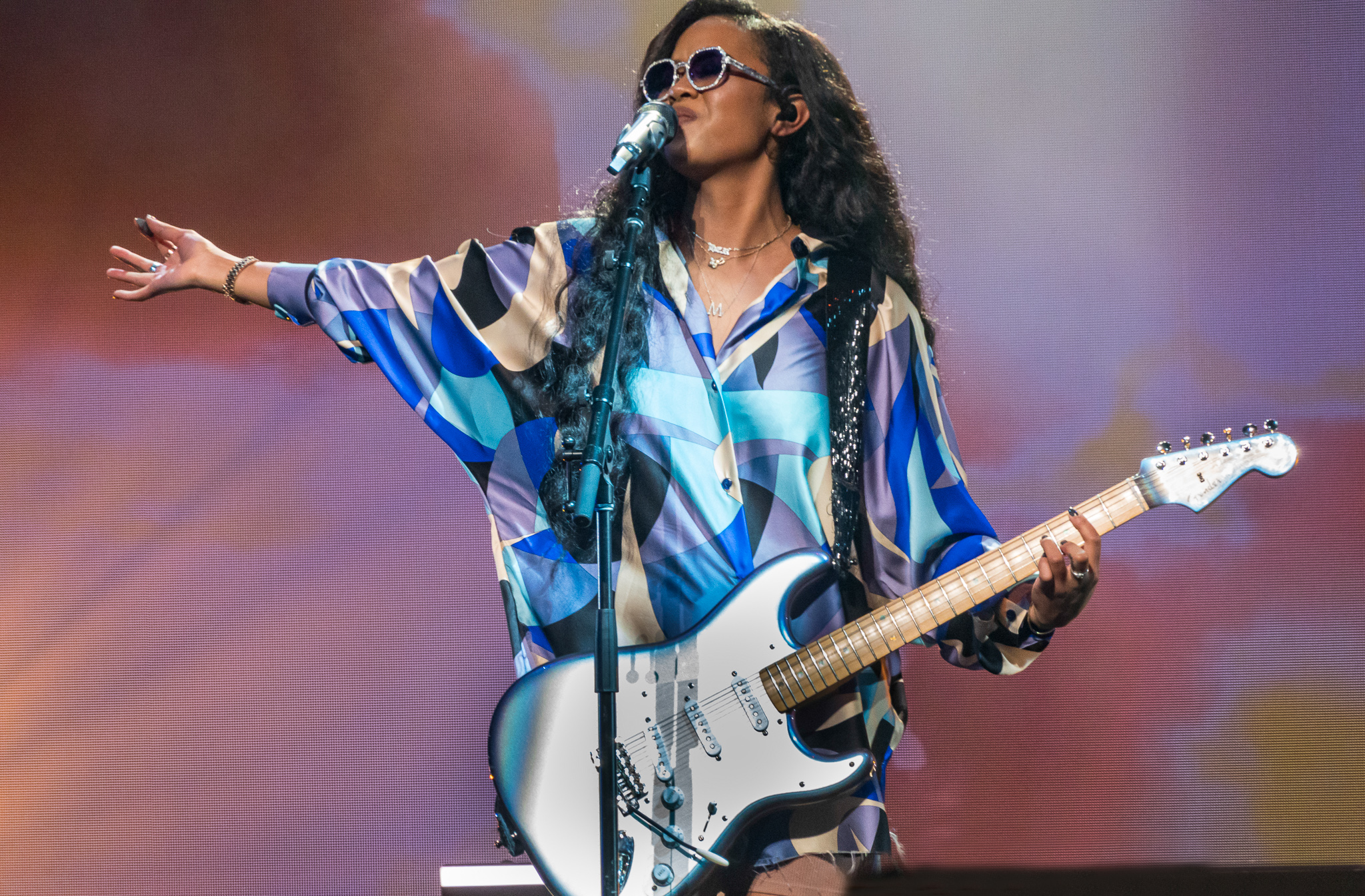
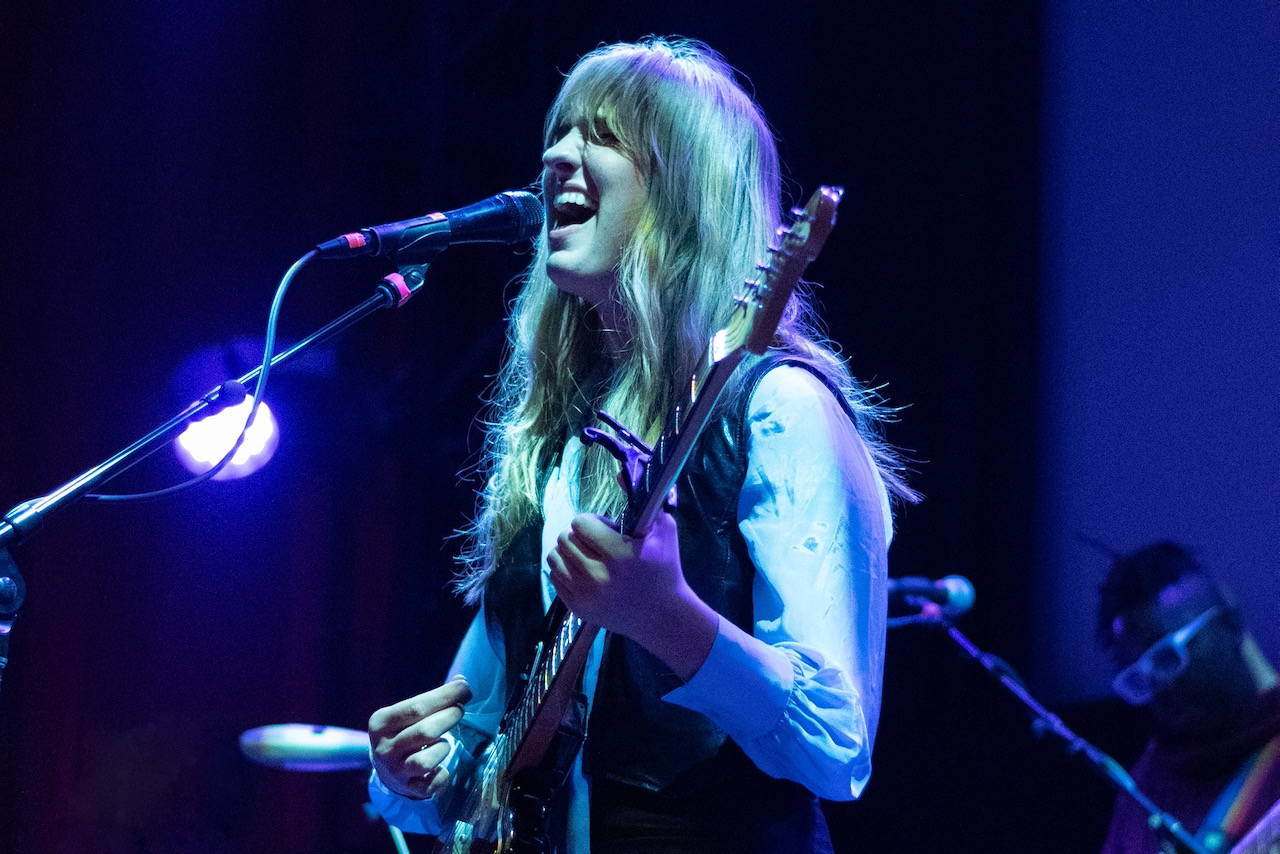
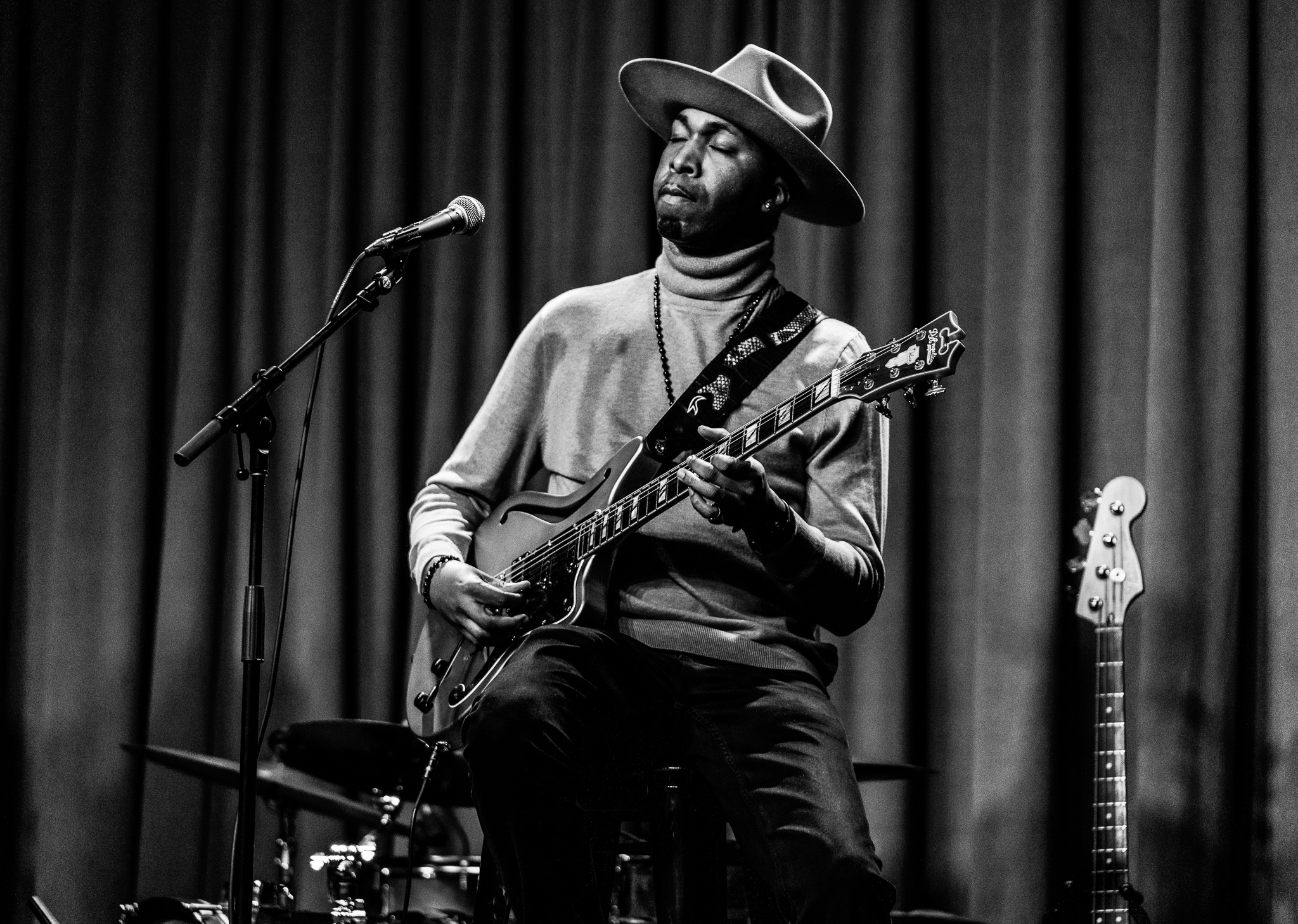
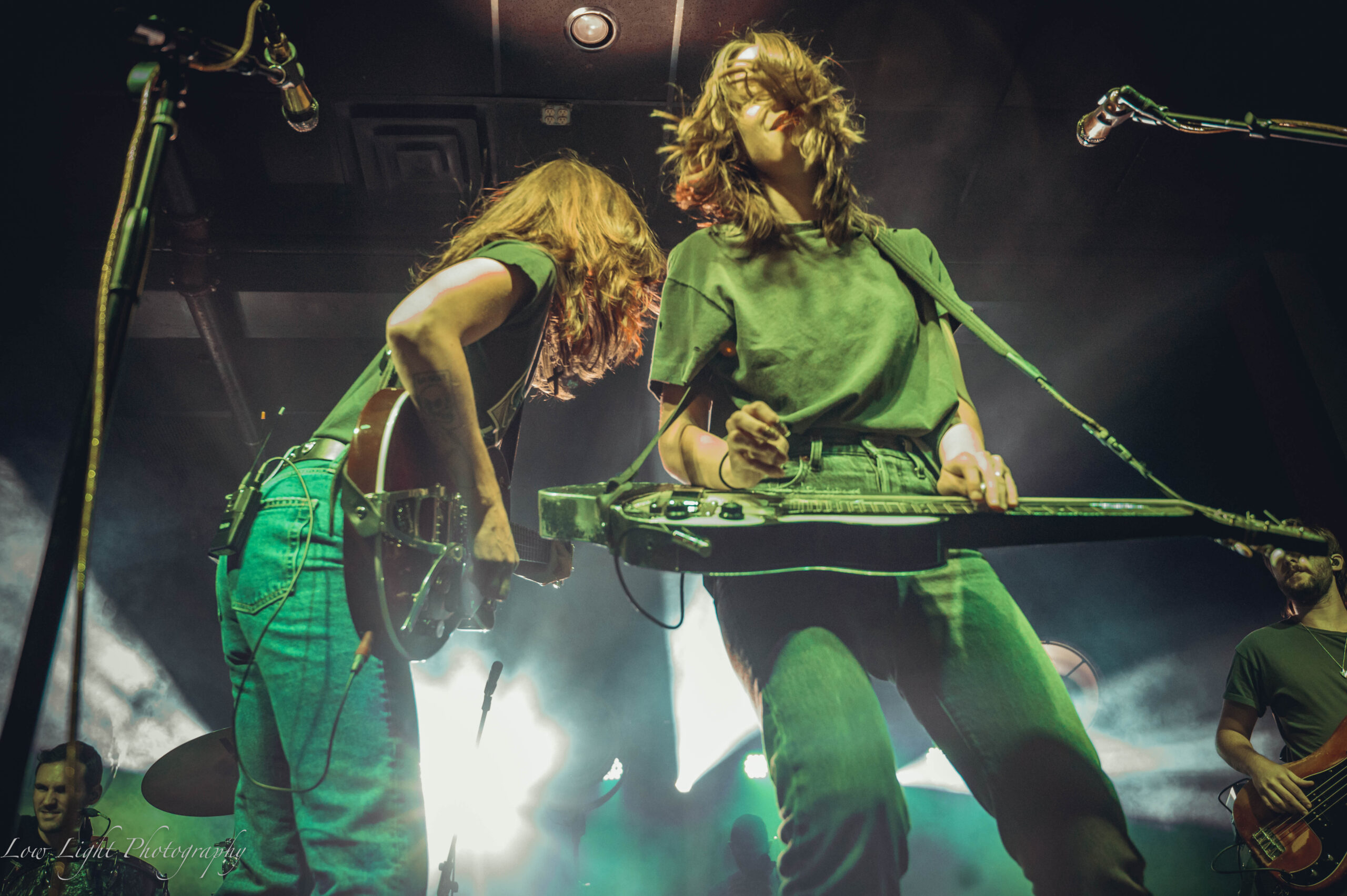
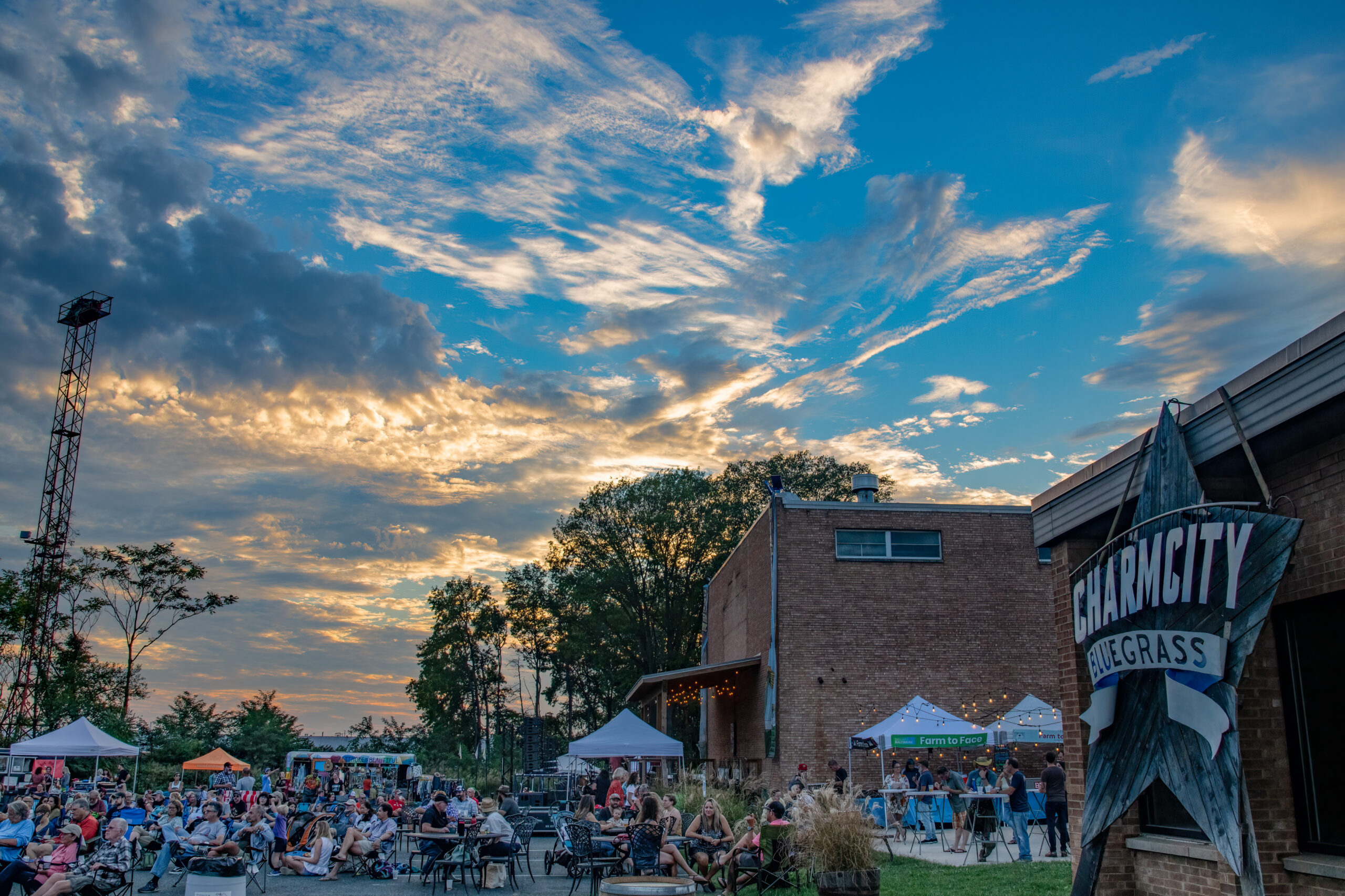
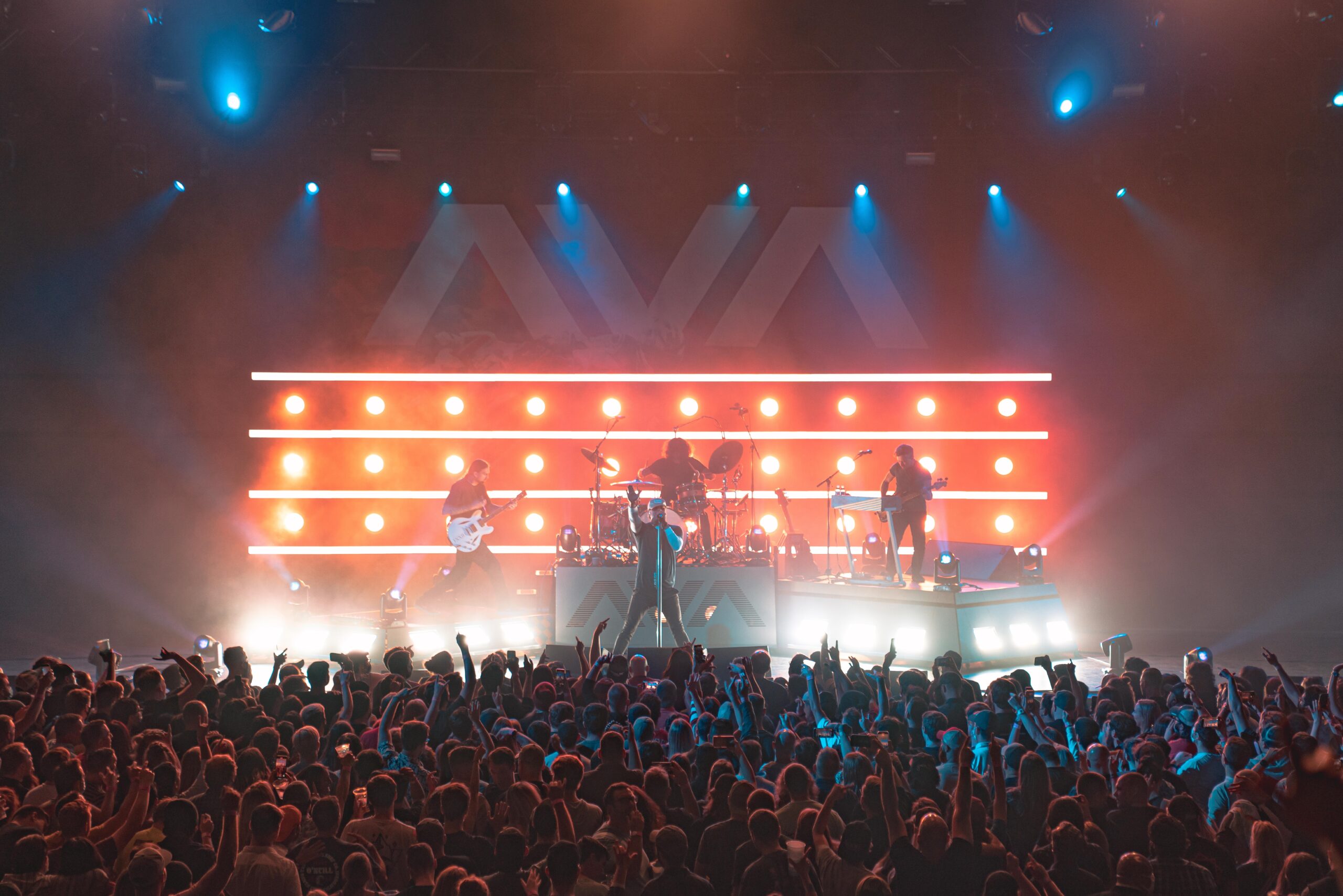
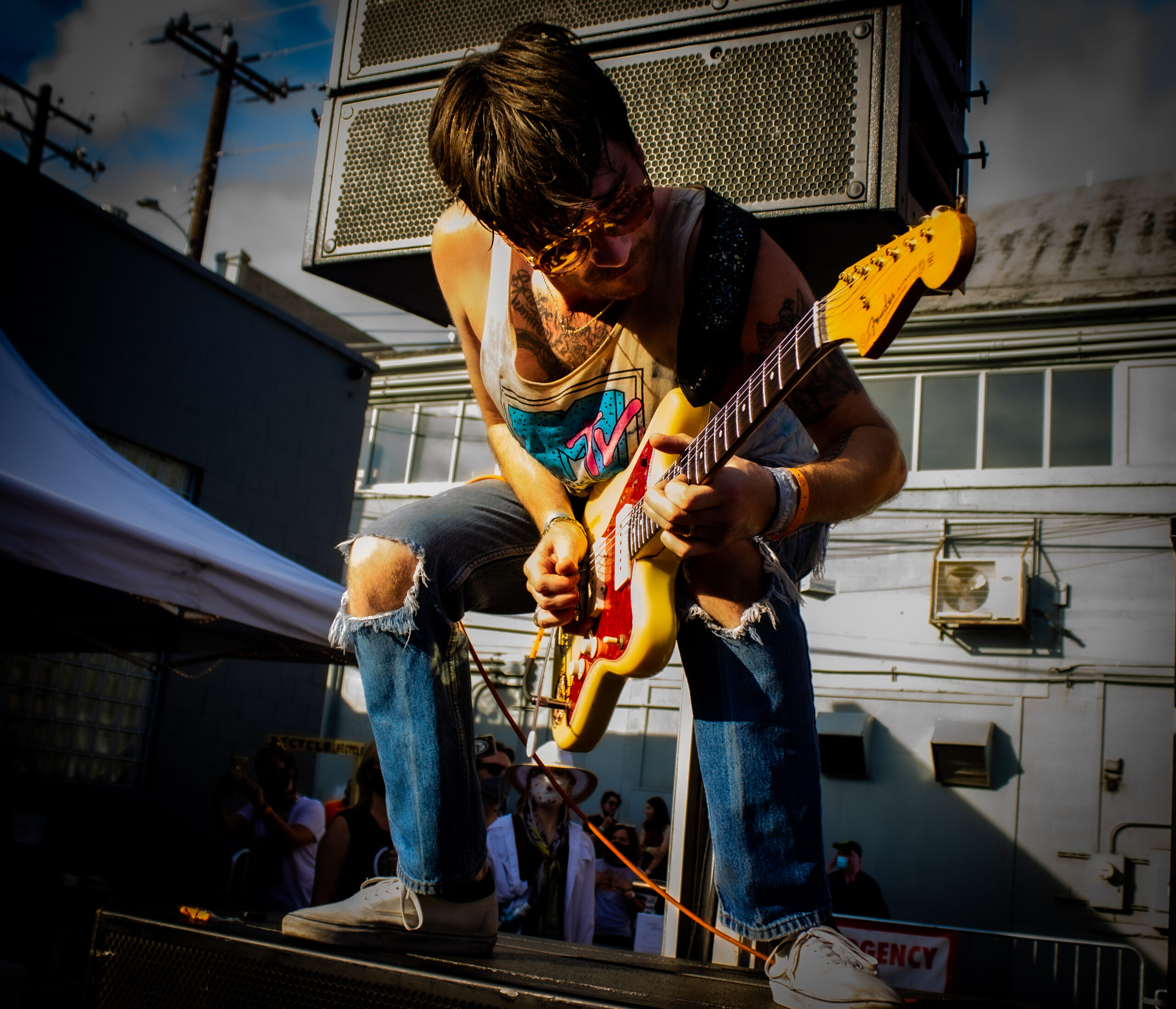
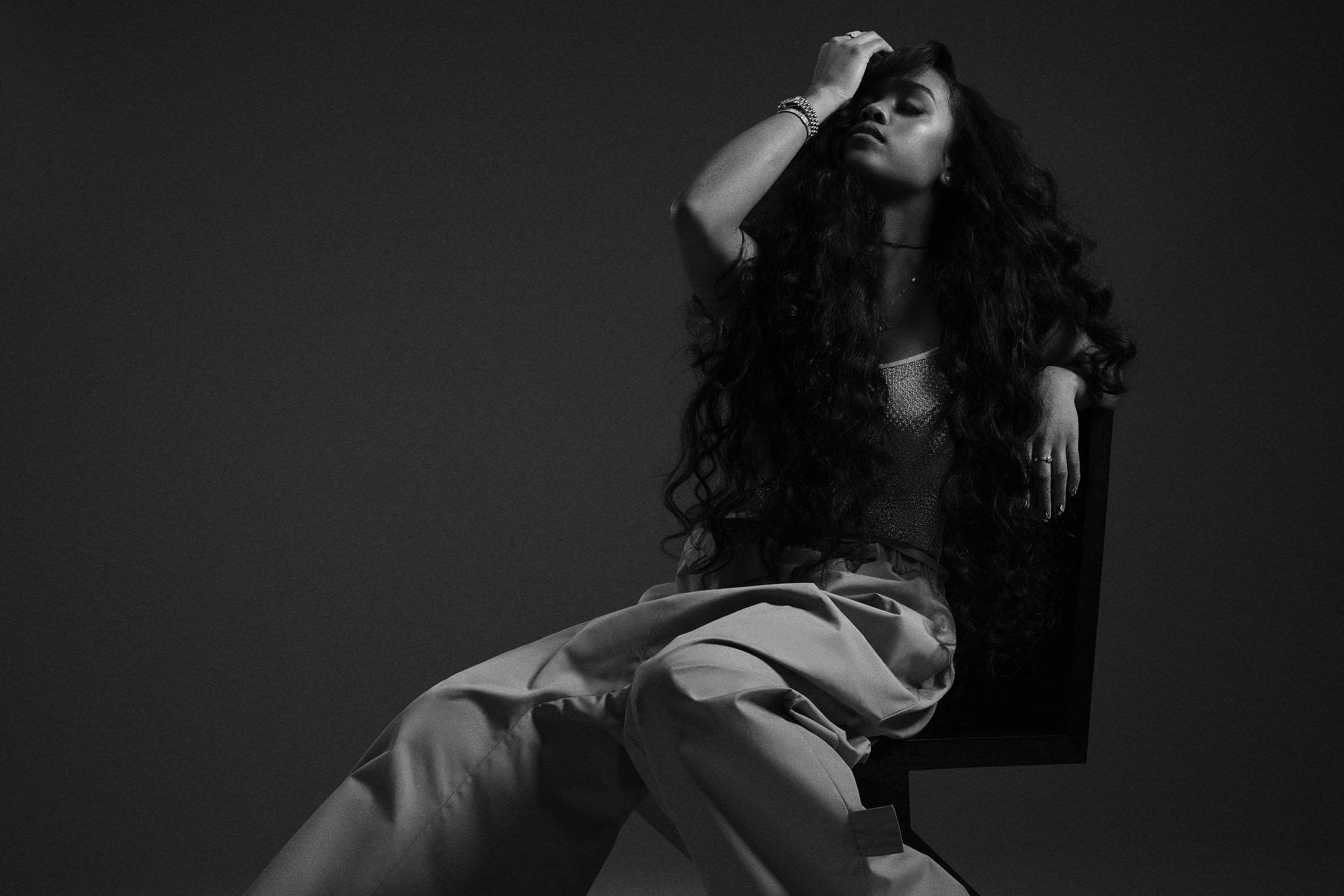
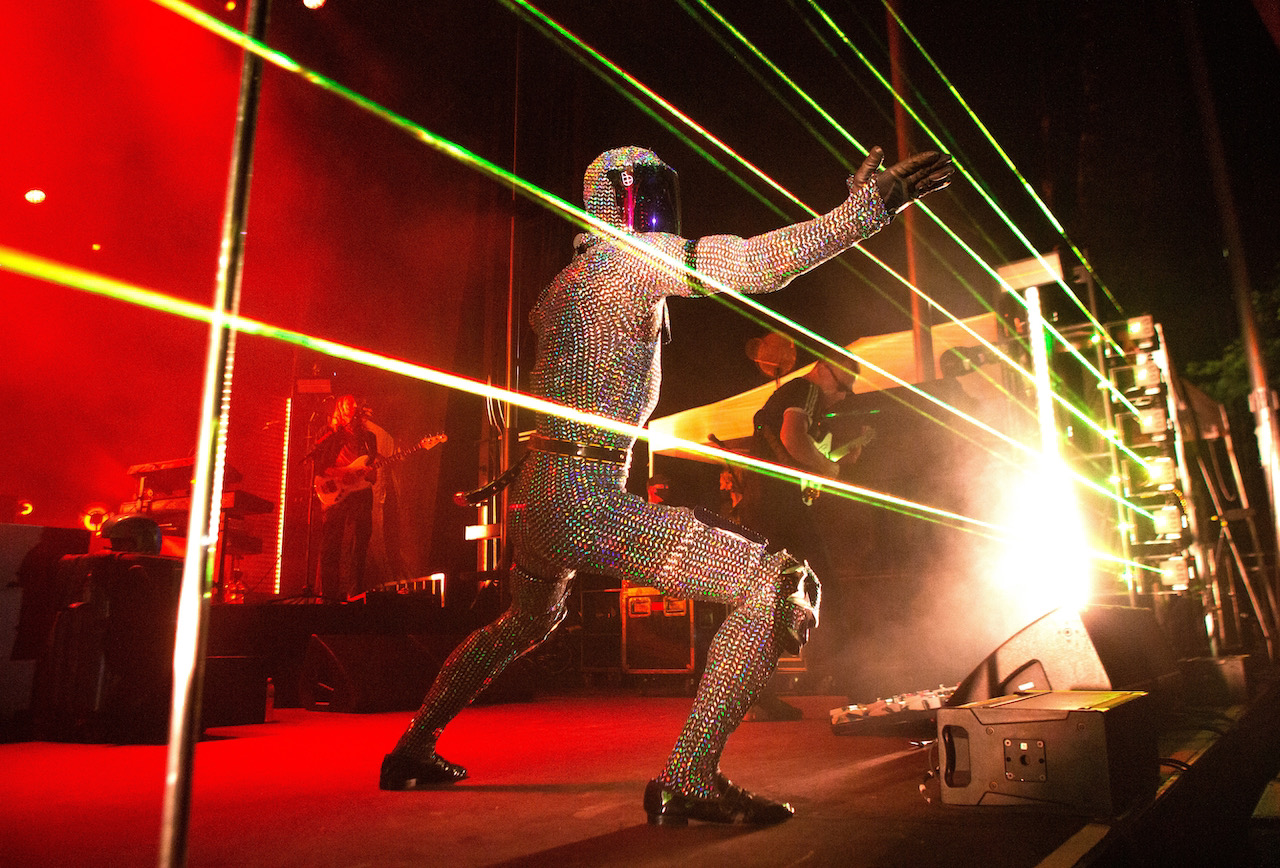
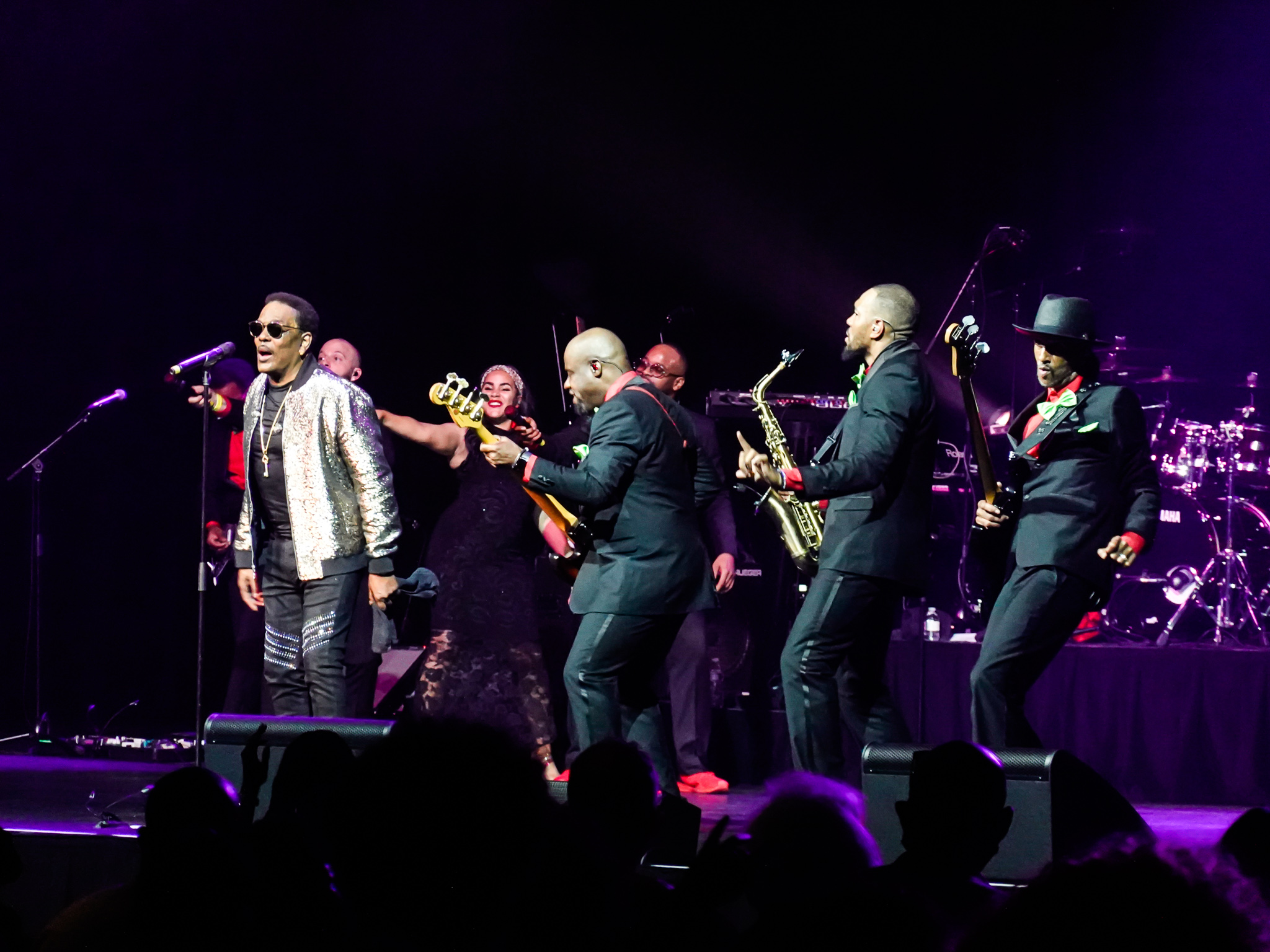
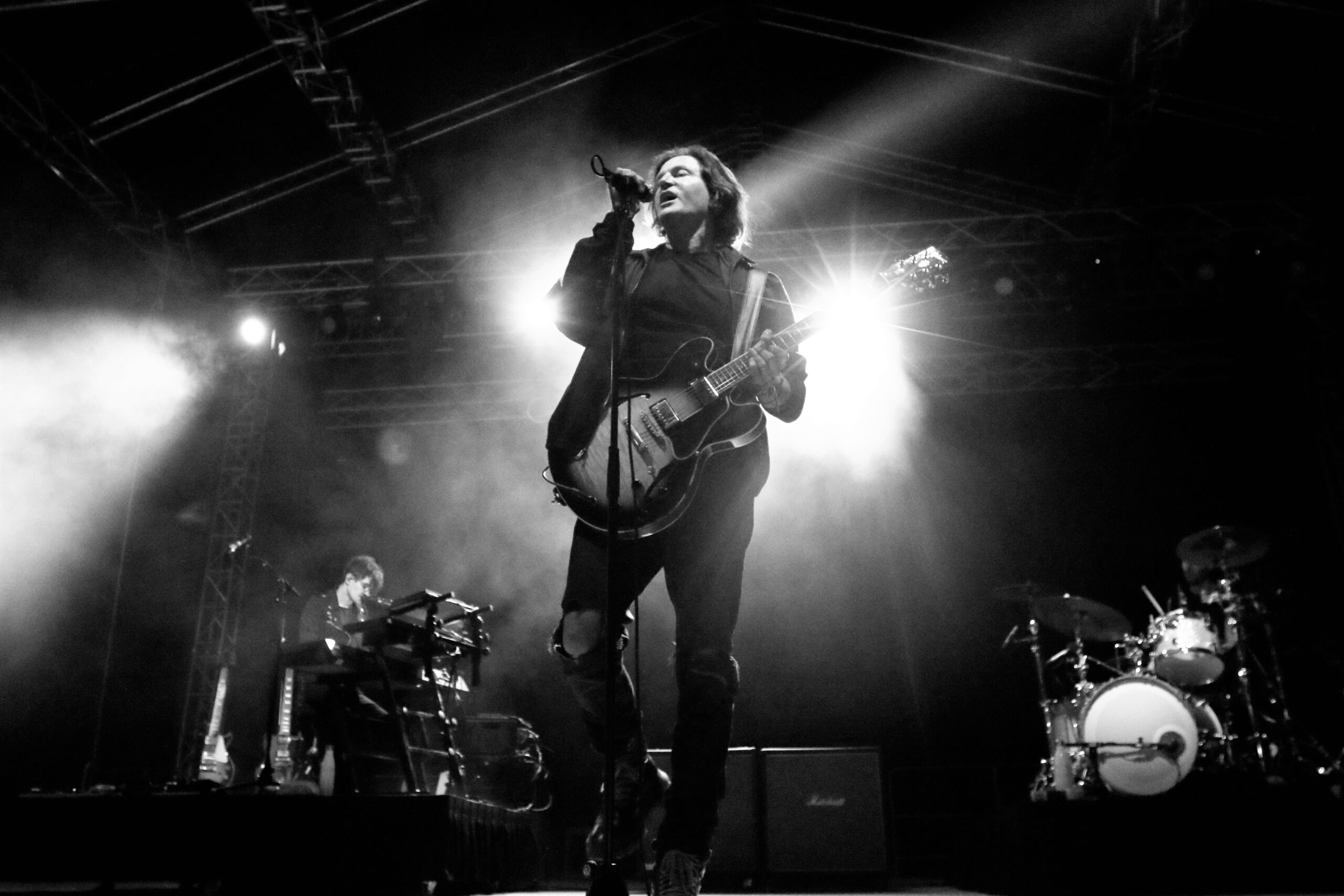
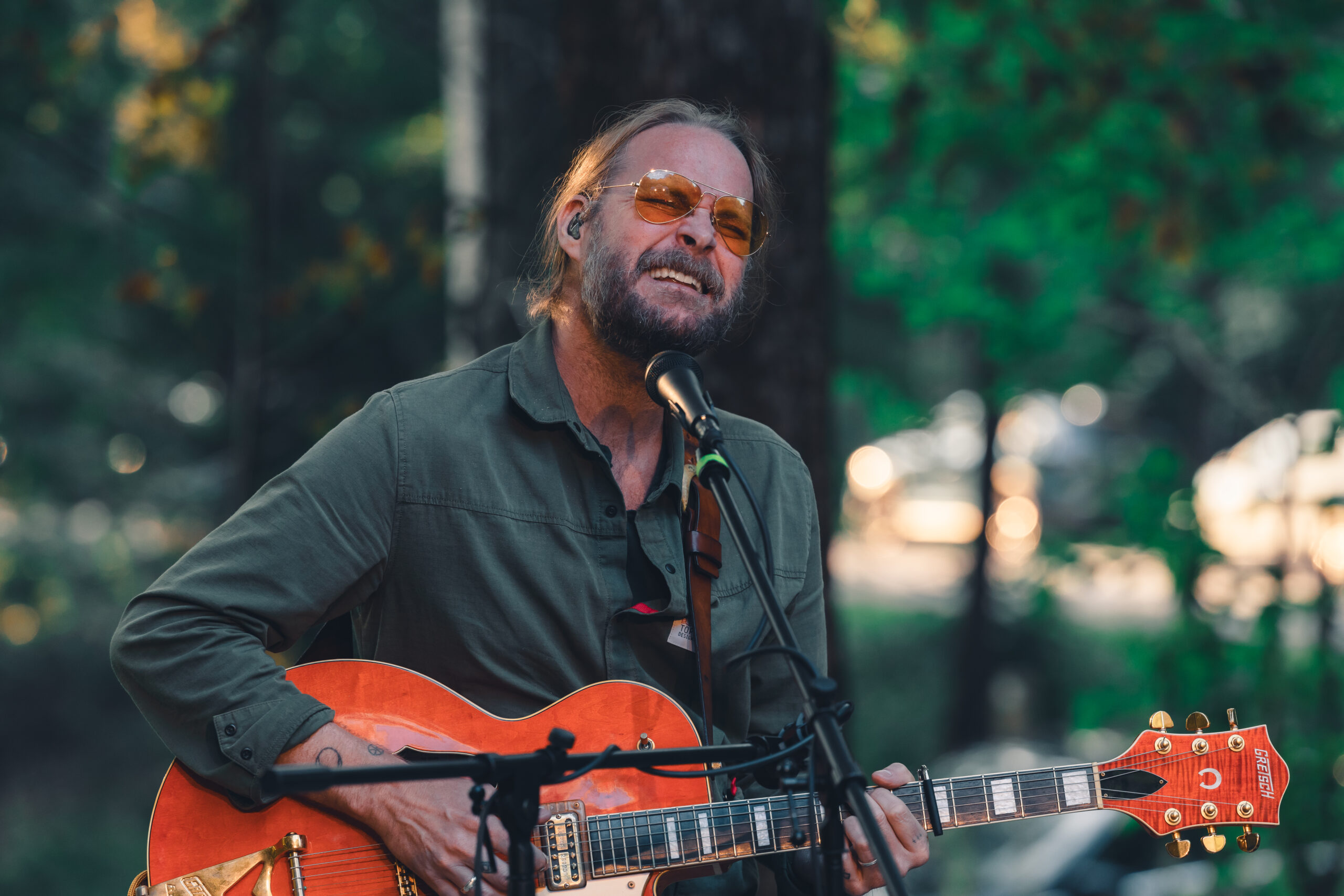
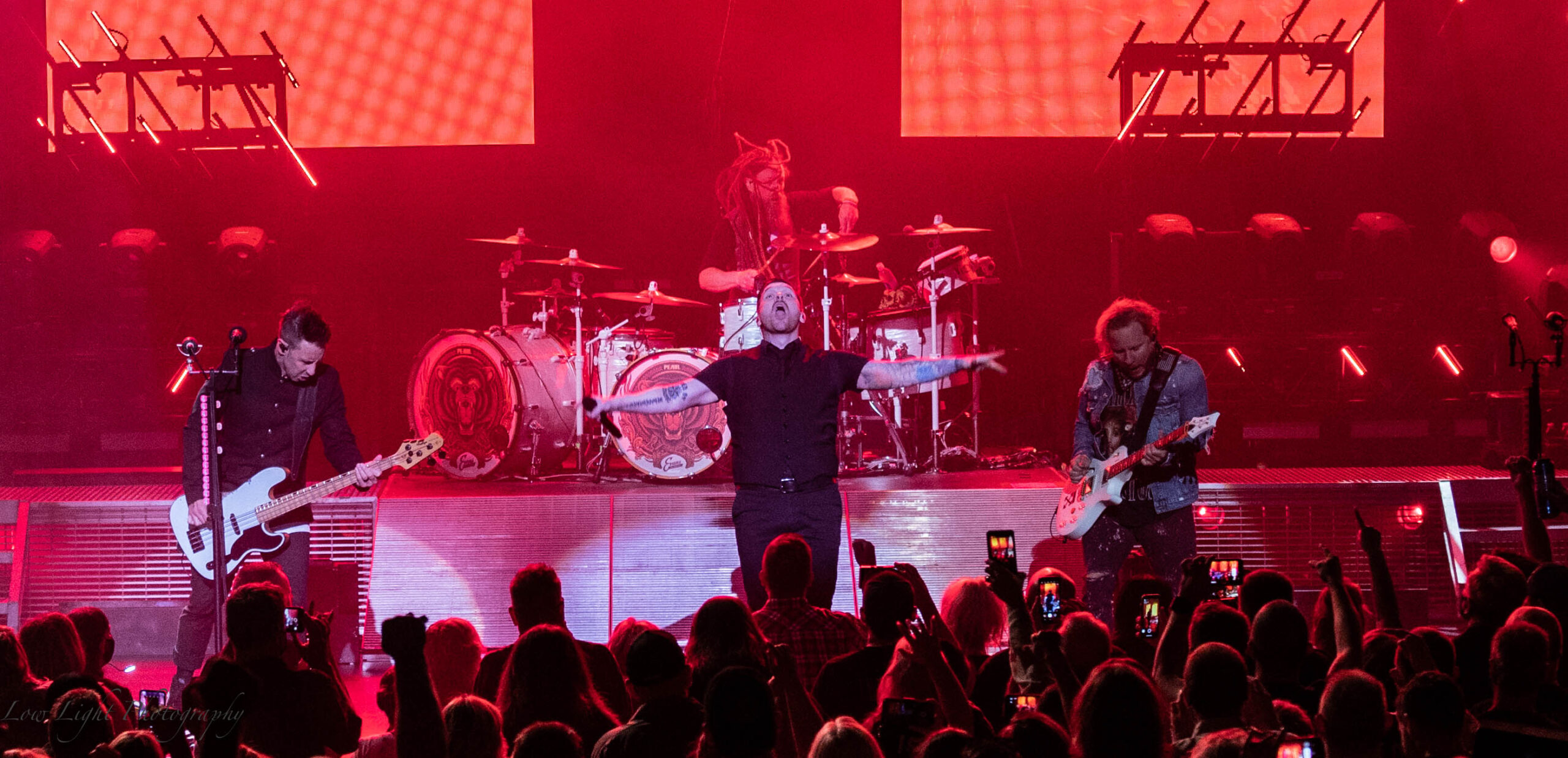
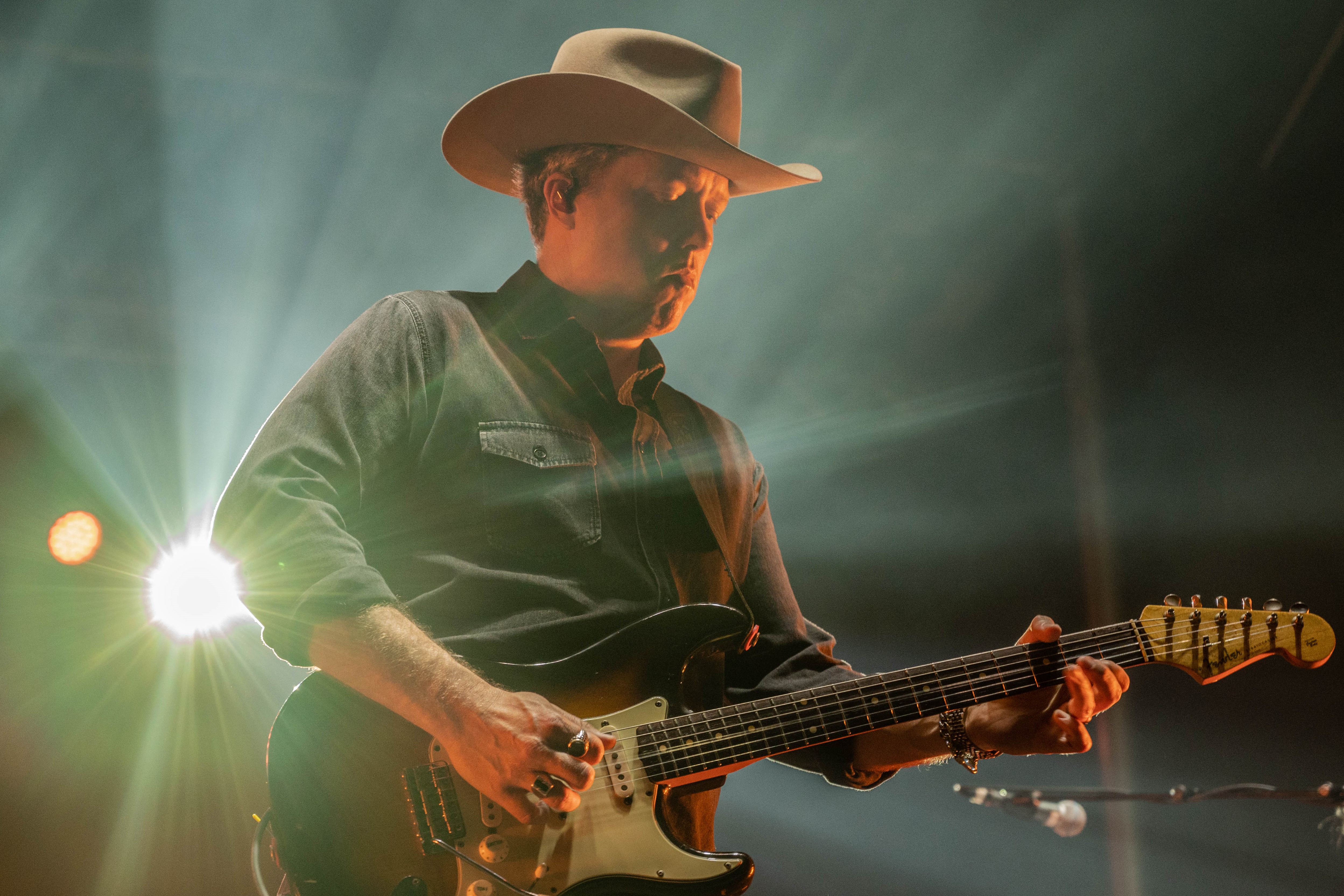
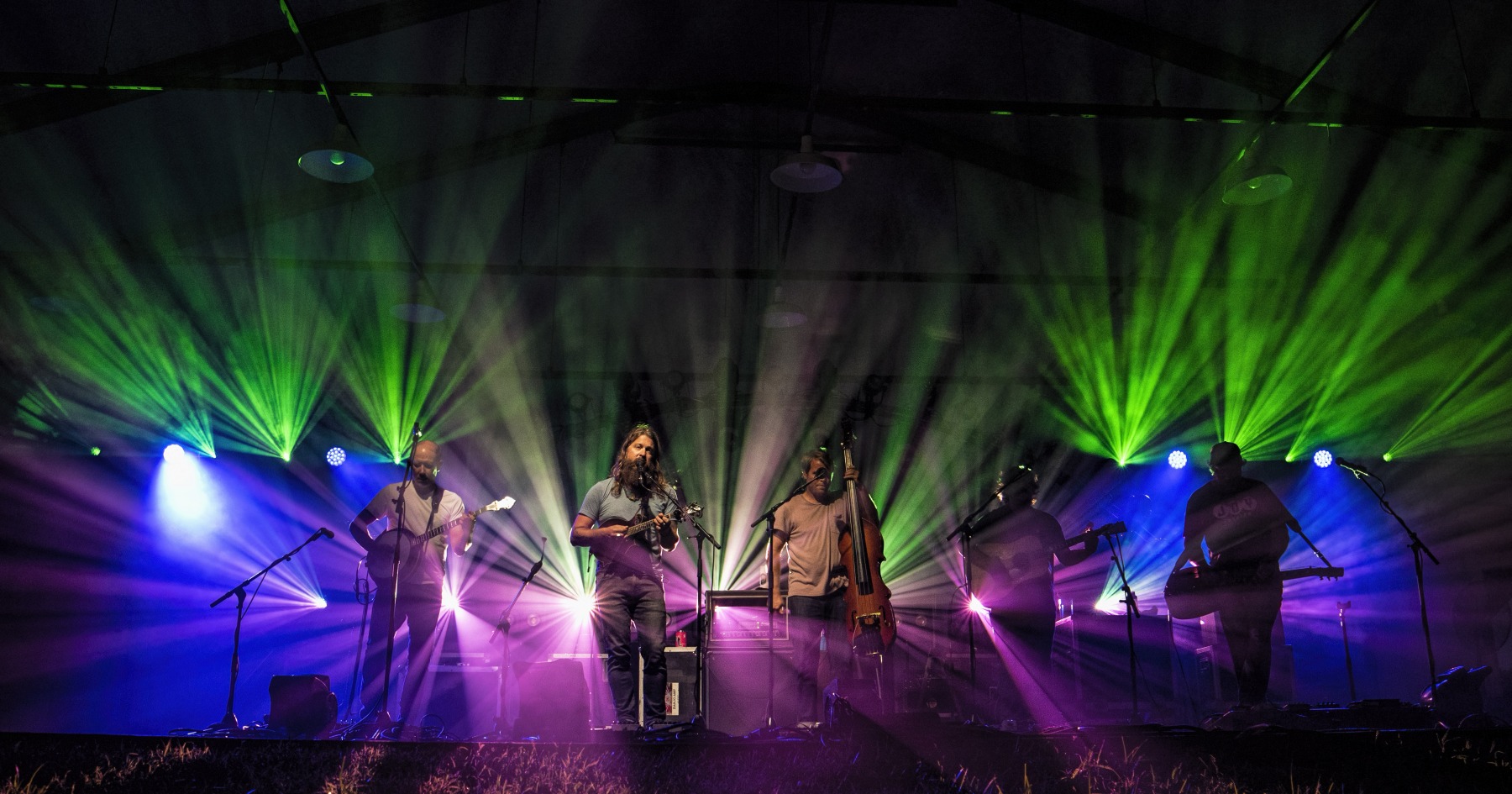
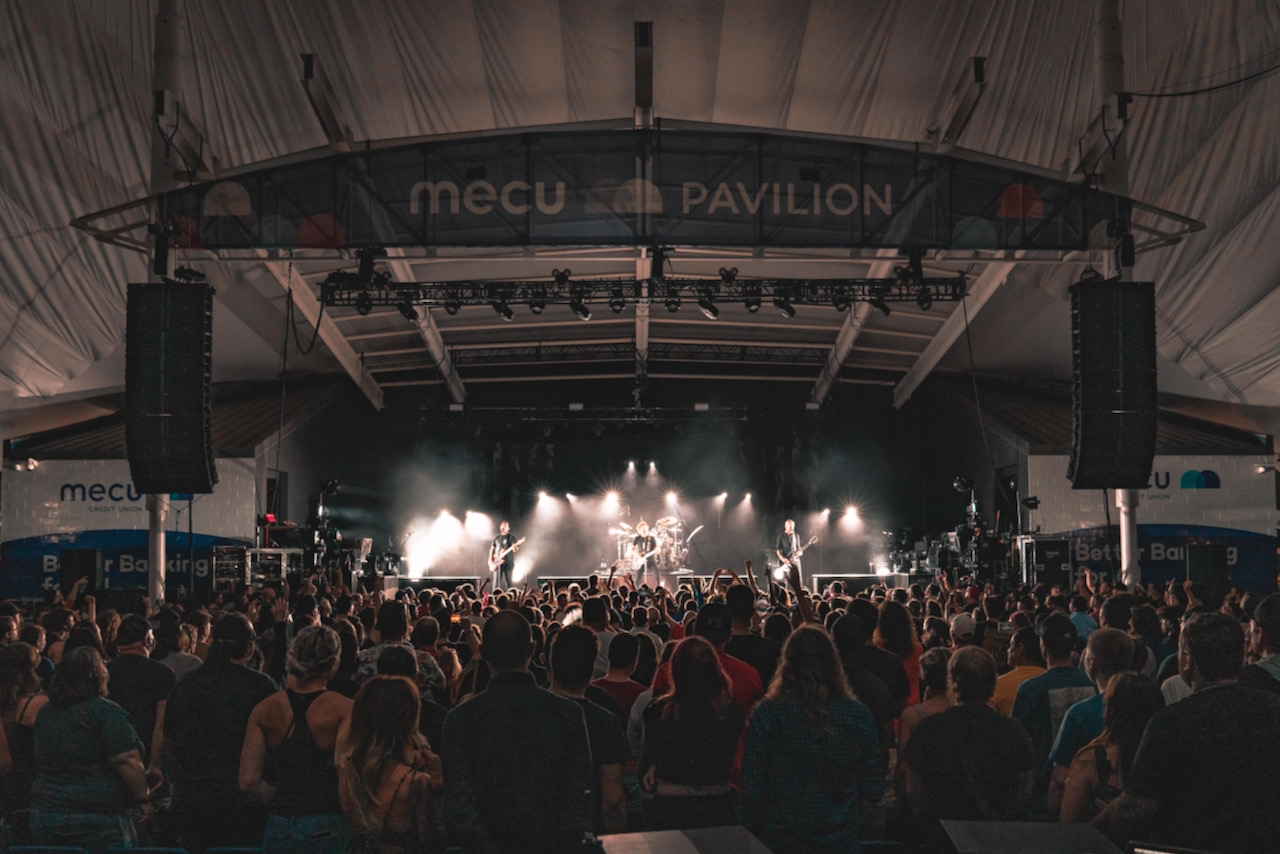
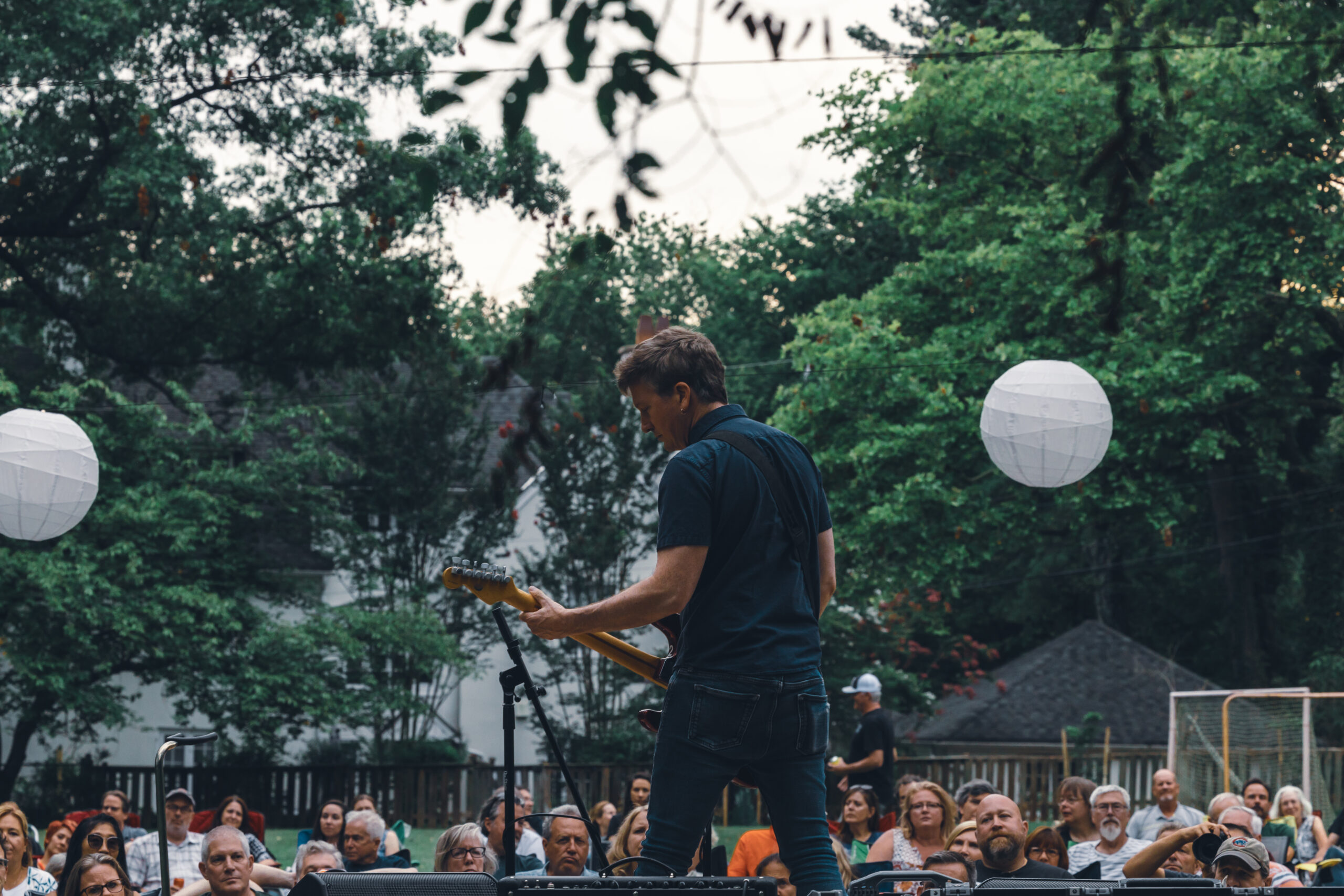
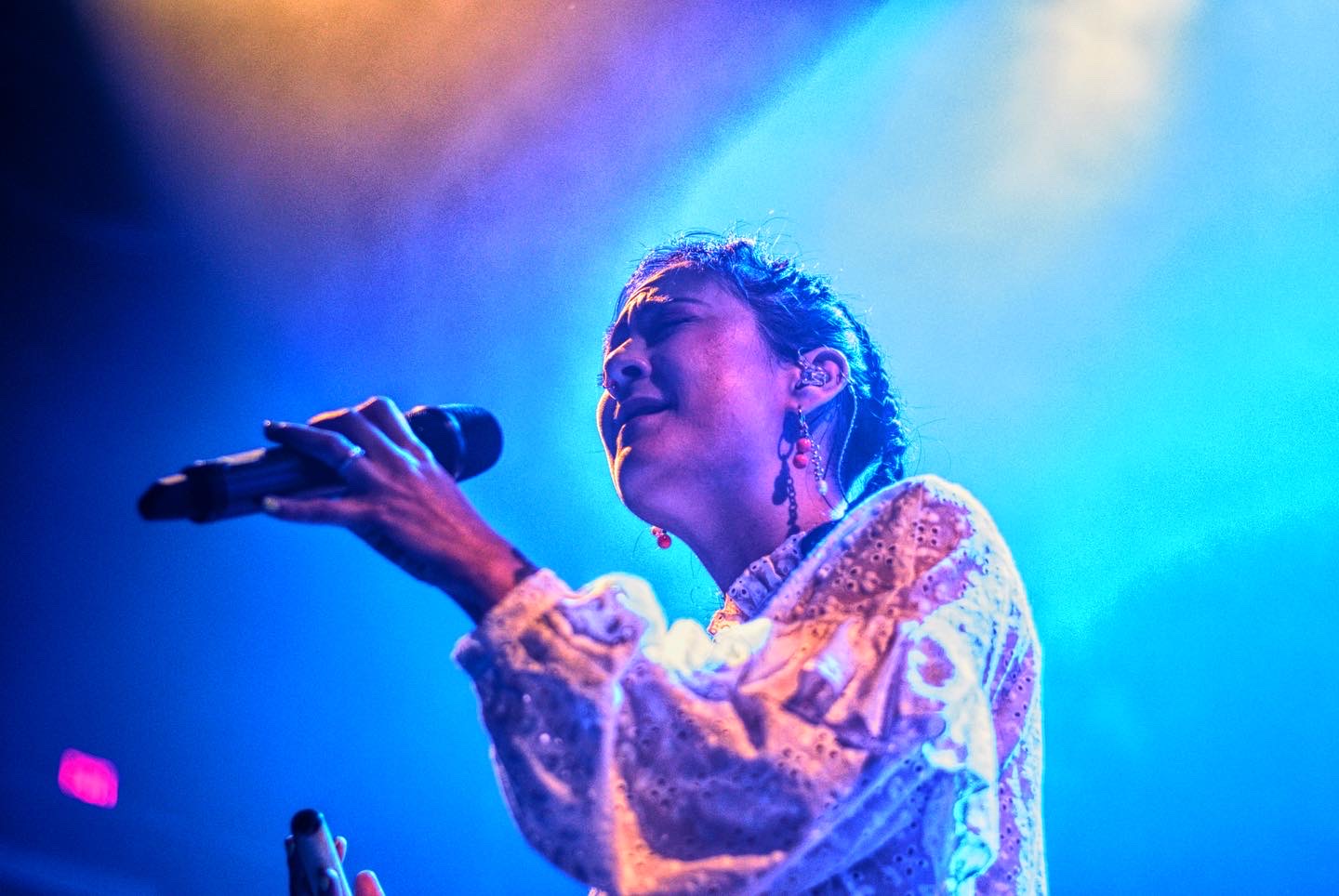
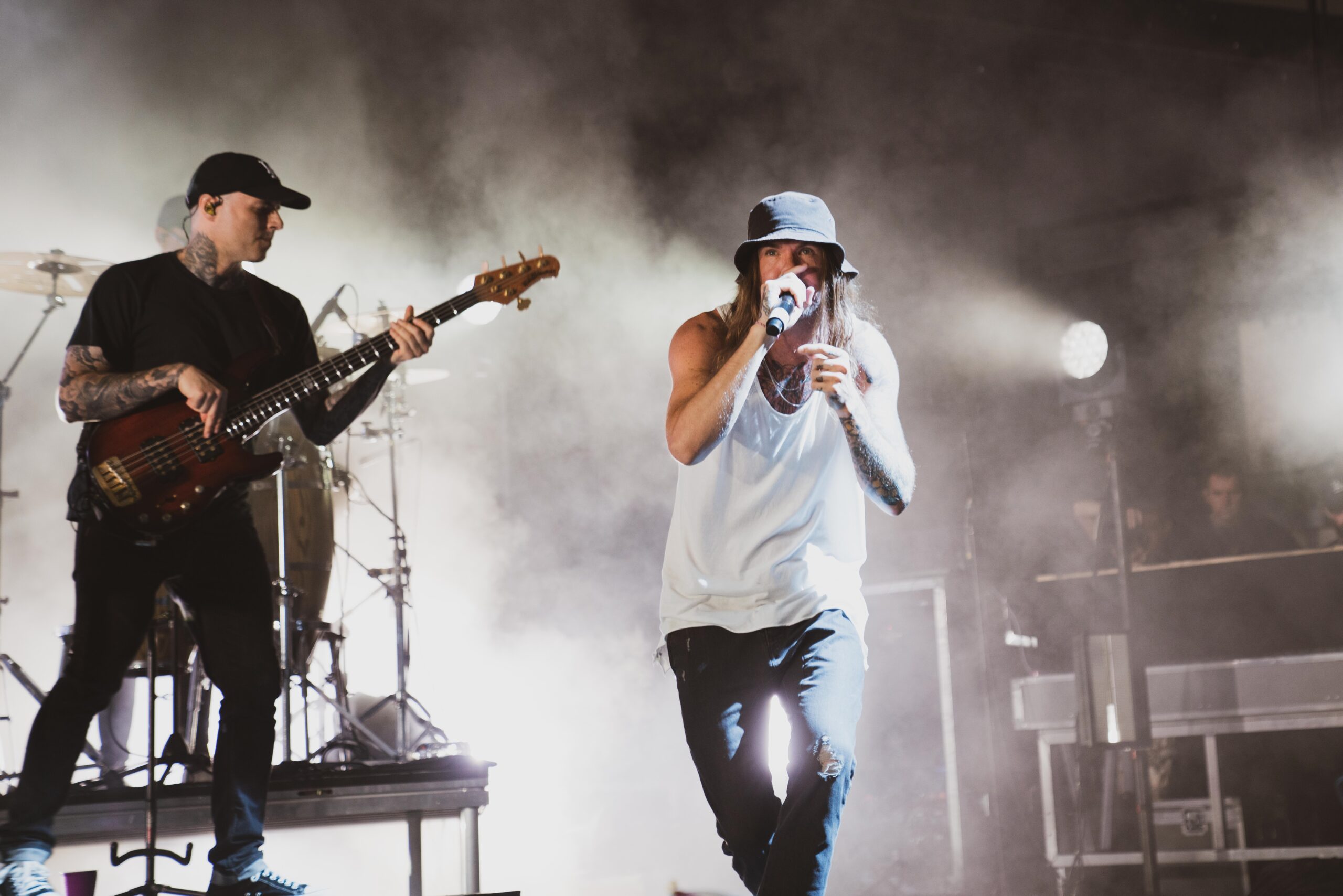
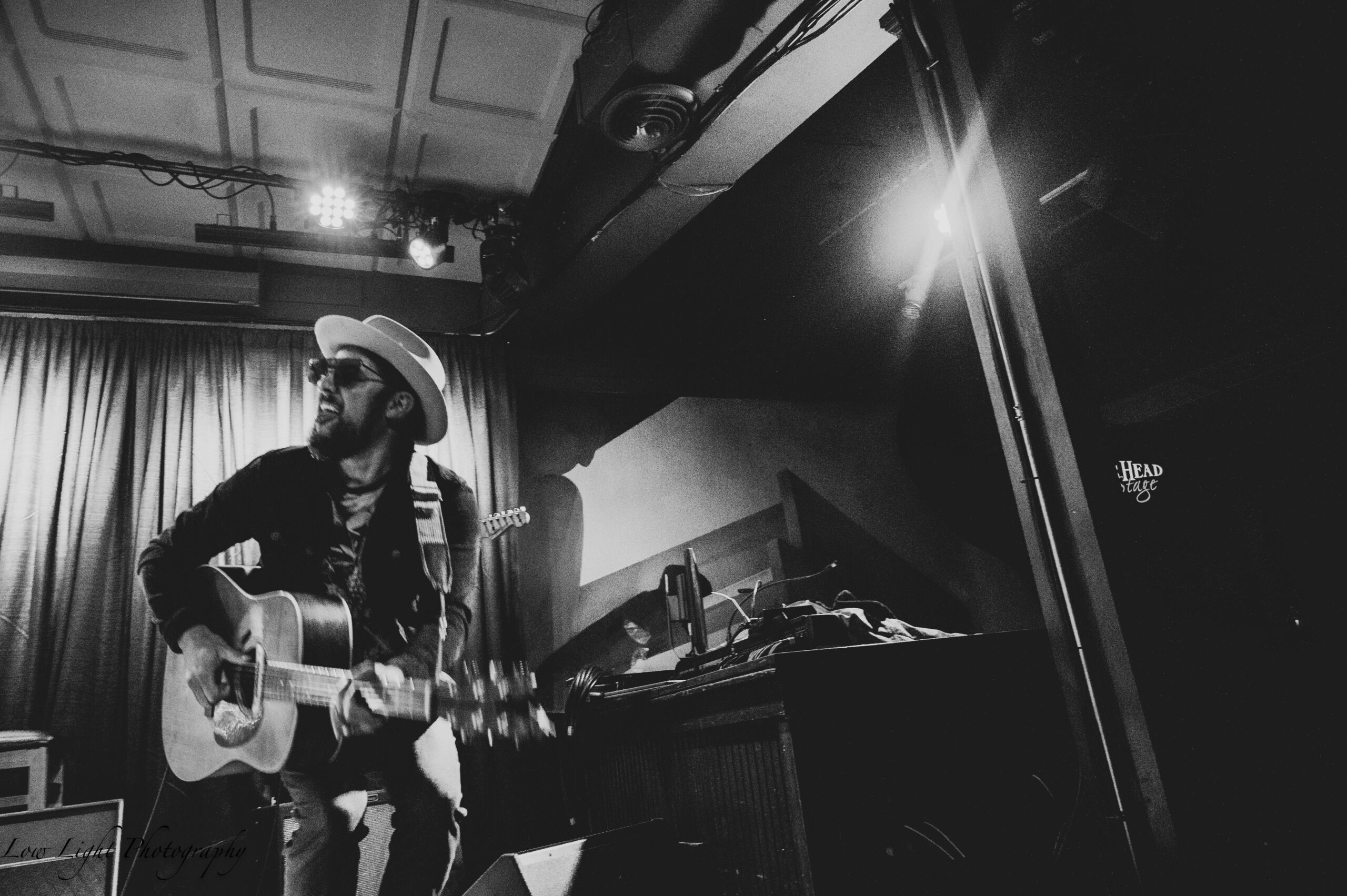
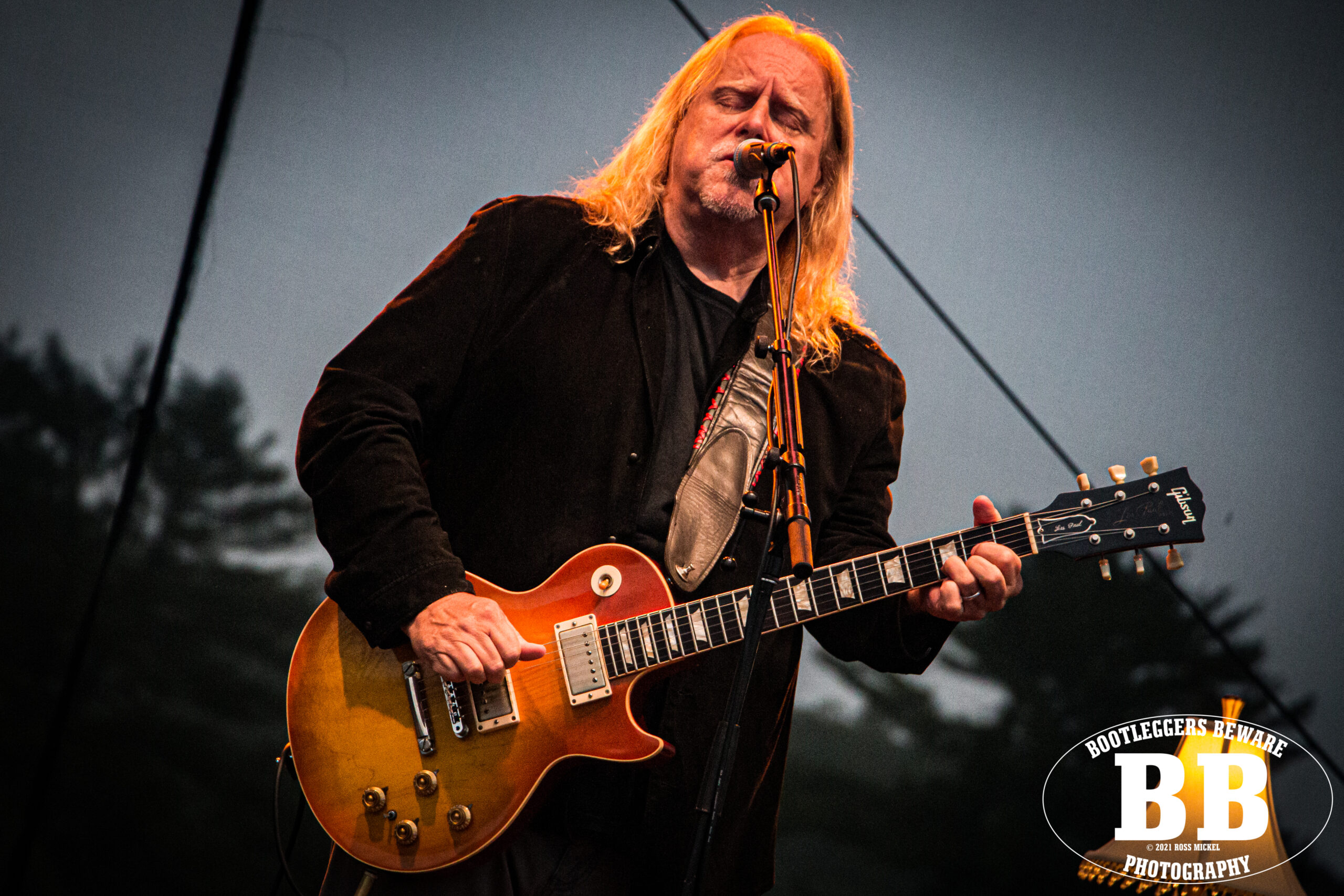
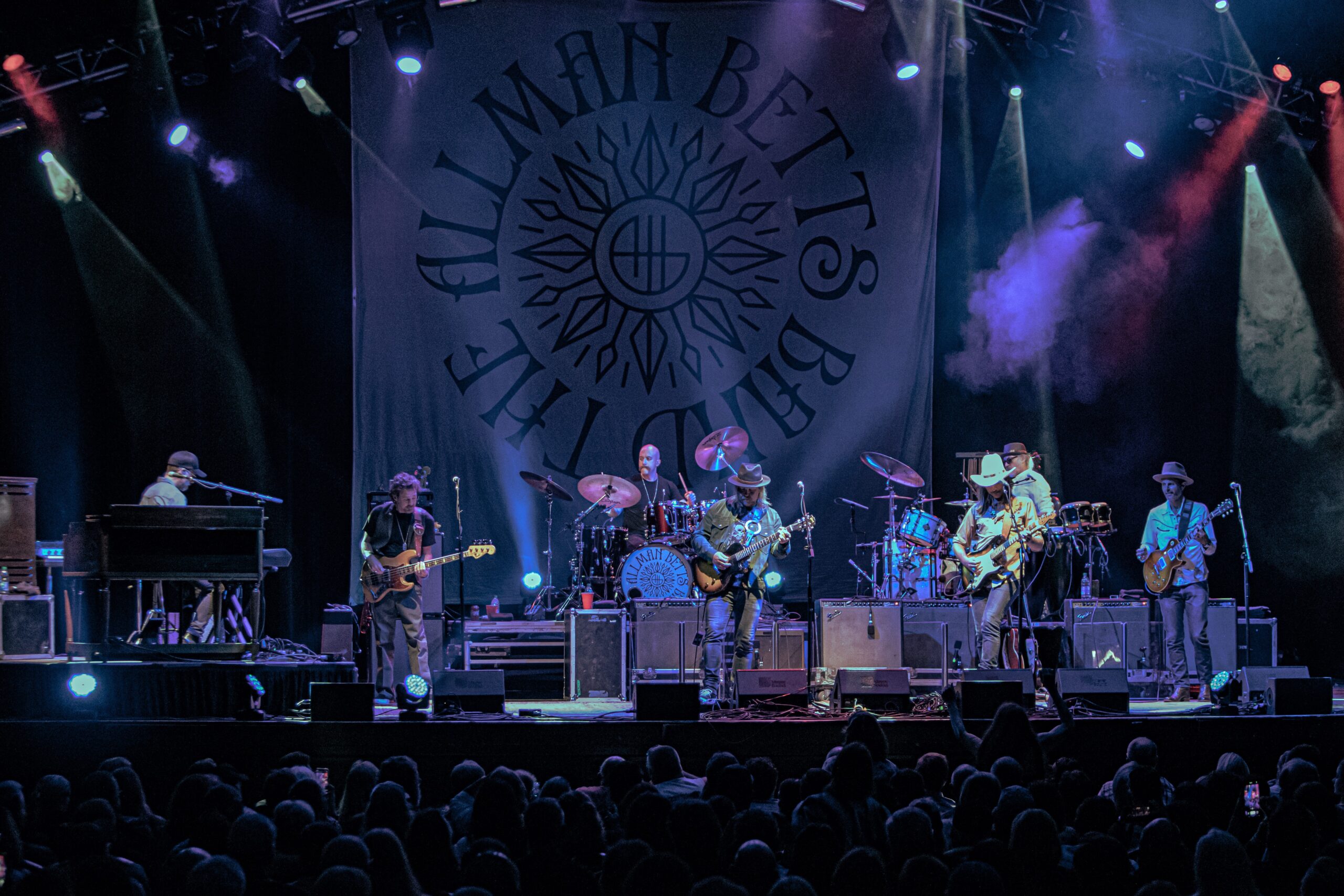
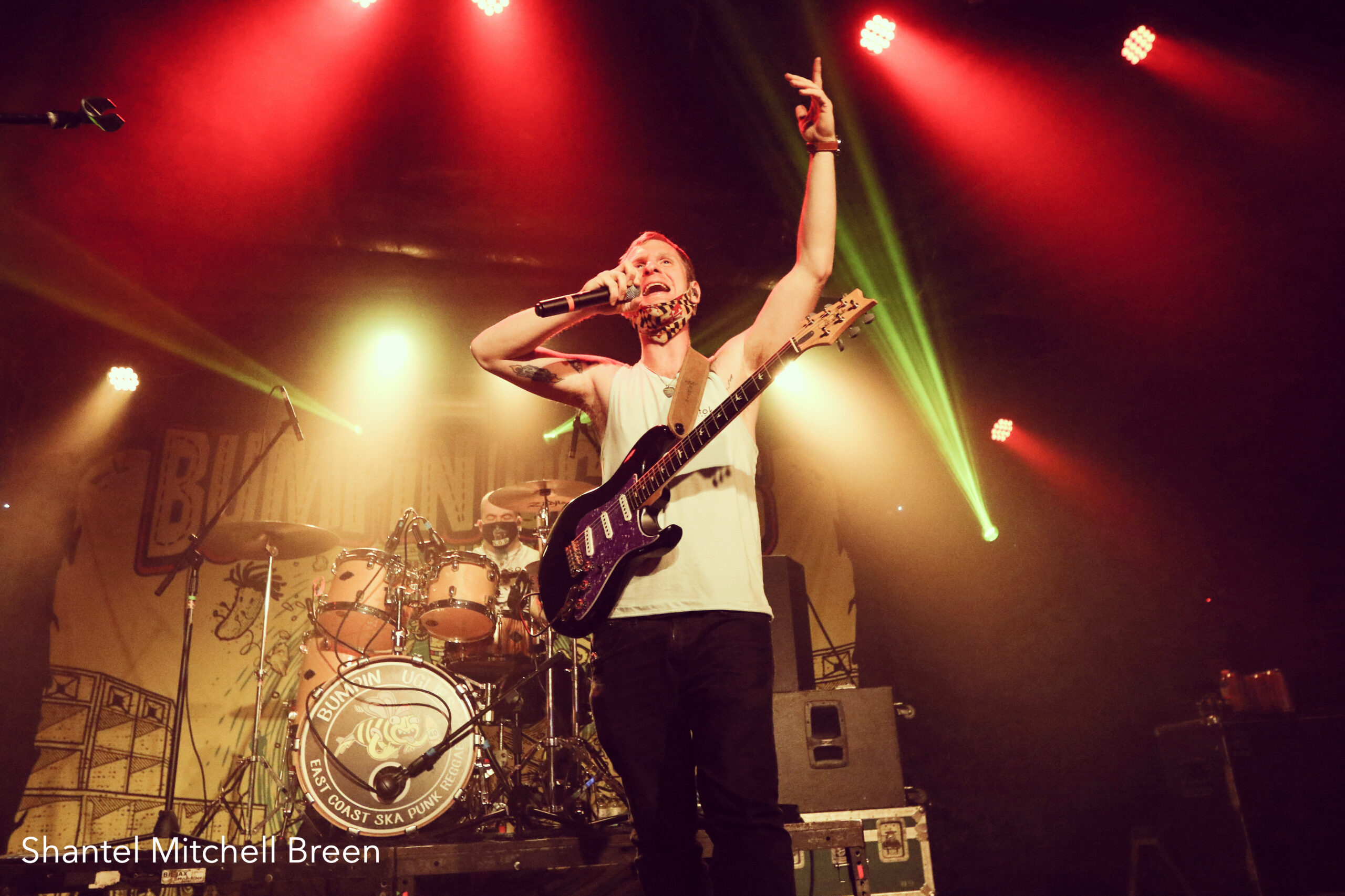
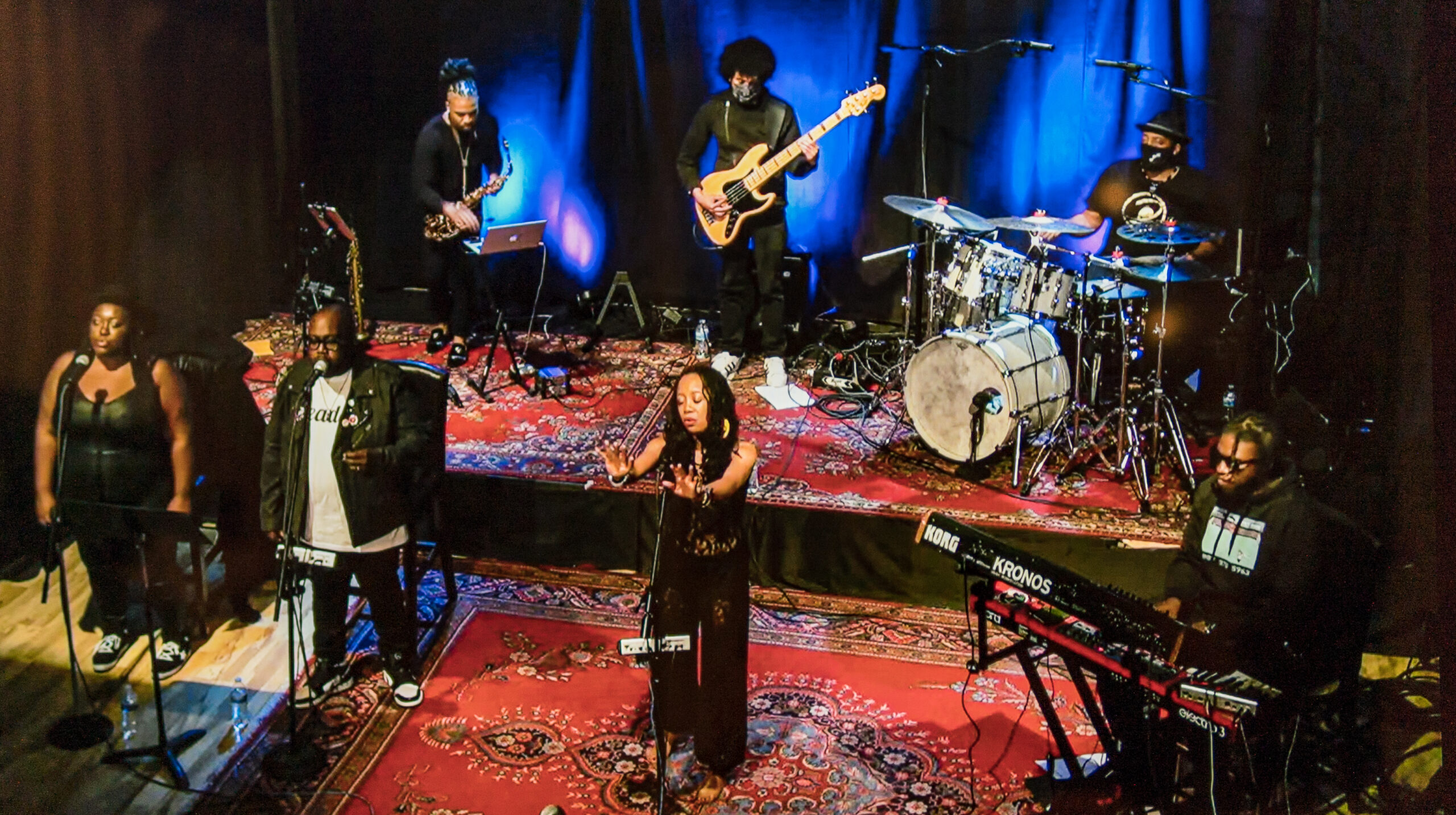
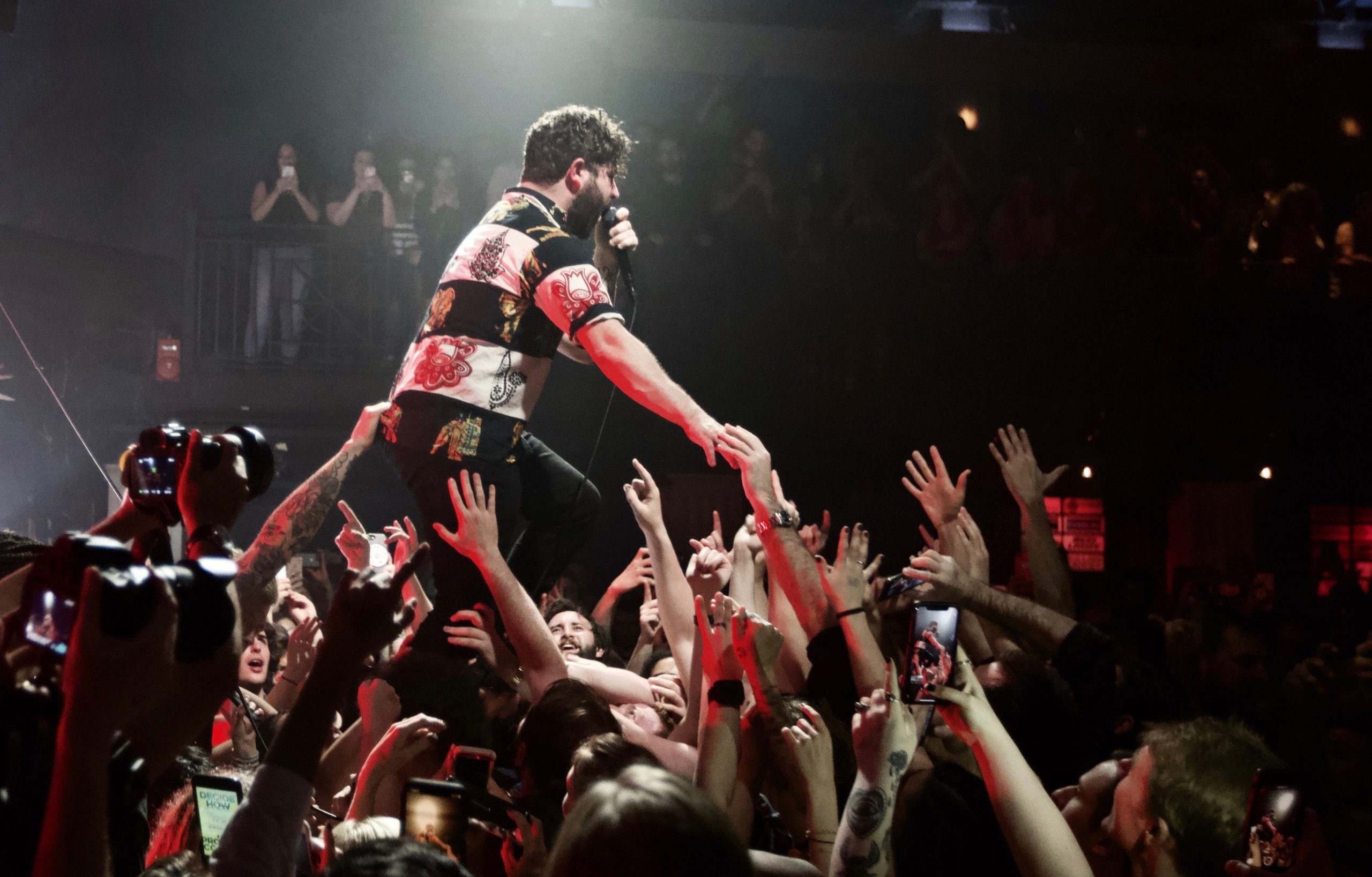
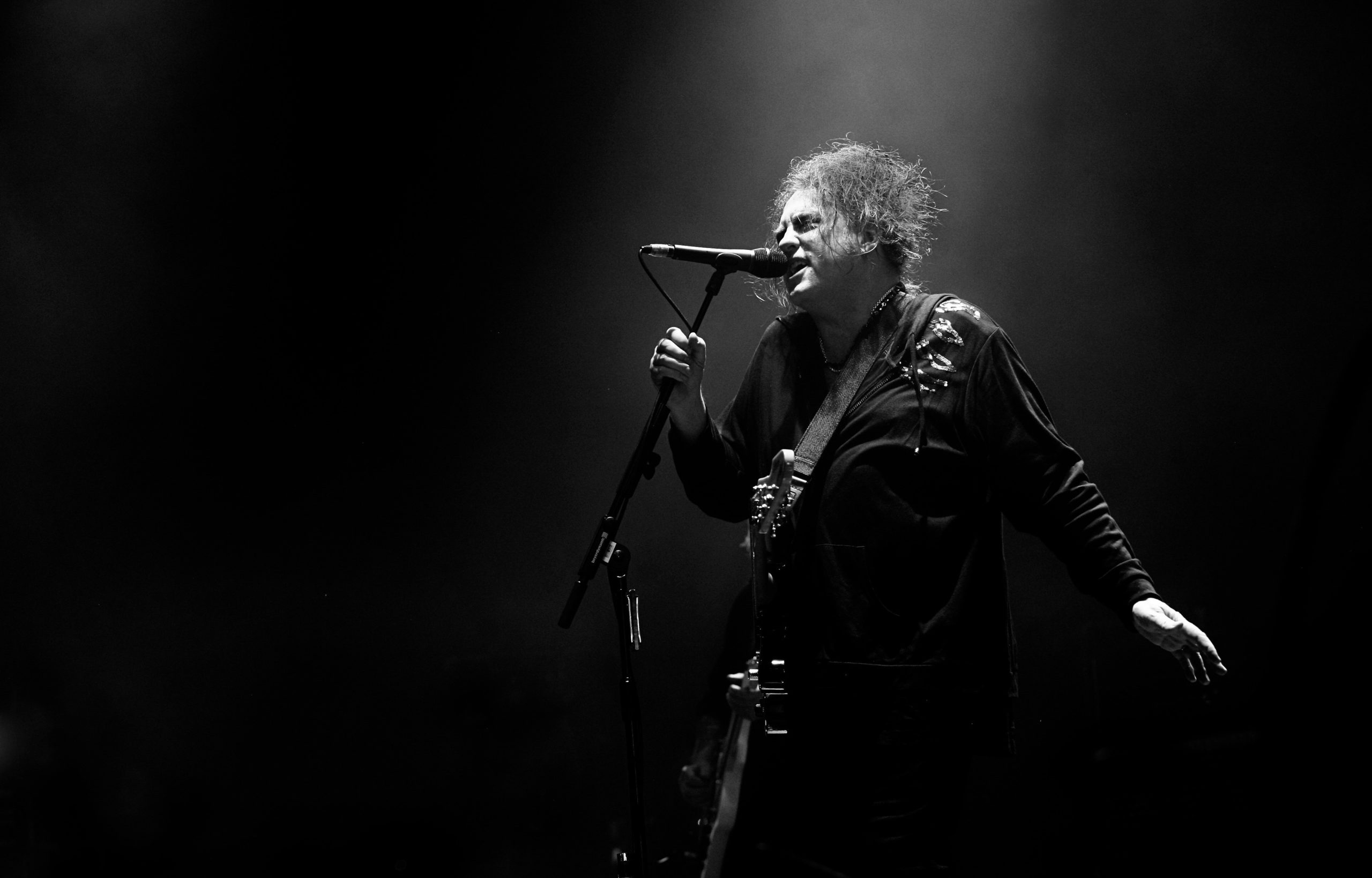
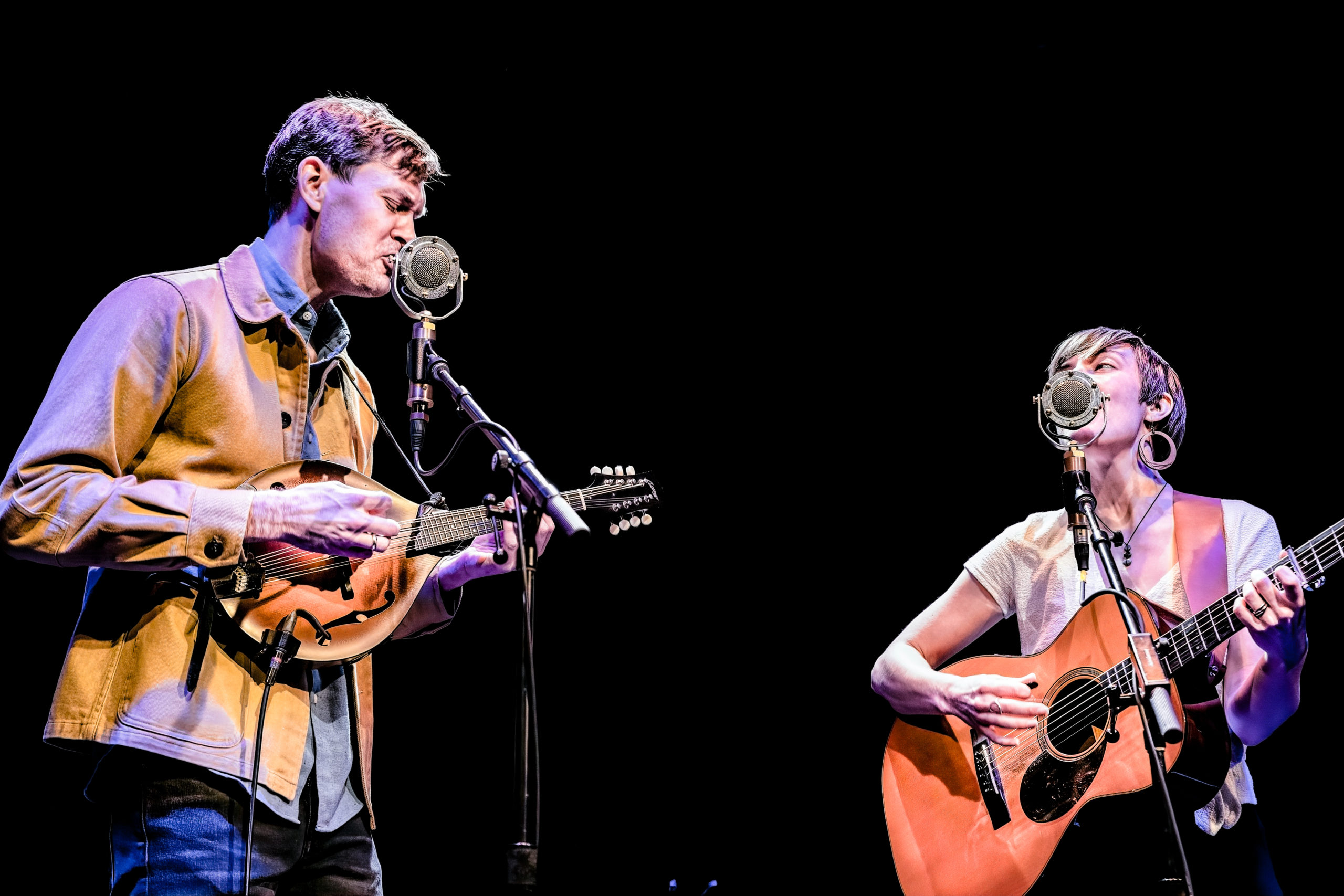
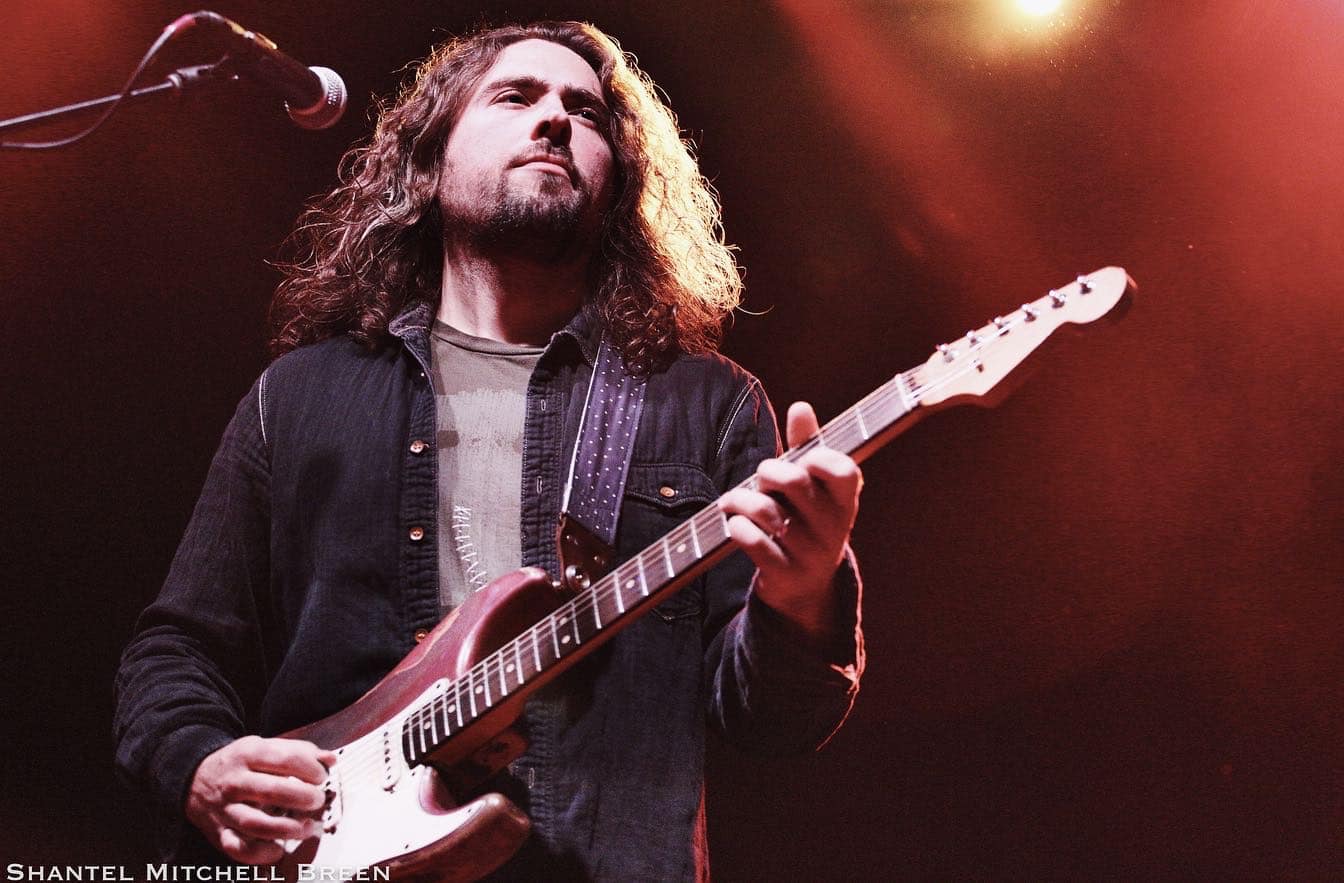
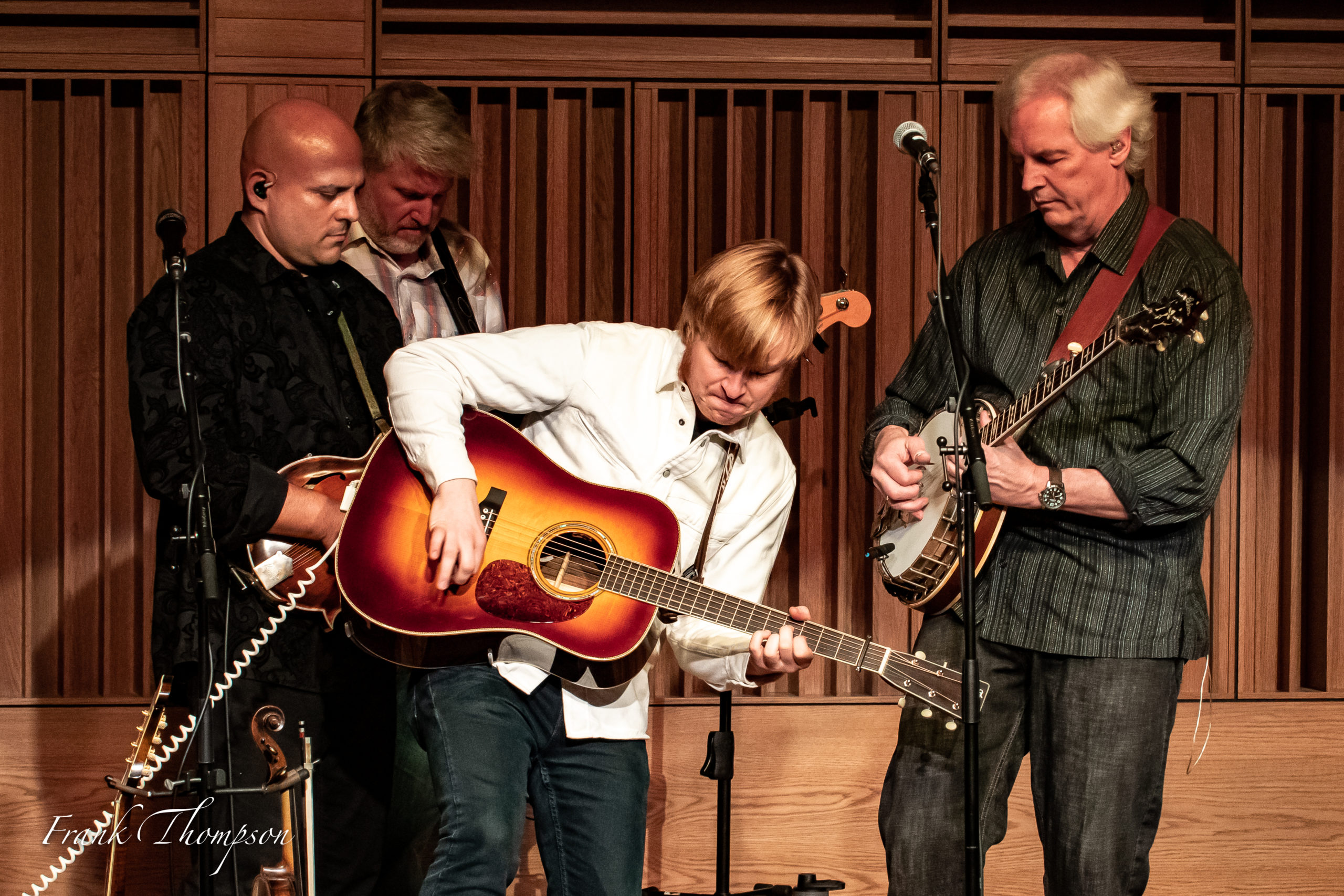
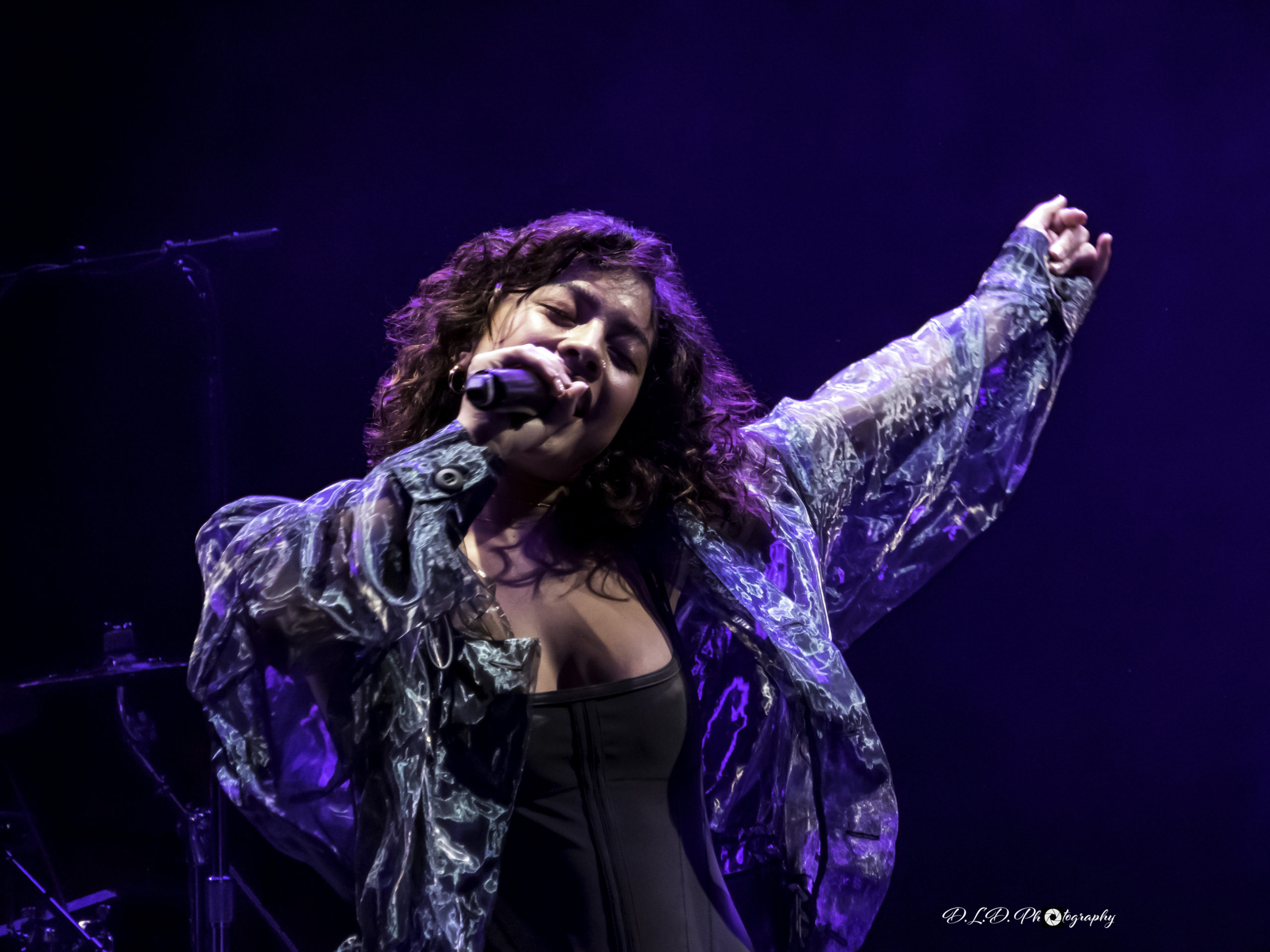
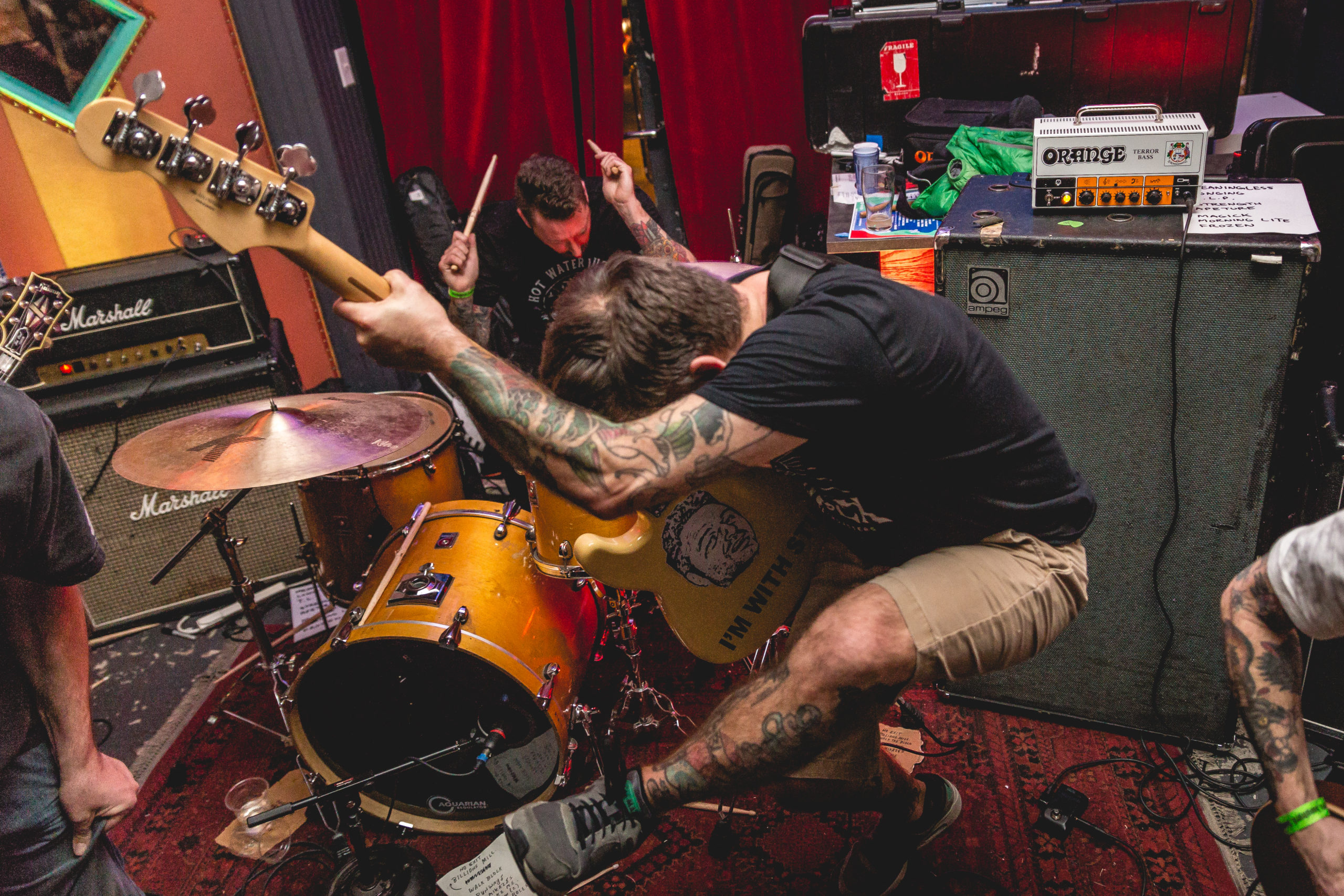
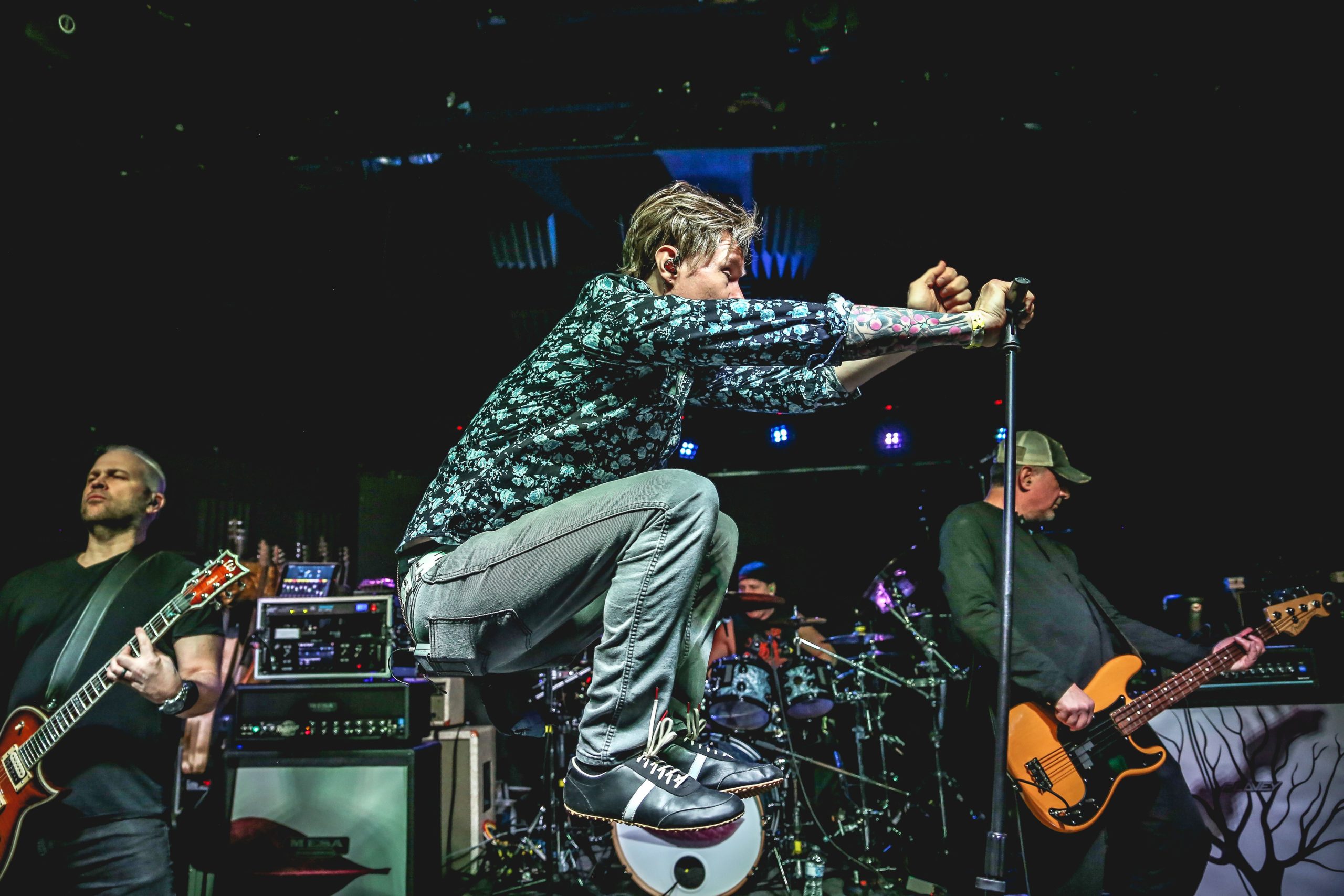
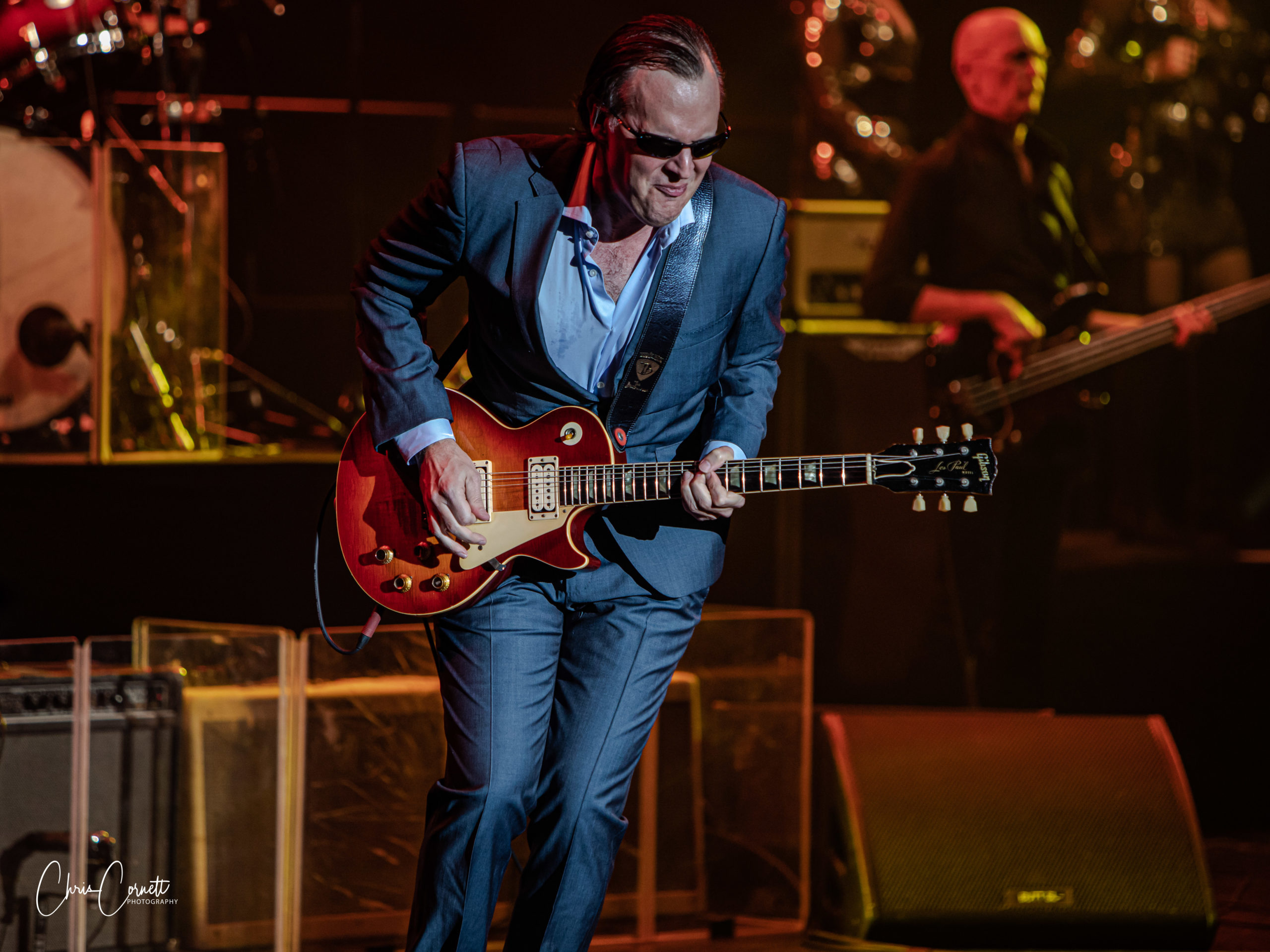
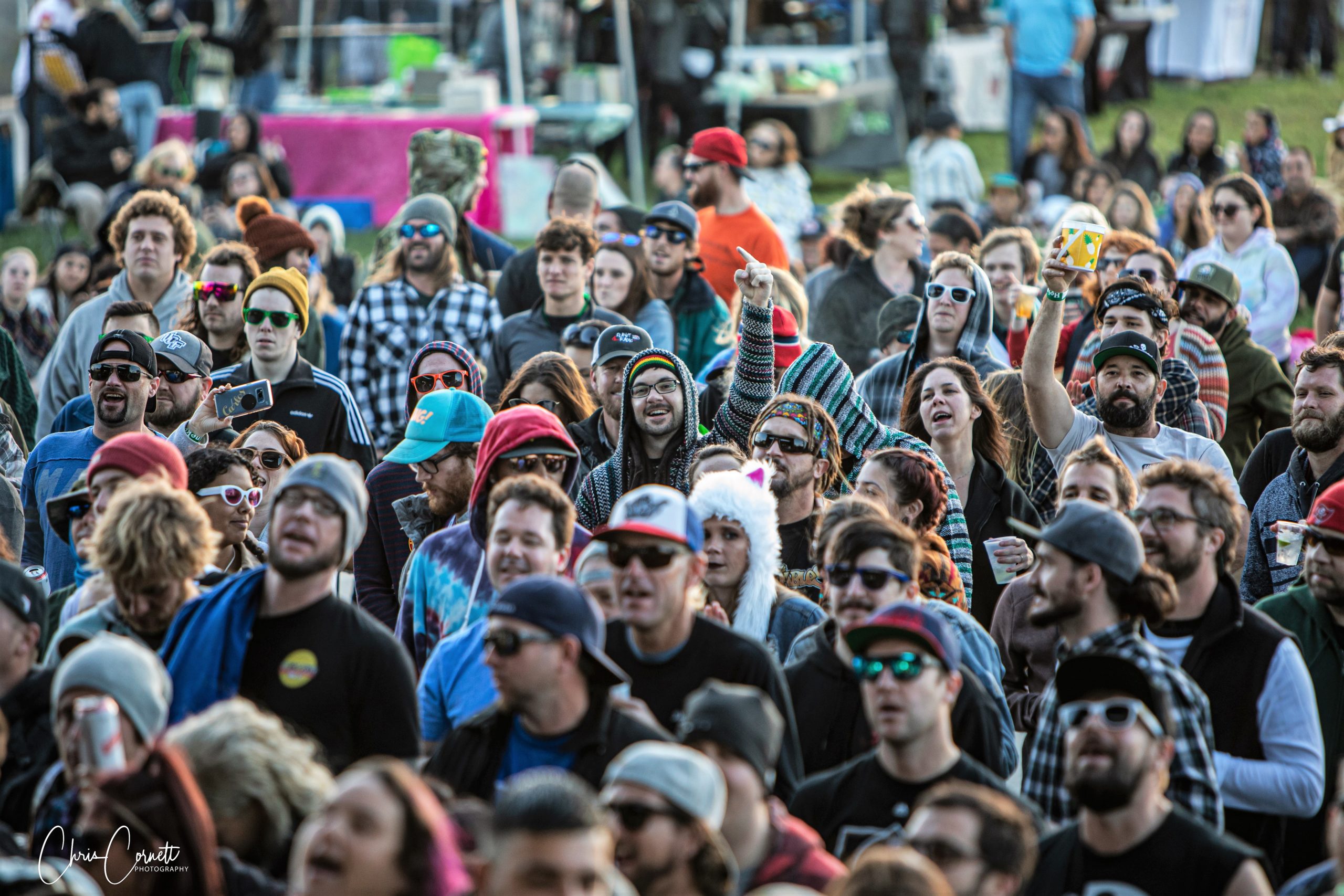
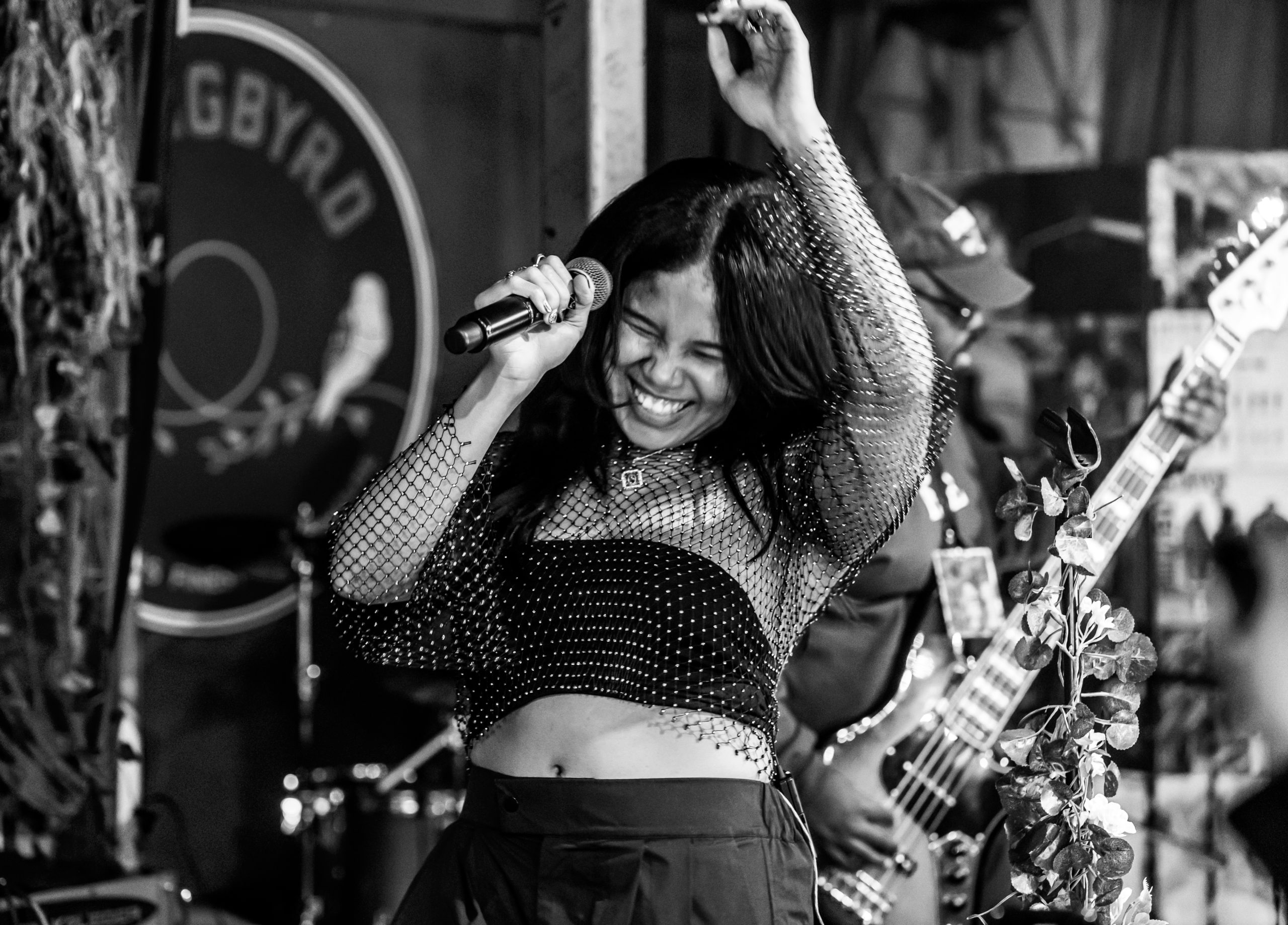
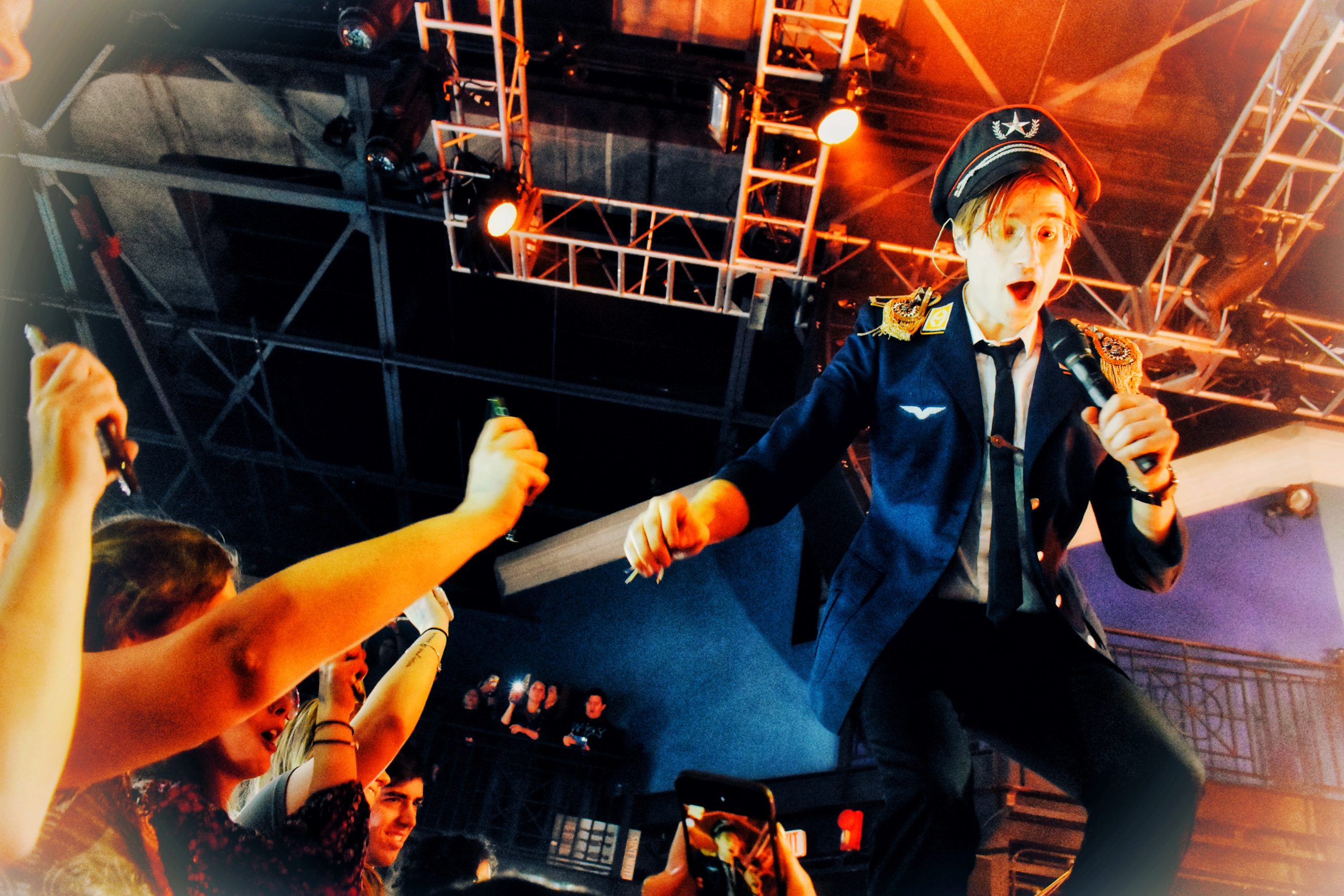
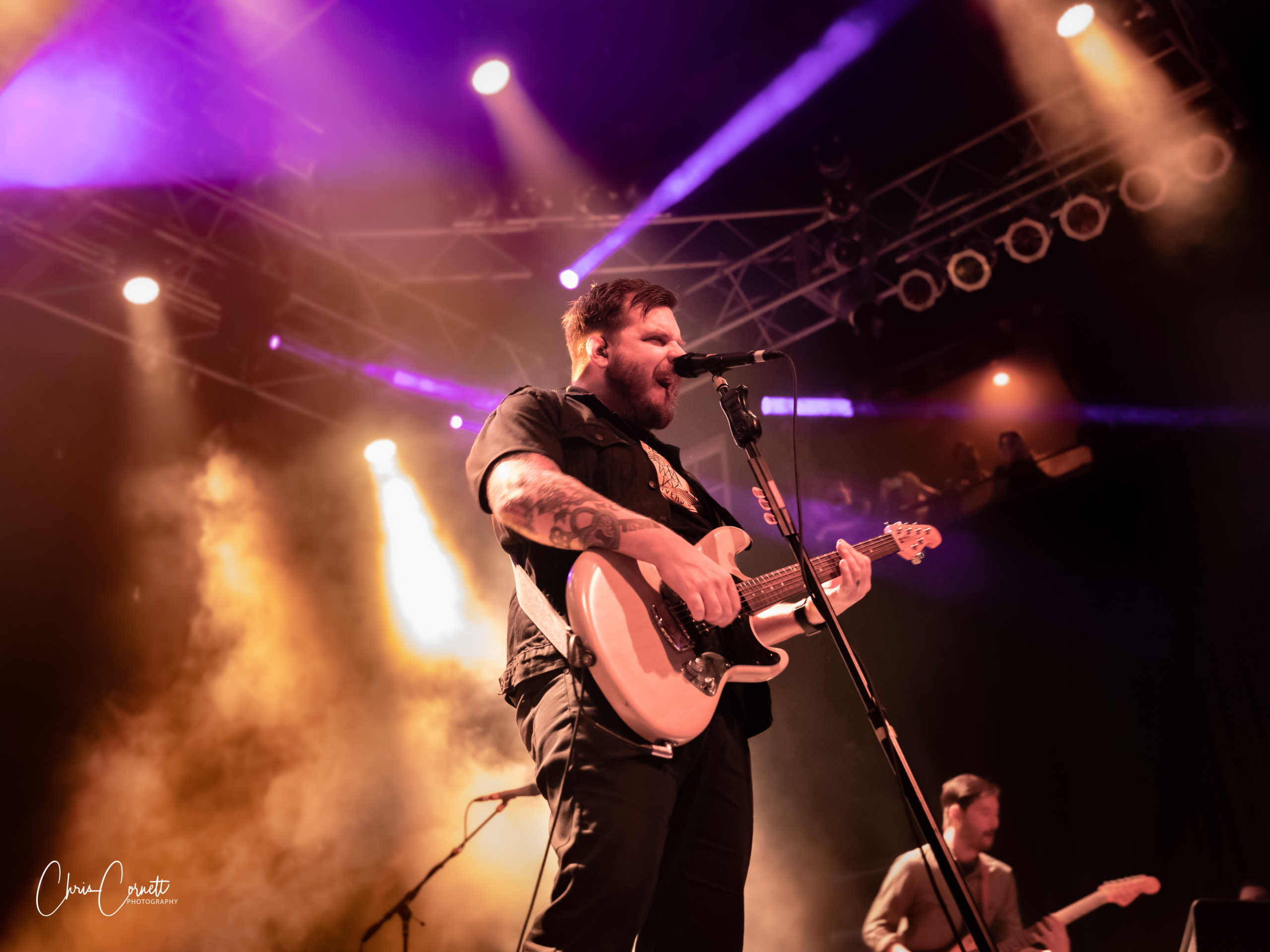
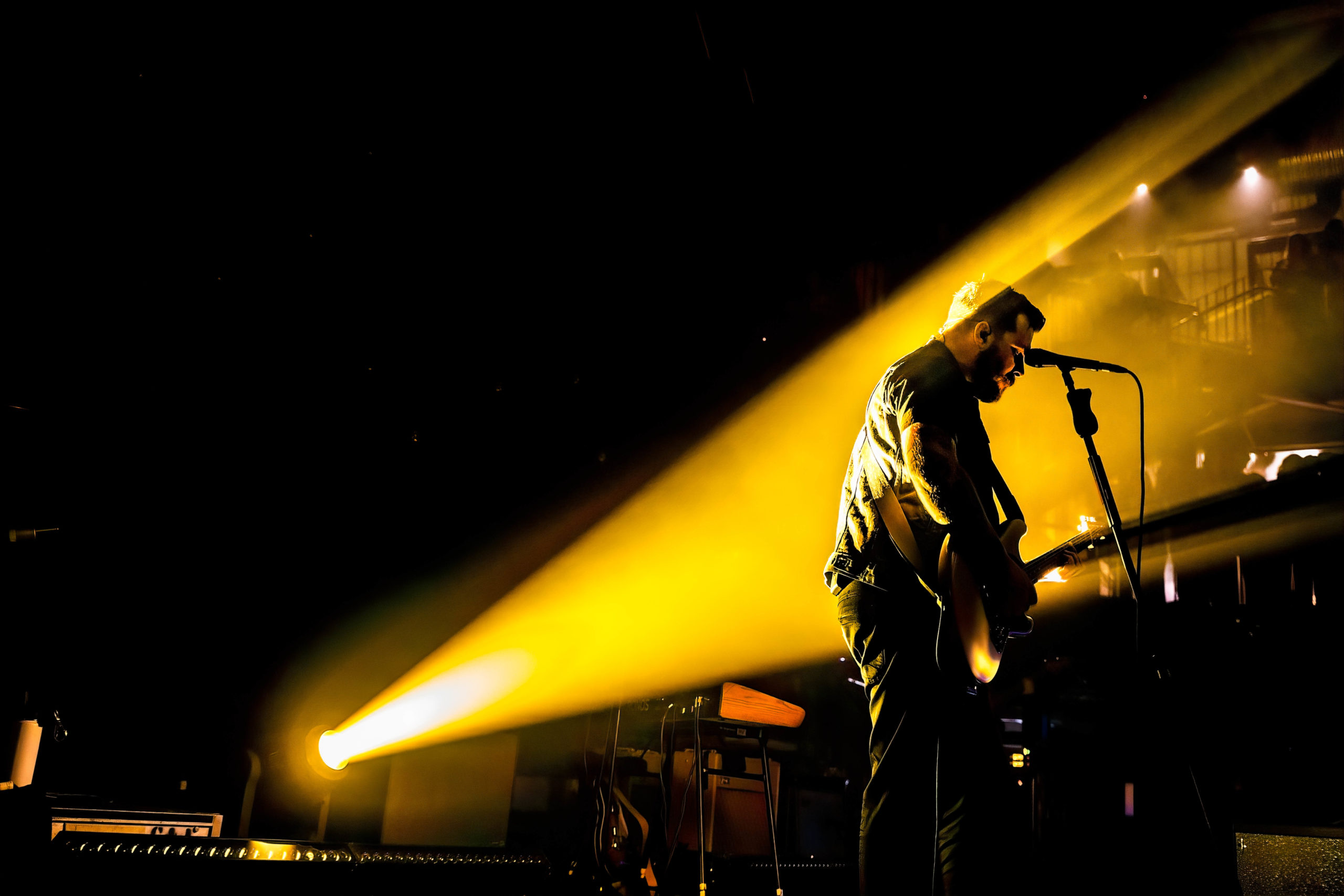
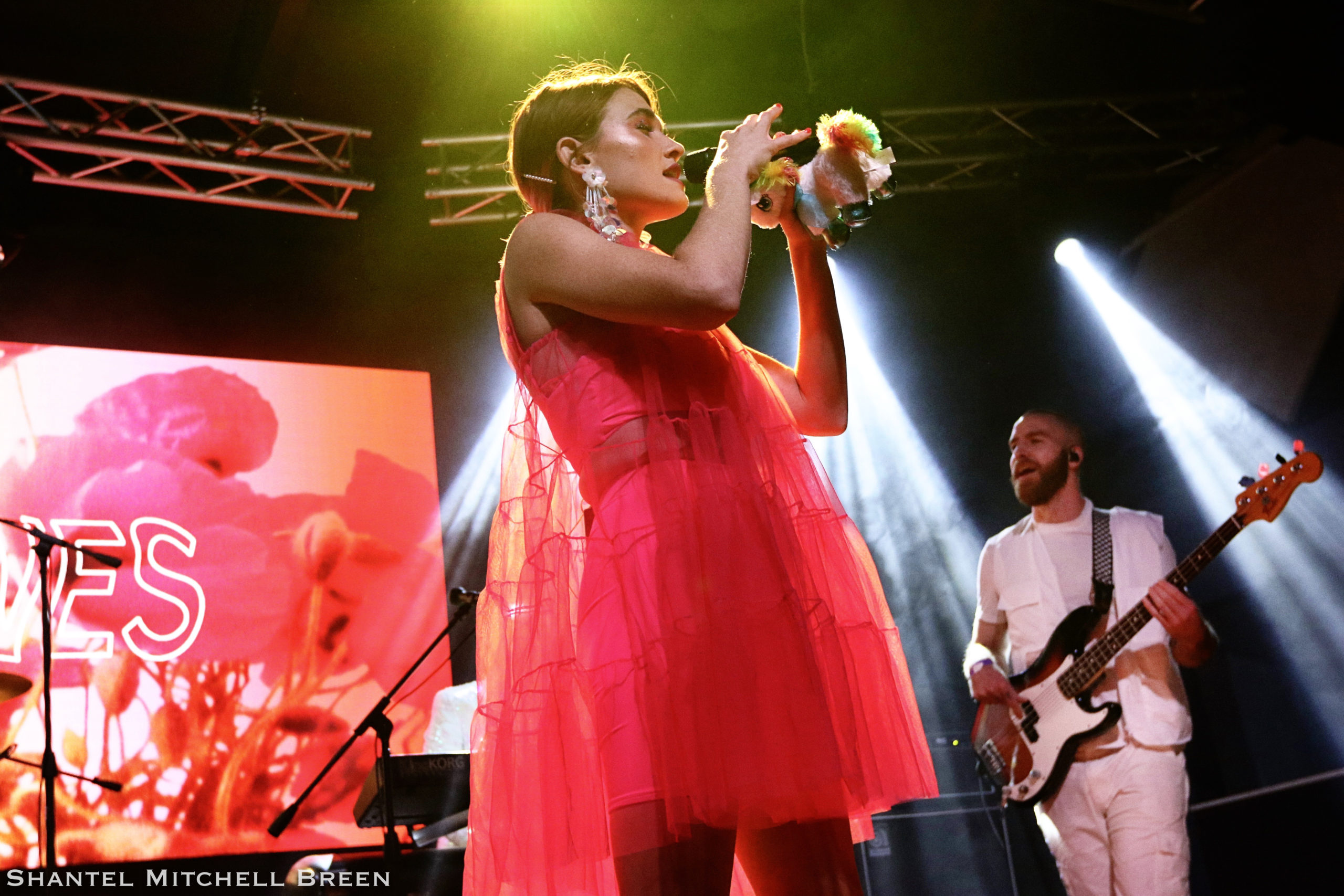
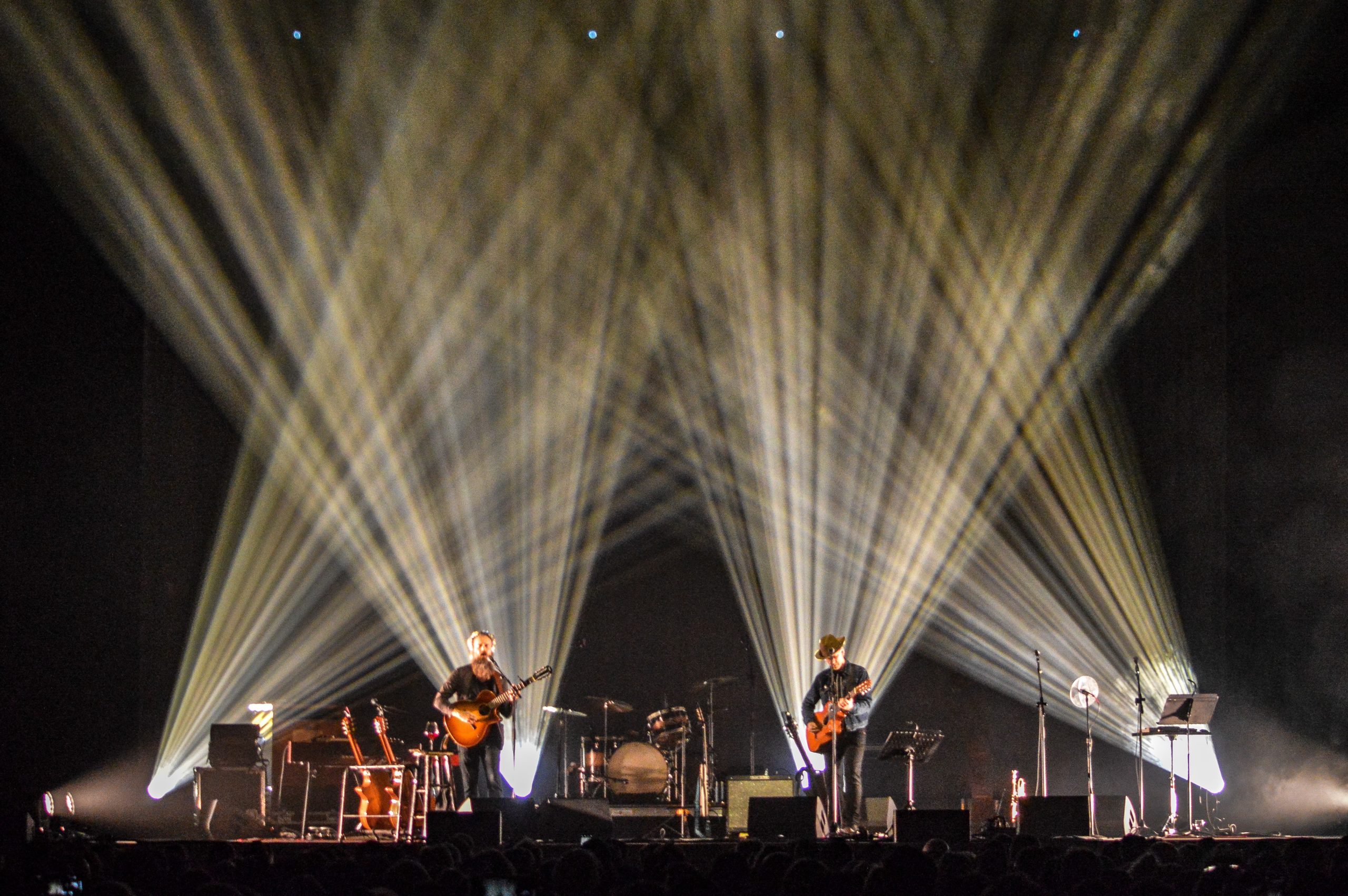
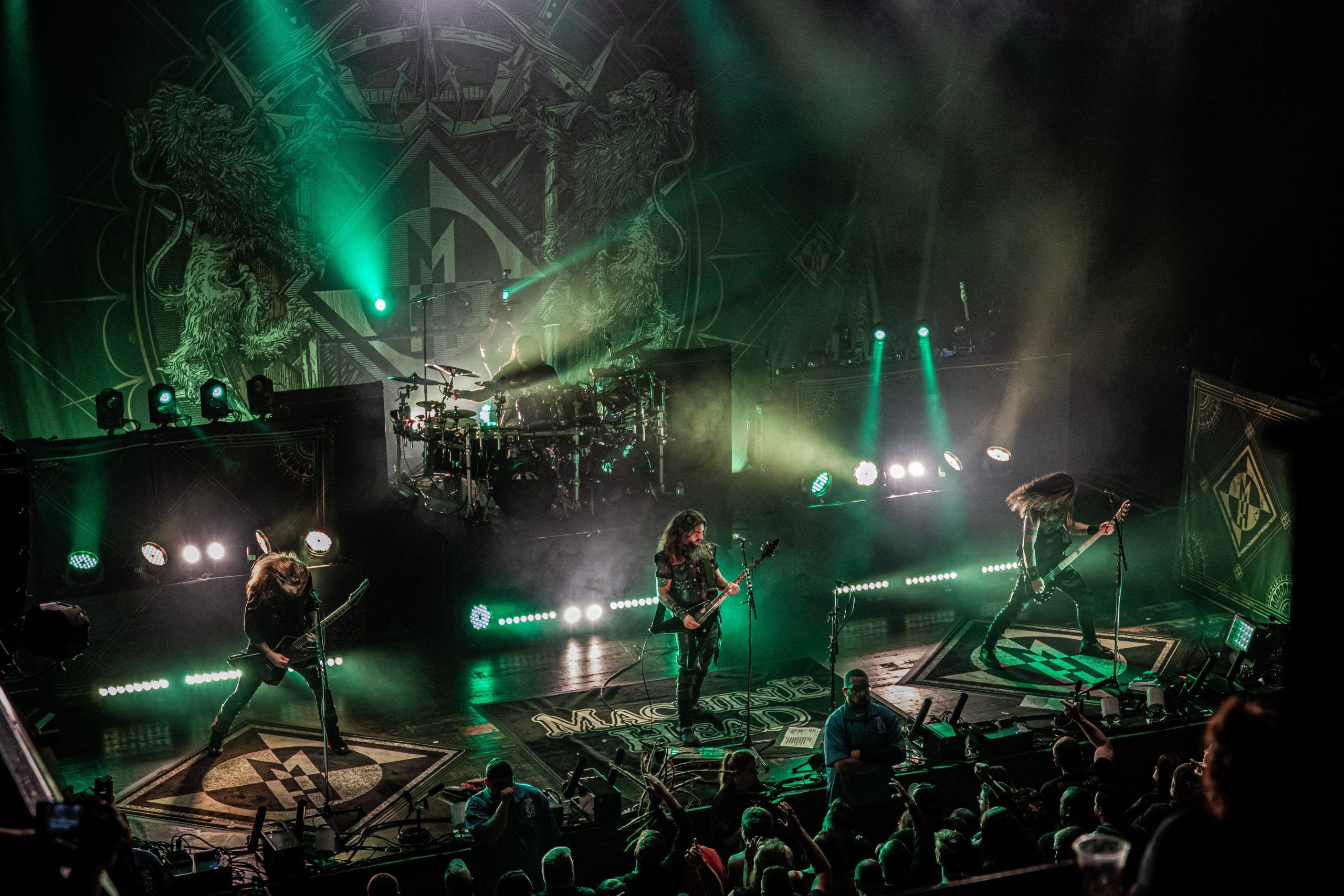
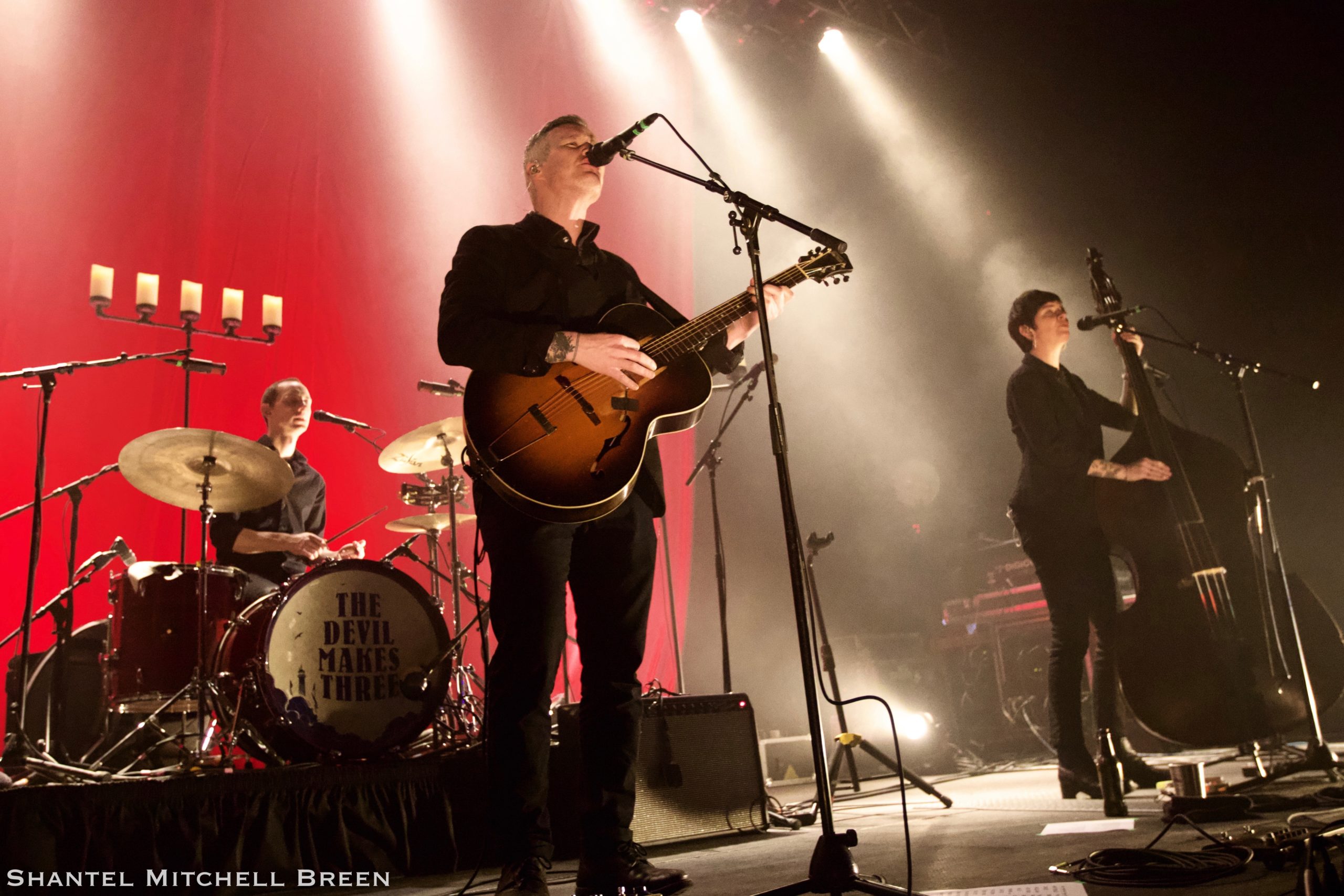
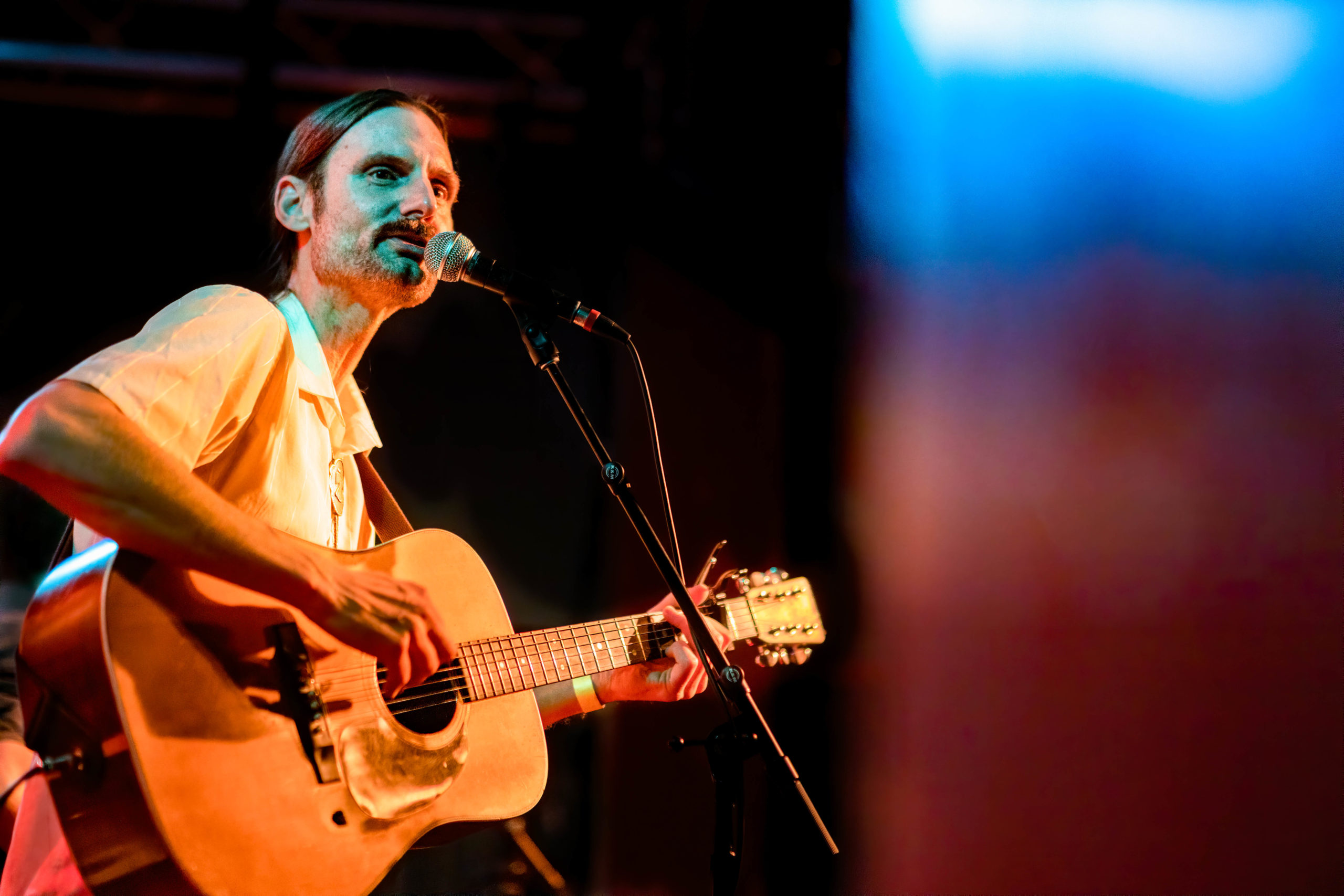
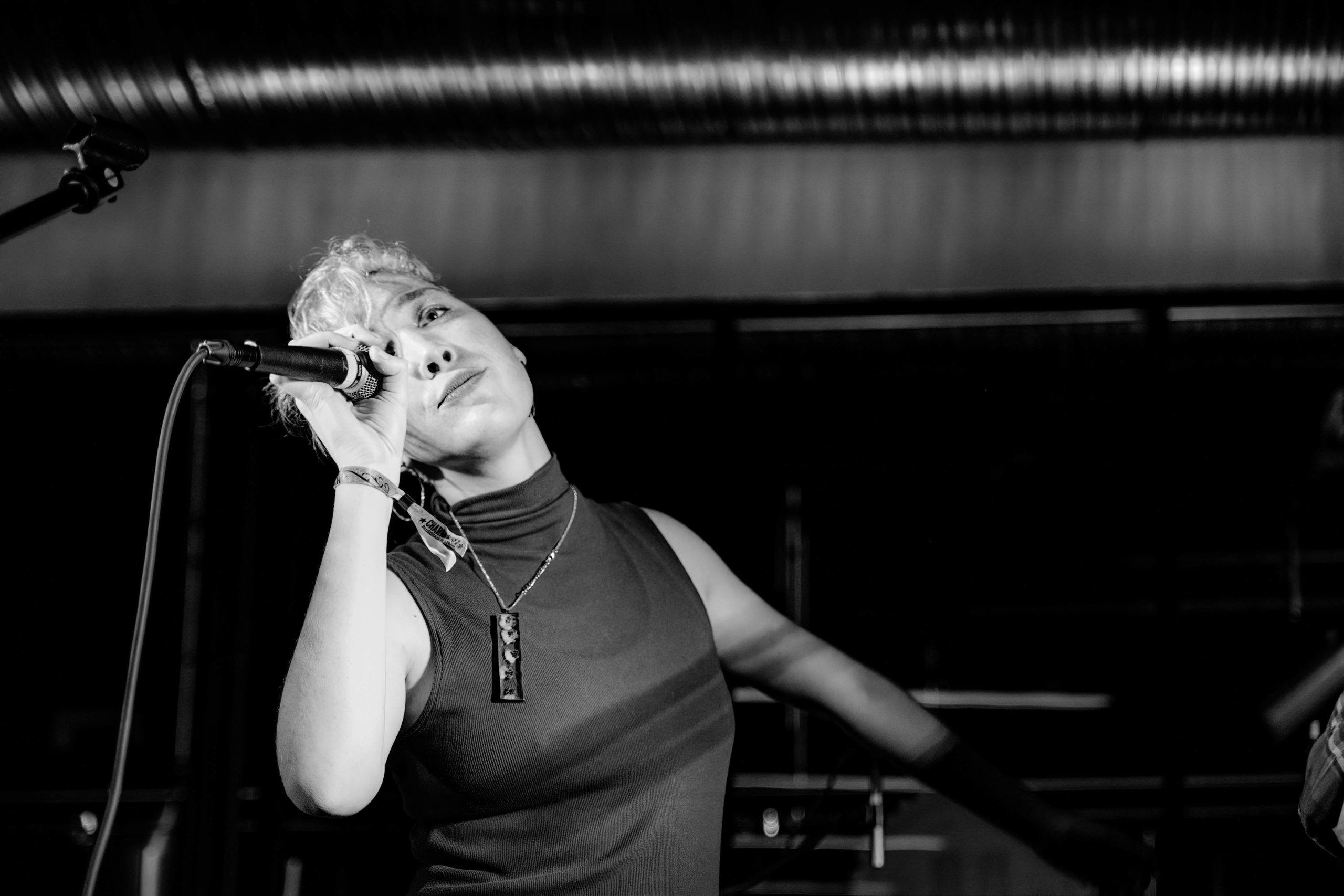
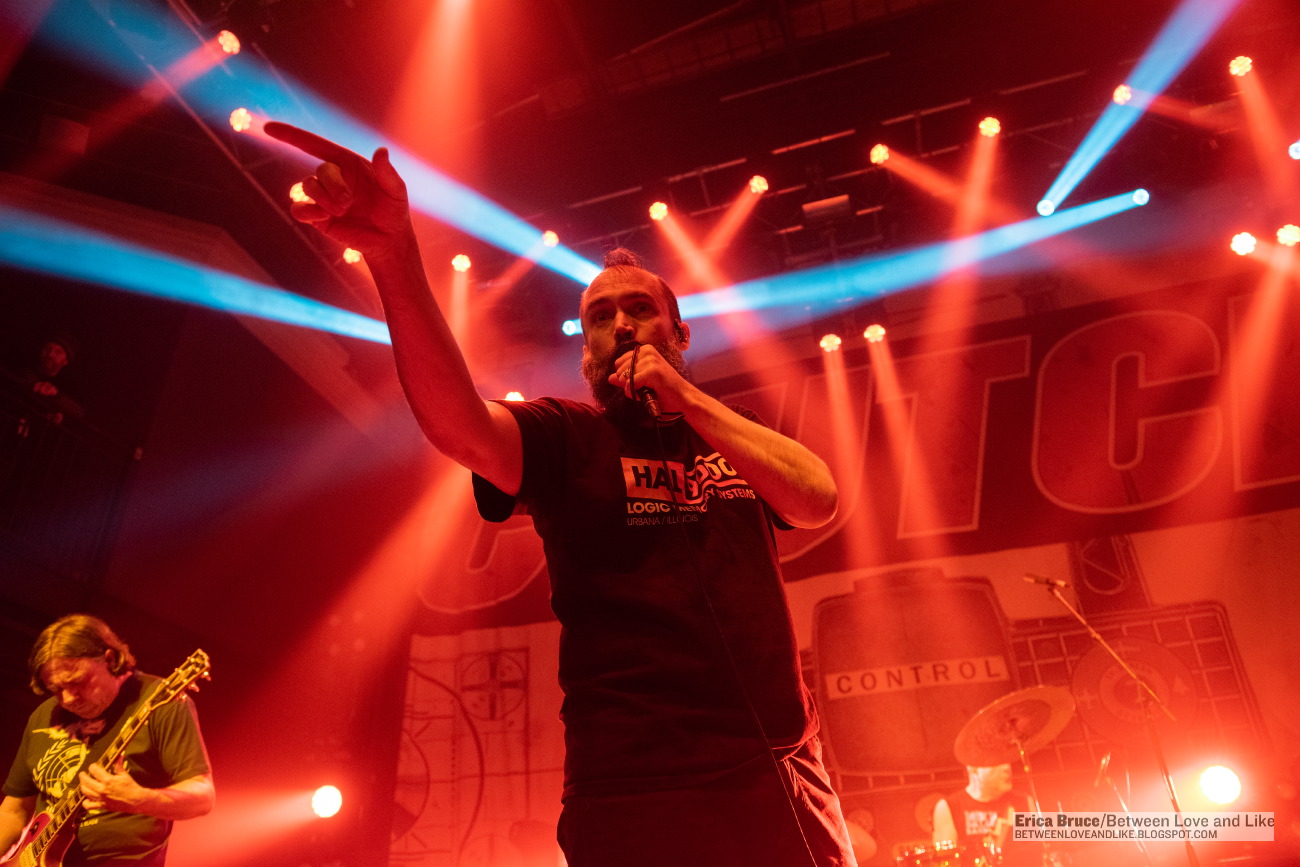
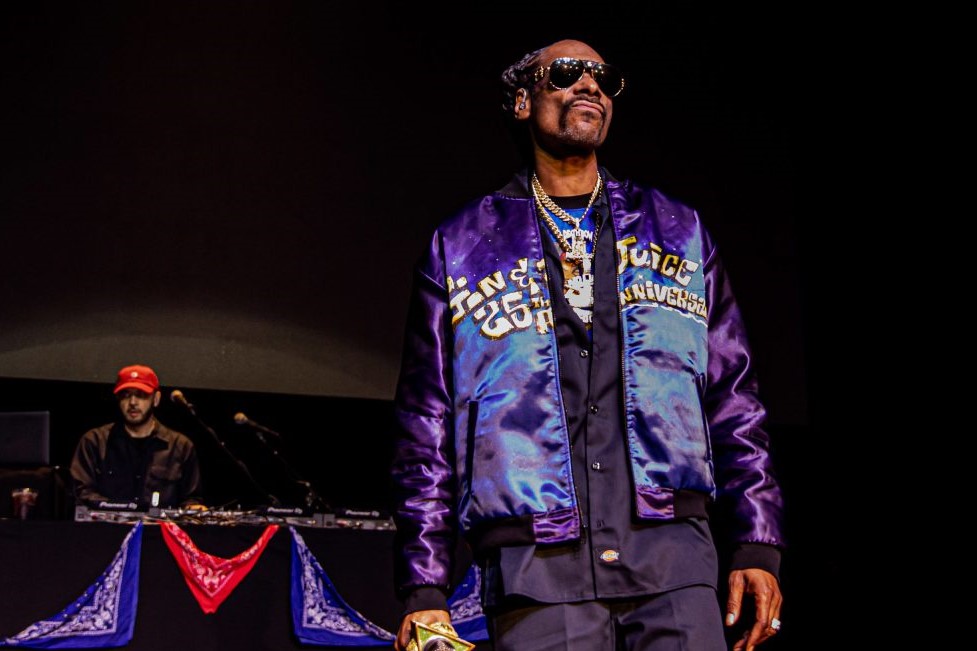
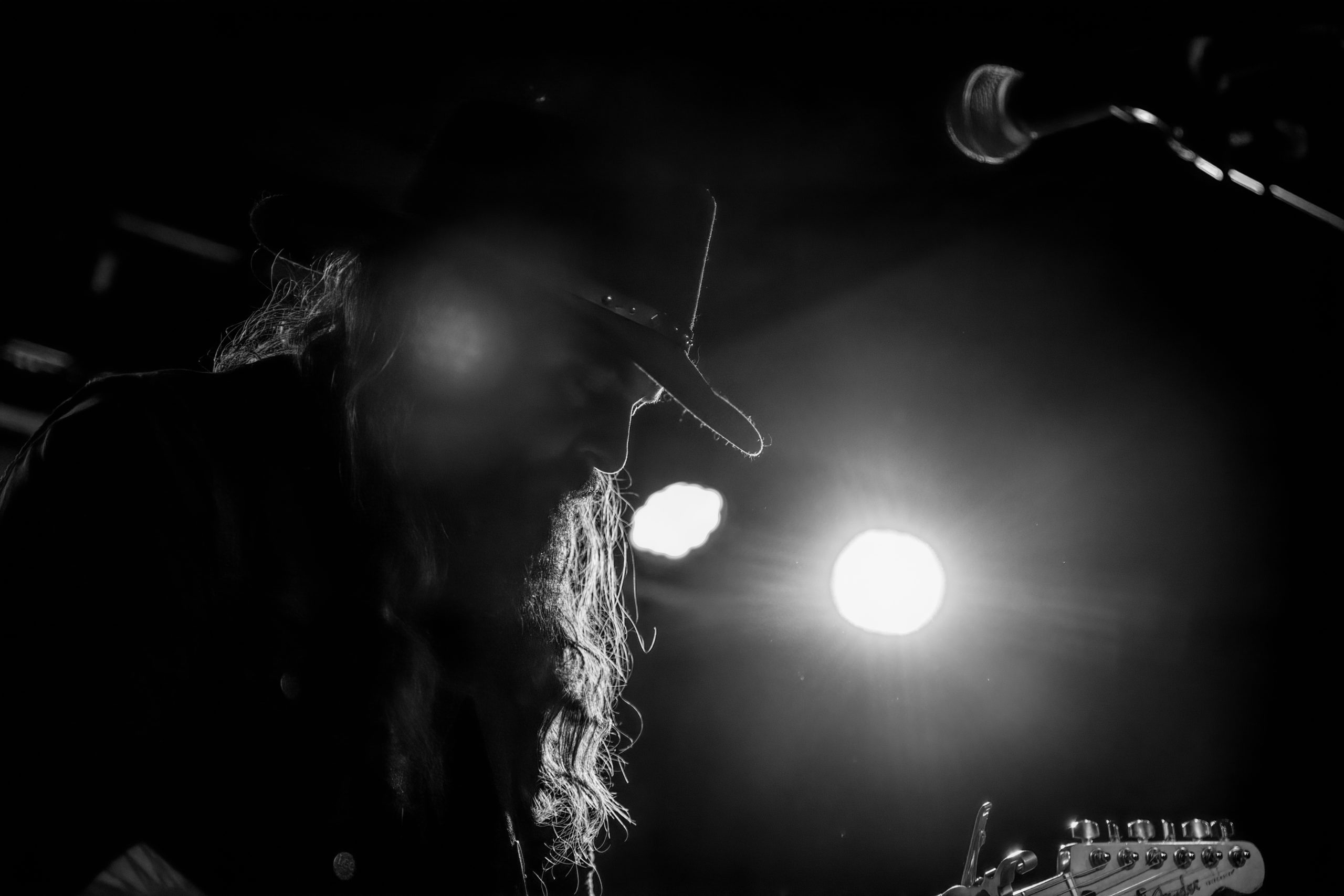
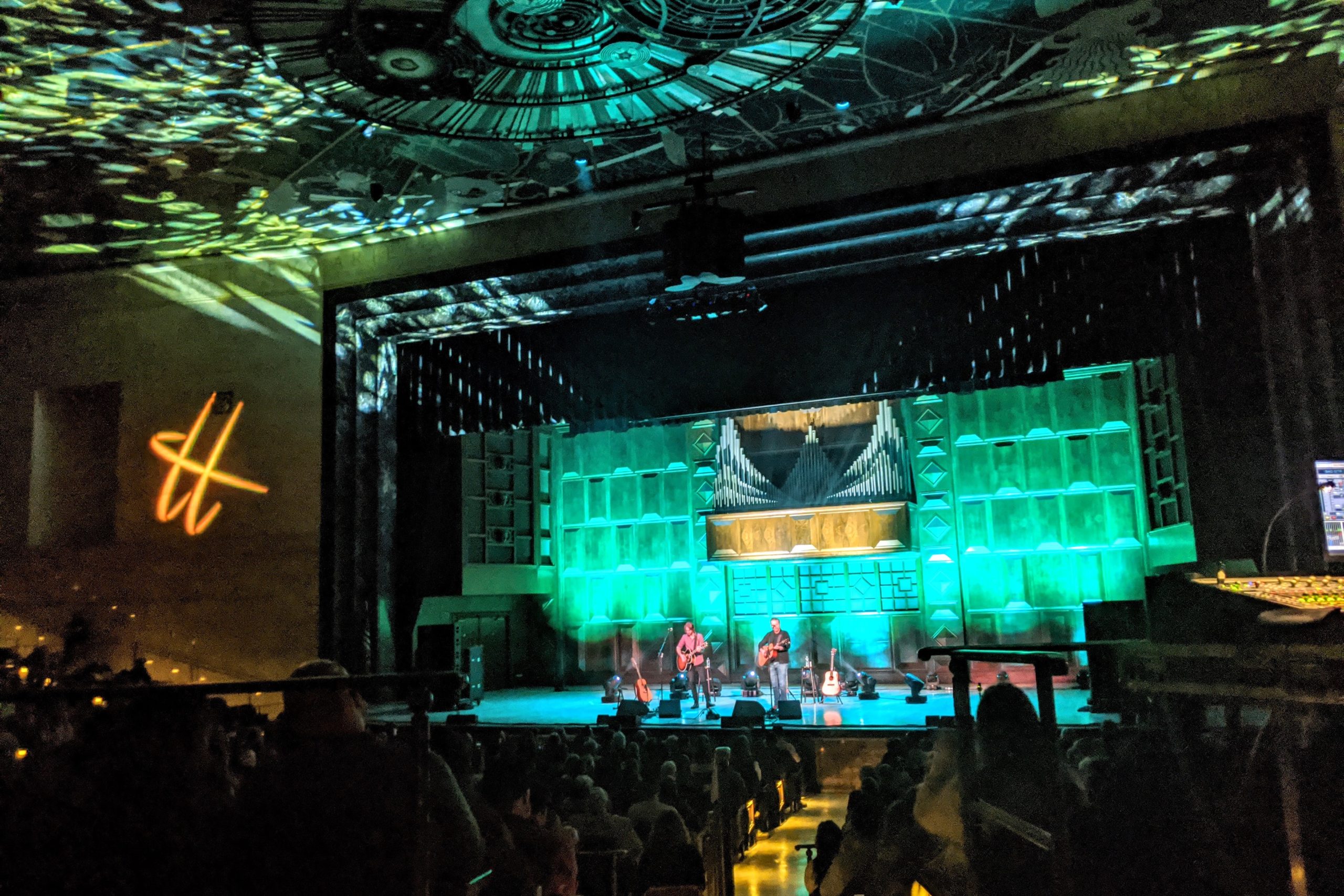
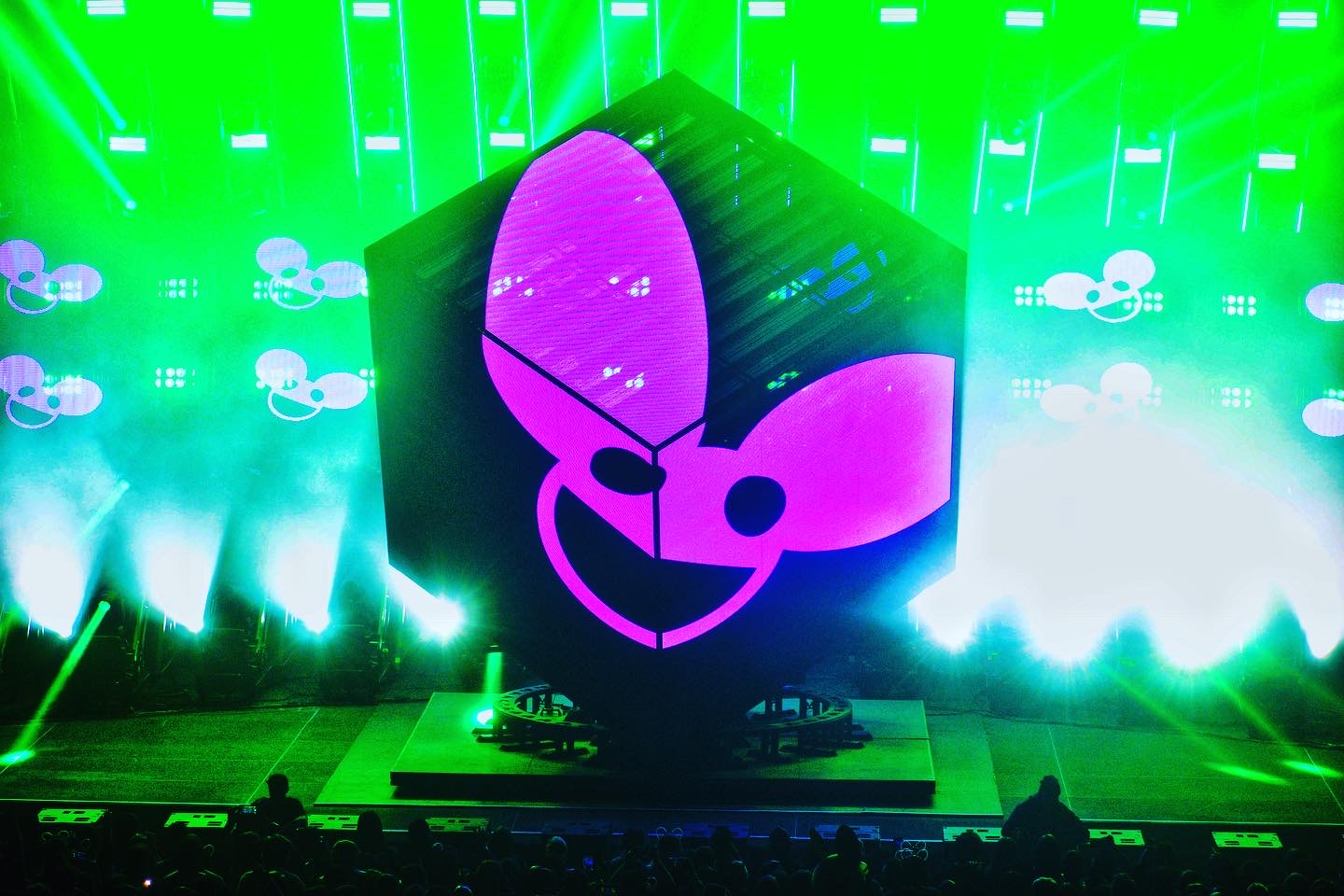
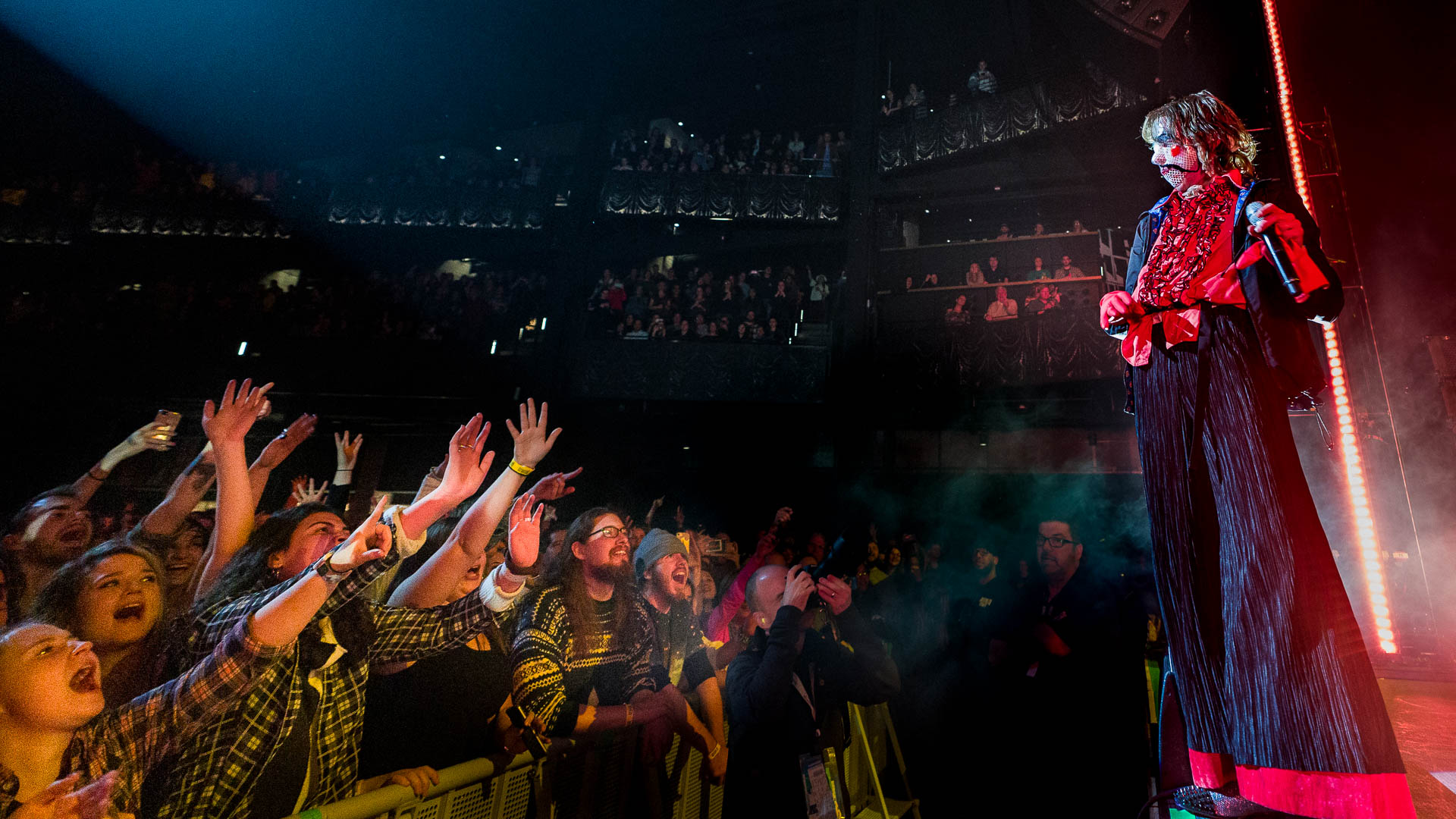
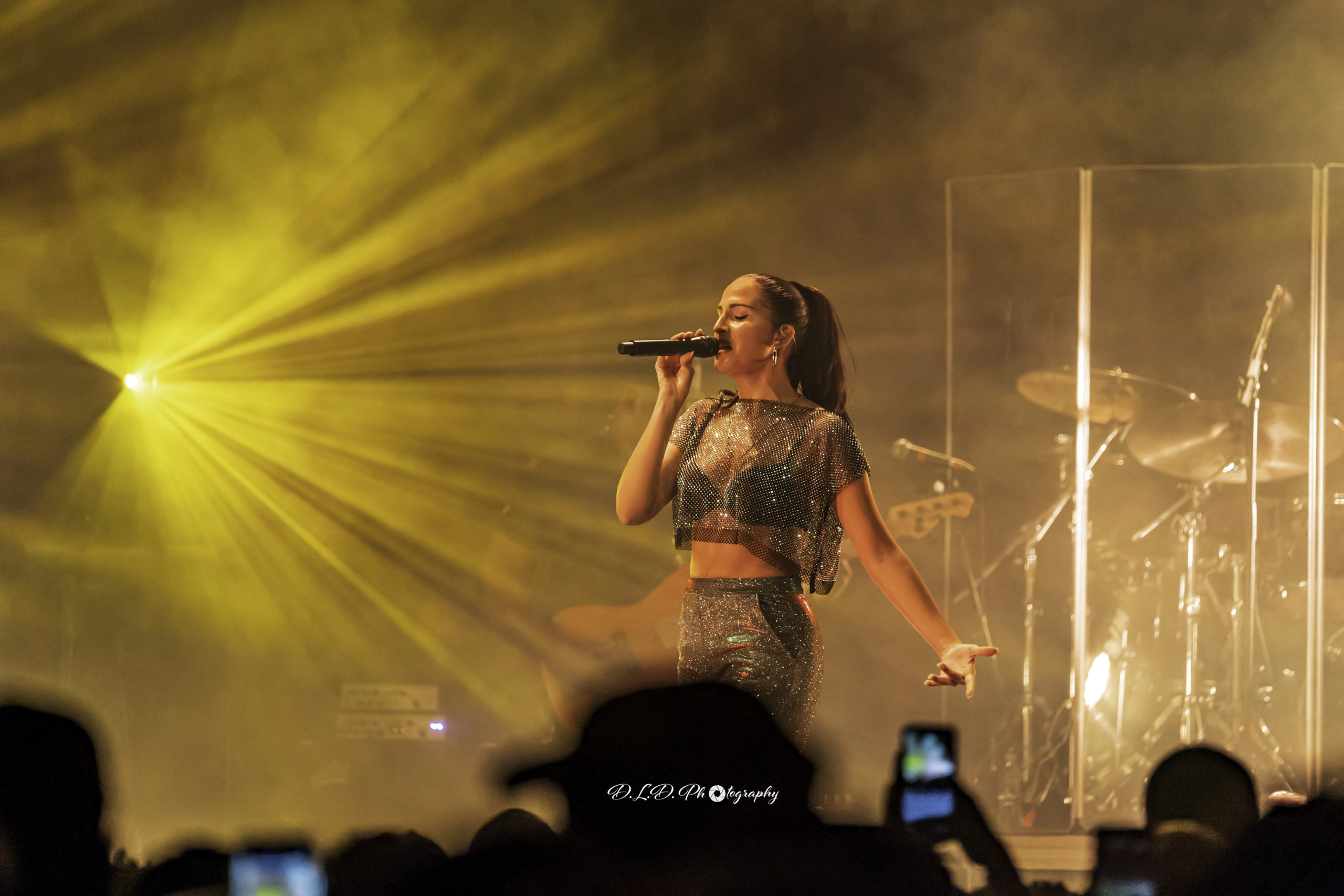
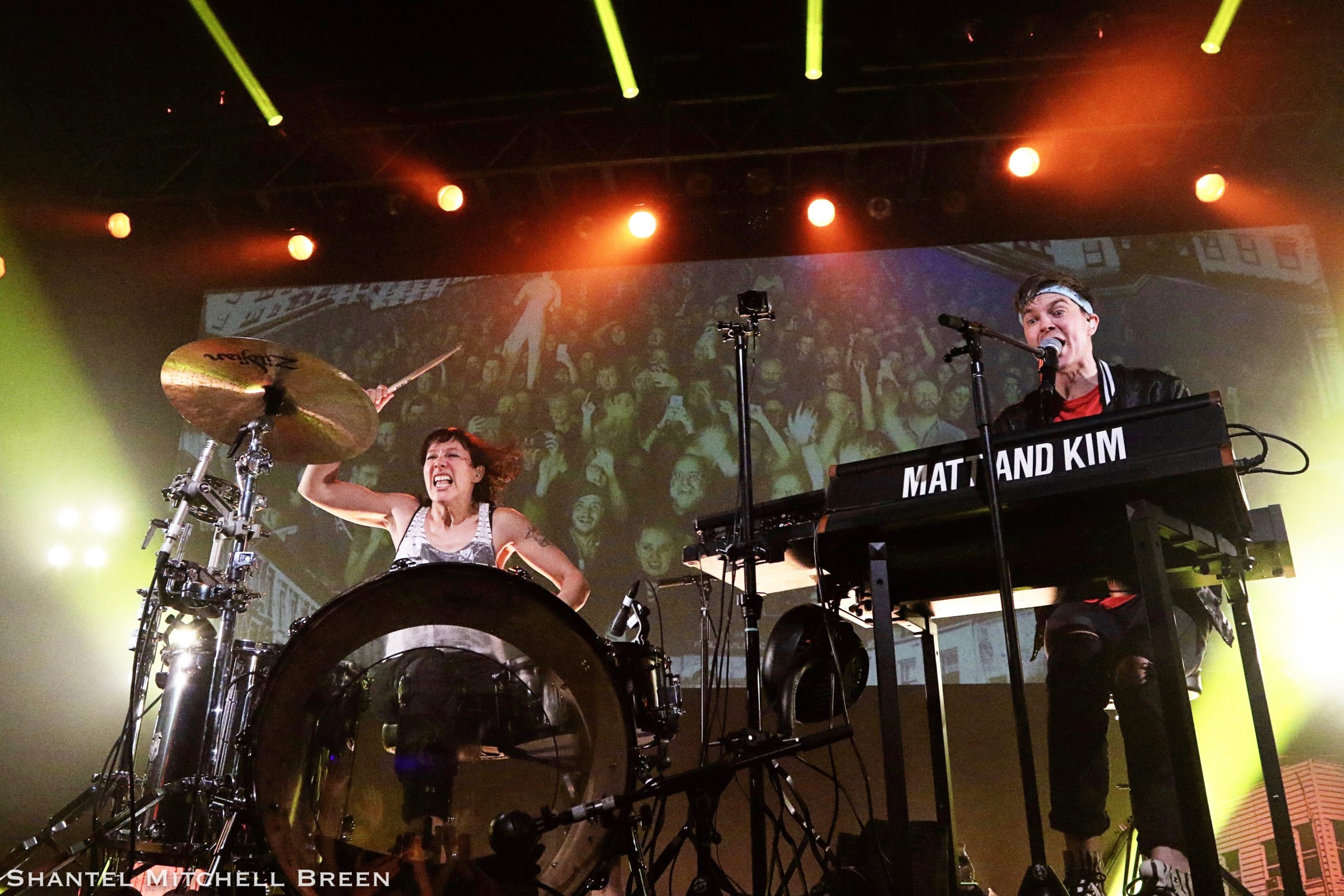
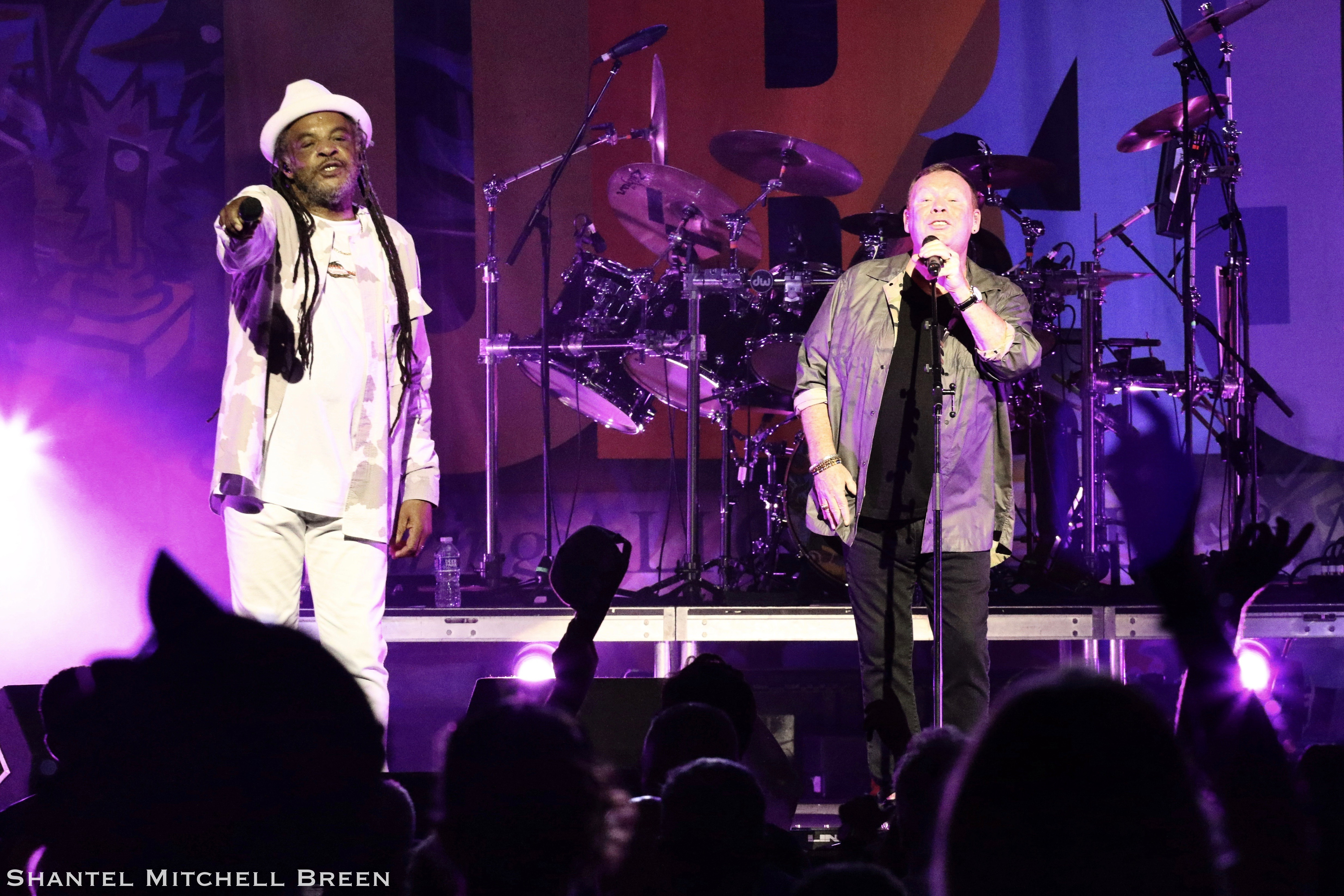
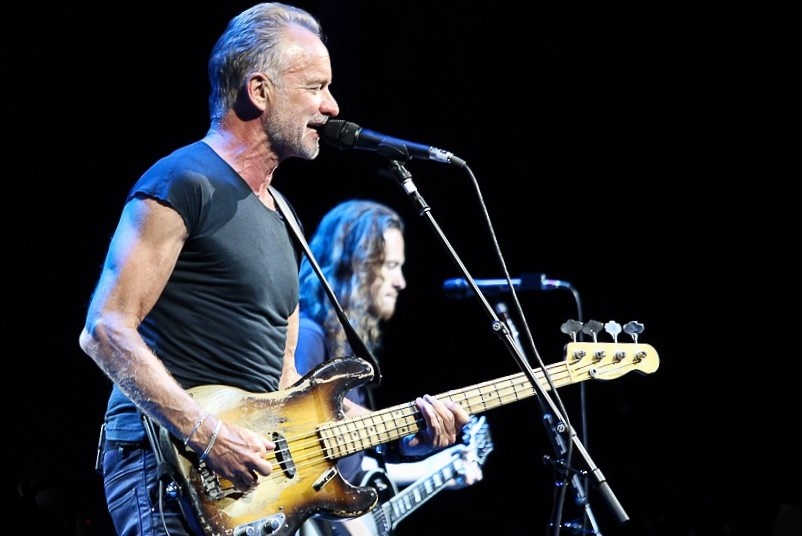
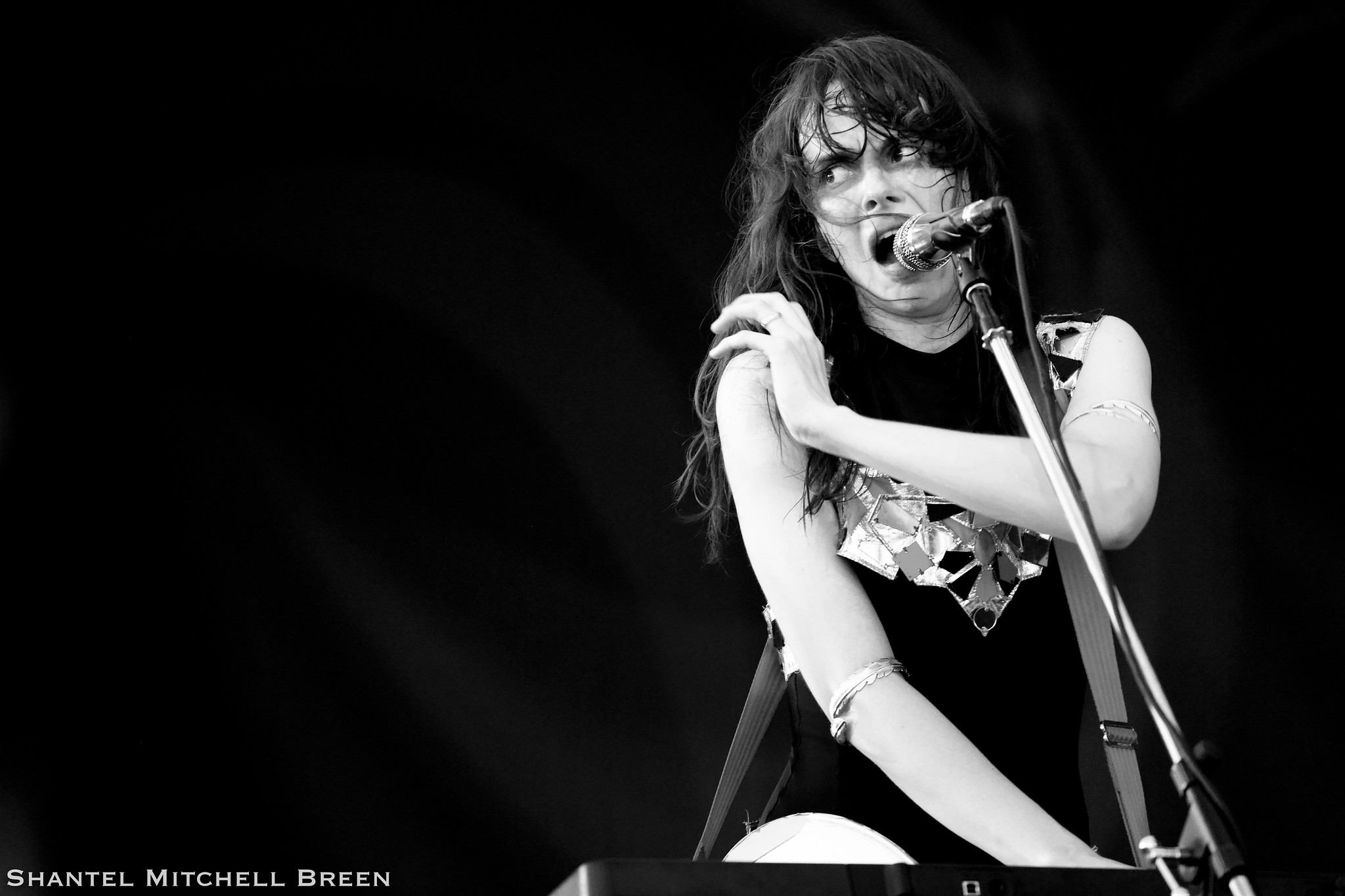
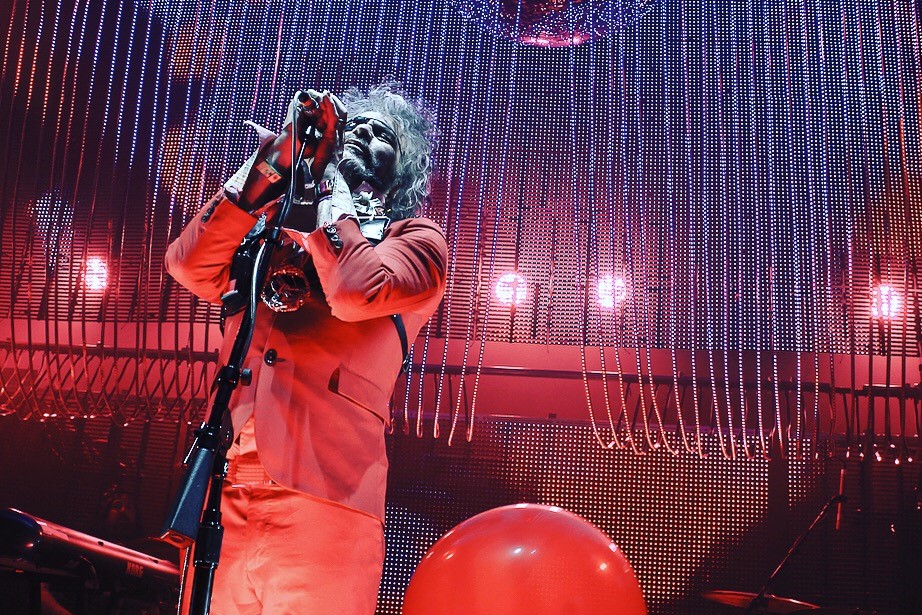
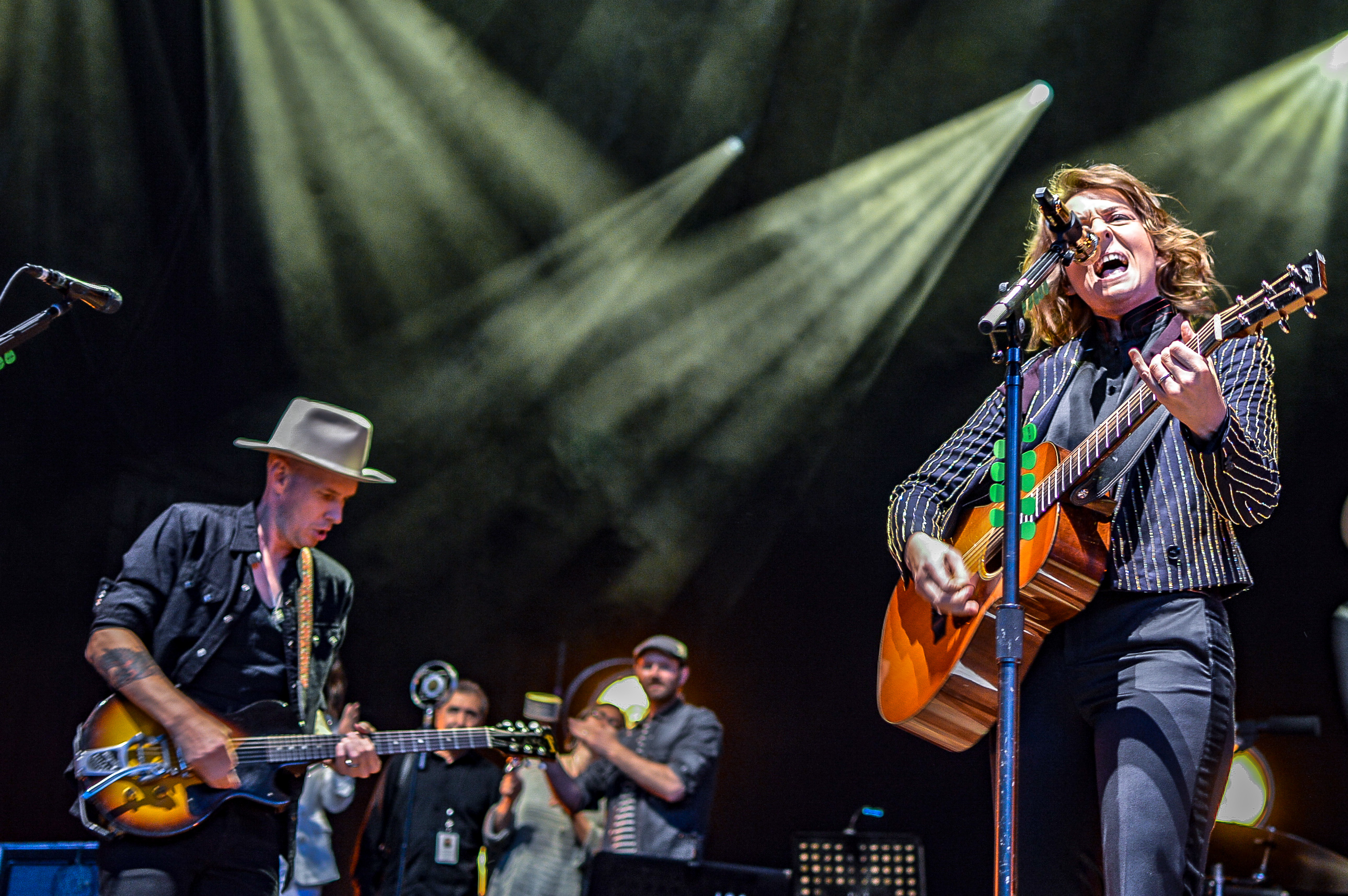
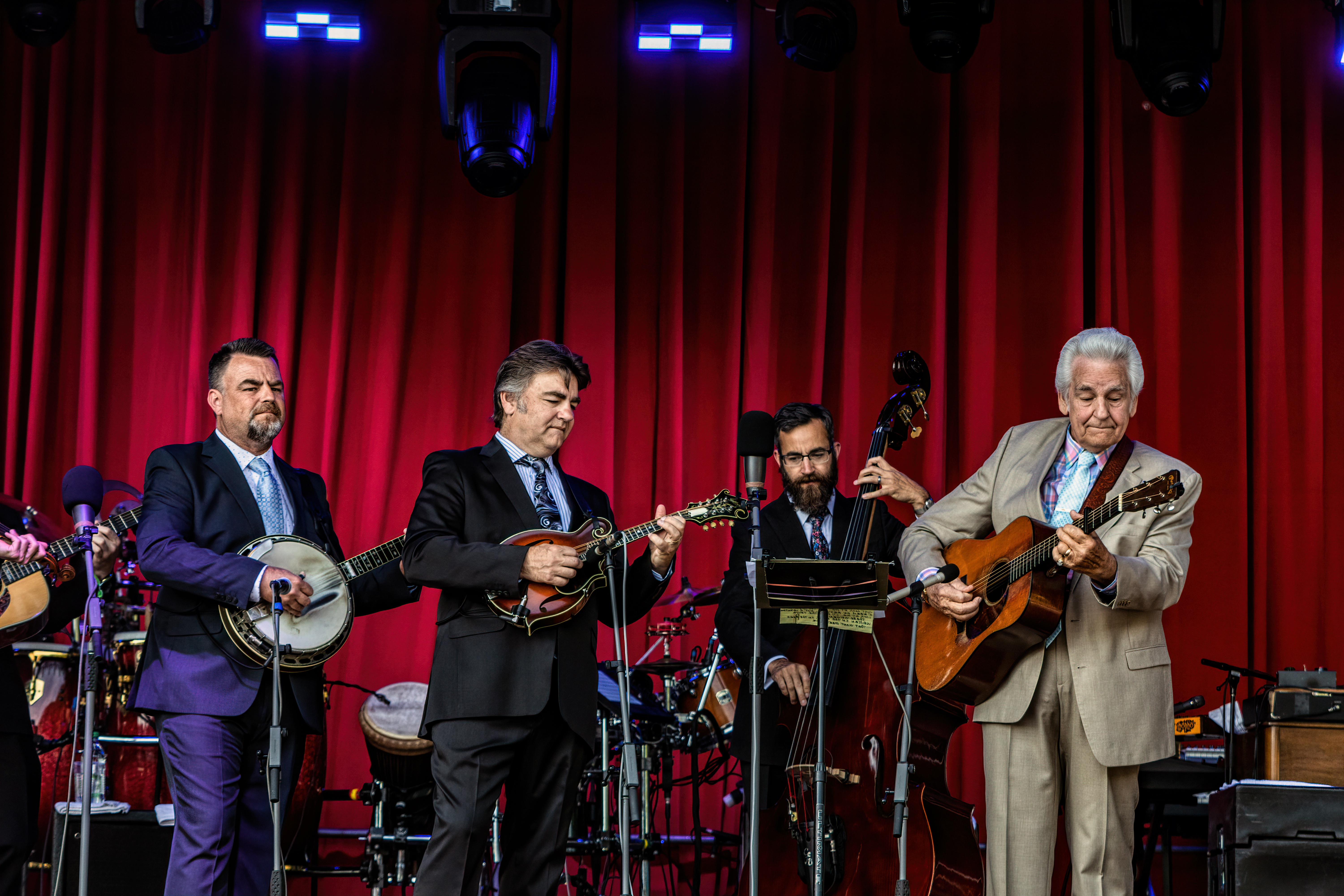
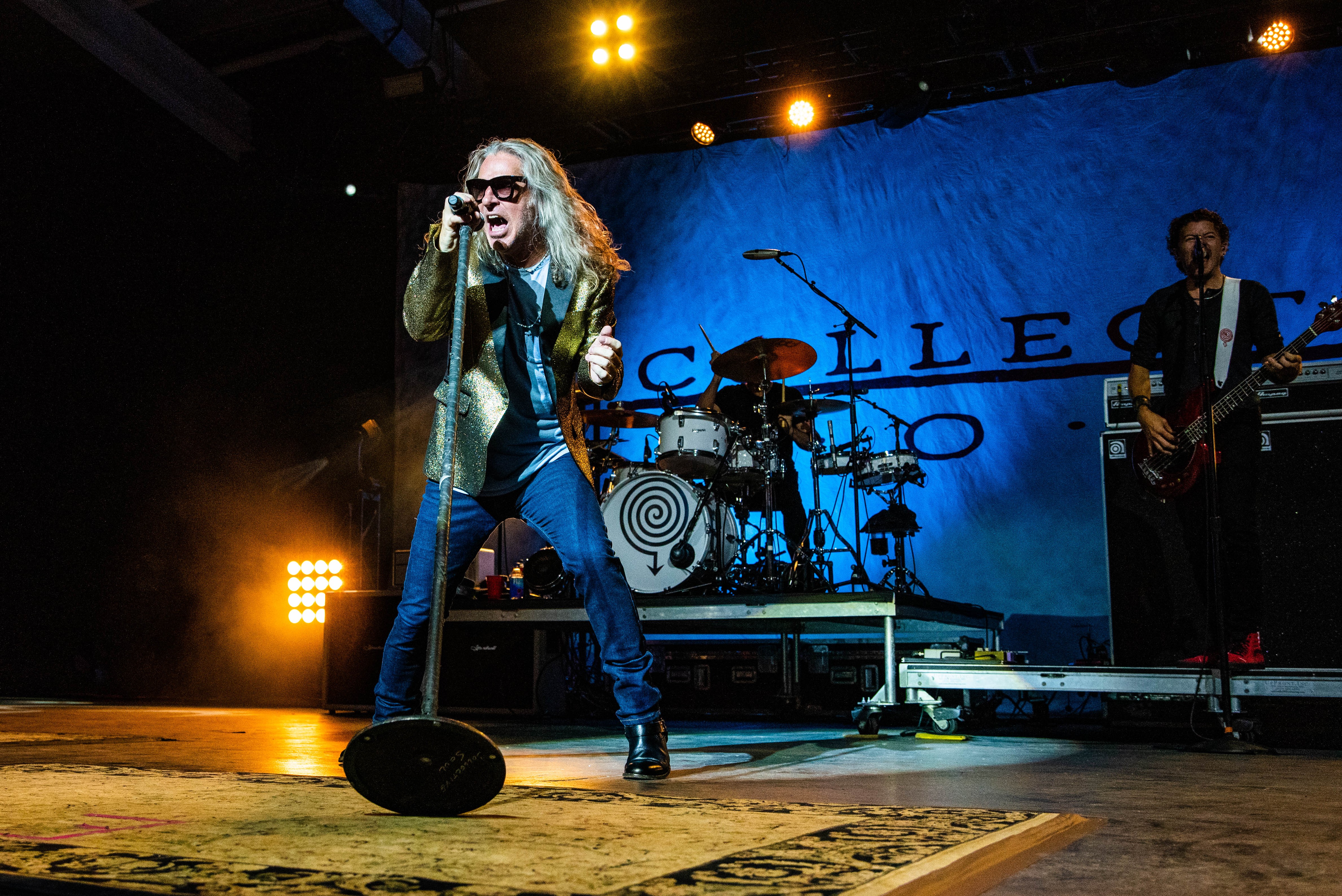
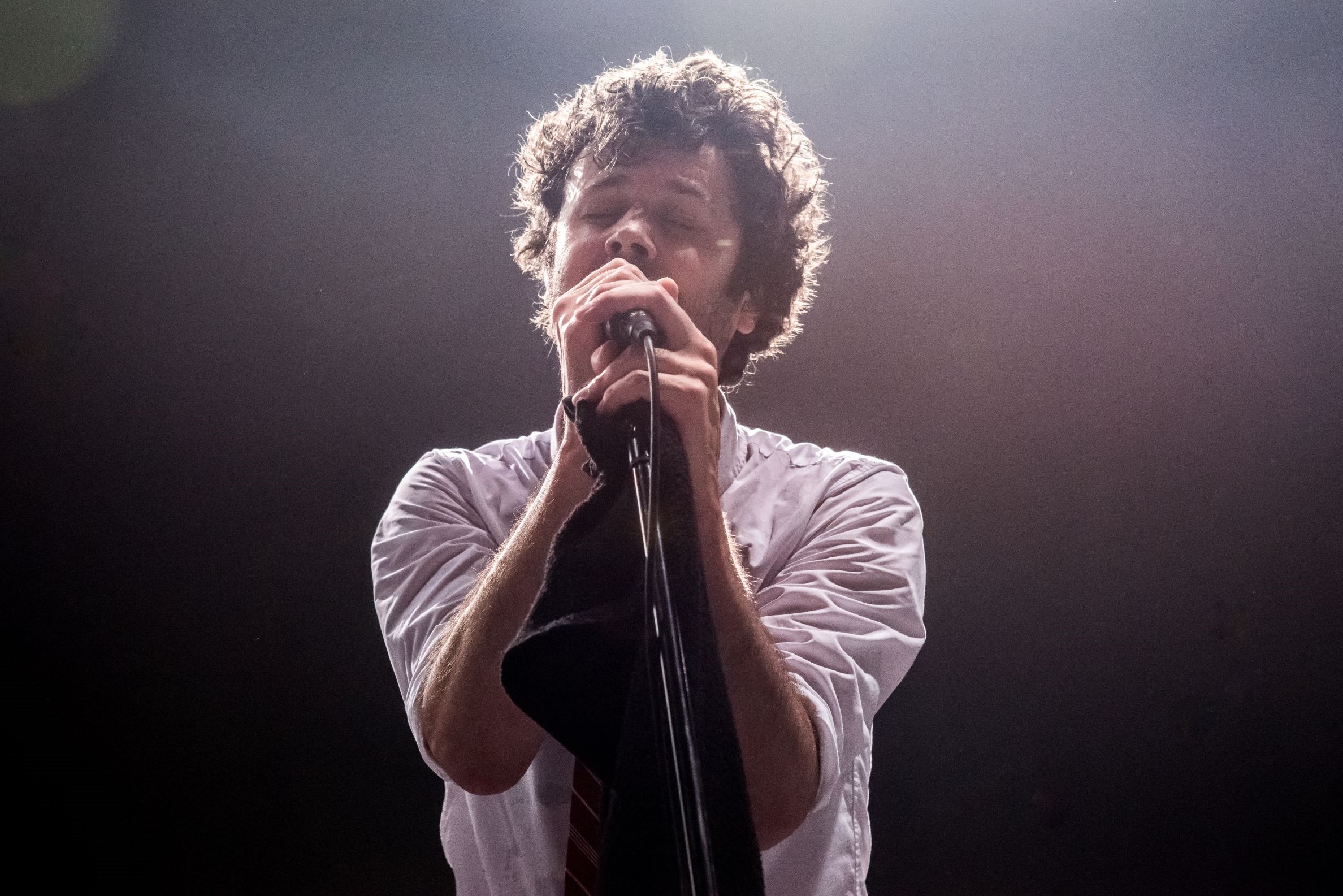
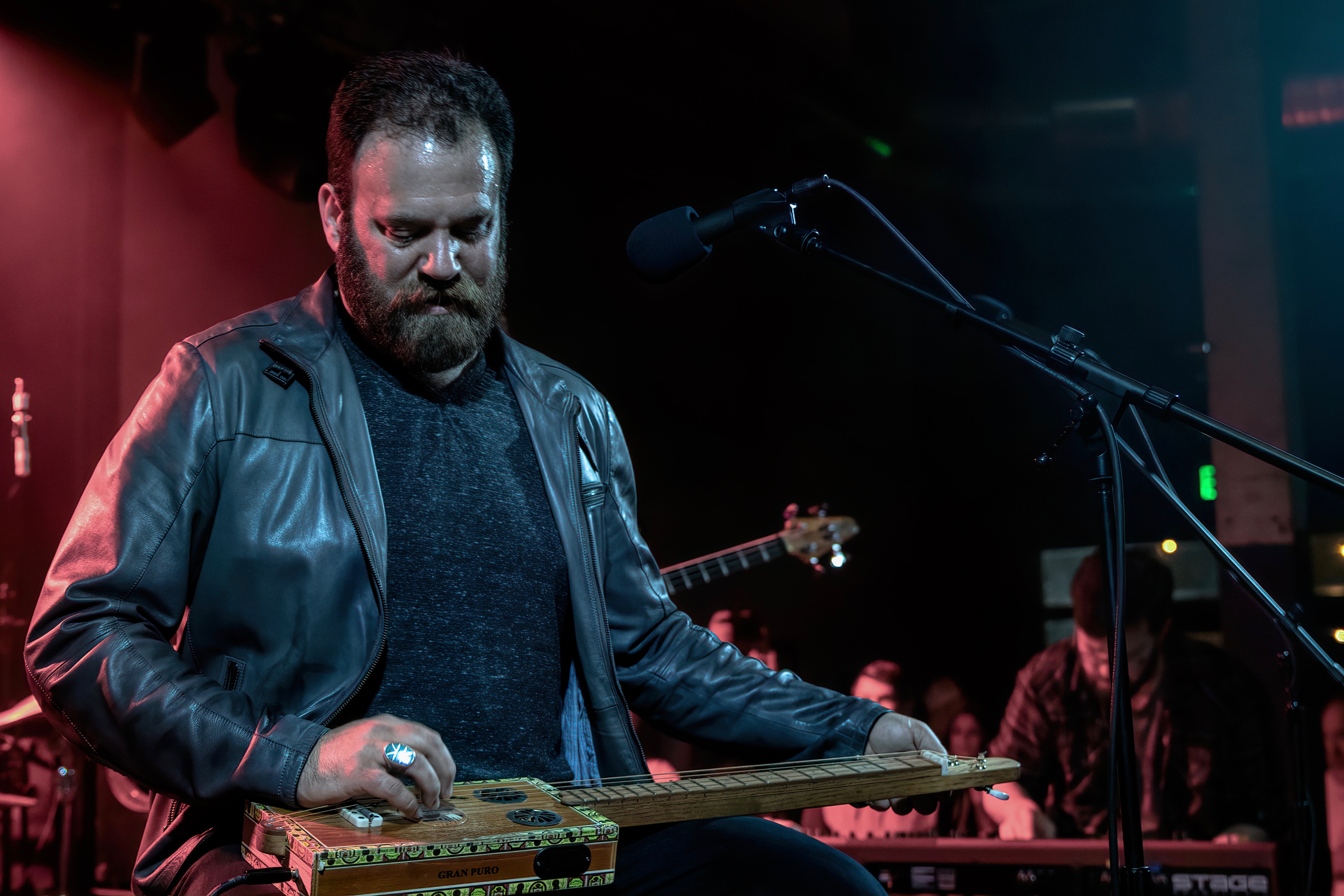
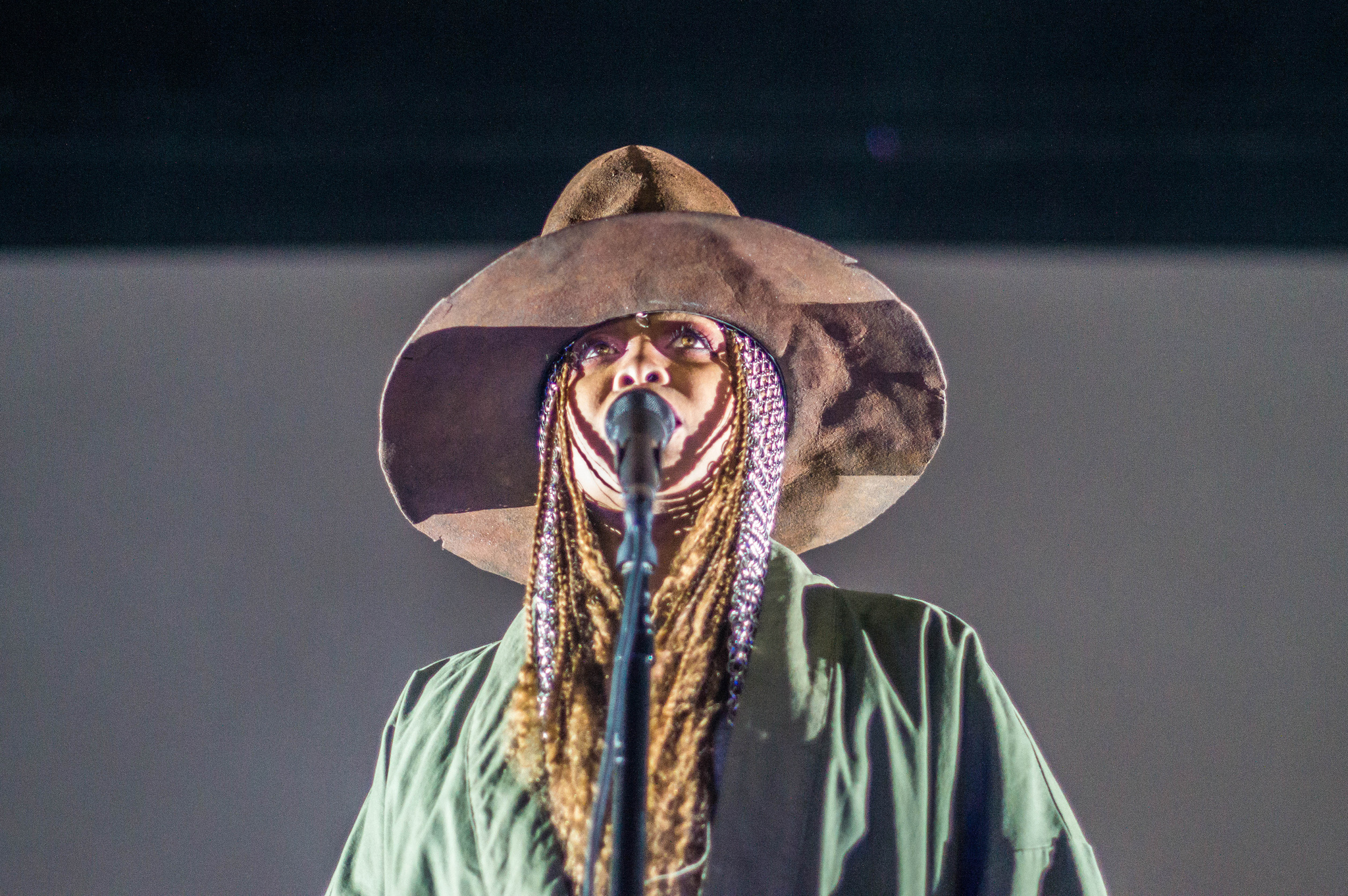
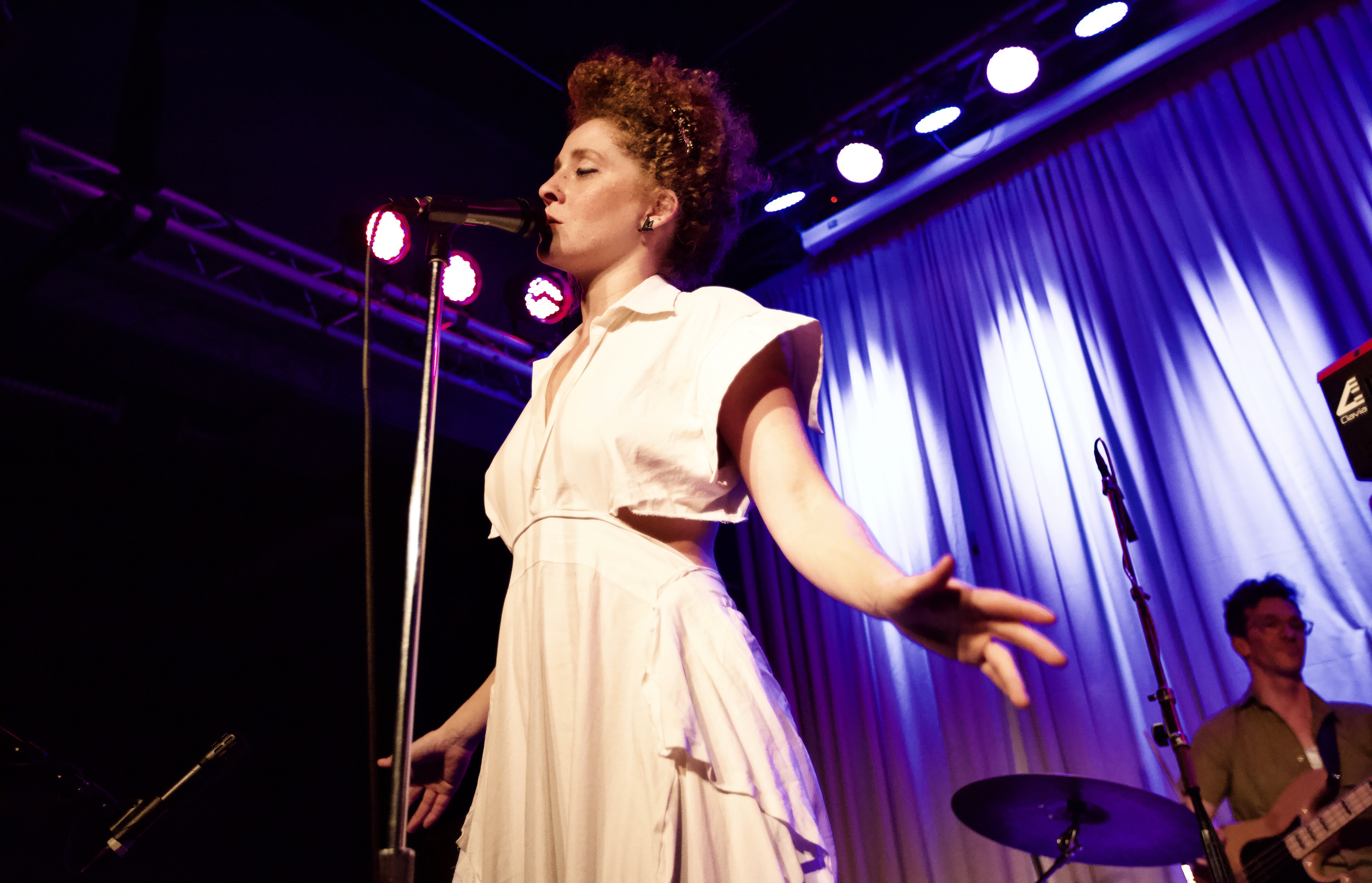
See more photos of Jon Batiste performing at The Anthem on October 31, 2025. All photos are copyright Matt Ruppert:

















































Nice work. Stage lighting is difficult to deal with and these are really nice and sharp.